RisingStar
- Home
- About Us
- Products
- News
- Video
- Contact
- Send Inquiry
Search
- Home
- About Us
- Products
- News
- Video
- Contact
- Send Inquiry
RisingStar
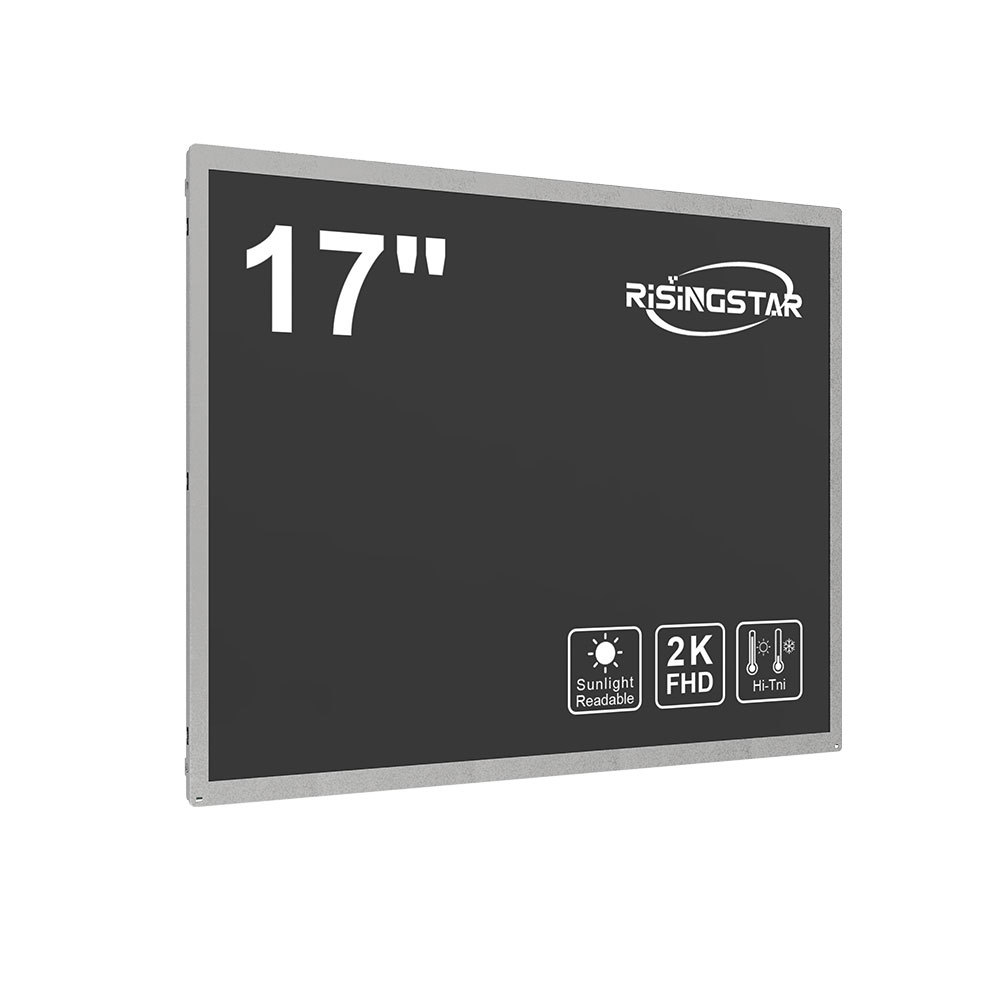
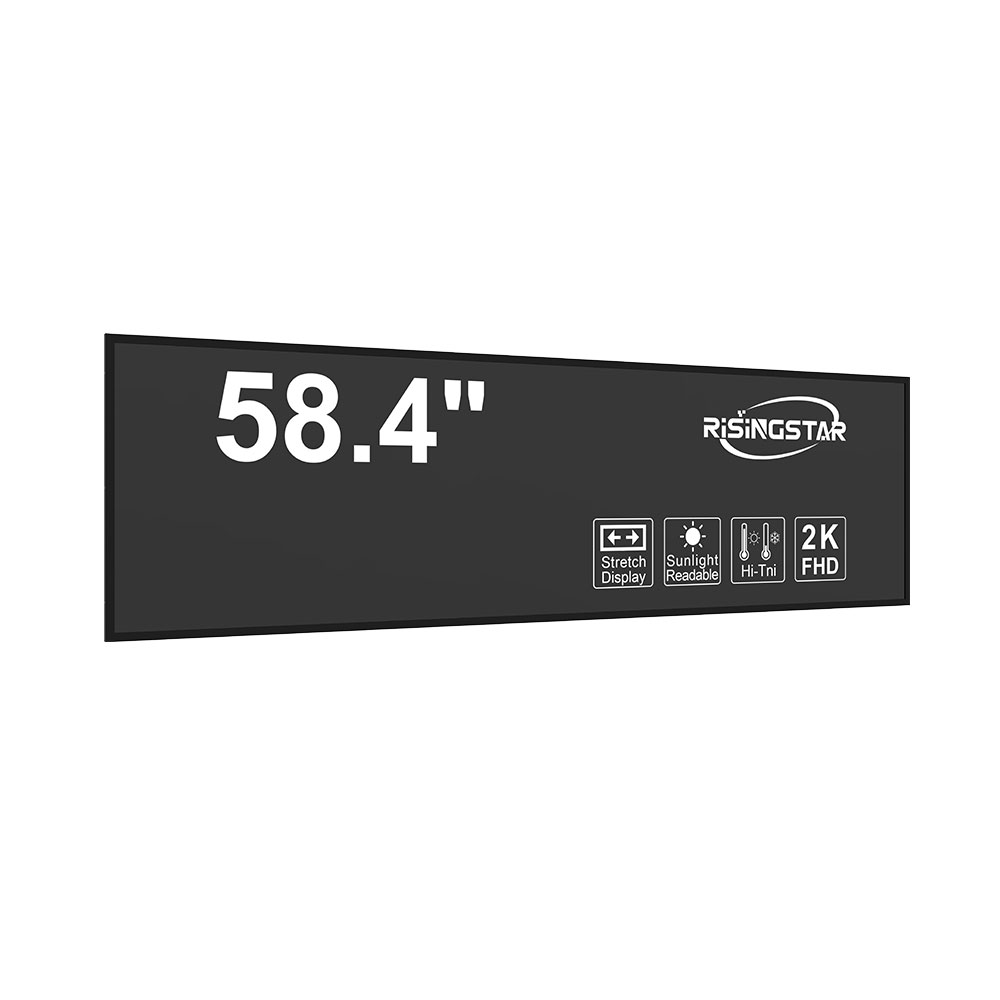
High-brightness sunlight-readable LCD screens are essential components in modern outdoor electronic systems, particularly in applications where visibility under direct sunlight is critical. These displays, capable of producing brightness levels exceeding 5,000 nits (and sometimes up to 10,000 nits), are engineered to overcome the limitations of standard LCDs that often become unreadable in bright daylight conditions. The technology behind these screens involves advanced backlighting, anti-glare coatings, high-contrast ratios, and optimized panel materials such as IPS or VA (Vertical Alignment) panels.
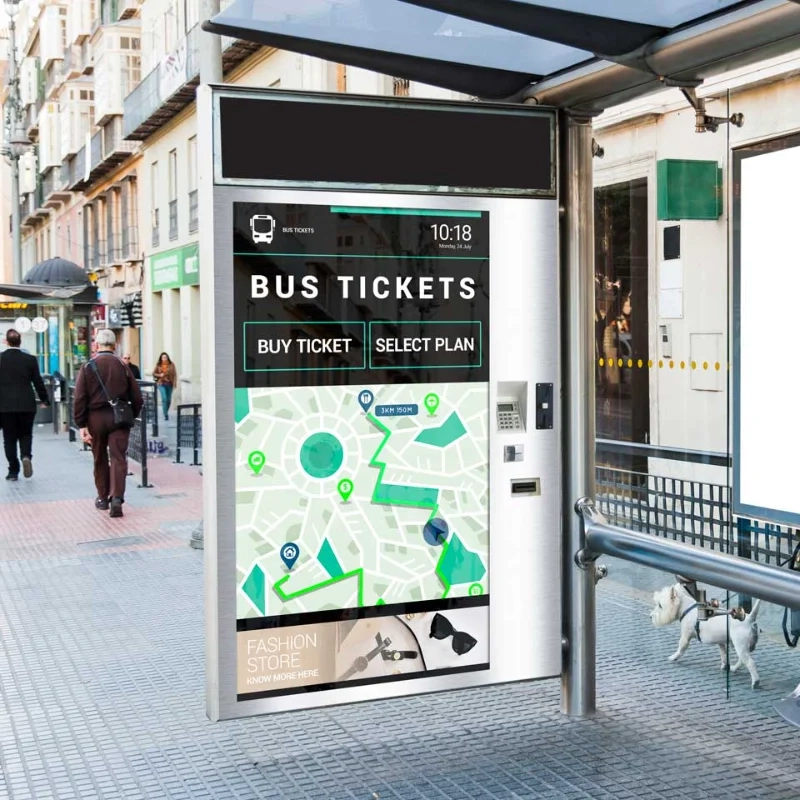
One of the key innovations enabling high-brightness performance is the use of LED-based backlights with enhanced luminance control. Unlike traditional CCFL (Cold Cathode Fluorescent Lamp) backlights, LEDs offer better energy efficiency, longer lifespan, and precise brightness modulation. In military, industrial, and transportation sectors—such as aviation dashboards, vehicle infotainment systems, and outdoor kiosks—these screens must function reliably in extreme temperatures, humidity, and vibration. For example, MIL-STD-810G standards require ruggedized displays to withstand shock, temperature cycling, and dust exposure, which high-brightness LCDs are specifically designed to meet.
A significant challenge in outdoor display design is glare reduction. To combat this, manufacturers incorporate anti-reflection (AR) coatings and polarization layers that minimize light reflection from the screen surface. Some models also feature active ambient light sensors that automatically adjust brightness based on environmental lighting, enhancing both readability and power efficiency. Additionally, high-brightness LCDs often include wide viewing angles (up to 178°), ensuring consistent image quality regardless of the viewer’s position—a crucial factor for public information displays and interactive terminals.
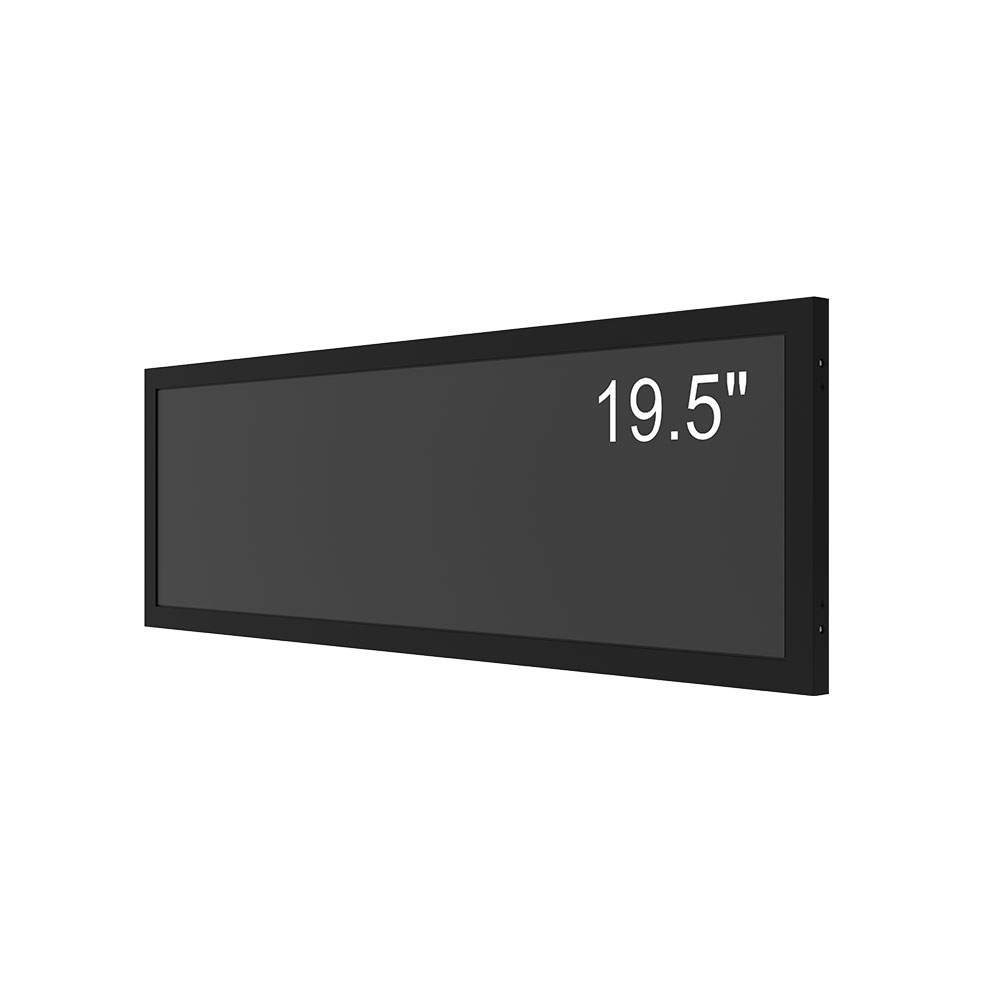
Case studies demonstrate real-world effectiveness. A 2023 report by Display Supply Chain Consultants (DSCC) highlighted that over 60% of new outdoor vending machines deployed in Southeast Asia now use high-brightness sunlight-readable LCDs, resulting in a 40% improvement in user engagement compared to older models. Similarly, in the automotive industry, companies like Bosch and Continental have integrated these displays into electric vehicle charging stations and dashboard interfaces, where visibility during peak sun hours is vital for safety and usability.
From an engineering perspective, the transition from standard to high-brightness LCDs requires careful thermal management. As brightness increases, so does heat generation within the display module. Therefore, effective heat dissipation mechanisms—such as aluminum heat sinks, thermally conductive adhesives, and intelligent fan control—are essential to prevent overheating and maintain long-term reliability. According to IEEE Transactions on Components, Packaging and Manufacturing Technology (2022), well-designed thermal solutions can extend display lifespan by up to 30%.
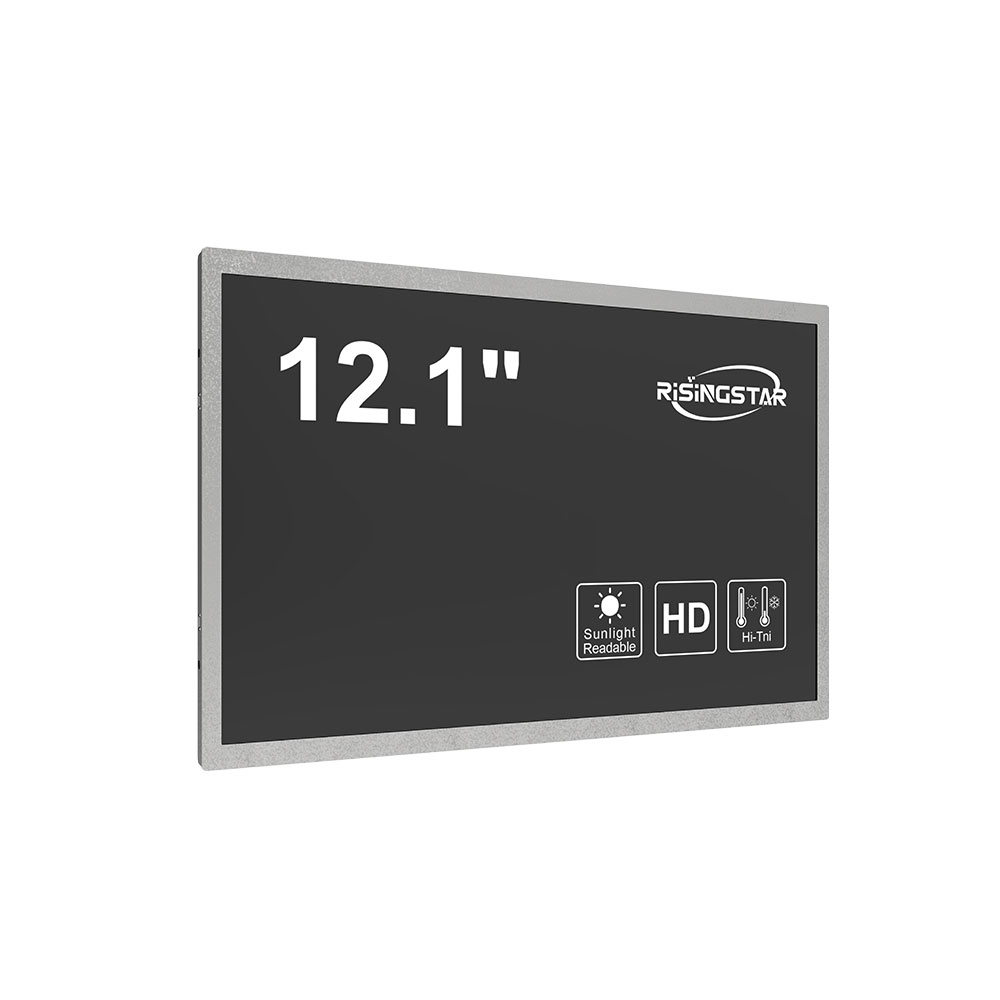
In summary, high-brightness sunlight-readable LCD technology combines optical engineering, materials science, and environmental resilience to deliver robust visual clarity in challenging outdoor settings. Its adoption across defense, transportation, healthcare, and retail underscores its importance in modern embedded systems. With continuous advancements in mini-LED and micro-LED technologies, the future of these displays promises even higher brightness, improved contrast, and lower power consumption, making them indispensable for next-generation outdoor digital signage and smart infrastructure.