RisingStar
- Home
- About Us
- Products
- News
- Video
- Contact
- Send Inquiry
Search
- Home
- About Us
- Products
- News
- Video
- Contact
- Send Inquiry
RisingStar
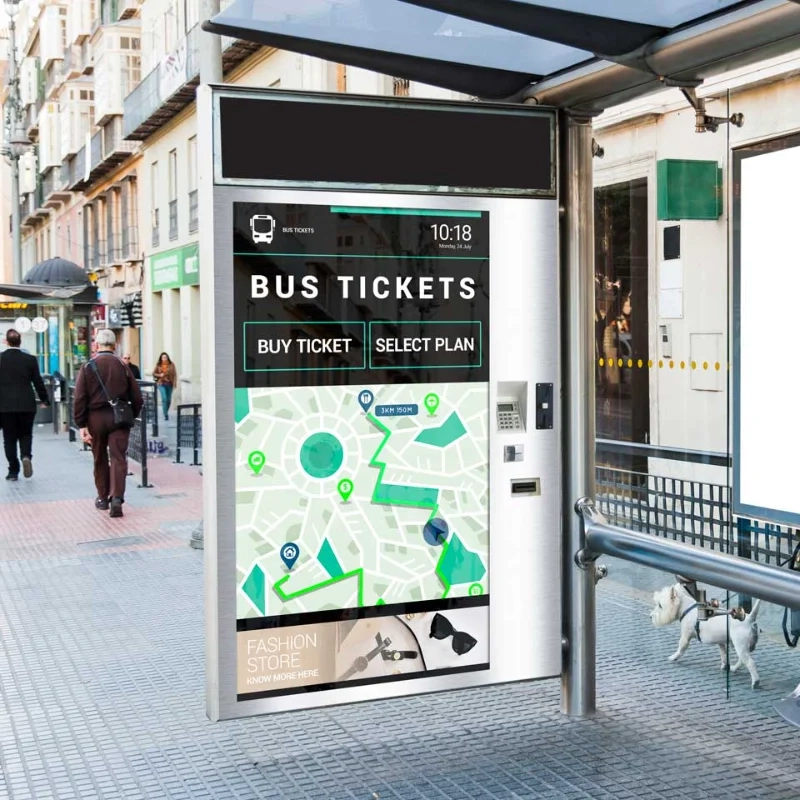
High-brightness sunlight-readable LCD screens are a critical innovation in display technology, especially for applications that require reliable visibility under intense outdoor lighting conditions. These displays are engineered to maintain clarity and contrast even when exposed to direct sunlight, which can often wash out conventional LCDs. Industries such as military operations, transportation, agriculture, industrial automation, and public information systems rely heavily on this technology to ensure operational safety, user accuracy, and system reliability.
The core challenge in designing a sunlight-readable LCD lies in achieving high peak brightness—typically 5,000 nits or more—while maintaining low power consumption and long-term durability. Unlike standard LCDs that max out at around 300–500 nits, sunlight-readable displays use advanced backlighting systems, such as LED arrays with high-luminance drivers, anti-glare coatings, and optimized pixel architectures. For instance, the U.S. Department of Defense has mandated that all portable tactical displays meet MIL-STD-810G environmental standards and achieve at least 5,000 nits peak brightness for field use—a benchmark now widely adopted globally.
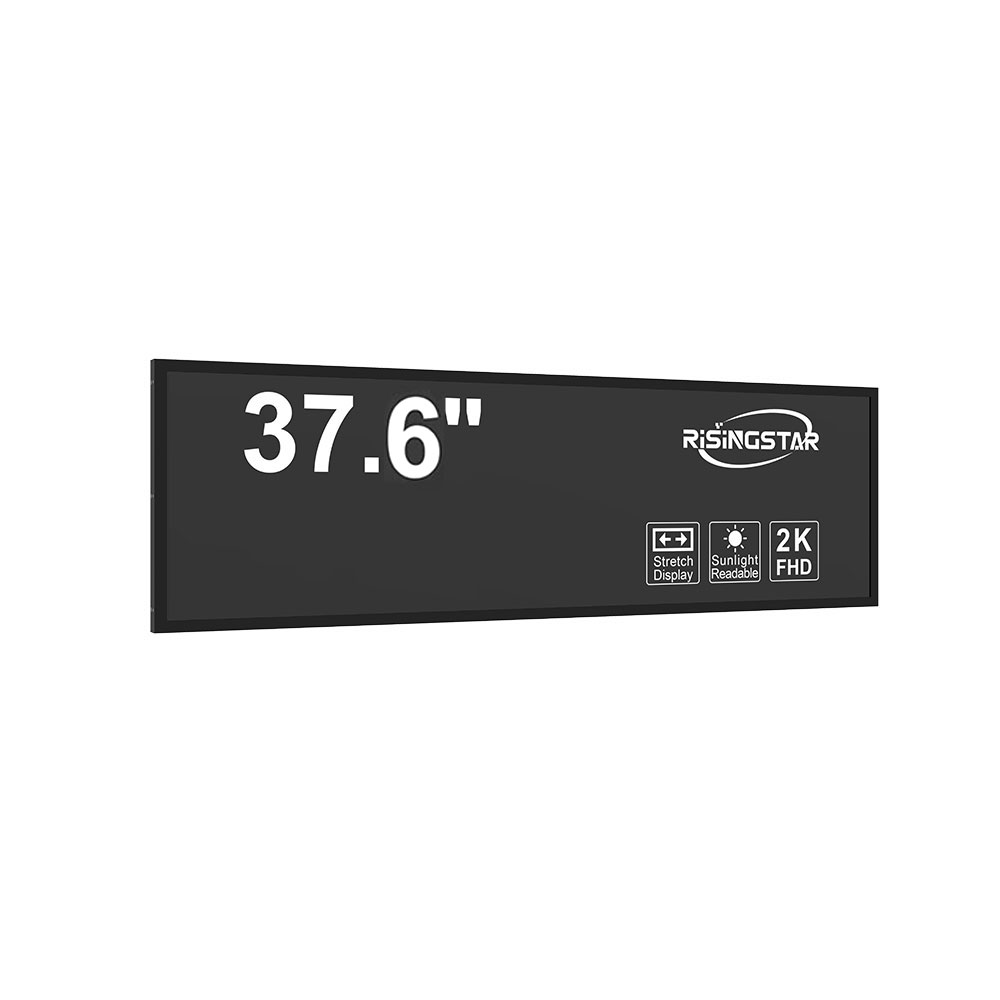
One of the key innovations is the use of transflective liquid crystal cells, which combine reflective and transmissive properties. During bright daylight, ambient light is reflected off the display’s internal structure, reducing dependency on the backlight and conserving energy. In low-light environments, the backlight activates fully, ensuring consistent image quality. This dual-mode operation not only enhances visibility but also extends battery life in mobile devices—an essential feature for drones, handheld command units, and remote monitoring tools.
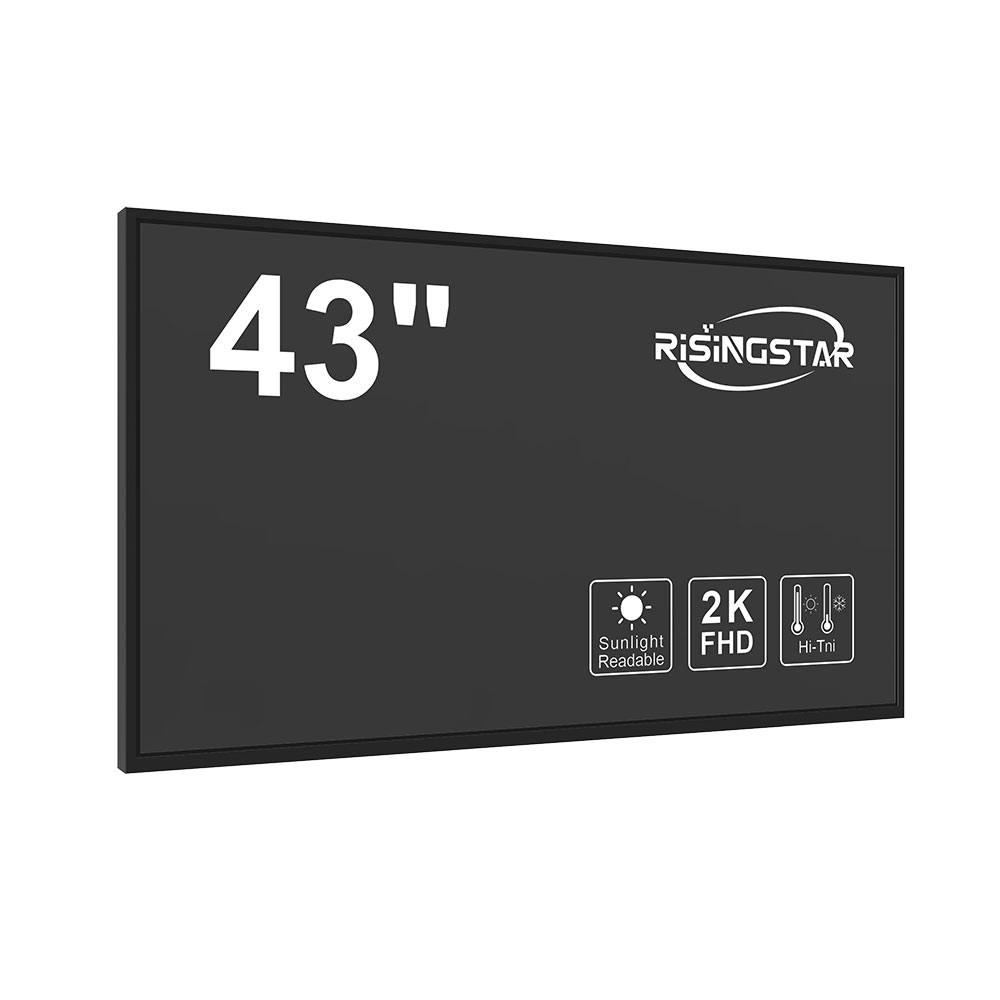
Manufacturers like LG Display, Sharp, and AU Optronics have invested heavily in R&D to optimize panel materials and circuit design. Case studies from the automotive sector show that integrating these screens into vehicle dashboards improves driver focus by minimizing glare-induced eye strain during daytime driving. Similarly, in agricultural machinery, operators using high-brightness displays report fewer errors in GPS navigation and equipment control due to improved legibility in full sun.
Moreover, modern sunlight-readable LCDs incorporate smart brightness control algorithms that dynamically adjust luminance based on ambient light sensors. This adaptive functionality ensures optimal power efficiency without compromising readability—a crucial factor for solar-powered IoT devices and autonomous vehicles. According to a 2023 report by MarketsandMarkets, the global market for sunlight-readable displays is projected to grow at a CAGR of 7.4% from 2023 to 2030, driven by increasing demand in defense, aerospace, and smart city infrastructure.
For engineers and procurement specialists, selecting the right screen involves evaluating not just brightness levels but also viewing angles, response times, and thermal performance. The International Electrotechnical Commission (IEC) standard IEC 62329 outlines test methods for evaluating LCD performance under extreme lighting conditions, providing a benchmark for quality assurance.
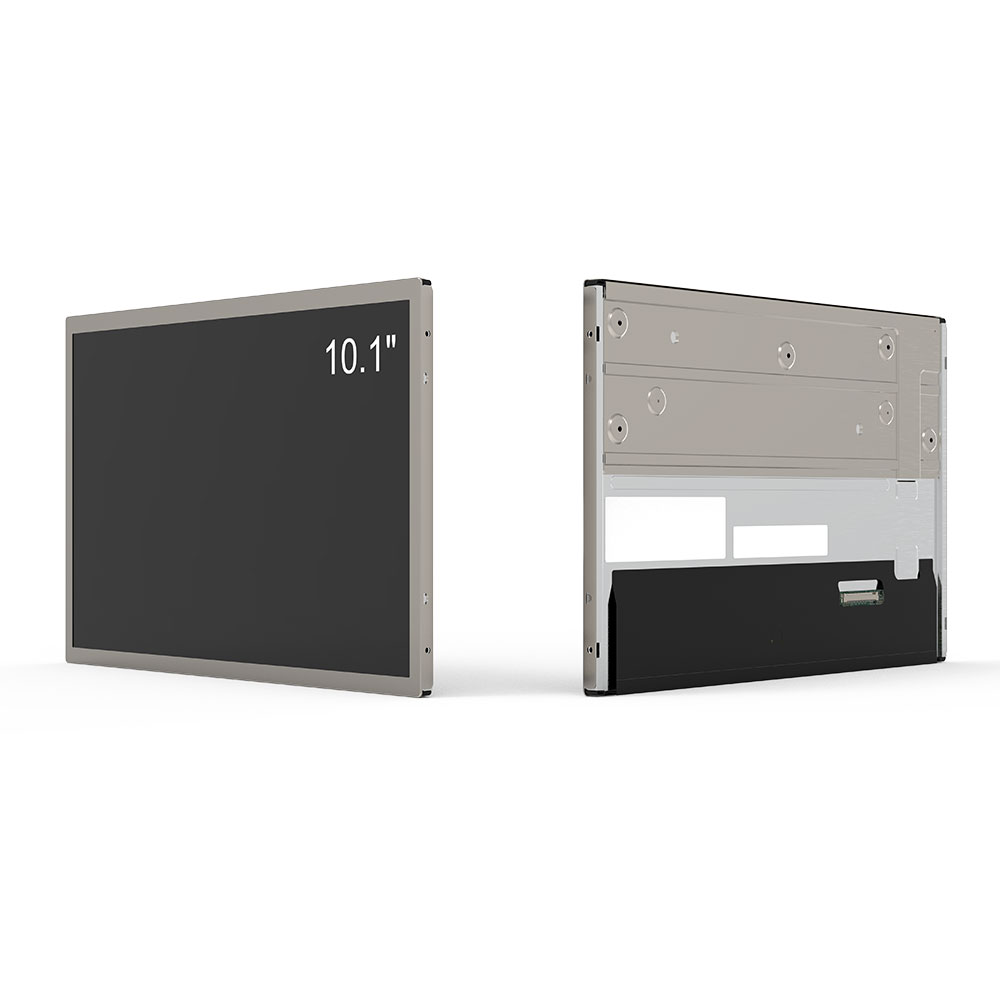
In conclusion, high-brightness sunlight-readable LCD technology is no longer a niche solution—it is an industry necessity for any application requiring robust visual performance outdoors. With continuous advancements in materials science, optical engineering, and intelligent power management, these displays will remain pivotal in shaping the future of human-machine interaction across diverse sectors.