RisingStar
- Home
- About Us
- Products
- News
- Video
- Contact
- Send Inquiry
Search
- Home
- About Us
- Products
- News
- Video
- Contact
- Send Inquiry
RisingStar
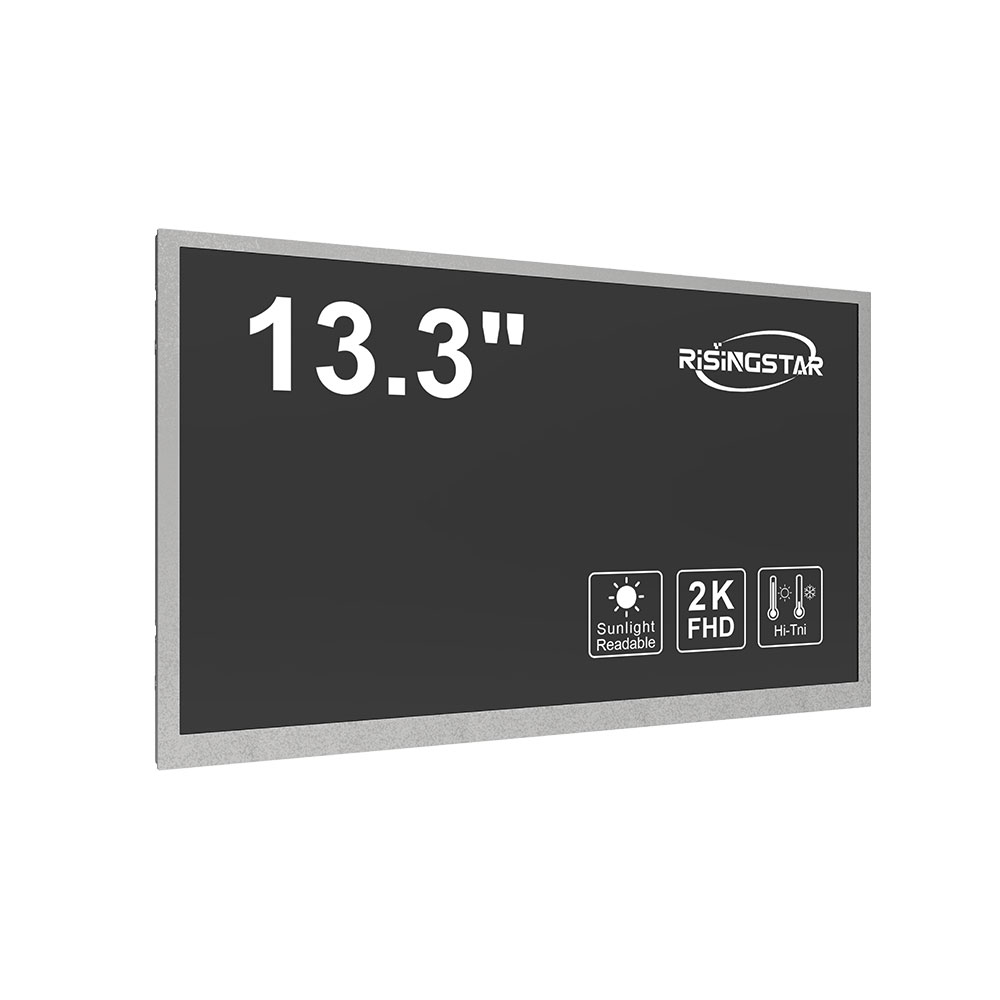
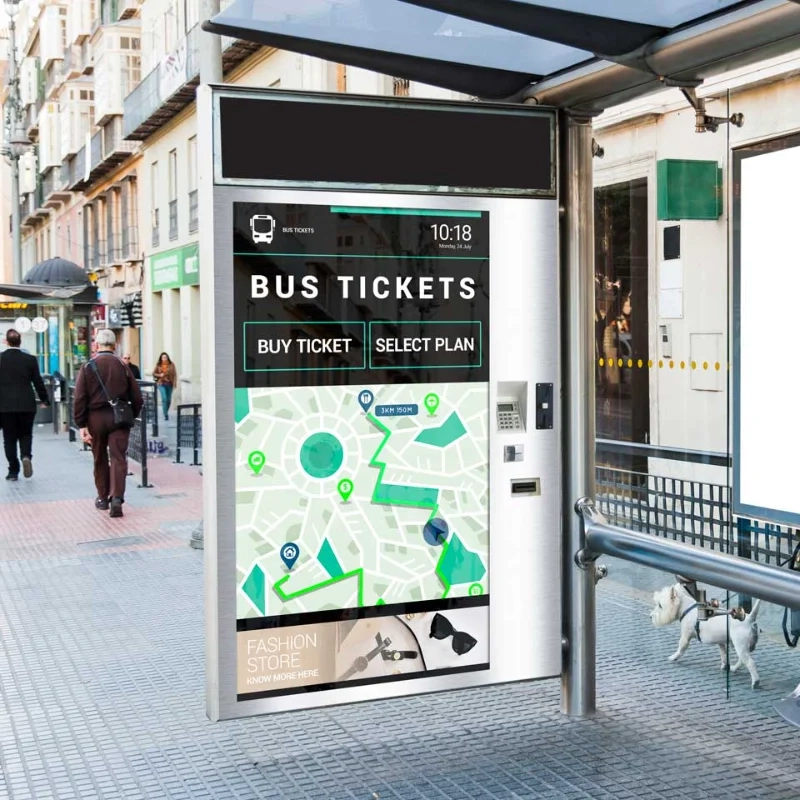
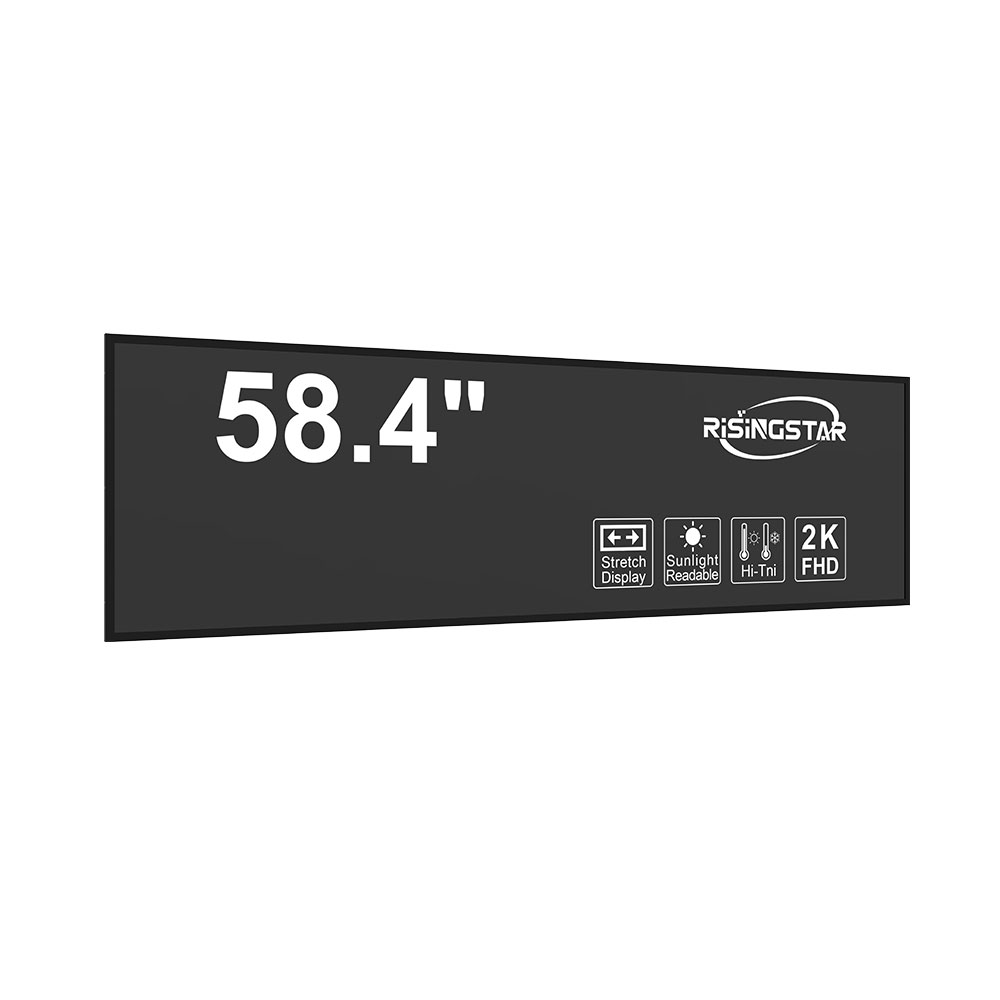
Sunlight-readable LCD strip screens have become indispensable in modern industrial, military, transportation, and outdoor signage applications where high visibility under direct sunlight is critical. These specialized displays are engineered to maintain clarity, contrast, and readability even in intense ambient light conditions—up to 100,000 lux or more—far exceeding the capabilities of standard LCDs that typically perform poorly above 5,000 lux. The strip screen series includes a wide range of sizes—from compact 14.1-inch models up to massive 86-inch formats—each tailored for specific operational environments such as solar farms, construction sites, aircraft cockpits, maritime navigation, and public transit systems.
The key technologies enabling this performance include high-brightness LED backlighting (often exceeding 5,000 nits), anti-glare coatings, polarized glass filters, and advanced optical bonding techniques that eliminate air gaps between the display panel and protective cover. For example, a 24-inch sunlight-readable LCD used in a naval command center must withstand saltwater exposure, thermal cycling from -30°C to +70°C, and maintain image integrity during rapid transitions from shadow to full sun—a challenge addressed through ruggedized housing and sealed IP65/IP67 ratings.
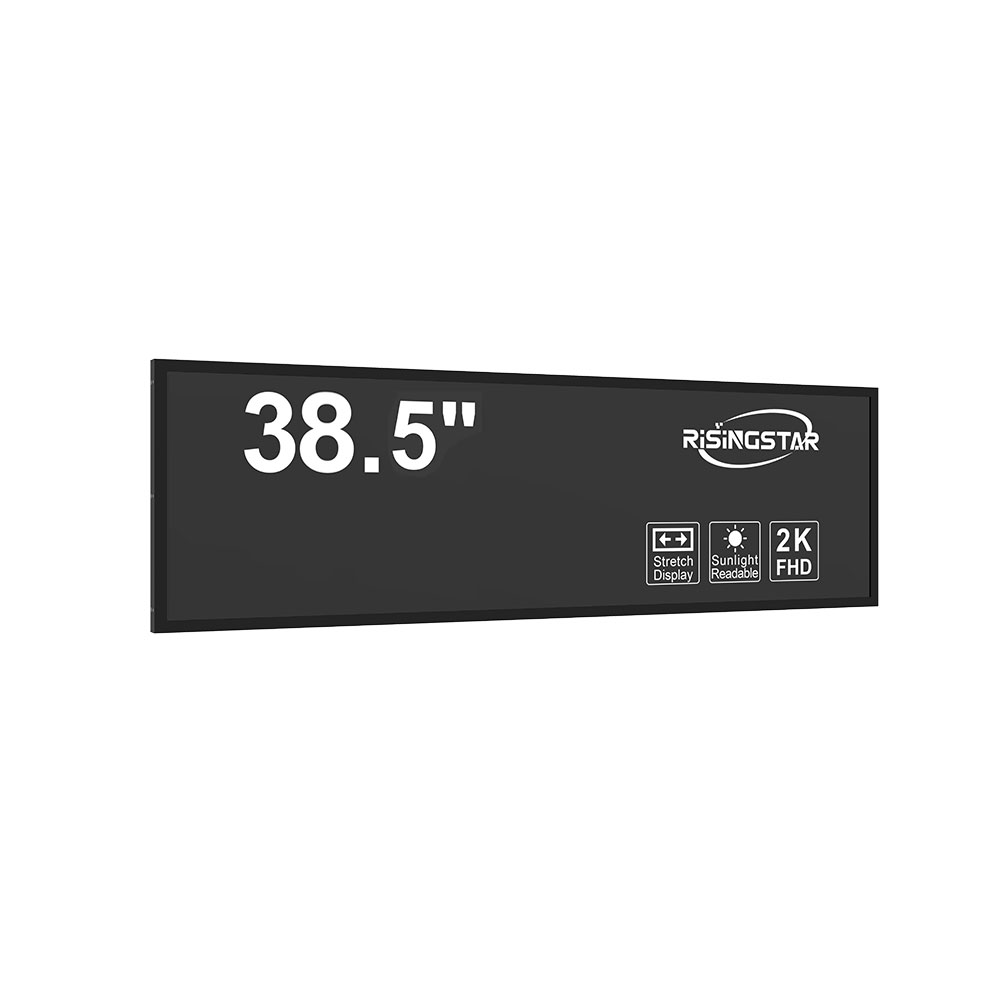
Industry data from Display Supply Chain Consultants (DSCC) shows that demand for high-brightness strip screens has grown by over 15% annually since 2020, driven by global infrastructure projects like smart cities, renewable energy monitoring, and autonomous vehicle interfaces. A case study from Siemens Energy highlights the use of a 48.5-inch strip screen in an offshore wind turbine control system, where operators needed real-time diagnostics under direct sunlight without eye strain or reduced reaction times—an outcome achieved using a 10,000-nit IPS panel with adaptive brightness control.
Manufacturers such as LG Display, BOE Technology, and Eizo prioritize not only luminance but also color accuracy and viewing angles, ensuring consistent performance across different observer positions. Standards like MIL-STD-810G for environmental durability and ISO 9241-3 for visual ergonomics guide design decisions. Additionally, recent innovations in micro-LED and OLED-based strip displays promise higher contrast ratios and lower power consumption, particularly beneficial for battery-powered outdoor devices like drones and portable field sensors.
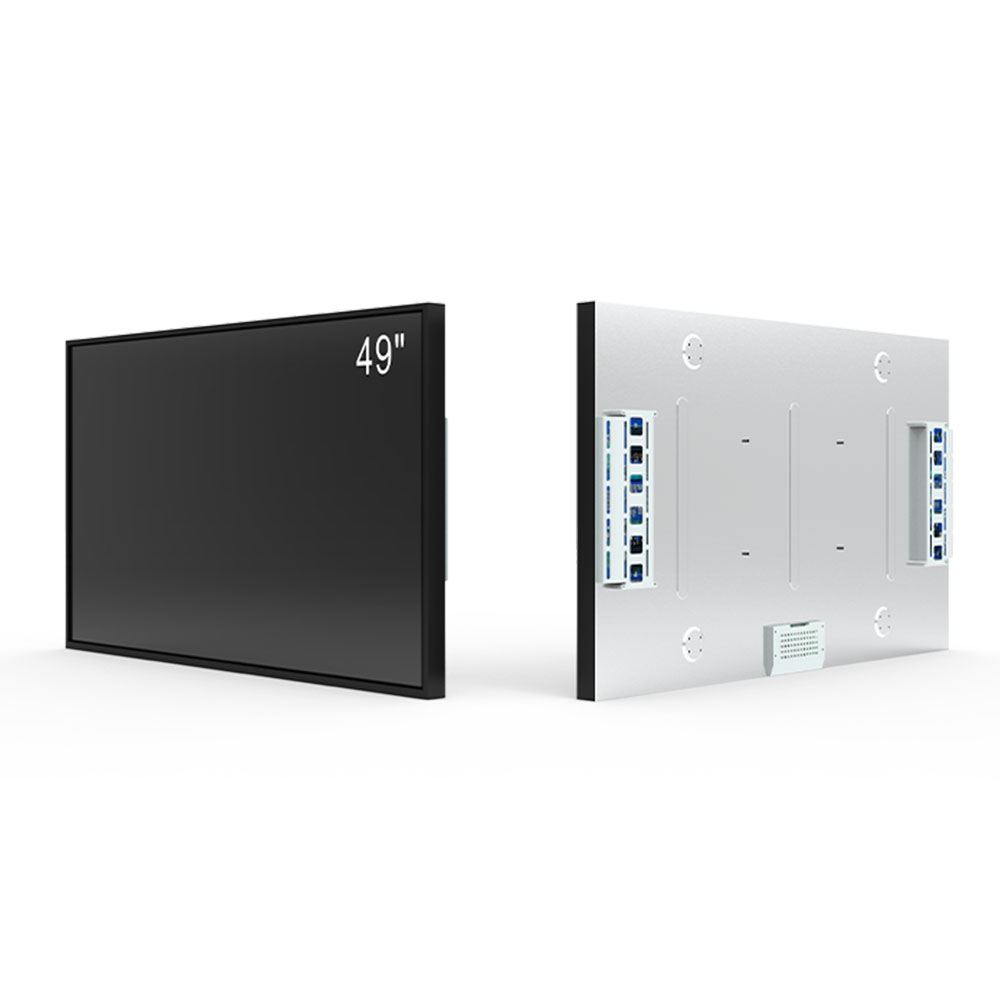
For developers and procurement managers, selecting the right size depends on application context: smaller units (e.g., 14.1"–21.2") suit embedded systems and handheld tools, while larger formats (e.g., 48.3"–86") are ideal for command-and-control centers and large-scale public information kiosks. Proper integration requires understanding factors such as resolution requirements (typically HD or 4K), touch compatibility (with glove-friendly capacitive or resistive layers), and long-term reliability under continuous operation—key considerations when specifying these screens for mission-critical systems.
In summary, the expanding array of strip screen sizes—from 14.1" to 86"—reflects both technological maturity and growing demand for resilient, high-performance displays in increasingly complex outdoor scenarios. As global industries adopt smarter, more connected solutions, sunlight-readable LCDs will remain at the forefront of human-machine interaction in demanding environments.