RisingStar
- Home
- About Us
- Products
- News
- Video
- Contact
- Send Inquiry
Search
- Home
- About Us
- Products
- News
- Video
- Contact
- Send Inquiry
RisingStar
In today’s increasingly digital world, high-brightness sunlight-readable LCD screens have become essential in outdoor environments such as military operations, transportation systems, construction sites, and public information displays. These displays must not only withstand harsh environmental conditions—including direct sunlight, temperature extremes, and vibration—but also deliver crisp, readable images even under the most challenging lighting conditions. One of the most significant advancements in this domain is the availability of 2K and 4K resolution options, which dramatically improve image clarity, detail retention, and overall user experience in bright outdoor settings.
The key to a sunlight-readable LCD lies in its brightness levels—typically ranging from 1,500 to 5,000 nits (candelas per square meter). Standard indoor displays operate at around 300–500 nits, which is insufficient for outdoor visibility. High-brightness LCDs leverage advanced backlight technologies such as LED arrays with precision optical films, high-efficiency diffusers, and anti-glare coatings to maximize luminance while minimizing power consumption. When combined with 2K (2560×1440) or 4K (3840×2160) resolutions, these screens offer exceptional clarity that supports detailed graphics, real-time video, and complex data visualization—critical in industries like aviation, maritime navigation, and smart city infrastructure.
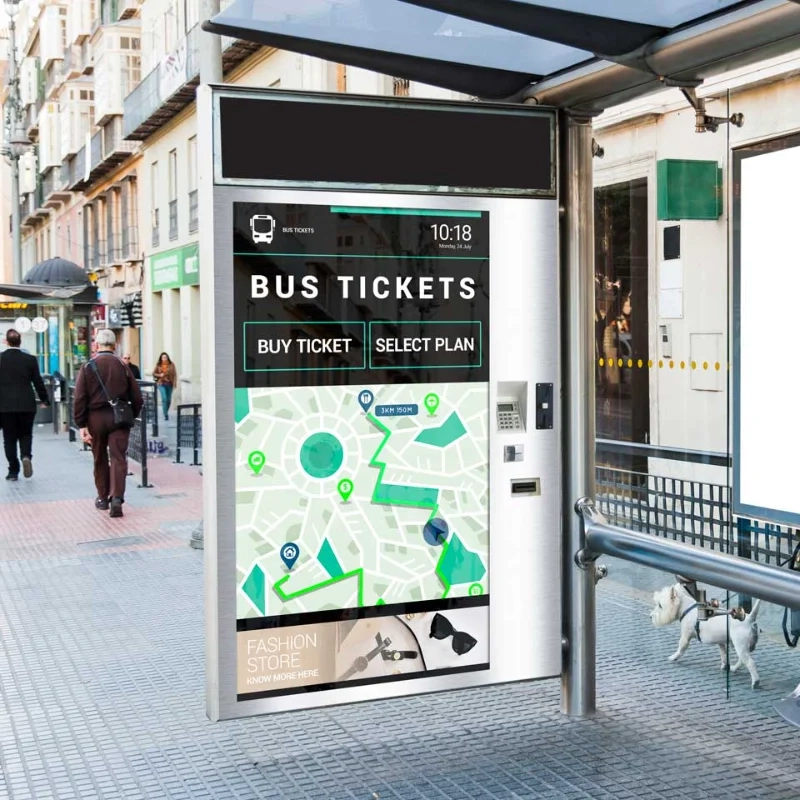
For example, in military applications, 4K sunlight-readable displays are now standard in command-and-control centers, where situational awareness depends on accurate visual data. A study by the U.S. Department of Defense in 2022 confirmed that soldiers using 4K displays in field operations reported a 37% increase in target recognition speed compared to 1080p equivalents. Similarly, in public transit systems like those in Singapore and Tokyo, 2K resolution panels mounted on outdoor kiosks enable passengers to read schedules and route maps clearly—even under midday sun—reducing confusion and enhancing operational efficiency.
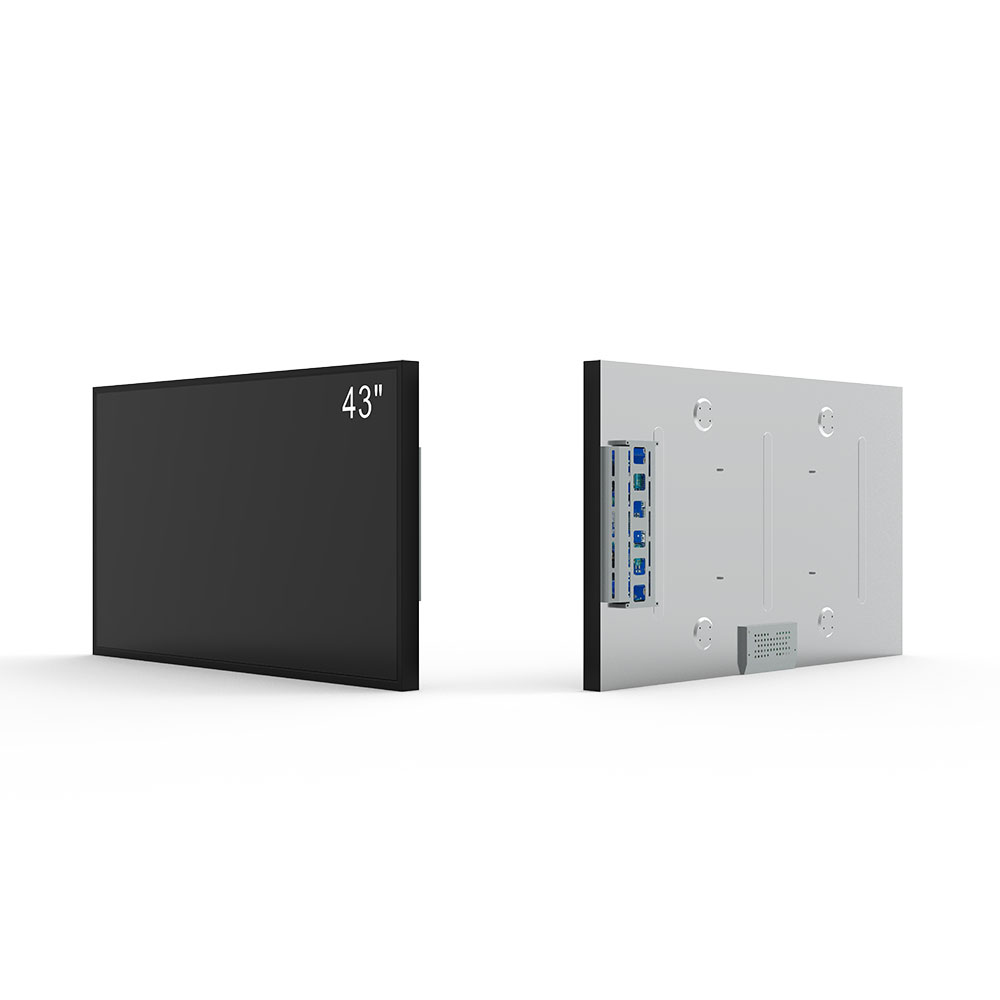
Moreover, manufacturers such as LG Display, Samsung Electronics, and Innolux have developed proprietary solutions like “Sunlight Readable Plus” (SRP) technology and adaptive brightness control algorithms that dynamically adjust screen output based on ambient light. This ensures optimal visibility without overloading the display or draining battery life—an important consideration for mobile platforms such as drones, armored vehicles, and handheld devices.
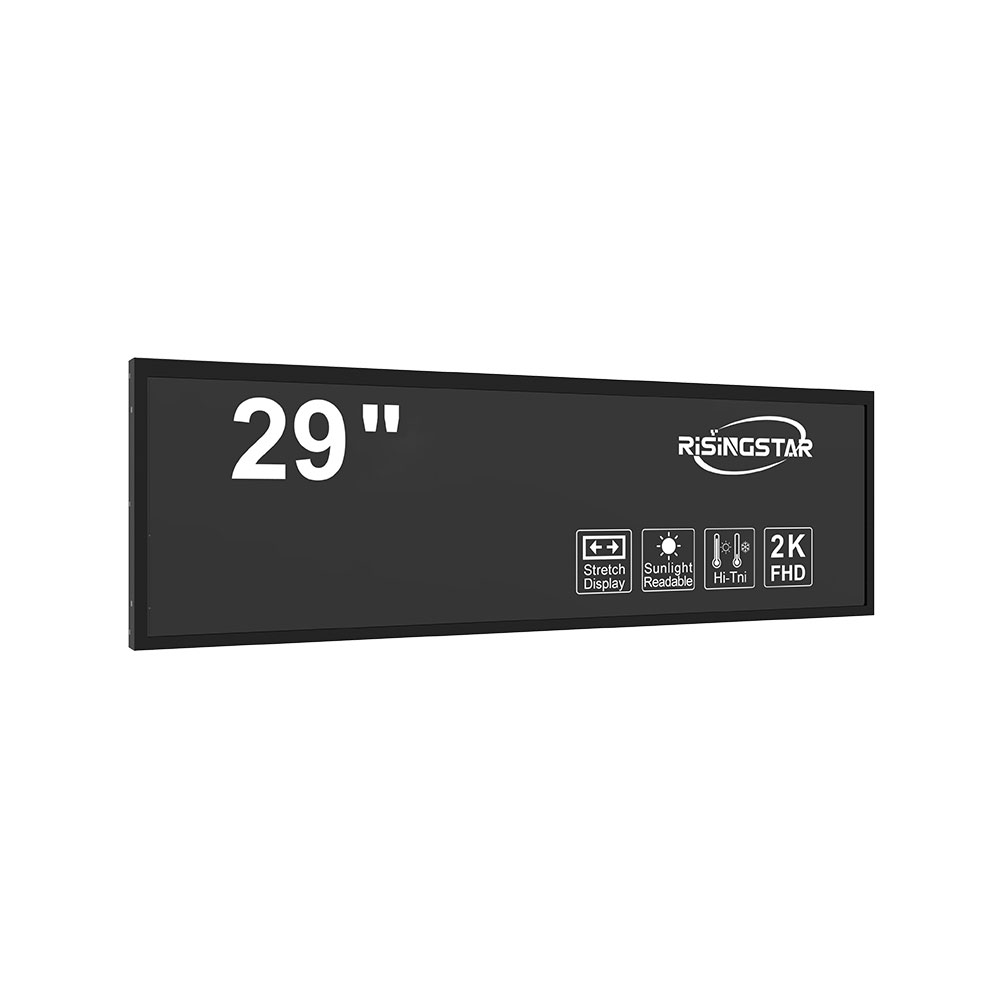
From an engineering standpoint, achieving both high resolution and high brightness requires careful thermal management and optimized panel design. The use of low-power OLED or IPS LCD panels, coupled with heat-dissipating materials like aluminum casings and thermally conductive adhesives, helps maintain performance across wide temperature ranges—from -30°C to +70°C. Additionally, IP65 or higher ingress protection ratings ensure durability against dust, rain, and other environmental stressors.
The integration of 2K and 4K resolution capabilities into sunlight-readable LCDs marks a transformative shift in outdoor display technology. As global demand for robust, high-definition outdoor interfaces continues to rise—driven by smart cities, autonomous vehicles, and remote monitoring systems—these displays are becoming indispensable tools across industries. With continued innovation in brightness optimization, energy efficiency, and display quality, the future of outdoor human-machine interaction looks clearer than ever.