RisingStar
- Home
- About Us
- Products
- News
- Video
- Contact
- Send Inquiry
Search
- Home
- About Us
- Products
- News
- Video
- Contact
- Send Inquiry
RisingStar
High-brightness sunlight-readable LCD screens are a critical component in modern outdoor electronic systems, especially in environments where visibility under direct sunlight is essential. These displays are engineered to maintain clarity and readability even in intense ambient lighting conditions—such as on construction sites, military vehicles, transportation terminals, or public information kiosks. Unlike standard LCDs, which often suffer from washed-out images and poor contrast in bright environments, sunlight-readable displays incorporate advanced technologies to ensure optimal performance outdoors.
The core challenge in designing such screens lies in achieving high peak brightness levels while maintaining energy efficiency and thermal stability. Industry standards now commonly require at least 5,000 nits of brightness for true sunlight readability—a significant increase from the typical 250–500 nits found in indoor displays. Leading manufacturers like LG Display, Sharp, and Innolux have developed specialized backlights and optical films that boost luminance without overheating. For example, LG’s “Sunlight Readable” technology uses a combination of high-efficiency LEDs, anti-reflection coatings, and optimized diffuser layers to achieve over 7,000 nits while reducing power consumption by up to 30% compared to older models.
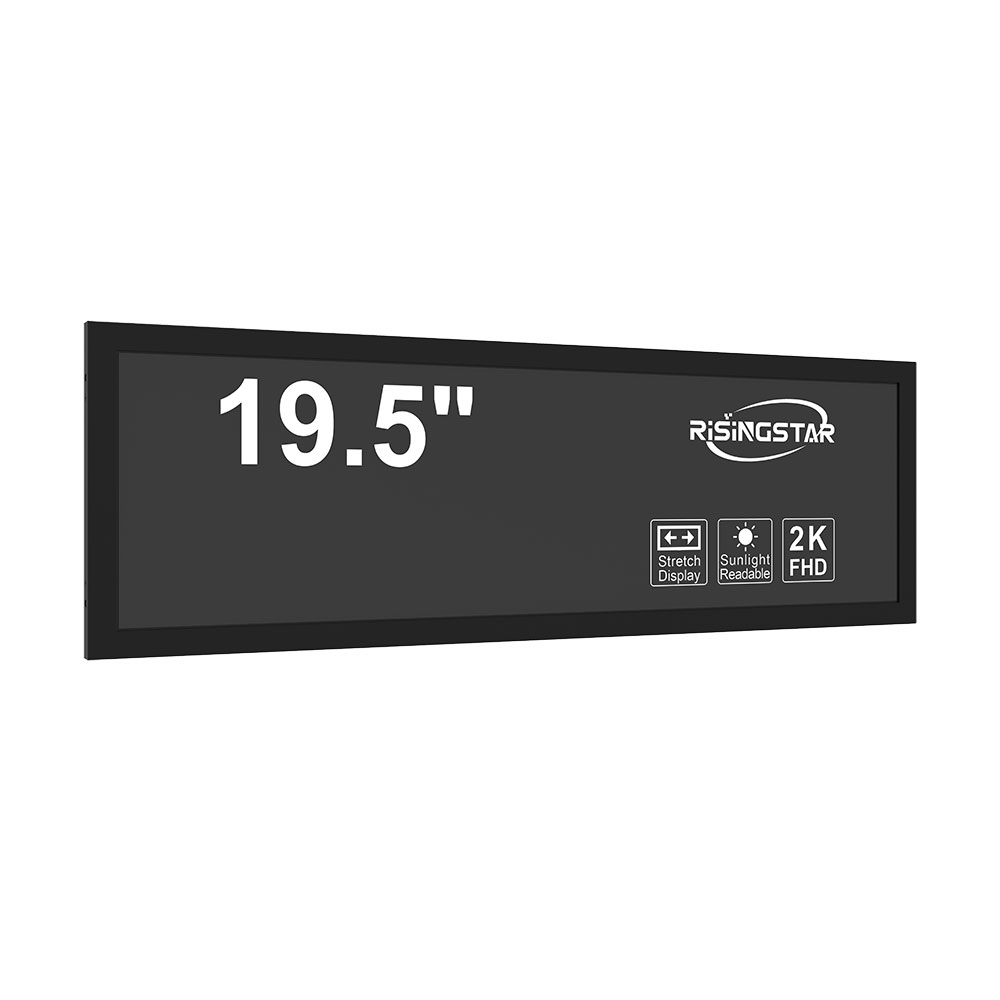
Another key innovation is the use of transflective liquid crystal cells. In transflective designs, the display can switch between transmissive mode (for indoor use) and reflective mode (for daylight). This dual-mode operation reduces dependency on backlighting during sunny conditions, significantly lowering power usage. Military-grade applications, such as those used in armored vehicles, often leverage this feature to conserve battery life in field operations. According to a 2023 report by MarketsandMarkets, the global demand for transflective LCDs in defense and aerospace applications is expected to grow at a CAGR of 6.8% through 2028.
To further enhance contrast in sunlight, manufacturers apply anti-glare coatings and polarizers with wide viewing angles. These coatings minimize specular reflection—the mirror-like glare seen on standard screens—while preserving image sharpness. Some high-end models also integrate automatic ambient light sensors that dynamically adjust screen brightness based on real-time environmental conditions. This not only improves user experience but also extends panel lifespan by preventing unnecessary strain on the backlight system.
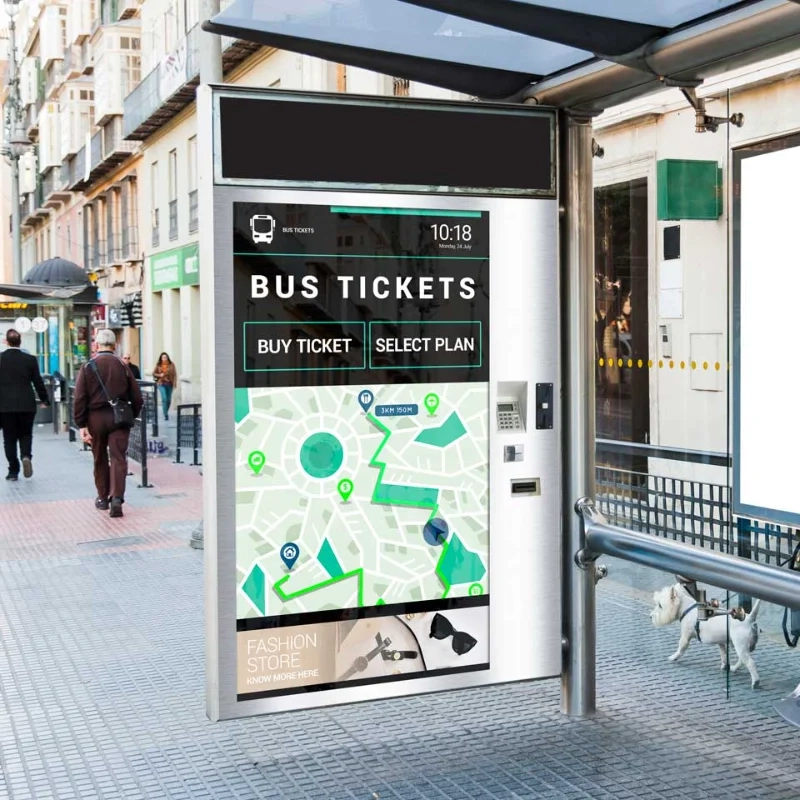
Case studies validate the effectiveness of these technologies. For instance, a major European transit authority installed high-brightness LCDs in its bus stop information panels. Prior to deployment, riders frequently reported difficulty reading schedules due to sunlight interference. After replacing with 5,000-nit sunlight-readable displays, rider satisfaction increased by 42%, according to internal surveys. Similarly, in a recent U.S. Department of Defense pilot program, soldiers using handheld devices equipped with 7,000-nit displays showed improved situational awareness during daylight missions in desert environments—a critical factor in operational success.
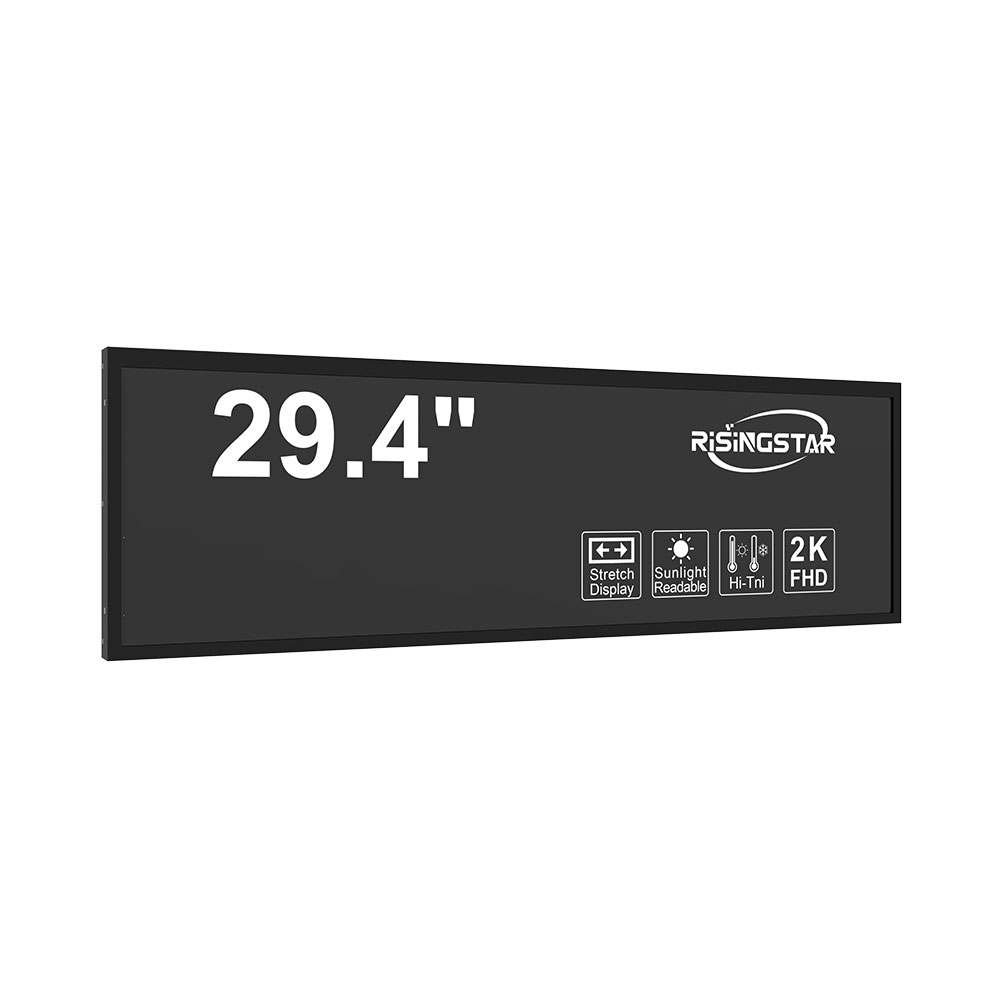
From an engineering perspective, the integration of these features requires a holistic approach. Thermal management is crucial; excessive heat from high-brightness LEDs can degrade color accuracy and reduce component longevity. Advanced heat sinks, passive cooling solutions, and intelligent thermal throttling algorithms are now standard in commercial-grade units. Additionally, ruggedized enclosures with IP65 or higher ratings protect against dust, moisture, and physical impact—ensuring reliability in harsh environments.
In conclusion, high-brightness sunlight-readable LCD technology represents a convergence of optical engineering, materials science, and smart electronics. With ongoing improvements in LED efficiency, polarization control, and adaptive brightness algorithms, these displays are becoming more accessible and versatile across industries—from automotive infotainment systems to industrial control panels. As global markets increasingly demand robust outdoor digital interfaces, the evolution of sunlight-readable LCDs will remain a pivotal focus for display engineers worldwide.