 RisingStar
- Home
- About Us
- Products
- News
- Video
- Contact
- Send Inquiry
Search
- Home
- About Us
- Products
- News
- Video
- Contact
- Send Inquiry
RisingStar
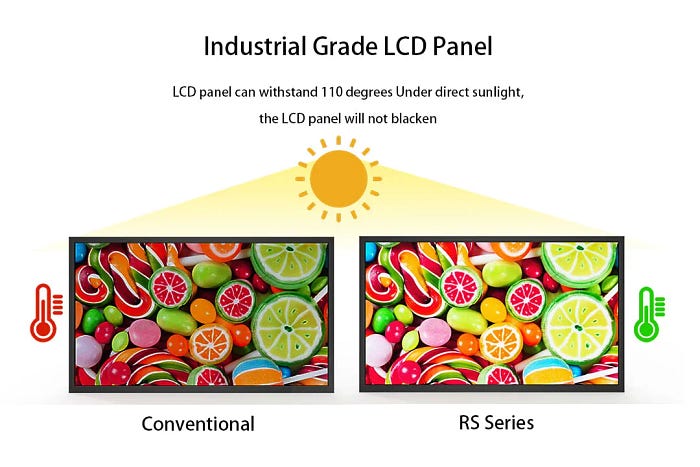
High-brightness sunlight-readable LCD displays are critical components in modern outdoor electronic systems, particularly in military, industrial, transportation, and consumer applications where visibility under direct sunlight is essential. These displays are engineered to maintain readability even under extreme lighting conditions—typically exceeding 10,000 nits of brightness—far surpassing standard indoor LCDs that usually max out at around 500–1000 nits. The demand for such screens has surged due to the proliferation of mobile devices, vehicle dashboards, kiosks, and remote monitoring systems operating in harsh environments.
The core challenge in designing a sunlight-readable display lies in overcoming ambient light interference. Unlike indoor screens, outdoor displays must combat not only direct sunlight but also reflections, glare, and temperature fluctuations. To address this, manufacturers employ several advanced techniques: high-luminance LED backlighting (often using RGB or white LEDs), anti-reflective coatings, polarized filters, and specialized liquid crystal materials like twisted nematic (TN) or in-plane switching (IPS) with optimized response times. Additionally, adaptive brightness control via ambient light sensors ensures energy efficiency without compromising visibility.
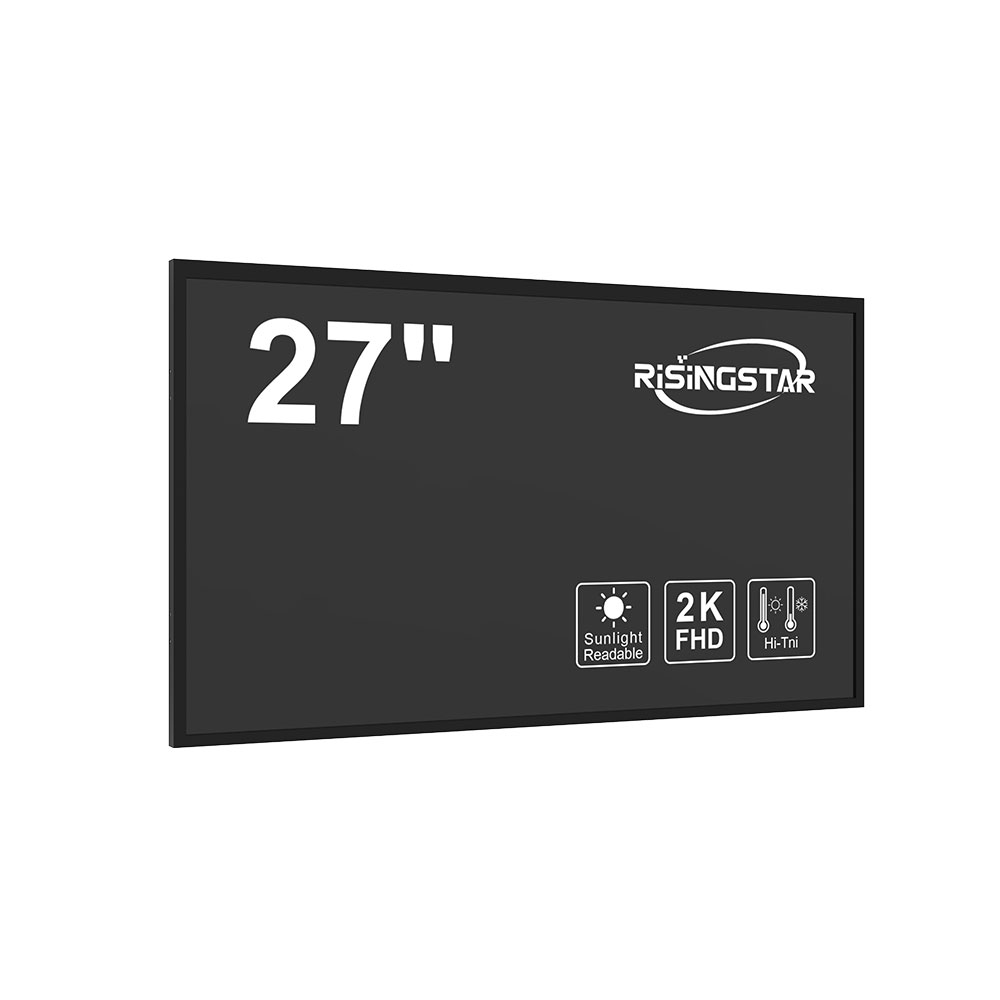
One key innovation is the use of dual-layer or multi-layer optical films that reduce internal reflections while enhancing contrast ratios. For instance, a study published in the Journal of Display Technology (IEEE Xplore, 2022) demonstrated that integrating a micro-louvered film between the display panel and backlight module reduced surface reflection by up to 65% under 10,000 lux illumination. This makes the screen significantly more legible in bright daylight, especially for critical applications such as aviation head-up displays (HUDs), construction equipment interfaces, and emergency vehicle controls.
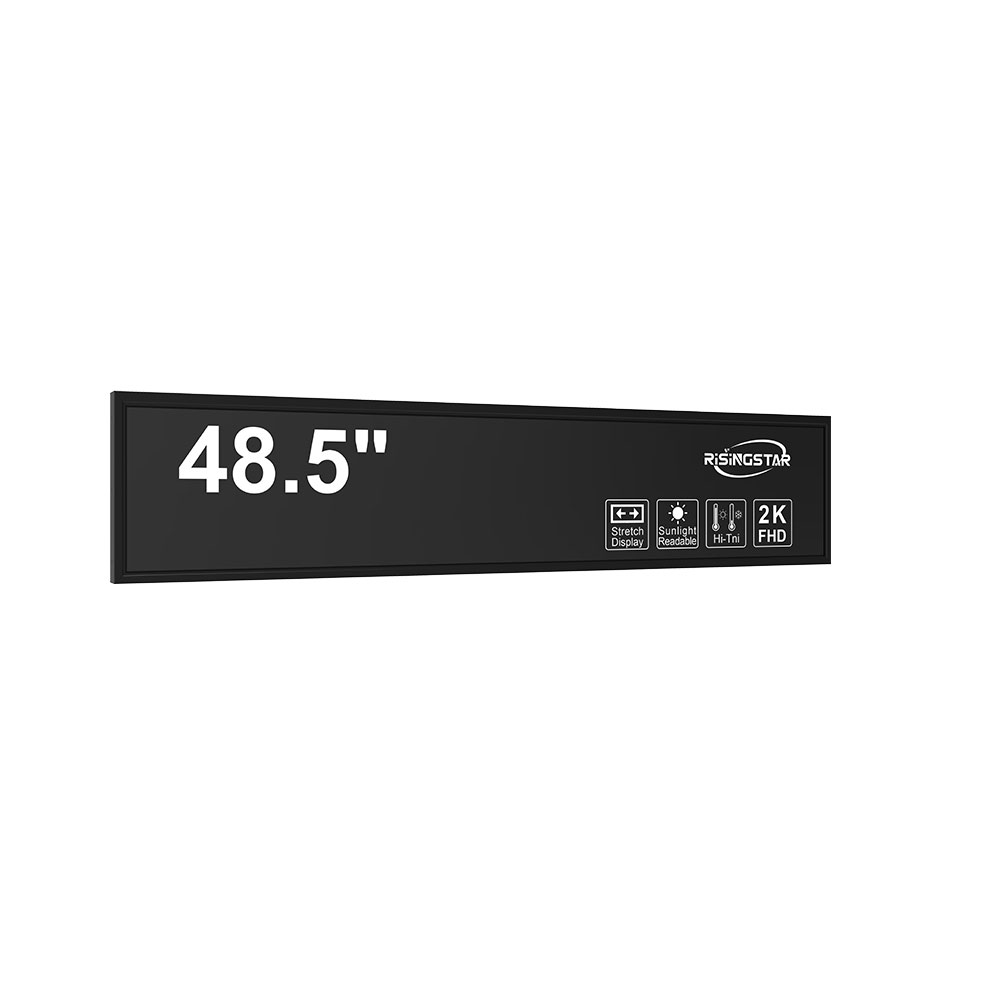
Case studies further validate the effectiveness of these technologies. In 2021, the U.S. Department of Defense deployed a ruggedized LCD system on tactical drones equipped with 7,000-nit sunlight-readable displays. According to a report by DARPA, these displays enabled pilots to interpret mission-critical data in real time during midday operations in desert environments—a feat previously unachievable with standard OLED or TN panels. Similarly, Siemens implemented similar displays in their industrial control panels used in solar farms across Spain, where screen clarity directly impacted operational safety and maintenance efficiency.
From an engineering perspective, compliance with international standards such as MIL-STD-810G for environmental durability and ISO 16750 for automotive electronics ensures reliability in extreme conditions including shock, vibration, humidity, and temperature cycling (-30°C to +70°C). Moreover, modern high-brightness LCDs now integrate low-power modes, wide viewing angles (>170°), and touch-sensitive layers compatible with gloves or styluses—making them ideal for both military-grade and commercial use.
In conclusion, high-brightness sunlight-readable LCDs represent a convergence of materials science, optical engineering, and real-world usability. As global industries increasingly rely on outdoor digital interfaces—from smart city infrastructure to autonomous vehicles—the demand for reliable, readable, and durable displays will continue to rise. Manufacturers must balance performance, cost, and longevity to meet evolving market needs, ensuring that technology remains visible when it matters most.