 RisingStar
- Home
- About Us
- Products
- News
- Video
- Contact
- Send Inquiry
Search
- Home
- About Us
- Products
- News
- Video
- Contact
- Send Inquiry
RisingStar
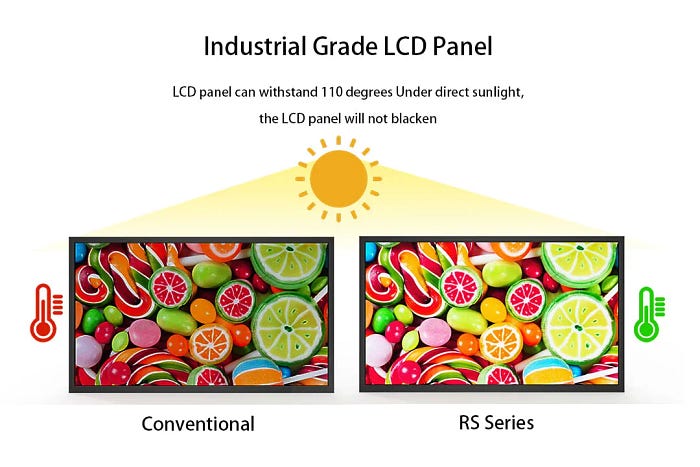
In the rapidly evolving world of display technology, high-brightness sunlight-readable LCD screens have emerged as a critical enabler for outdoor and industrial applications where visibility under direct sunlight is non-negotiable. These specialized displays are engineered to deliver exceptional clarity, contrast, and readability even in harsh lighting conditions—ranging from bright midday sun (over 100,000 lux) to low-light environments. Unlike standard LCDs found in consumer electronics, which often become unusable in daylight due to glare and washed-out colors, sunlight-readable LCDs employ advanced optical, thermal, and electronic design strategies to ensure consistent performance across diverse environmental challenges.
The core challenge in designing such displays lies in balancing brightness, power consumption, and durability. Traditional LCDs typically operate at 250–350 cd/m² (candela per square meter), but sunlight-readable versions must exceed 5,000 cd/m²—often reaching up to 10,000 cd/m² or more—to overcome ambient light interference. This increase in luminance requires sophisticated backlighting solutions, such as high-efficiency LED arrays with diffusers, micro-lens optics, and active brightness control algorithms. According to industry reports from Display Supply Chain Consultants (DSCC), over 60% of new industrial and military-grade displays now incorporate high-brightness features, driven by demand from sectors like transportation, defense, agriculture, and smart infrastructure.
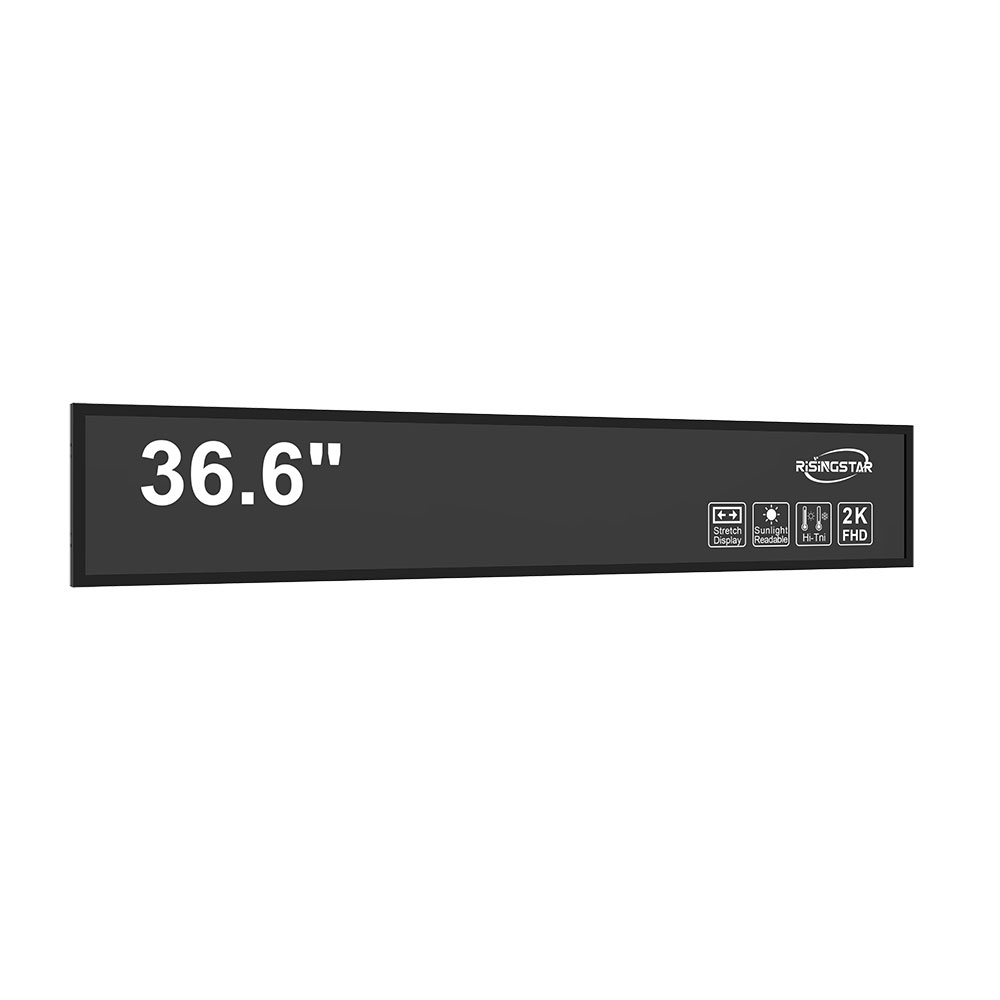
One of the most significant technological breakthroughs enabling high-brightness performance is the use of transflective liquid crystal cells. Transflective displays combine reflective and transmissive modes: during daytime, they utilize ambient light via internal reflectors (similar to e-readers), reducing power draw; at night, they switch to full-transmission mode powered by LEDs. This dual-mode operation not only improves energy efficiency but also enhances contrast ratios—often exceeding 10,000:1—which is essential for readability in both bright and dim environments. For example, the U.S. Department of Defense has standardized on transflective displays for battlefield communication devices, citing improved battery life and reduced heat generation compared to conventional emissive screens.
Another key innovation is the integration of anti-glare coatings and polarization layers. These optical treatments minimize surface reflections by scattering incident light rather than allowing it to bounce back into the viewer’s eyes. Manufacturers like Sharp, LG Display, and Innolux now routinely apply nano-textured glass surfaces combined with multi-layer polarizers that reduce specular reflection by up to 95%. This level of anti-reflection capability ensures that operators in aviation cockpits, construction sites, or mobile command units can read critical data without squinting or adjusting angles—a major safety and operational benefit.
Thermal management also plays a pivotal role in maintaining long-term reliability. High-brightness LEDs generate substantial heat, especially when operating continuously in hot climates. To address this, modern designs incorporate passive cooling systems such as aluminum heat sinks, thermally conductive adhesives, and even active airflow mechanisms in ruggedized enclosures. A case study published in IEEE Transactions on Components, Packaging and Manufacturing Technology (2023) demonstrated that integrating a phase-change material (PCM)-based thermal buffer in a 7-inch sunlight-readable display extended its operational lifespan by 40% under 45°C ambient temperatures—a critical metric for deployment in desert regions or tropical settings.
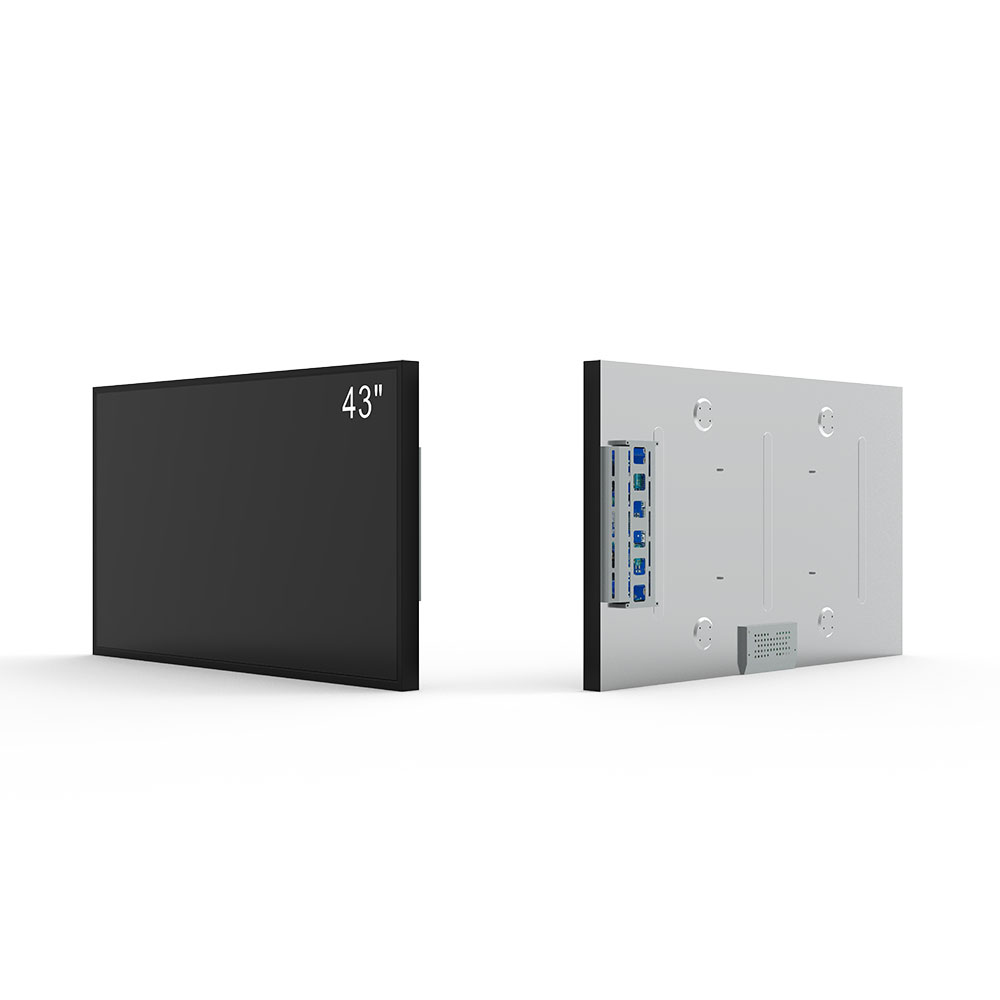
Furthermore, the adoption of wide-view angle technologies (e.g., IPS, AHVA, and MVA panels) ensures that users viewing the screen from oblique angles—common in vehicles, aircraft, or public kiosks—still experience accurate color reproduction and minimal image distortion. In one field test conducted by Bosch Rexroth for heavy machinery controls, an IPS-based sunlight-readable LCD maintained >90% color accuracy at ±60° viewing angles, outperforming older TN panels that suffered from severe hue shifts and loss of contrast.
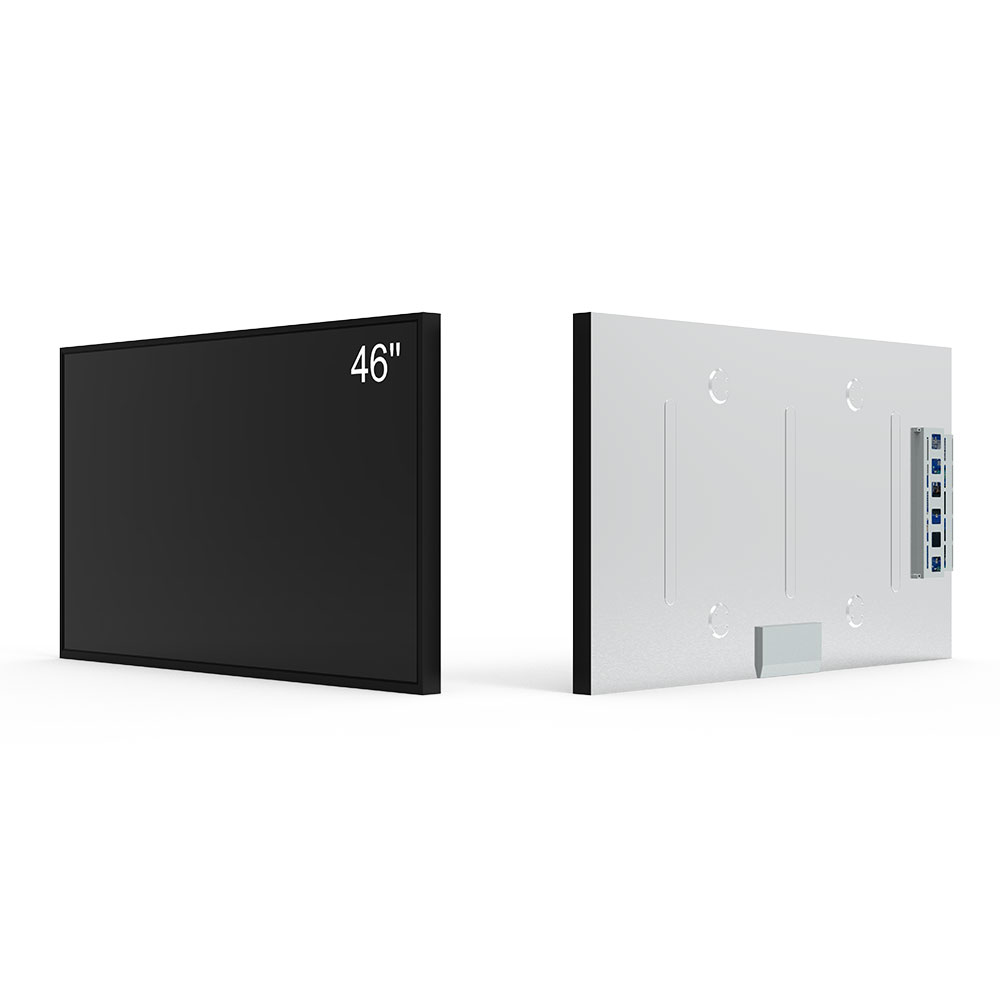
From a manufacturing perspective, the production of high-brightness sunlight-readable LCDs involves tighter tolerances in pixel pitch, uniformity, and alignment. Companies like BOE Technology and AU Optronics have invested heavily in automated optical inspection (AOI) systems and AI-driven quality control to reduce defects and improve yield rates. The result is a product line that meets stringent standards such as MIL-STD-810G for shock/vibration resistance, IP65/IP67 ratings for dust/water ingress protection, and ISO 16750 for automotive environmental resilience—all crucial for real-world deployment.
Industries leveraging these displays include:
- Aviation: Flight decks require reliable readability at altitudes where solar intensity exceeds 80,000 lux.
- Maritime Navigation: Ships in open seas rely on marine-grade LCDs that resist saltwater corrosion and UV degradation.
- Military Operations: Battlefield radios, drones, and vehicle-mounted displays must function in extreme weather and lighting conditions.
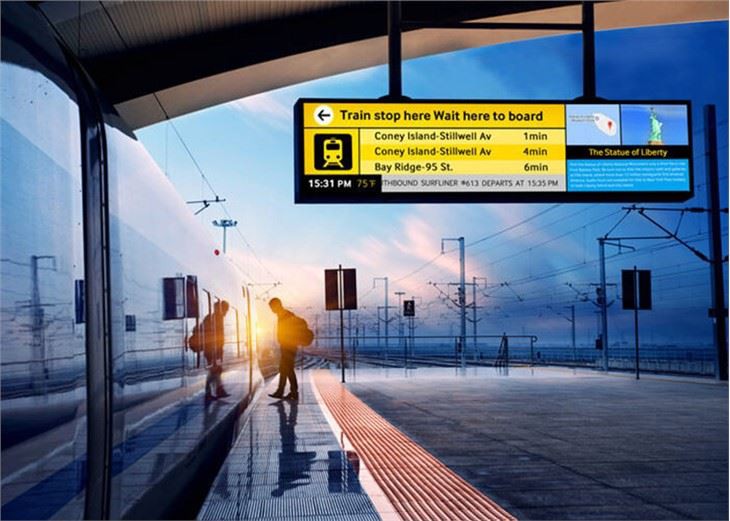
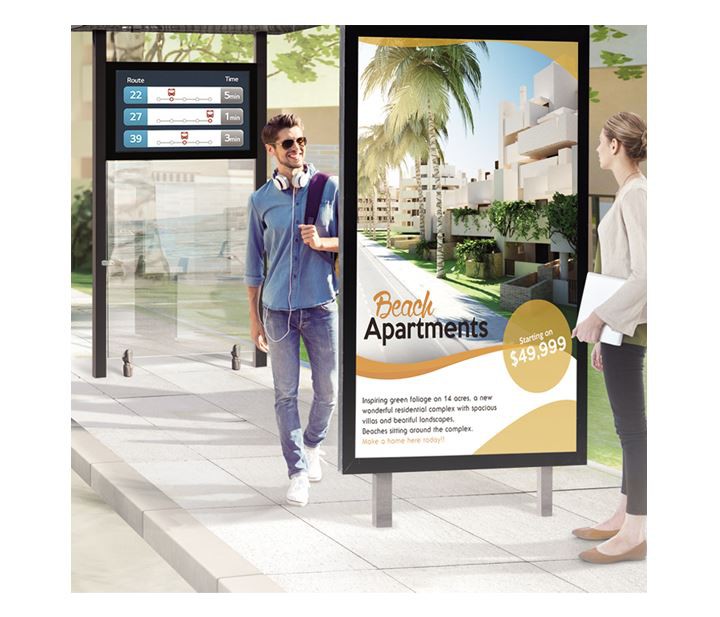
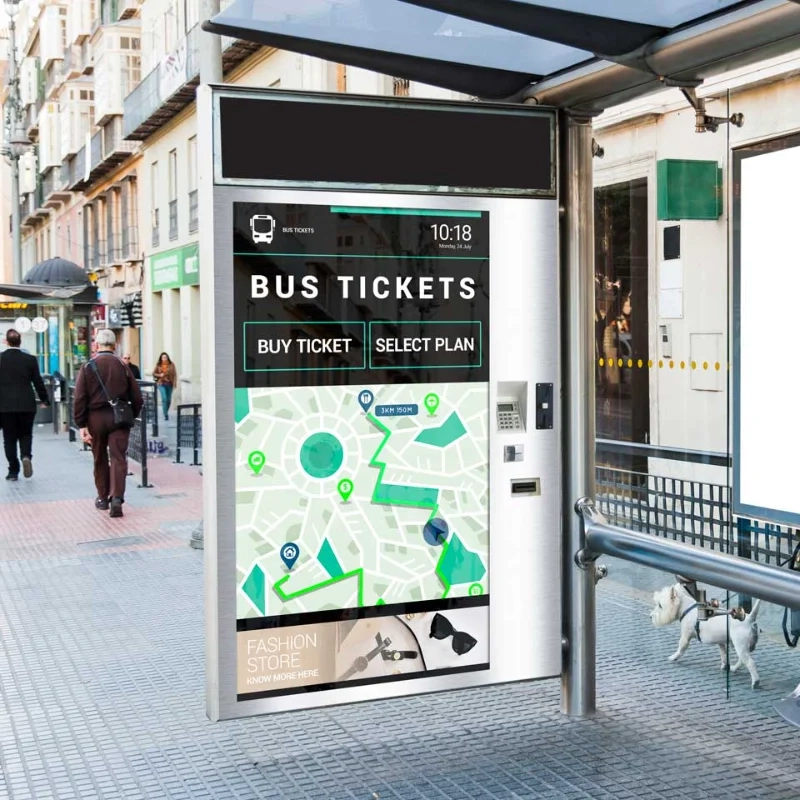
- Smart Infrastructure: Public transit information boards, traffic signal controllers, and utility meters benefit from always-on visibility.
- Agriculture: Precision farming equipment uses these screens to monitor GPS data, soil sensors, and crop health indicators in broad daylight.
Recent advancements in OLED-based sunlight-readable displays are pushing boundaries further. While traditional LCDs dominate due to cost-effectiveness and maturity, OLEDs offer deeper blacks, faster response times, and flexible form factors. However, achieving sufficient brightness (>5,000 cd/m²) without premature aging remains a challenge. Researchers at the University of Cambridge (2024) recently reported progress using quantum dot-enhanced OLEDs that boost brightness while extending lifetime—marking a potential shift toward hybrid or next-gen solutions in the coming decade.
In conclusion, high-brightness sunlight-readable LCD screens represent a convergence of materials science, optical engineering, and embedded systems design. Their continued evolution supports mission-critical applications across global industries, ensuring that information remains accessible regardless of environmental extremes. As smart cities expand and autonomous systems proliferate, the demand for robust, human-centric display solutions will only grow—making this technology not just an enhancement, but a necessity for the future.