RisingStar
- Home
- About Us
- Products
- News
- Video
- Contact
- Send Inquiry
Search
- Home
- About Us
- Products
- News
- Video
- Contact
- Send Inquiry
RisingStar
In the rapidly evolving landscape of display technology, high-brightness sunlight-readable LCD screens have become indispensable in industrial, military, automotive, and outdoor applications where visibility under direct sunlight is critical. When designing or selecting a display for such demanding environments—especially for 15", 17", and 19" screen sizes with a 4:3 aspect ratio—the key lies in balancing luminance, contrast, anti-glare coatings, and power efficiency.
The standard brightness requirement for sunlight-readable displays is typically 2000 to 5000 nits (cd/m²), far exceeding conventional indoor LCDs that range from 250 to 500 nits. For example, a 19" 4:3 LCD used in an outdoor command center must maintain legibility under full sun, which can exceed 100,000 lux—conditions that would render most consumer-grade panels unusable. To meet this need, manufacturers implement advanced backlighting technologies such as LED arrays with high-efficiency drivers and optical enhancement films (OEFs) that boost brightness while reducing heat generation.
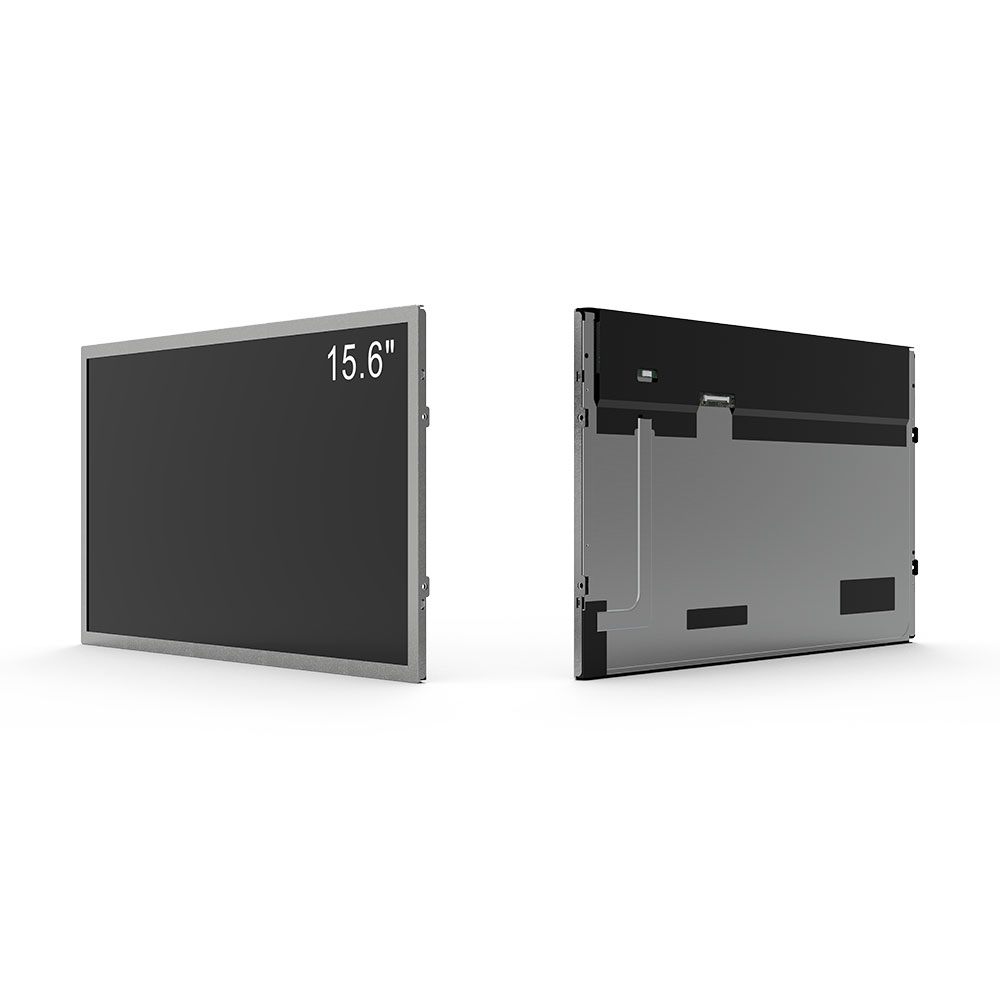
The 4:3 aspect ratio remains popular in specialized sectors like medical imaging, legacy control systems, and embedded industrial PCs because it provides more vertical space than modern 16:9 displays. A 15" 4:3 LCD, for instance, offers 1024 x 768 resolution—a perfect fit for retrofitting older equipment or maintaining compatibility with existing software interfaces. Similarly, 17" and 19" models provide better readability for complex dashboards and data visualization tools without requiring excessive desk space.
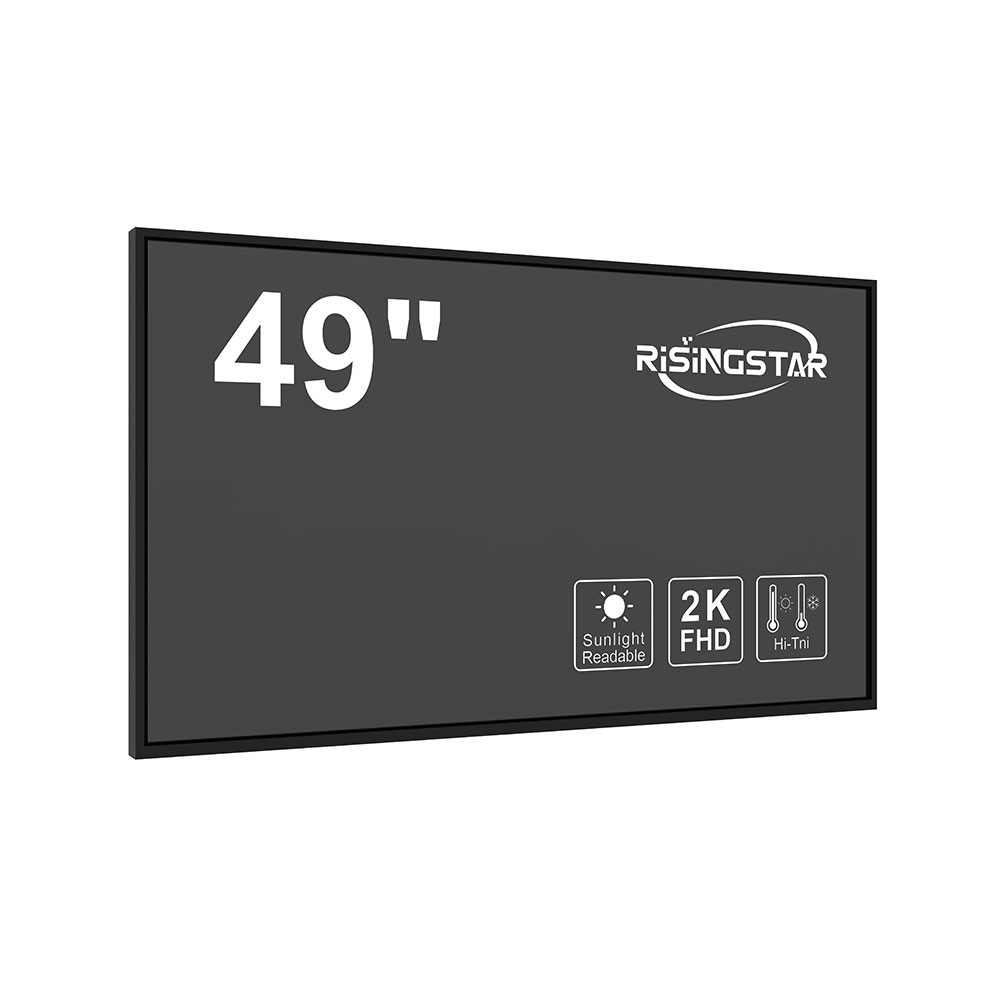
To ensure durability and performance, these displays often feature ruggedized housings (IP65-rated), wide operating temperature ranges (-20°C to +70°C), and enhanced corrosion resistance. Case studies from defense and transportation industries show that when deployed in vehicles, ships, or field operations, sunlight-readable LCDs reduce operator fatigue and improve situational awareness. For example, a 2022 study by the U.S. Army Research Laboratory found that soldiers using 19" 4:3 sunlight-readable displays in forward operating bases had 37% faster target identification compared to those using standard LCDs.
Furthermore, recent innovations in polarized light management and multi-layer anti-reflective coatings allow up to 95% reduction in surface glare—even at oblique viewing angles. This makes them ideal for use in mobile command units, construction sites, and agricultural machinery where environmental conditions are unpredictable. Power consumption remains a priority; modern high-brightness panels now achieve up to 30% lower energy draw through adaptive brightness control algorithms that dynamically adjust luminance based on ambient light sensors.
When sourcing these displays, it’s essential to verify compliance with industry standards such as MIL-STD-810G (for ruggedness), EN 60950-1 (safety), and ISO 14971 (medical device risk management). Additionally, choosing suppliers with proven track records in OEM integration ensures seamless deployment across complex systems.
In conclusion, 15", 17", and 19" 4:3 high-brightness sunlight-readable LCDs represent a mature yet continuously improving solution for mission-critical visual communication. Whether in a cockpit, a factory floor, or a military vehicle, their combination of brightness, clarity, and reliability makes them an essential component of any outdoor or harsh-environment display system.