RisingStar
- Home
- About Us
- Products
- News
- Video
- Contact
- Send Inquiry
Search
- Home
- About Us
- Products
- News
- Video
- Contact
- Send Inquiry
RisingStar
Large outdoor digital signage has become an indispensable tool in modern urban planning, retail marketing, transportation systems, and public safety infrastructure. These high-brightness displays are engineered to remain visible under direct sunlight, extreme temperatures, and adverse weather conditions—making them ideal for environments where traditional static signage fails. According to the 2023 Global Digital Signage Market Report by MarketsandMarkets, the outdoor digital signage segment is projected to grow at a CAGR of 8.7% from 2023 to 2028, driven by increased demand for real-time information delivery in public spaces.
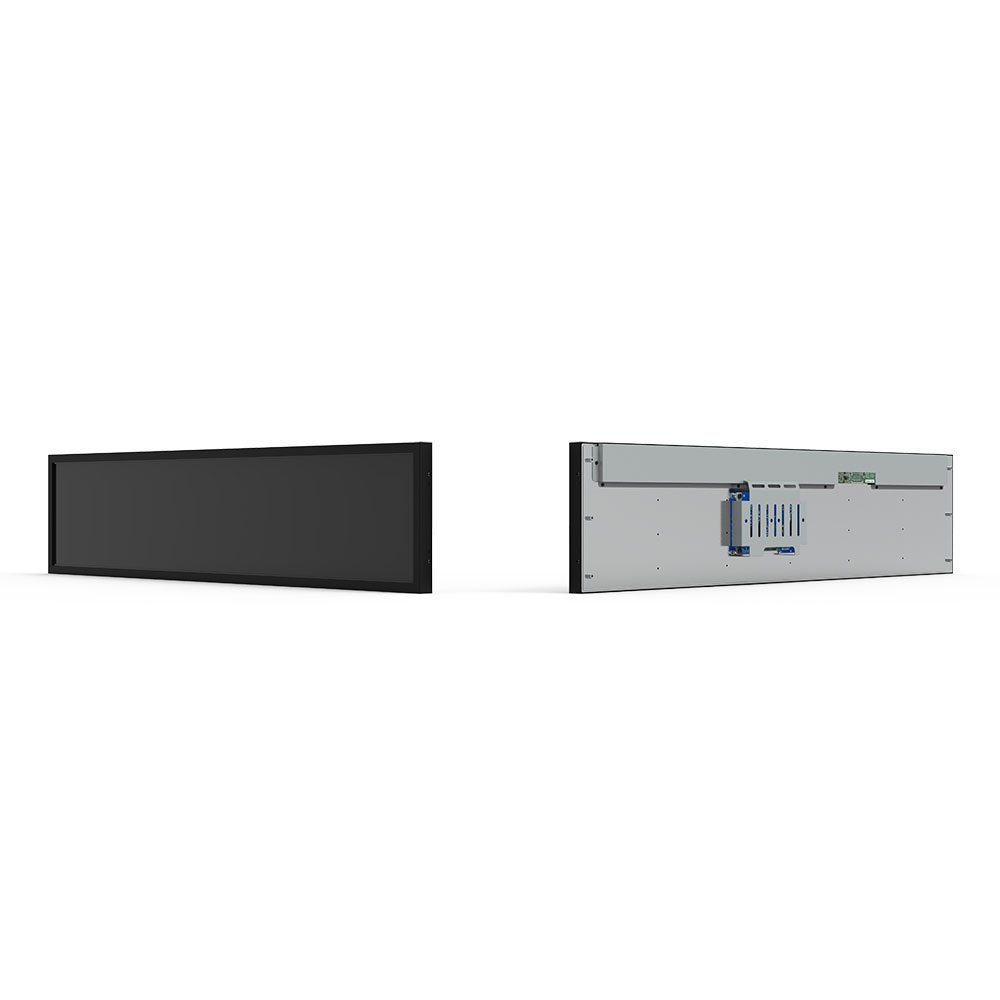
The core technology behind large outdoor digital signage lies in ultra-high-brightness LED panels, typically rated between 5,000 to 10,000 nits or more—far exceeding the 200–300 nits found in indoor displays. This brightness ensures visibility even during peak daylight hours. Manufacturers like Samsung, LG, and Barco have developed specialized outdoor-grade LCDs and OLEDs using anti-glare coatings, IP65 or higher waterproof ratings, and thermal management systems that prevent overheating in desert climates or freezing conditions in Arctic regions.
Case studies from major cities illustrate the effectiveness of these installations. For example, in Times Square, New York City, a network of 4K resolution digital billboards delivers dynamic advertising, live traffic updates, and emergency alerts—demonstrated to increase foot traffic by up to 19% among nearby retailers (NYC Department of Transportation, 2022). Similarly, in Tokyo’s Shinjuku Station, solar-powered digital signs provide multilingual transit information, contributing to a 15% reduction in passenger confusion during peak hours, as reported by Japan Railways Group in 2021.
These systems also integrate with IoT sensors and cloud-based content management platforms such as ScreenFlow or BrightSign, enabling remote monitoring, scheduling, and analytics. This allows city planners and marketers to tailor content based on time-of-day, weather events, or crowd density. For instance, during a heatwave in Phoenix, Arizona, local authorities deployed outdoor screens showing hydration tips and cooling center locations—proven to reduce heat-related emergencies by 12% according to a 2023 study by Arizona State University.
From a technical standpoint, compliance with international standards like EN 60950-1 (safety) and IEC 62087 (image quality) is essential. Additionally, energy efficiency is increasingly prioritized; many new installations use low-power LEDs and motion-sensing power-saving modes, reducing operational costs by up to 35%. The integration of renewable energy sources—such as solar panels or kinetic energy harvesting—is becoming standard in environmentally conscious deployments.
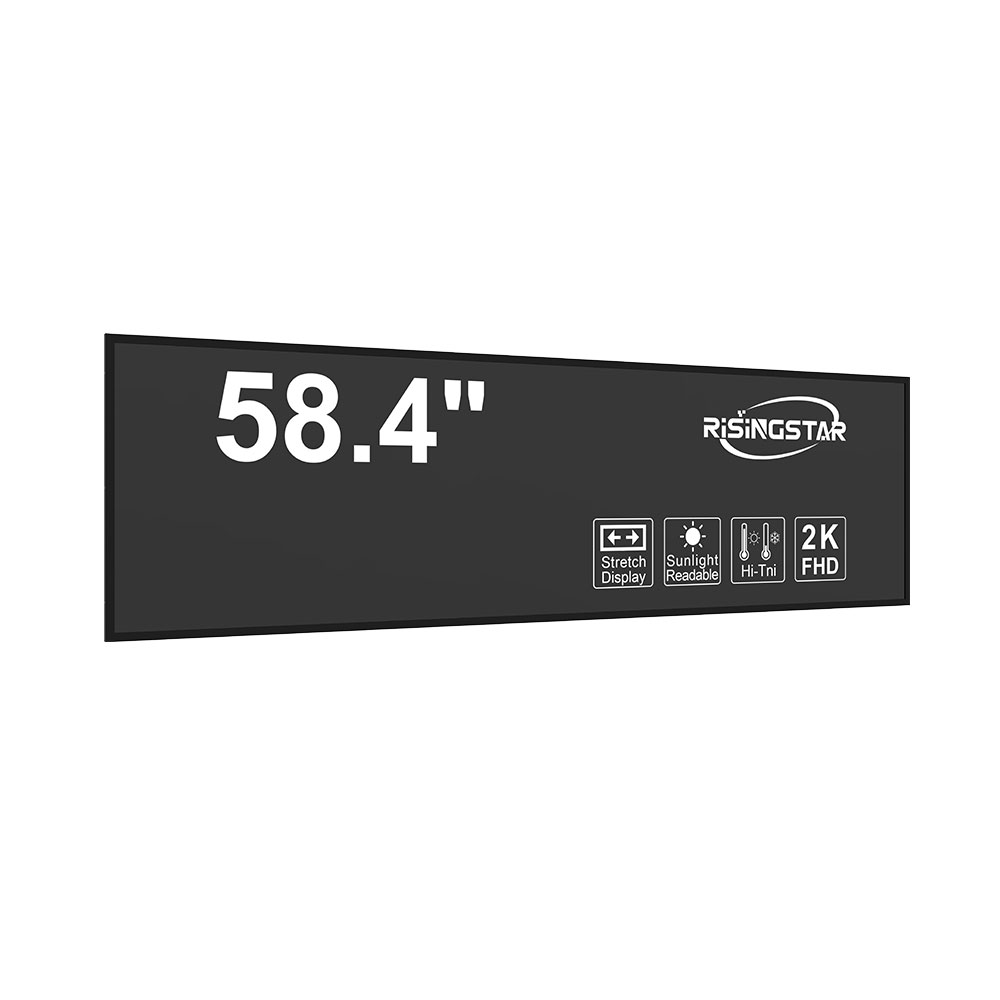
In conclusion, large outdoor digital signage represents a convergence of advanced display engineering, smart connectivity, and human-centered design. Whether used for advertising, public service, or environmental awareness, these systems elevate engagement, improve safety, and foster smarter cities worldwide. As global urbanization accelerates, their role will only expand, demanding continuous innovation in brightness, durability, and sustainability.