RisingStar
- Home
- About Us
- Products
- News
- Video
- Contact
- Send Inquiry
Search
- Home
- About Us
- Products
- News
- Video
- Contact
- Send Inquiry
RisingStar
High-brightness sunlight-readable LCD screens have become essential in modern outdoor, industrial, military, and transportation applications where visibility under direct sunlight is critical. These displays are engineered to maintain clarity and readability even under extreme lighting conditions—such as bright daylight, high ambient temperatures, and varying weather environments. The display ratios of 16:9 are widely adopted across various screen sizes—from compact 10.1-inch units used in handheld devices to massive 110-inch panels deployed in public information systems.
For instance, a 13.3-inch 16:9 display commonly found in ruggedized tablets and mobile command units must achieve brightness levels of at least 5,000 nits to ensure legibility under full sun, far exceeding the typical 300–500 nits of standard indoor monitors. Similarly, larger screens like 27-inch and 32-inch models used in control rooms or vehicle dashboards often require active backlighting with LED arrays optimized for high luminance (up to 10,000 nits) combined with anti-reflective coatings and polarized glass to minimize glare.
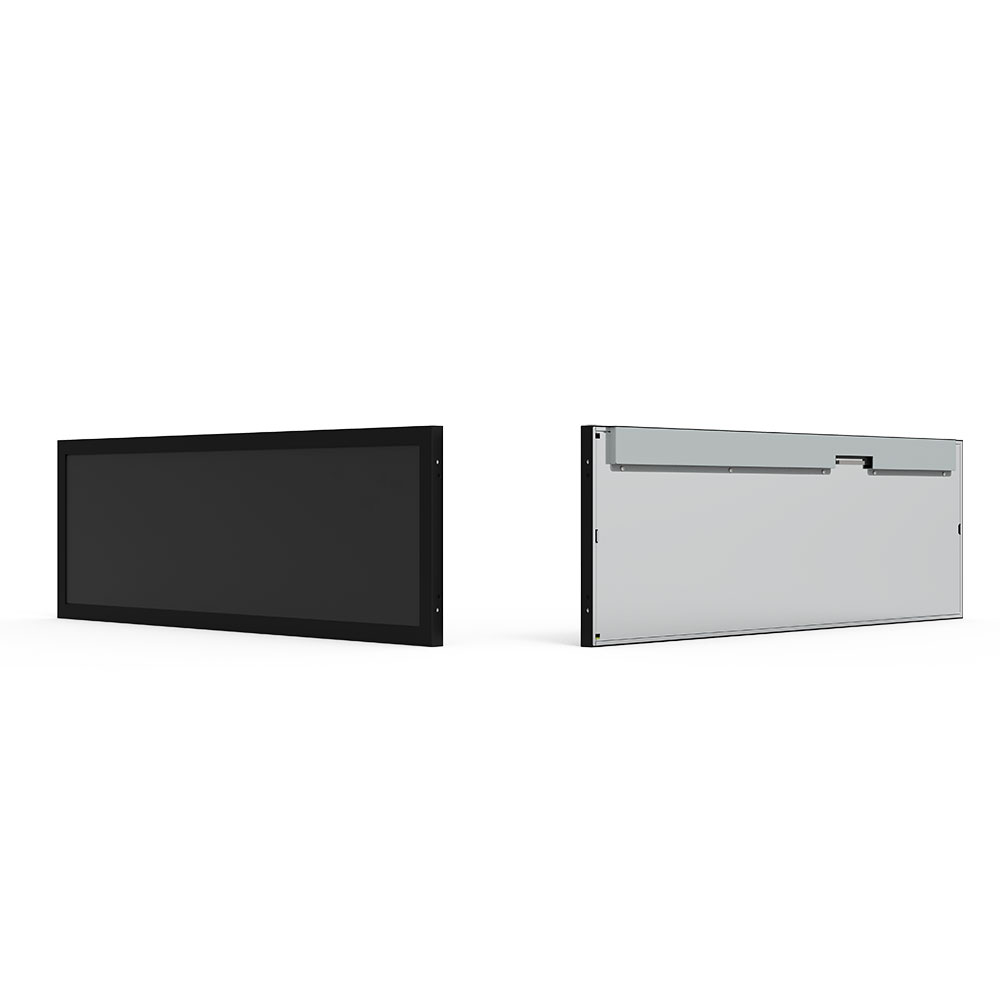
According to the International Electrotechnical Commission (IEC) standard IEC 62301, sunlight-readable displays must maintain contrast ratios above 10:1 under 100,000 lux illumination—a level equivalent to direct midday sunlight. This standard guides manufacturers such as Sharp, LG Display, and Innolux to design IPS or TN panels with enhanced pixel density, wide viewing angles, and integrated ambient light sensors that dynamically adjust brightness based on environmental conditions.
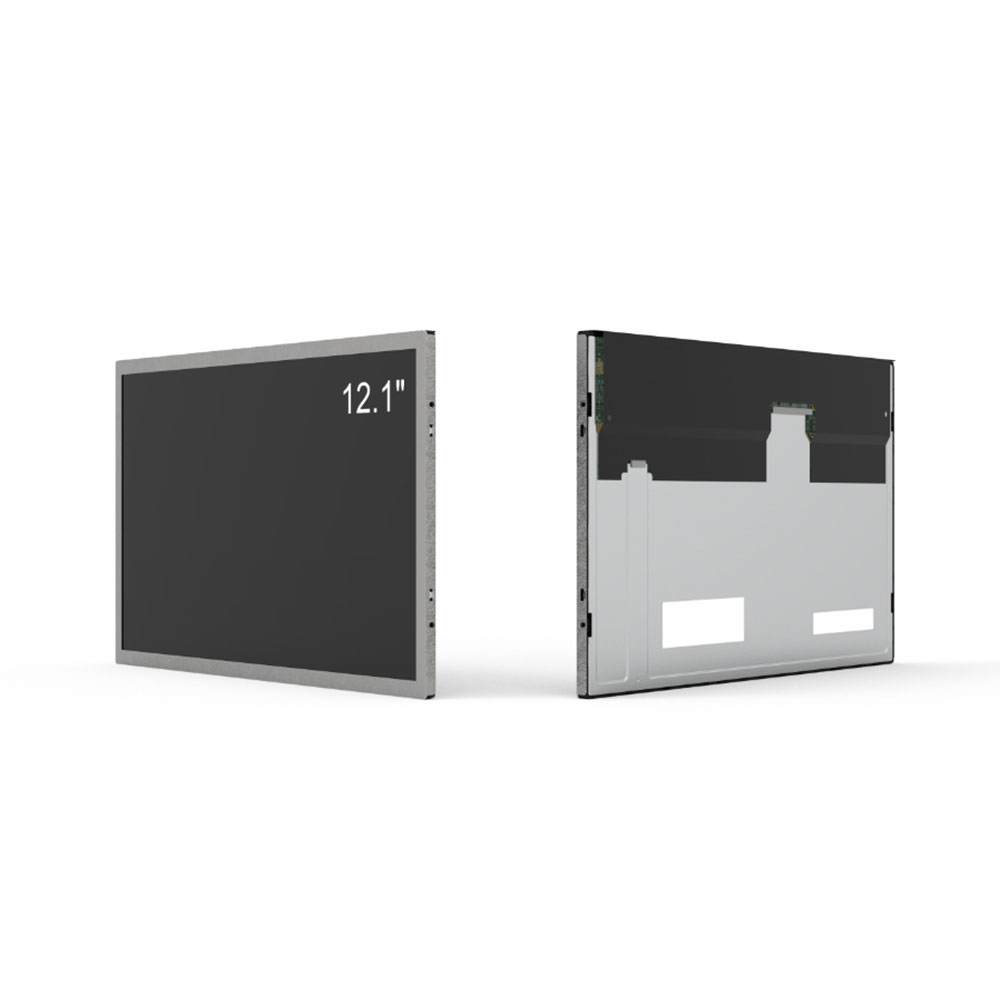
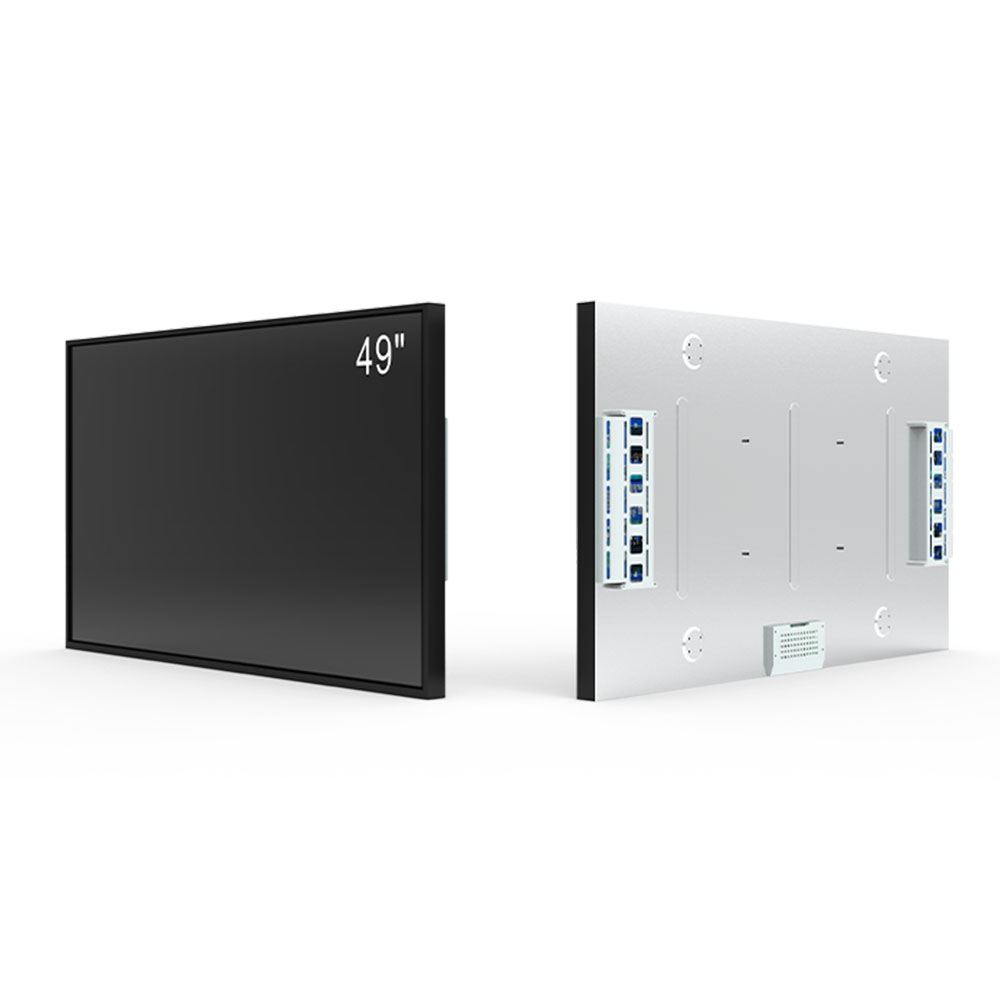
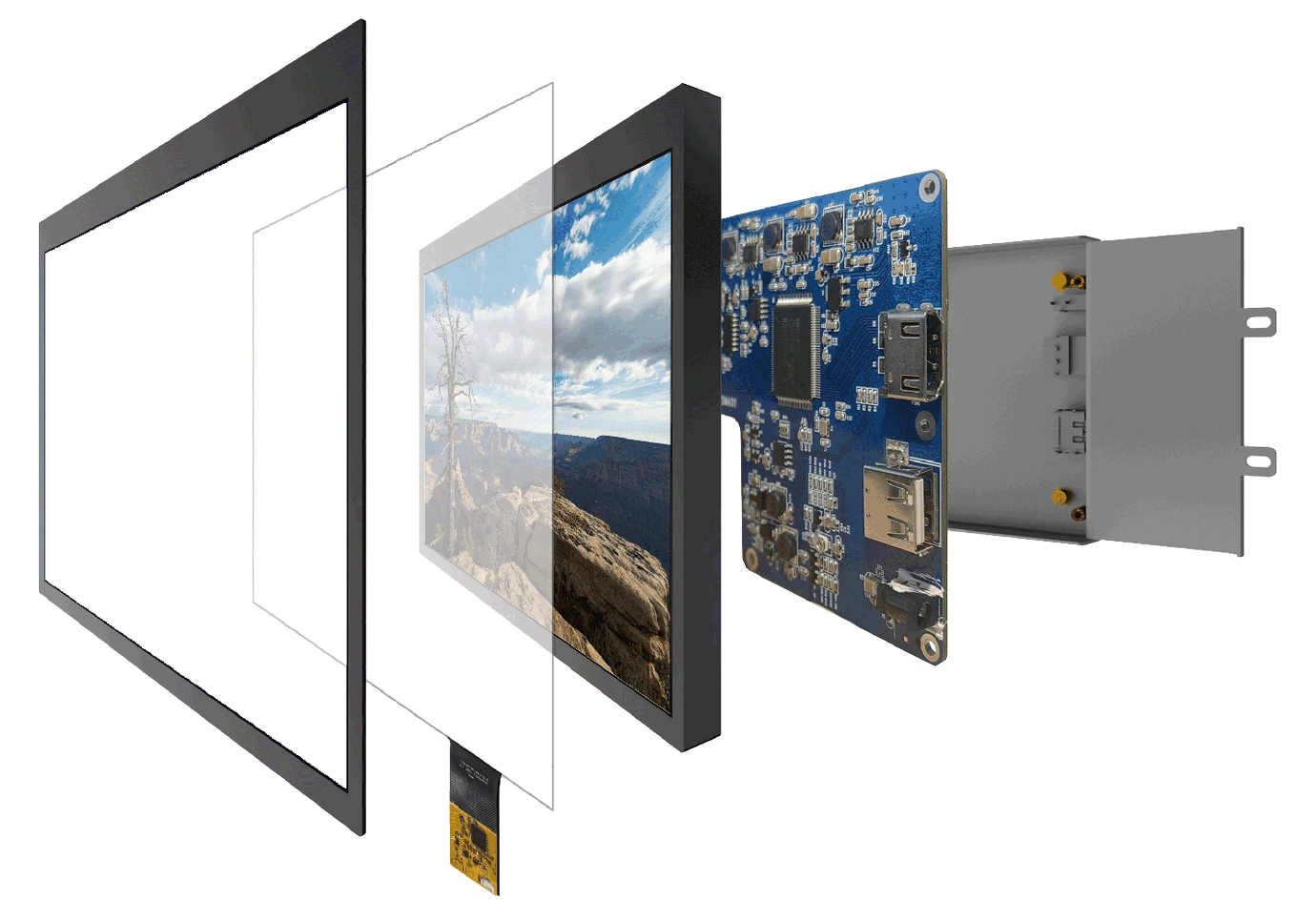
Case studies from the U.S. Department of Defense (DoD) highlight the use of 43-inch and 49-inch sunlight-readable LCDs in armored vehicles and field communication centers. These displays utilize laminated optical bonding techniques to reduce air gaps between layers, improving both durability and visual performance in dusty or humid environments. In maritime settings, 21.5-inch and 23.8-inch variants are used on bridge consoles, requiring IP65-rated enclosures and temperature compensation algorithms to operate reliably from -30°C to +70°C.
Additionally, recent innovations in micro-LED backlighting and quantum dot enhancement have enabled new benchmarks in brightness and color accuracy without compromising power efficiency. For example, a 55-inch 16:9 display now achieves 7,000 nits peak brightness while consuming 30% less energy than previous generations using edge-lit CCFL technology. Such advancements make high-brightness LCDs not only more effective but also more sustainable—critical for green energy initiatives in remote solar-powered installations like agricultural monitoring stations or border surveillance towers.
The global market for sunlight-readable displays is projected to exceed $6 billion by 2028 (Statista, 2024), driven by growth in smart cities, autonomous vehicles, and industrial IoT. With screen sizes ranging from 10.1" to 110", all conforming to the 16:9 aspect ratio for compatibility with HD, Full HD, and 4K content, these displays represent a cornerstone of future-proofed human-machine interfaces in demanding environments.