RisingStar
- Home
- About Us
- Products
- News
- Video
- Contact
- Send Inquiry
Search
- Home
- About Us
- Products
- News
- Video
- Contact
- Send Inquiry
RisingStar
In modern industrial, military, and outdoor applications, the need for robust, sunlight-readable LCD displays that can withstand extreme environmental conditions is more critical than ever. Among the most sought-after protection standards is IP66 — a rating defined by the International Electrotechnical Commission (IEC) under IEC 60529. This rating signifies that a display is dust-tight (6) and protected against powerful water jets from any direction (6). For engineers and procurement teams deploying LCD screens in environments such as construction sites, marine vessels, transportation systems, or agricultural machinery, IP66 waterproofing is not just a feature—it’s a requirement for operational continuity.
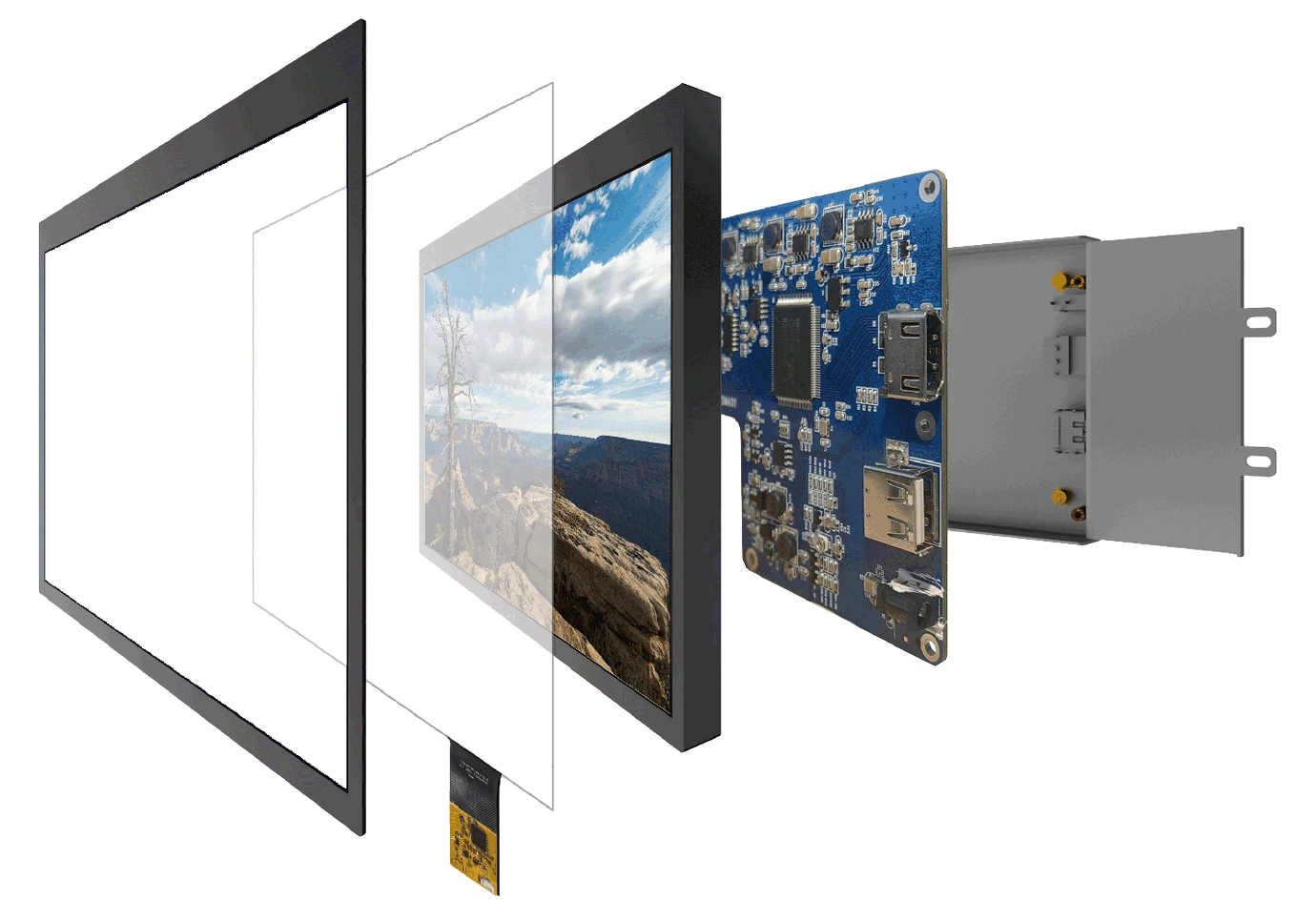
IP66-rated LCDs are engineered with multiple layers of protection. First, the display panel itself is often sealed using gaskets made from high-grade silicone or rubber compounds, which prevent ingress of fine dust particles and water. Second, the backlight unit (BLU) is enclosed in an IP66-compliant housing, typically with anodized aluminum or stainless steel frames to resist corrosion. Third, advanced sealing techniques—including laser welding and epoxy potting—are applied to the internal electronics and connectors to ensure long-term durability. These design choices collectively enable the screen to function reliably even when exposed to heavy rain, high-pressure cleaning, or humid climates.
Case studies from leading manufacturers such as ELO Touch Solutions, COTER, and Lumentum highlight real-world success stories. For instance, a maritime navigation system deployed on offshore drilling rigs in the North Sea used an IP66 LCD display that maintained clarity and responsiveness despite saltwater exposure and frequent spray from waves. Similarly, in a recent deployment by a European rail operator, IP66-certified touchscreens survived harsh weather conditions during winter testing, including snow accumulation and rapid temperature shifts, without degradation in performance.
From a technical standpoint, achieving IP66 compliance requires rigorous testing. Manufacturers conduct chamber tests simulating dust ingestion (using fine silica powder) and jet water exposure at pressures up to 100 kPa for at least 3 minutes per side. These tests must be performed in accordance with ISO 16750-3 and IEC 60529 standards. Additionally, the display’s optical stack—comprising polarizers, diffusers, and laminates—is optimized for high brightness (typically 5,000 to 10,000 nits), ensuring readability under direct sunlight while maintaining energy efficiency.
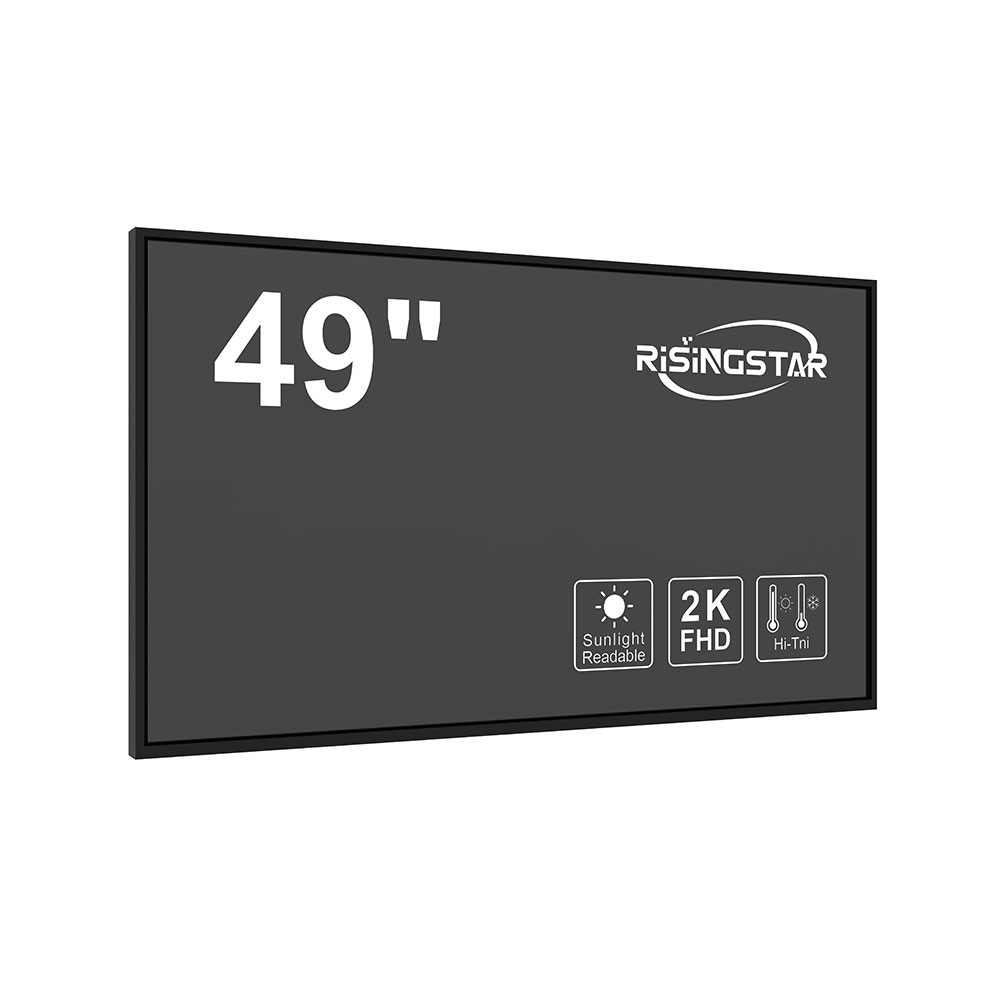
It's important to note that IP66 does not imply full submersion immunity—it is designed for intermittent water exposure, such as splashing or hose-down scenarios. However, for applications requiring deeper immersion, IP67 or IP68 ratings may be more appropriate. Engineers should therefore evaluate both the application environment and expected failure modes before selecting a display grade.
Ultimately, IP66 waterproof LCDs represent a convergence of material science, mechanical engineering, and environmental resilience. As industries move toward smarter, connected systems—such as IoT-enabled field devices, autonomous vehicles, and smart city infrastructure—the demand for rugged, sunlight-readable displays with IP66 certification will continue to grow. Investing in these technologies ensures not only product longevity but also reduces downtime, maintenance costs, and safety risks in demanding environments.