 RisingStar
- Home
- About Us
- Products
- News
- Video
- Contact
- Send Inquiry
Search
- Home
- About Us
- Products
- News
- Video
- Contact
- Send Inquiry
RisingStar
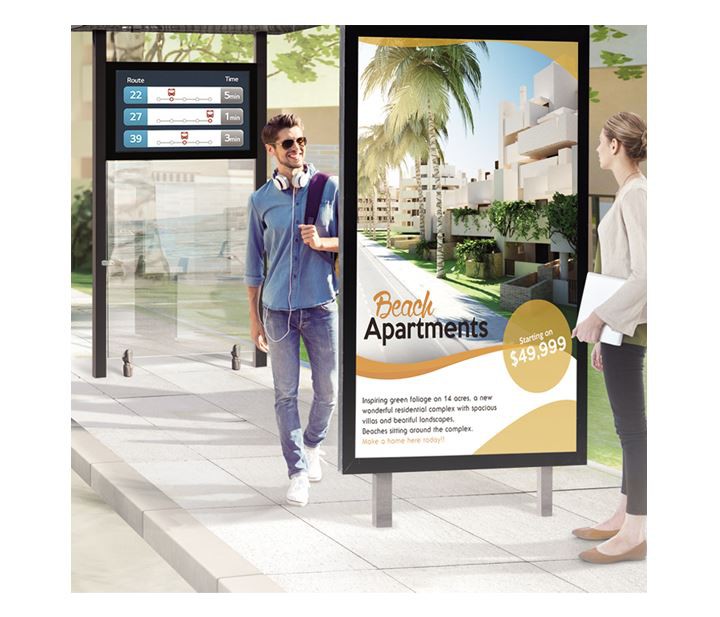
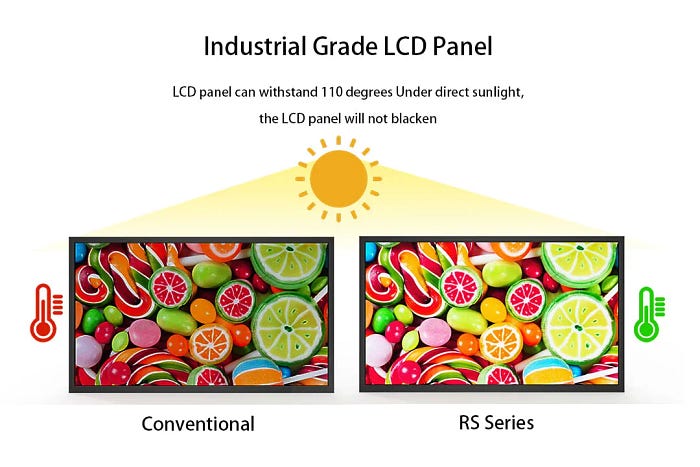
High-brightness sunlight-readable LCD screens are essential in modern outdoor display technology, particularly for applications where visibility under direct sunlight is critical. These displays, typically rated at 5,000 nits or higher, surpass the standard 250–500 nits found in indoor LCDs and ensure readability even under harsh environmental conditions such as bright daylight, rain, or extreme temperatures. They are widely used in military operations, transportation systems (e.g., traffic signals, bus information displays), industrial control panels, medical devices in field hospitals, and consumer products like ruggedized tablets and GPS units.
One of the most notable advantages of high-brightness sunlight-readable LCDs is their ability to maintain clarity without relying on ambient lighting adjustments. This is achieved through advanced backlighting technologies—such as LED arrays with diffusers and polarizer enhancements—and optimized screen coatings that reduce glare while increasing contrast ratios. For instance, the use of anti-reflective (AR) coatings and micro-lens arrays allows up to 90% of ambient light to be rejected, improving contrast by 300–400% compared to conventional displays.
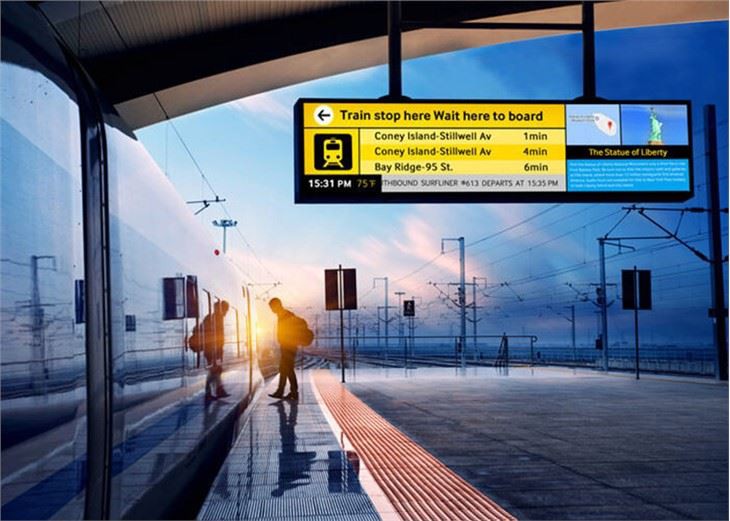
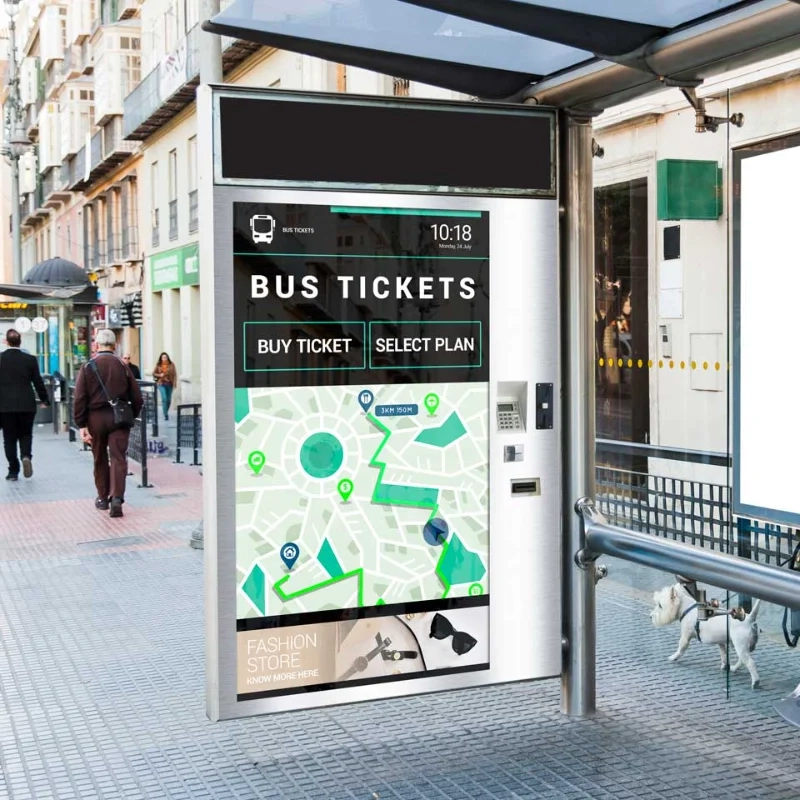
Practical applications demonstrate their reliability across sectors. In aviation, Boeing and Airbus have adopted these screens for cockpit displays in newer aircraft models to improve pilot situational awareness during daytime operations. Similarly, in smart city infrastructure, cities like Singapore and Tokyo deploy high-brightness LCDs in public kiosks and digital signage to deliver real-time transit updates regardless of weather or time of day.
Despite their robust performance, common problems include thermal management issues due to high power consumption, which can lead to premature aging of LEDs or liquid crystal degradation. Additionally, manufacturers often face challenges in balancing brightness with battery life in portable devices—a key concern for military field units and first responders. Recent trends address these concerns via adaptive brightness algorithms that dynamically adjust luminance based on ambient light sensors, reducing power consumption by up to 40%. Moreover, the integration of OLED and Mini-LED technologies into sunlight-readable displays is gaining traction, offering deeper blacks, wider viewing angles, and better energy efficiency than traditional LCDs.
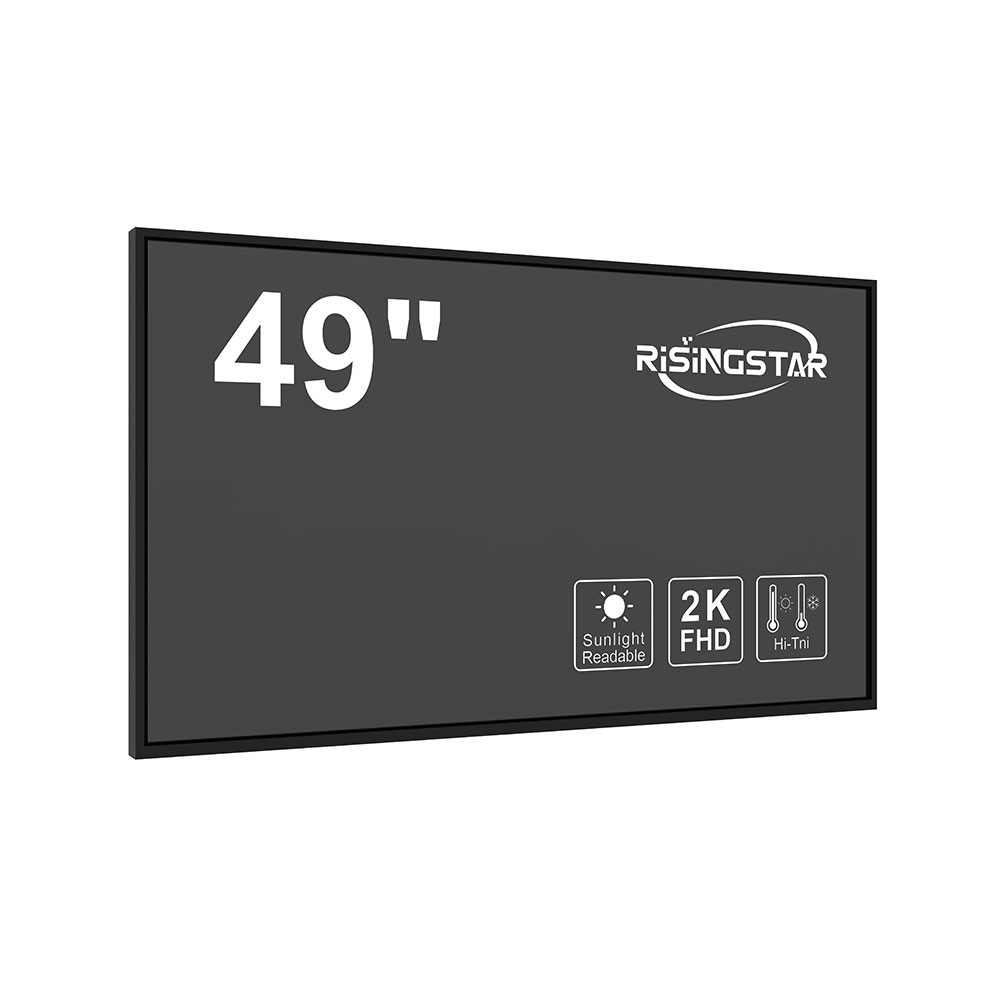
Industry standards such as MIL-STD-810G and IEC 60068 define environmental durability requirements, ensuring that these displays meet rigorous shock, vibration, humidity, and temperature resistance criteria. Companies like Crystalfontz, Eizo, and LG Display are leading innovation in this space, with recent developments focusing on hybrid polarization techniques and embedded AI-driven contrast optimization.
In conclusion, high-brightness sunlight-readable LCDs represent a mature yet rapidly evolving technology. Their proven utility in mission-critical environments, coupled with ongoing advancements in materials science and power efficiency, makes them indispensable for any application demanding clear, reliable visual output in challenging outdoor conditions.