RisingStar
- Home
- About Us
- Products
- News
- Video
- Contact
- Send Inquiry
Search
- Home
- About Us
- Products
- News
- Video
- Contact
- Send Inquiry
RisingStar
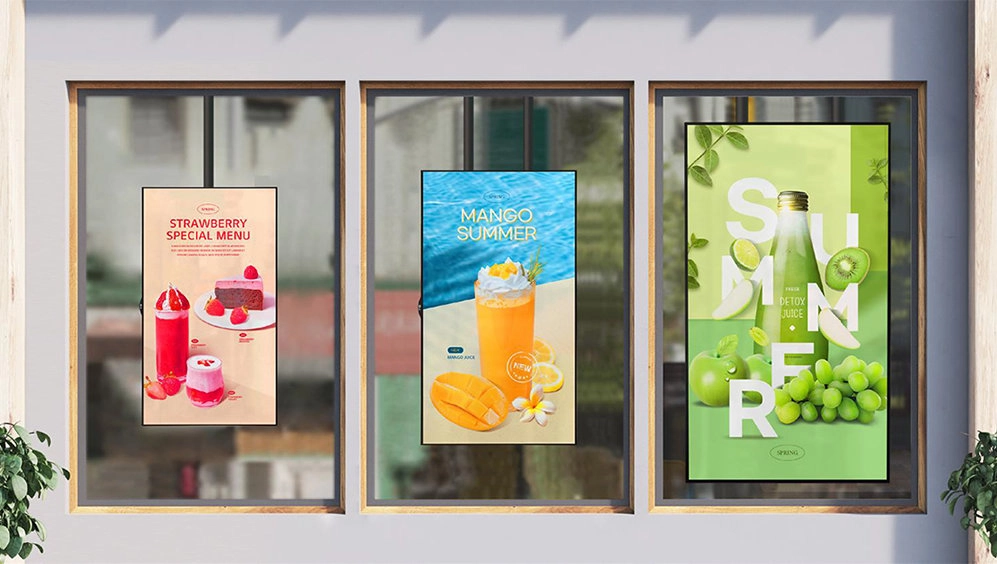
In recent years, the adoption of 65-inch digital signage displays in China has surged, driven by rapid urbanization, smart city initiatives, and a booming retail and hospitality sector. These large-format displays—typically featuring ultra-high-definition (UHD) resolution, high brightness (up to 5000 nits), and advanced anti-glare coatings—are now essential tools for businesses seeking to engage audiences in both indoor and outdoor environments.
China’s digital signage market is one of the fastest-growing globally, with a compound annual growth rate (CAGR) exceeding 12% from 2023 to 2028, according to a report by MarketsandMarkets. The 65-inch form factor has emerged as the industry standard for many applications due to its optimal balance between visibility, cost-efficiency, and installation flexibility. Unlike smaller screens that may struggle to be seen from a distance, or larger ones that are impractical for most commercial spaces, 65-inch displays offer ideal viewing angles and immersive visuals without excessive hardware costs.
Manufacturers such as BOE Technology Group, TCL, and Hisense dominate the Chinese market, producing panels with IPS or VA panel technologies optimized for color accuracy, wide viewing angles, and energy efficiency. Many of these displays also integrate built-in Android or Windows-based operating systems, enabling seamless content management via cloud platforms like Screenly, Yodeck, or local Chinese solutions such as Midea Smart Displays.
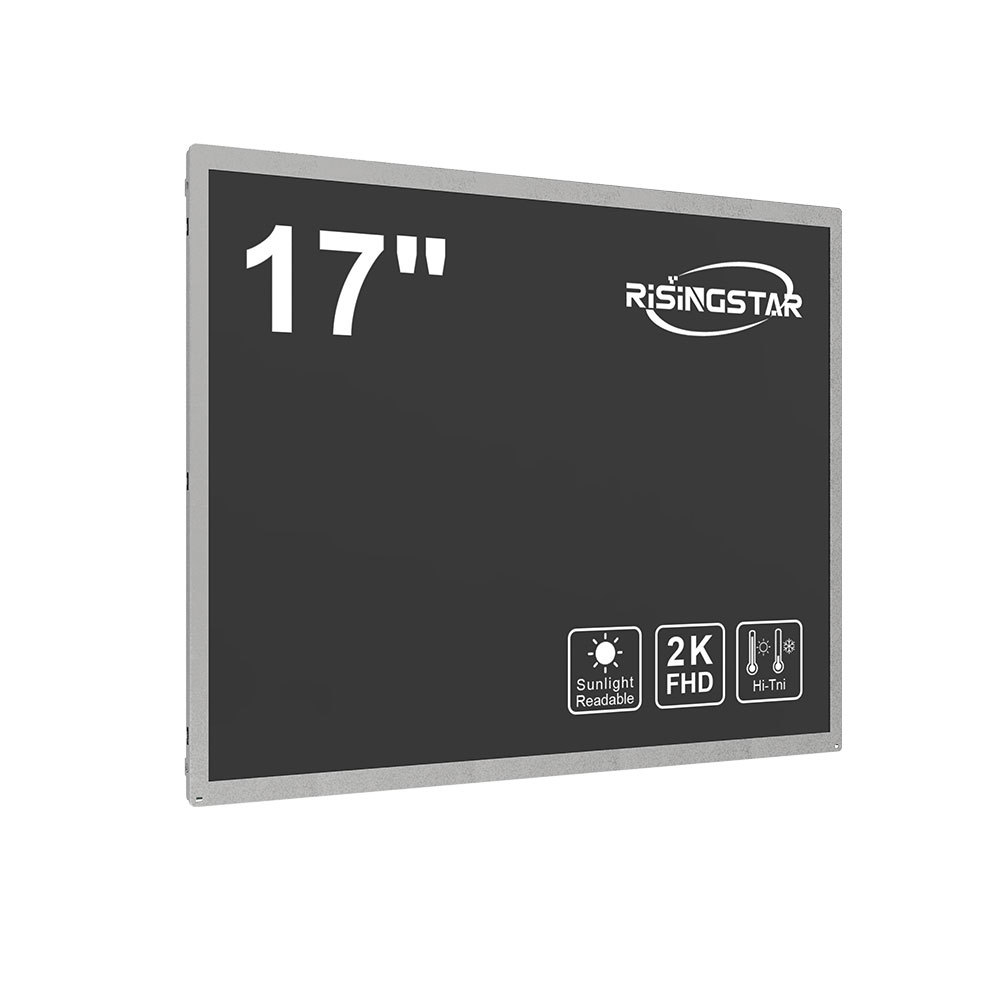
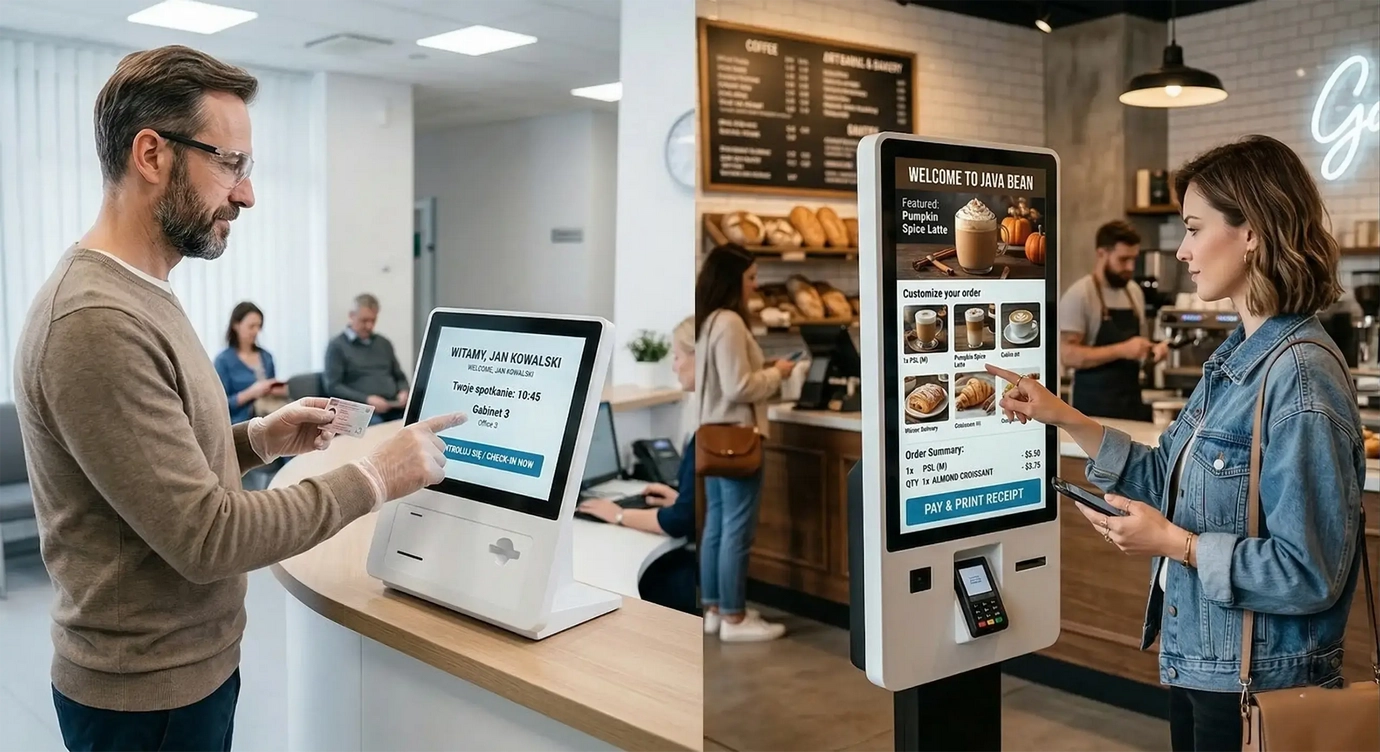
A key driver behind the popularity of 65-inch digital signage in China is government-backed smart infrastructure projects. For instance, Shanghai’s “Smart City Pilot Zone” has deployed thousands of 65-inch LED and LCD signage units across public transport hubs, hospitals, and shopping malls to deliver real-time updates, emergency alerts, and targeted advertising. Similarly, Beijing’s subway system uses 65-inch touch-enabled displays for navigation assistance and interactive kiosks, enhancing user experience while reducing operational overheads.
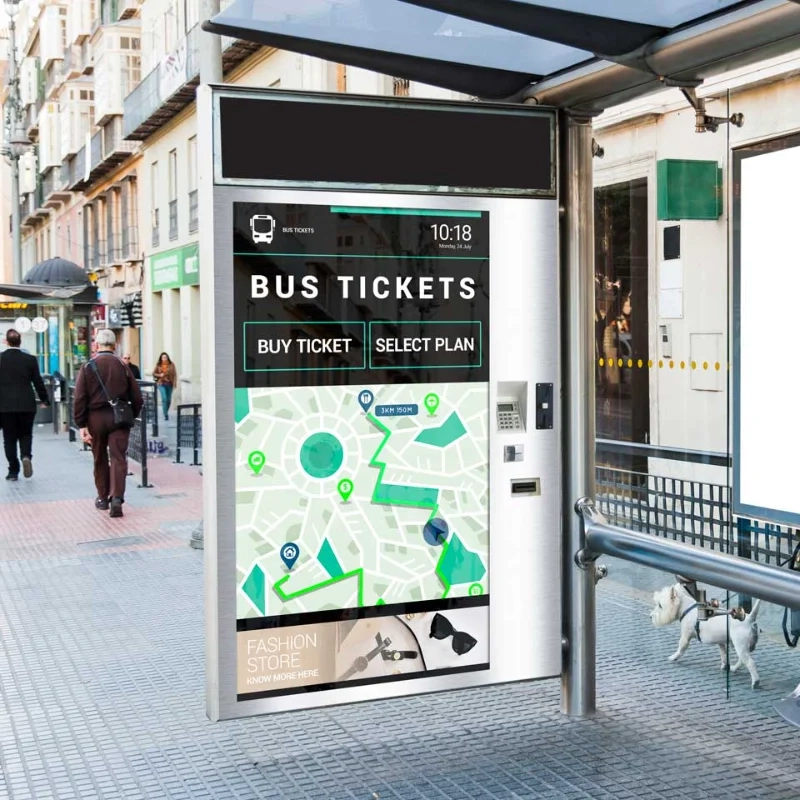
Outdoor applications are equally compelling. With innovations in sunlight-readable technology—including high-brightness LED backlights, polarization filters, and anti-reflective glass—these displays remain legible even under direct sunlight. A case study by Innolux Corporation demonstrated a 65-inch outdoor display installed at a bus stop in Guangzhou maintained over 4000 nits brightness during peak daylight hours, achieving 98% readability compared to traditional 3000-nit displays.
Moreover, the integration of AI-powered analytics, such as facial recognition and heat mapping, allows retailers to tailor content dynamically based on audience demographics. In Shenzhen’s Huaqiang North electronics market, 65-inch signage units equipped with AI cameras have increased ad engagement by up to 35%, according to a 2024 internal audit by Alibaba Cloud.
For global enterprises entering the Chinese market, partnering with local OEMs ensures compliance with national standards like GB/T 17626 for electromagnetic compatibility and GB 4943.1 for safety certifications. This localized approach reduces import barriers and enables faster deployment cycles—critical for time-sensitive campaigns in sectors like finance, healthcare, and tourism.
As China continues to invest heavily in digital transformation, the 65-inch digital signage display is not just a trend but a foundational element of modern communication infrastructure. Whether used in corporate lobbies, public spaces, or retail environments, it represents a powerful convergence of design, functionality, and data-driven intelligence that sets a new benchmark for visual storytelling worldwide.