 RisingStar
- Home
- About Us
- Products
- News
- Video
- Contact
- Send Inquiry
Search
- Home
- About Us
- Products
- News
- Video
- Contact
- Send Inquiry
RisingStar
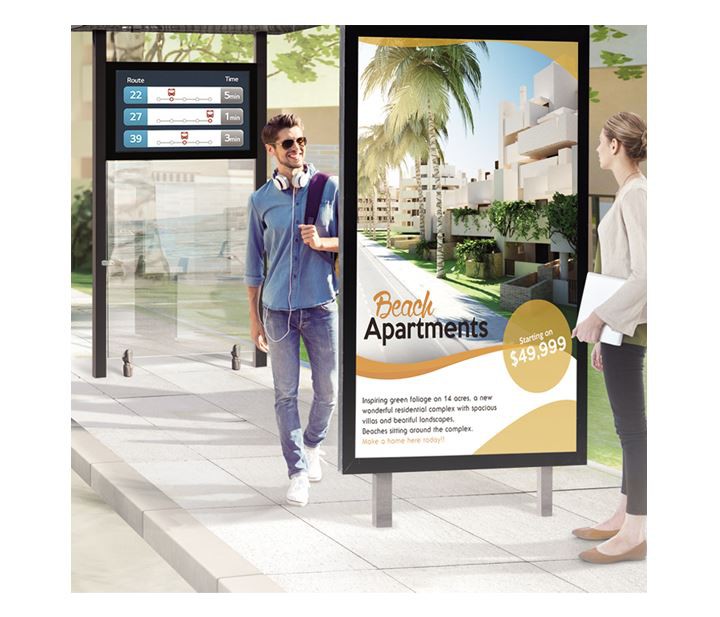
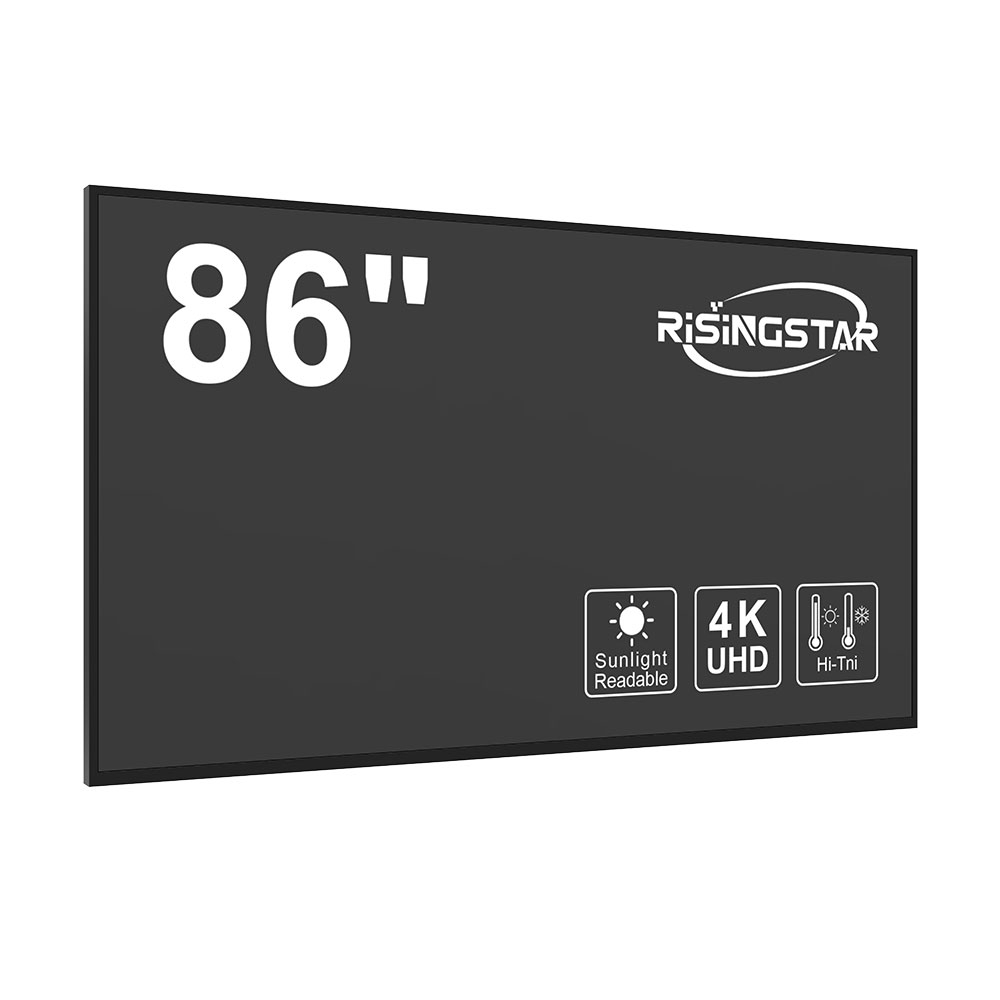
In modern industrial, military, and outdoor applications, high-brightness sunlight-readable LCD screens are essential for ensuring visibility under extreme lighting conditions. These displays must maintain clarity, contrast, and responsiveness even when exposed to direct sunlight, which can exceed 100,000 lux—far beyond the typical indoor lighting of 300–500 lux. The design and engineering behind such screens involve a combination of advanced materials, optimized backlighting, and intelligent display technologies.
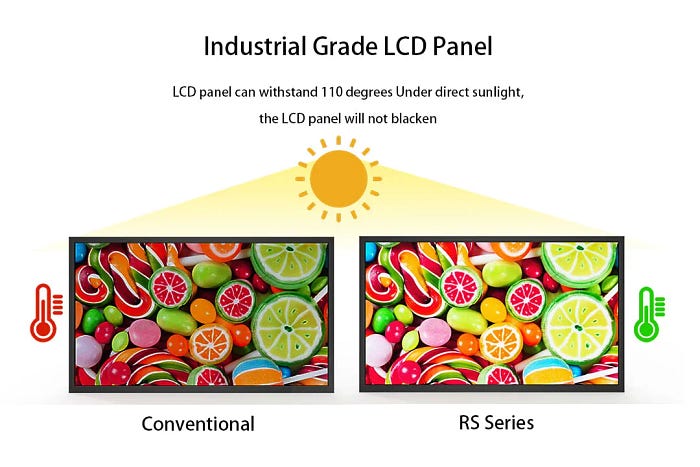
One of the most critical aspects is achieving luminance levels of at least 5,000 nits (cd/m²), with many military-grade and outdoor industrial screens reaching 10,000 nits or more. This is accomplished using LED-backlit panels with high-efficiency phosphors and specialized diffusers that evenly distribute light across the screen. In contrast to standard LCDs, which often fail in bright environments due to glare and low contrast, sunlight-readable displays incorporate anti-reflective coatings and polarized filters to minimize ambient light interference.
Another key innovation is the use of transmissive and reflective dual-mode technologies. Some manufacturers integrate transflective liquid crystal layers that combine both transmission (for indoor use) and reflection (for sunlight readability). This hybrid approach reduces power consumption while enhancing visibility outdoors—a crucial factor for battery-powered devices like handheld military terminals or agricultural sensors.
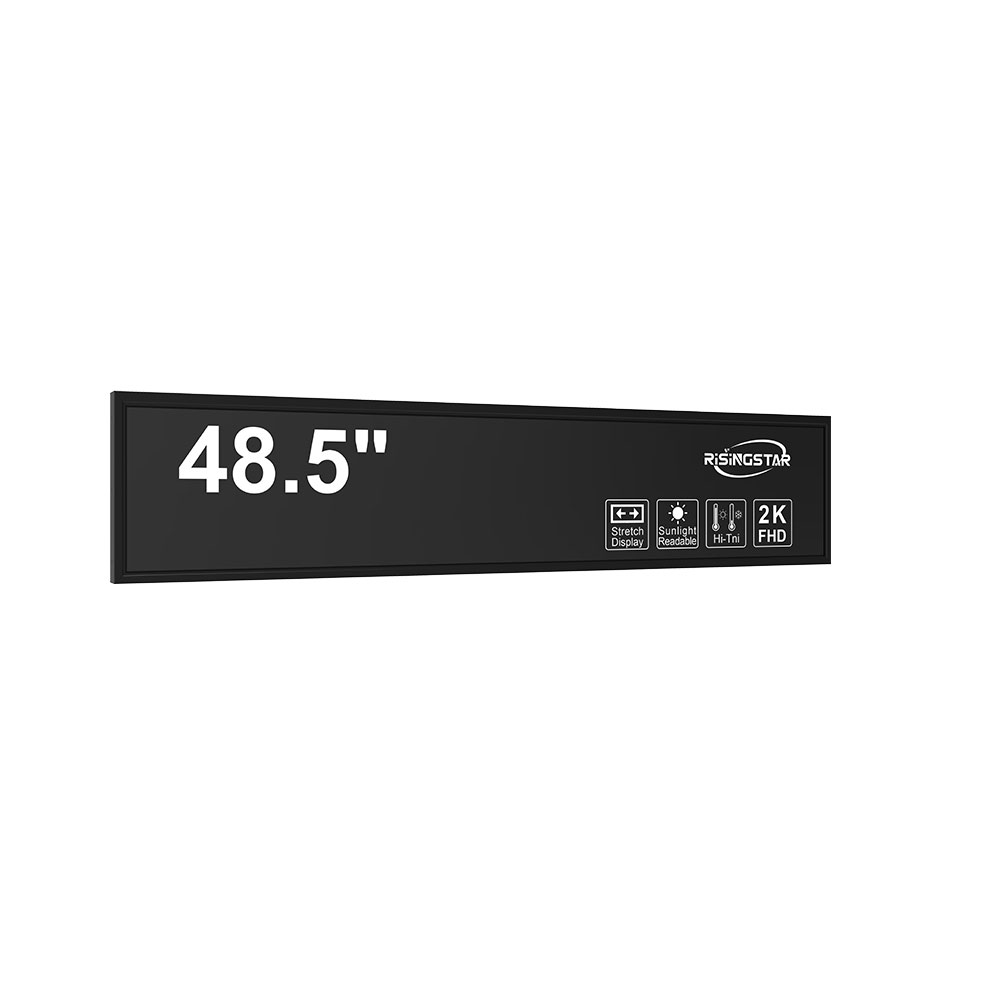
Case studies from real-world deployments highlight the importance of these features. For example, the U.S. Department of Defense has mandated the use of MIL-STD-810-compliant displays in field equipment, where temperatures range from -40°C to +70°C and humidity levels exceed 95%. Similarly, construction and mining companies have adopted sunlight-readable LCDs for control systems on heavy machinery, significantly improving operator safety and productivity in outdoor settings.
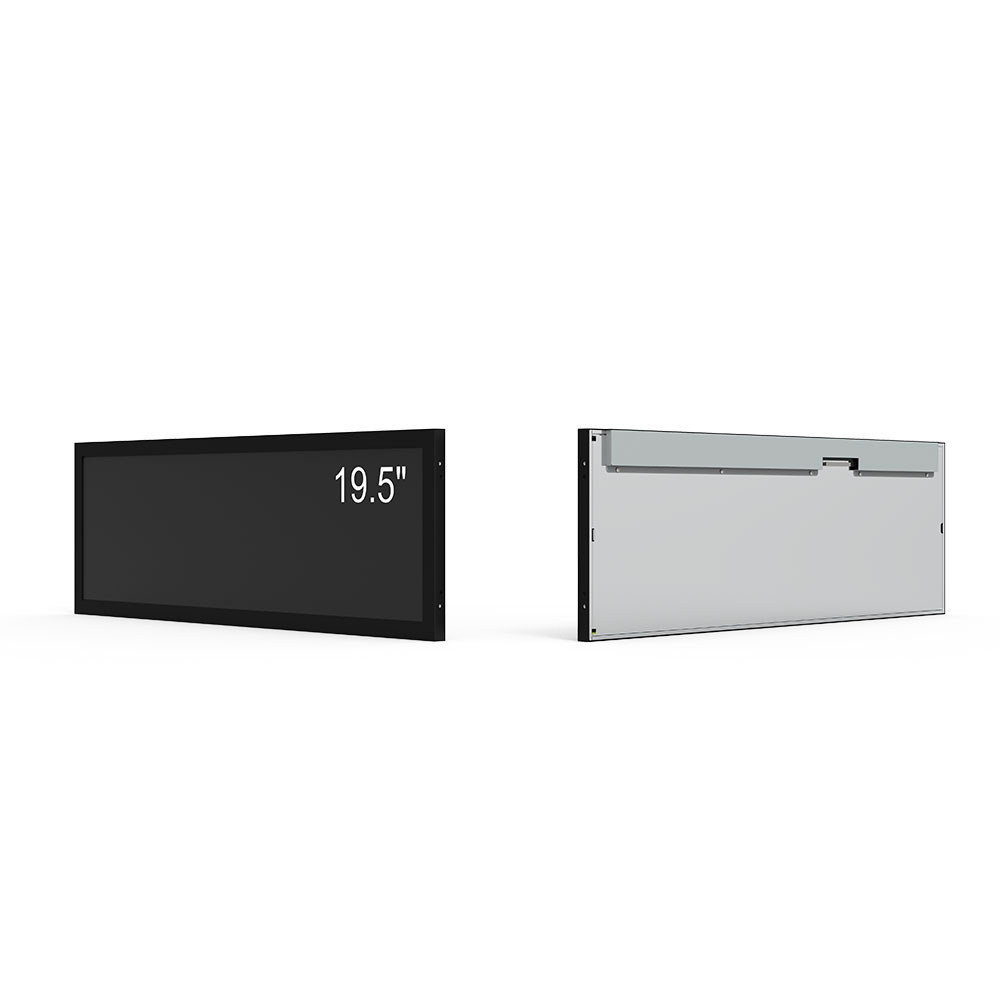
Thermal management also plays a vital role. High brightness increases heat generation, which can degrade pixel performance over time. Advanced thermal dissipation designs—such as integrated heat sinks, thermally conductive adhesives, and active cooling via micro-fans—are now standard in high-end models. Additionally, optical bonding techniques, where the cover glass is permanently bonded to the display panel using transparent adhesive, reduce internal reflections and improve ruggedness against vibration and impact.
From an industry perspective, the global sunlight-readable LCD market was valued at approximately $2.3 billion in 2023 and is projected to grow at a CAGR of 6.7% through 2030, according to Grand View Research. Key drivers include increasing adoption in autonomous vehicles, smart city infrastructure, and defense technology. Leading manufacturers like Sharp, LG Display, and E-Ink Corporation continue to invest heavily in R&D, focusing on energy efficiency, higher resolution (up to 4K), and better color accuracy under sunlight.
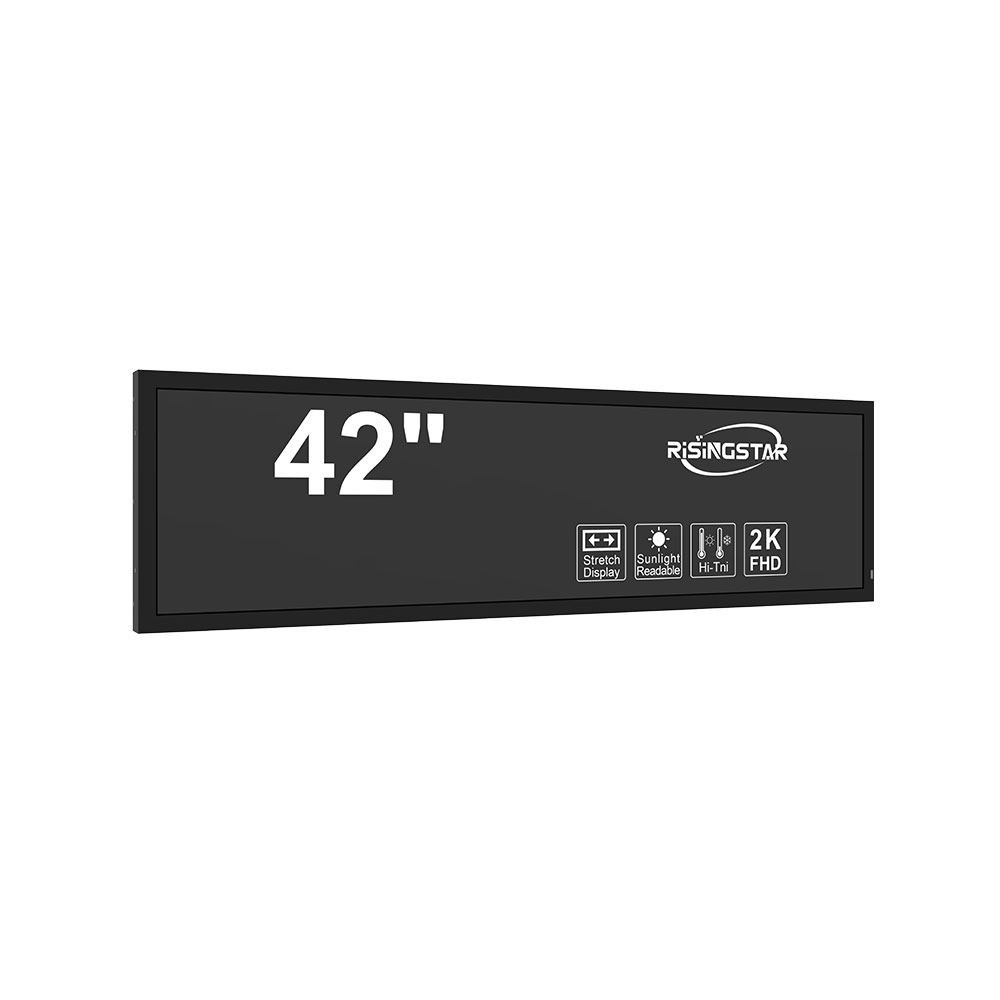
For end users, selecting the right high-brightness LCD involves evaluating not only peak brightness but also contrast ratio (typically >1000:1), viewing angle (wide-angle IPS panels preferred), and environmental certifications such as IP65 or IP67 for dust and water resistance. OEMs must also consider long-term reliability metrics like MTBF (Mean Time Between Failures), which should exceed 100,000 hours for mission-critical applications.
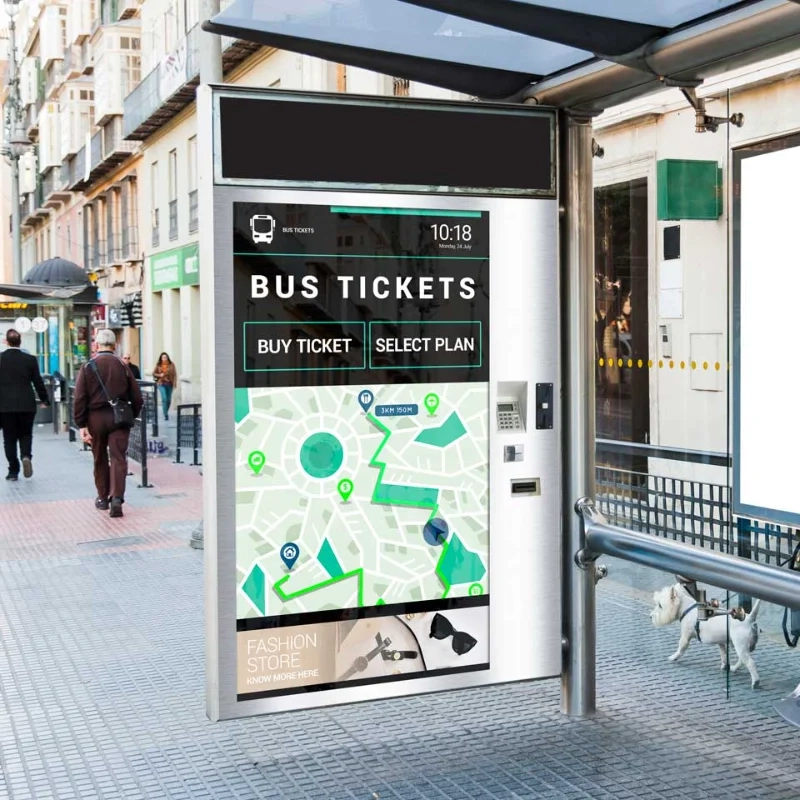
Ultimately, high-brightness sunlight-readable LCDs are no longer just a niche product—they are a foundational component in today’s connected, mobile, and outdoor-centric world. As demand grows across sectors like renewable energy monitoring, public transportation, and emergency response, engineers and procurement teams must prioritize both technical specifications and real-world performance data when making decisions.