RisingStar
- Home
- About Us
- Products
- News
- Video
- Contact
- Send Inquiry
Search
- Home
- About Us
- Products
- News
- Video
- Contact
- Send Inquiry
RisingStar
The mura effect—often described as a visual defect in flat-panel displays—is one of the most critical quality concerns in modern LCD manufacturing. Unlike typical screen glitches such as dead pixels or color shifts, mura appears as uneven brightness or color patches across the display surface, especially noticeable under bright ambient lighting like direct sunlight. This phenomenon significantly impacts user experience, particularly in outdoor applications such as automotive dashboards, military equipment, industrial control panels, and public kiosks.
Mura originates from inconsistencies in the liquid crystal layer’s alignment, backlight uniformity, or manufacturing tolerances. The term “mura” (from Japanese for “blemish”) is widely used in the industry, but it's often misunderstood by end users. In technical terms, mura can be categorized into two main types: brightness mura (variations in luminance) and color mura (non-uniform color distribution). These defects may appear as light spots, dark areas, or colored blotches that persist regardless of image content—a clear sign of hardware-level inconsistency rather than software issues.
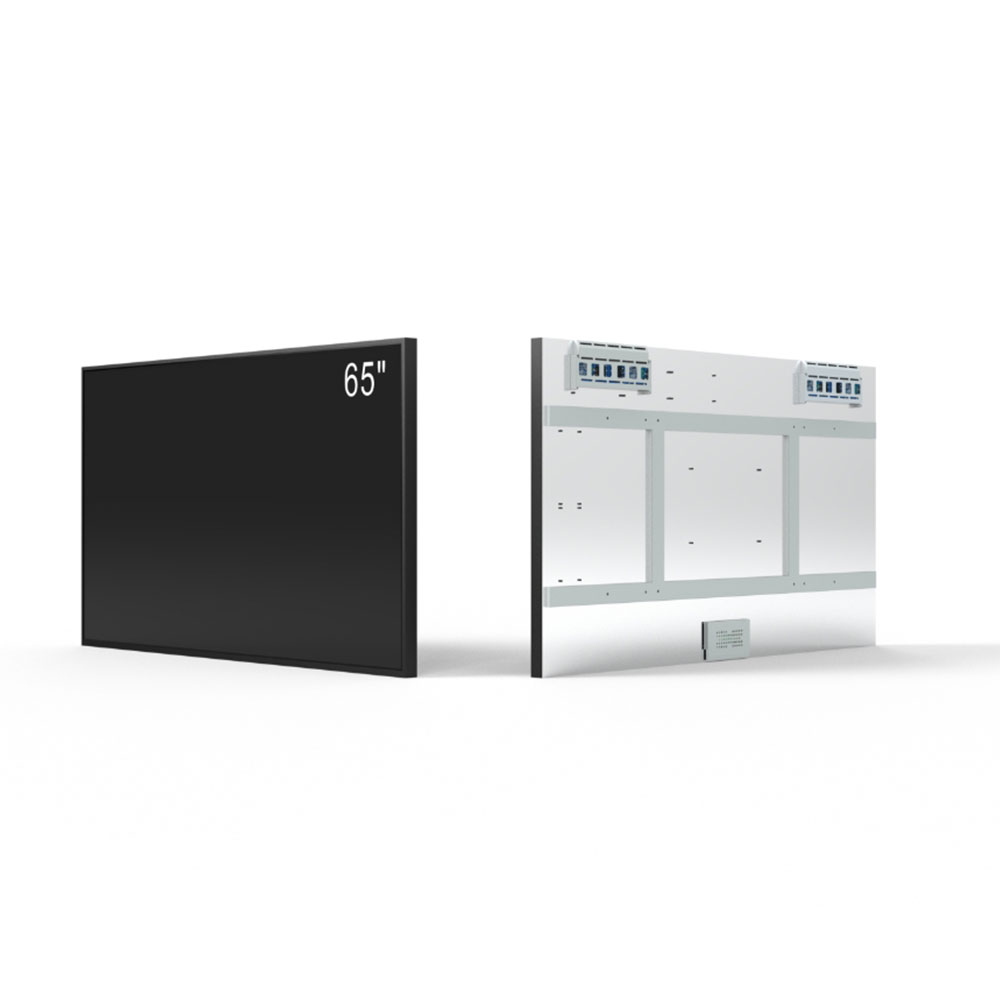
To address this challenge, manufacturers implement advanced optical compensation films (OCFs), improved backlight unit (BLU) designs, and rigorous pixel-level calibration during production. For example, high-brightness sunlight-readable LCD screens used in military-grade devices must meet MIL-STD-810G standards for environmental durability and visual clarity under extreme conditions. These displays incorporate dual-layer diffuser sheets, edge-lit LED arrays, and dynamic contrast algorithms to minimize mura while maximizing readability outdoors.
Case studies show that reducing mura involves both material science and process engineering. A 2023 study published in the Journal of Display Technology demonstrated that using quantum dot-enhanced LEDs reduced mura severity by up to 45% compared to traditional white LED backlights. Additionally, AI-based machine vision systems now inspect thousands of panels per hour, identifying micro-level inconsistencies invisible to human eyes. This automation ensures consistency across mass-produced displays without compromising speed or cost-efficiency.
For consumers, recognizing mura early is key. When purchasing a high-brightness LCD screen, look for certifications such as ISO 9241-307 (for visual ergonomics) and check reviews mentioning "uniformity" or "no visible blemishes." Manufacturers like Sharp, LG Display, and BOE have developed proprietary solutions—including adaptive local dimming and multi-zone backlighting—to combat mura proactively.
Ultimately, minimizing the mura effect isn’t just about aesthetics—it’s about ensuring reliable performance in mission-critical environments where every pixel counts. Whether you’re deploying an outdoor digital signage system or building an aviation HUD, understanding and mitigating mura ensures superior visual fidelity, operational safety, and long-term product trustworthiness.