RisingStar
- Home
- About Us
- Products
- News
- Video
- Contact
- Send Inquiry
Search
- Home
- About Us
- Products
- News
- Video
- Contact
- Send Inquiry
RisingStar
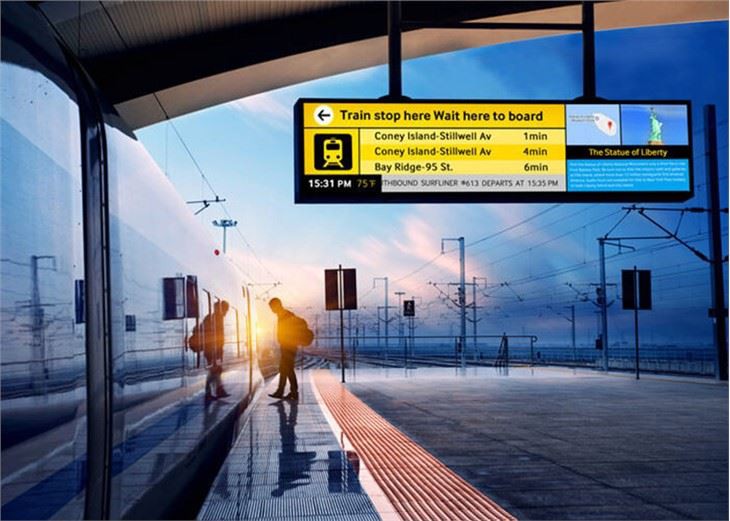
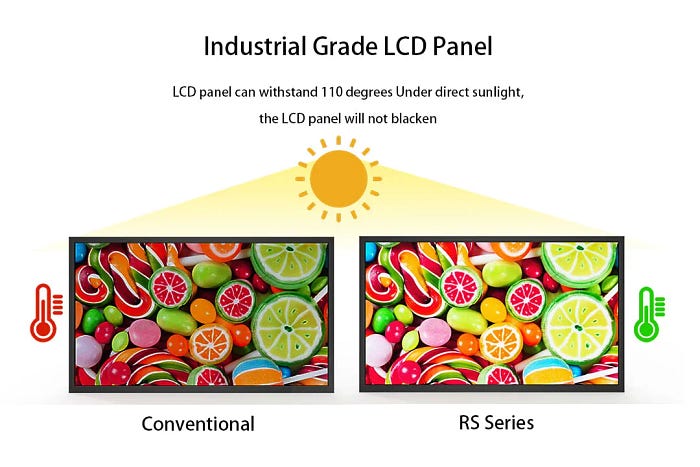
Sunlight-readable LCD displays have become indispensable in modern outdoor and industrial applications where visibility under direct sunlight is critical. These specialized screens are engineered to maintain clarity, contrast, and color accuracy even in intense ambient lighting conditions—such as those found in military vehicles, construction equipment, agricultural machinery, transportation systems (e.g., buses, trains), and public information kiosks. Unlike standard LCDs that suffer from glare and washed-out images under bright daylight, sunlight-readable displays incorporate advanced optical technologies to ensure usability across diverse environmental conditions.
The core of their functionality lies in high peak brightness—typically ranging from 3,000 to 10,000 nits (cd/m²)—which far exceeds the 250–500 nits of typical indoor displays. For example, a display rated at 5,000 nits can remain legible in full sun (approximately 100,000 lux), making it suitable for applications like aviation cockpit displays or outdoor digital signage in urban centers. This performance is achieved through a combination of high-luminance LED backlighting, anti-reflective coatings, and polarized filters that minimize surface reflections while maximizing contrast ratios.
In addition to brightness, several key technologies enhance readability under harsh conditions. One such method is the use of transflective liquid crystal panels. These panels combine both transmissive and reflective properties: they absorb ambient light when sunlight is strong (improving efficiency) and use internal backlighting when ambient light is low. This dual-mode operation extends battery life in portable devices while ensuring consistent image quality across lighting environments—a crucial factor in military field operations or emergency response vehicles.
Manufacturers also integrate smart features such as automatic brightness adjustment using ambient light sensors. Systems like these dynamically adjust screen luminance based on real-time environmental data, reducing power consumption during nighttime operations while maintaining optimal visibility during daytime. For instance, the MIL-STD-810G and IP65/IP67 certifications ensure that these displays withstand shock, vibration, dust, and water ingress—critical for deployment in mining, oil & gas, and marine industries.
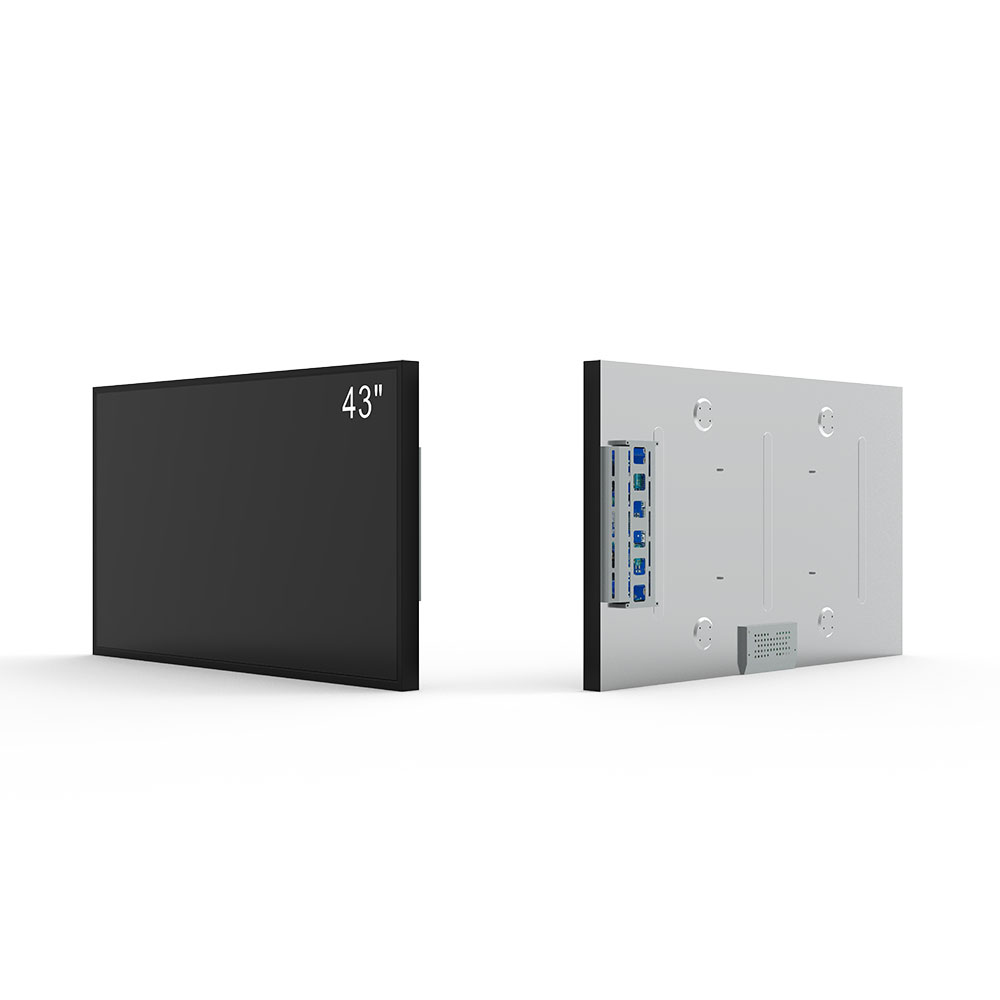
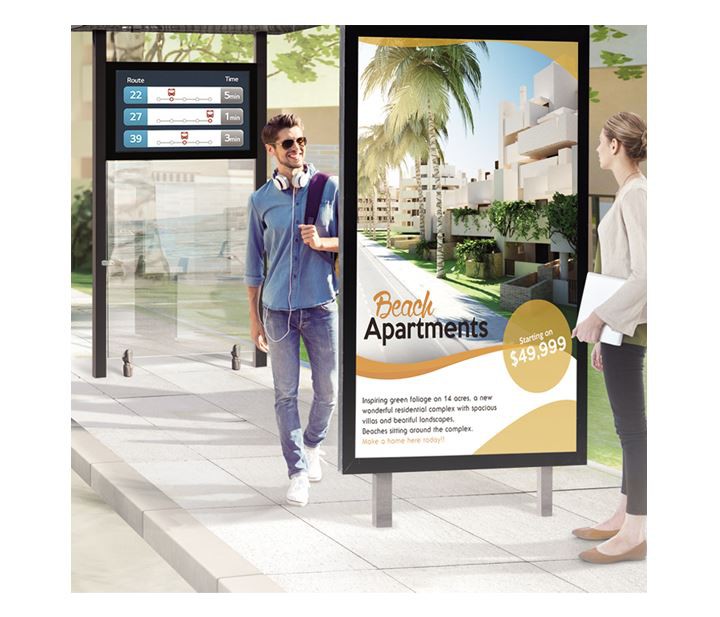
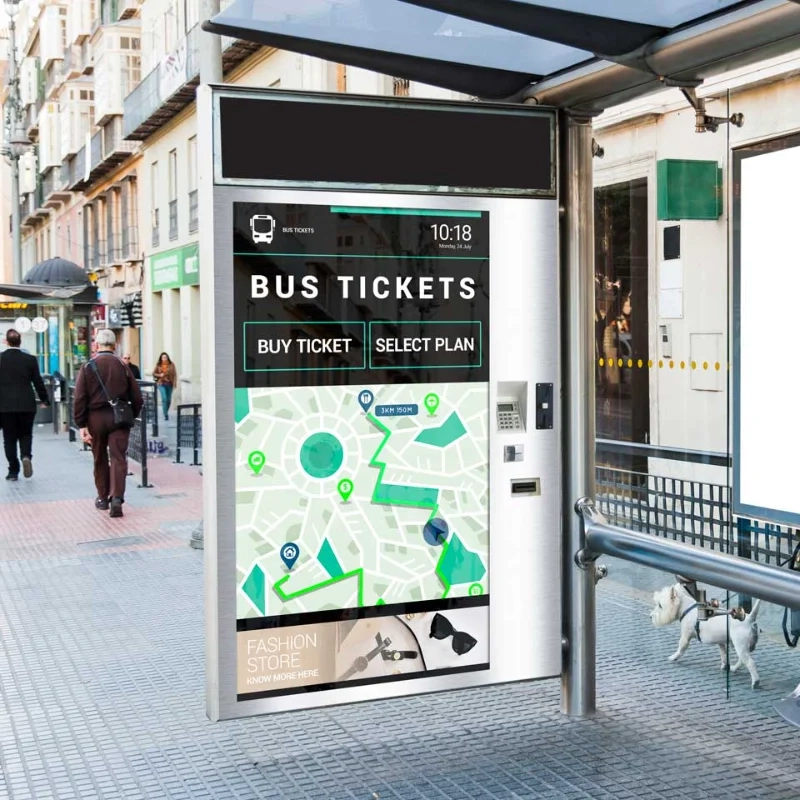
Case studies from major OEMs highlight the effectiveness of these solutions. In one project involving a construction equipment manufacturer, upgrading to a 7,000-nit transflective LCD reduced operator errors by over 40% in sunny conditions compared to previous 1,500-nit models. Similarly, a transit authority in Singapore replaced standard displays with 6,000-nit sunlight-readable units in bus shelters, resulting in a 90% increase in passenger engagement with digital advertising content during peak sunlight hours.
From an industry standpoint, the global market for sunlight-readable displays is projected to grow at a CAGR of 6.8% from 2023 to 2030, driven by increasing demand in automotive dashboards, smart city infrastructure, and IoT-enabled outdoor monitoring systems. According to Grand View Research, the Asia-Pacific region leads this growth due to rapid urbanization and government investments in intelligent transportation systems.
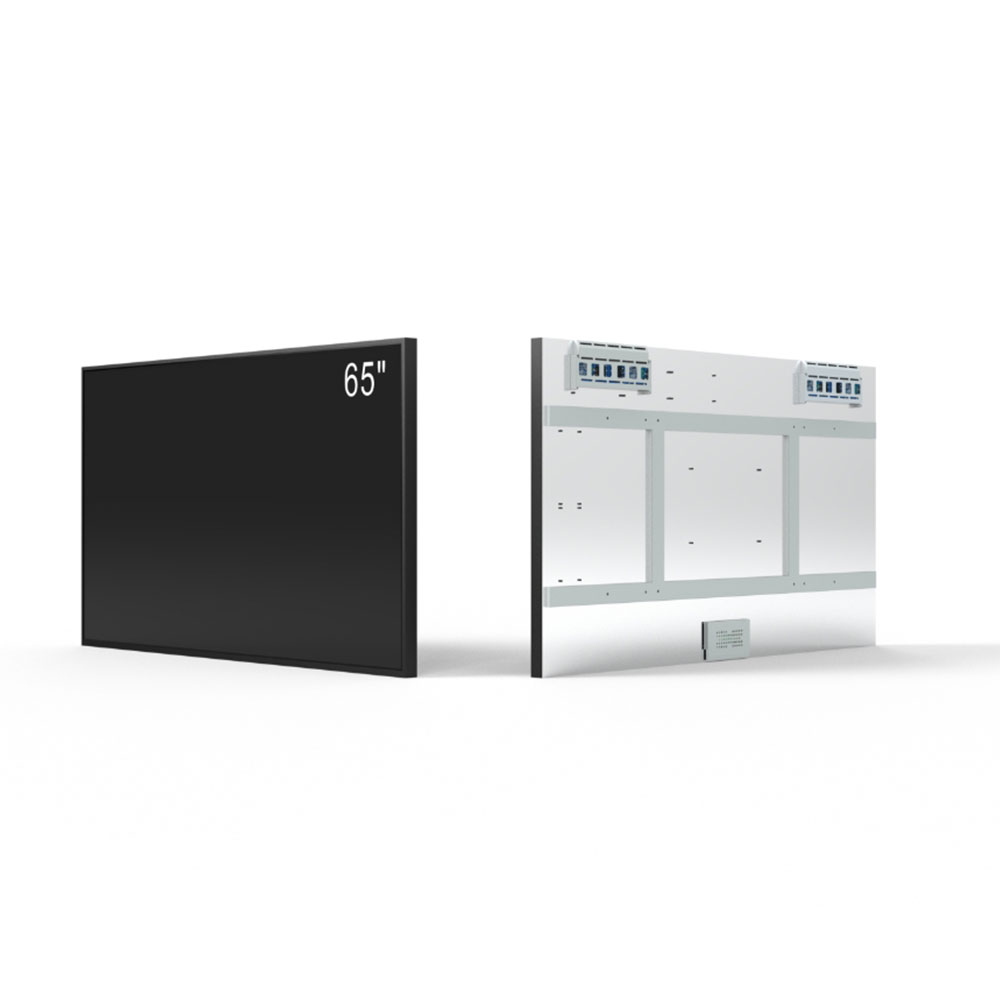
To meet evolving demands, manufacturers now employ OLED-based sunlight-readable solutions that offer superior contrast ratios (up to 1,000,000:1) and faster response times, though cost remains a barrier for mass adoption. Nonetheless, advancements in micro-LED and quantum dot technology promise even brighter, more energy-efficient options in the near future.
Ultimately, selecting the right sunlight-readable LCD requires careful evaluation of brightness levels, environmental resilience, power efficiency, and integration compatibility with existing systems. Whether deployed in defense, transportation, or industrial settings, these displays serve as essential interfaces between humans and machines in some of the most challenging outdoor environments today.