RisingStar
- Home
- About Us
- Products
- News
- Video
- Contact
- Send Inquiry
Search
- Home
- About Us
- Products
- News
- Video
- Contact
- Send Inquiry
RisingStar
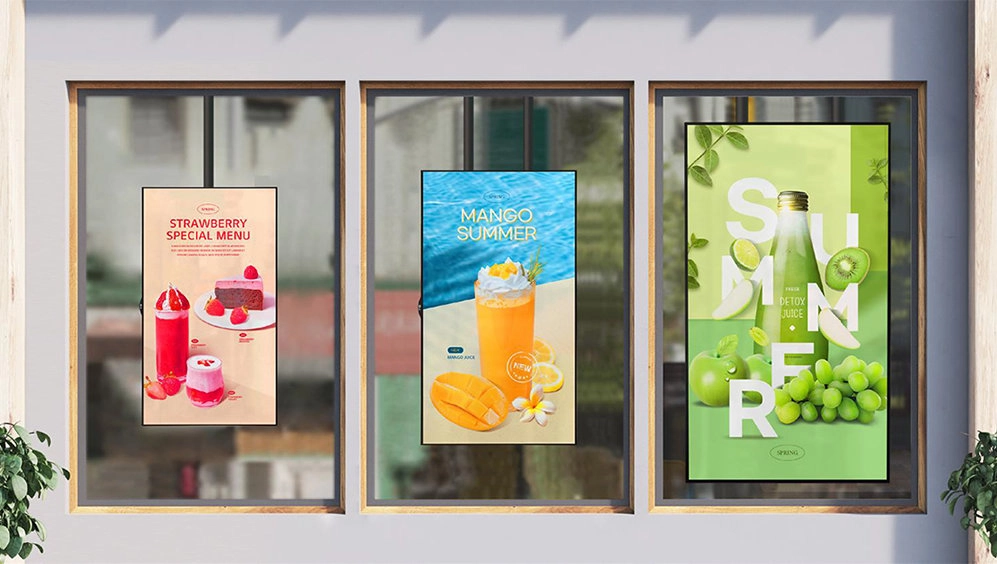
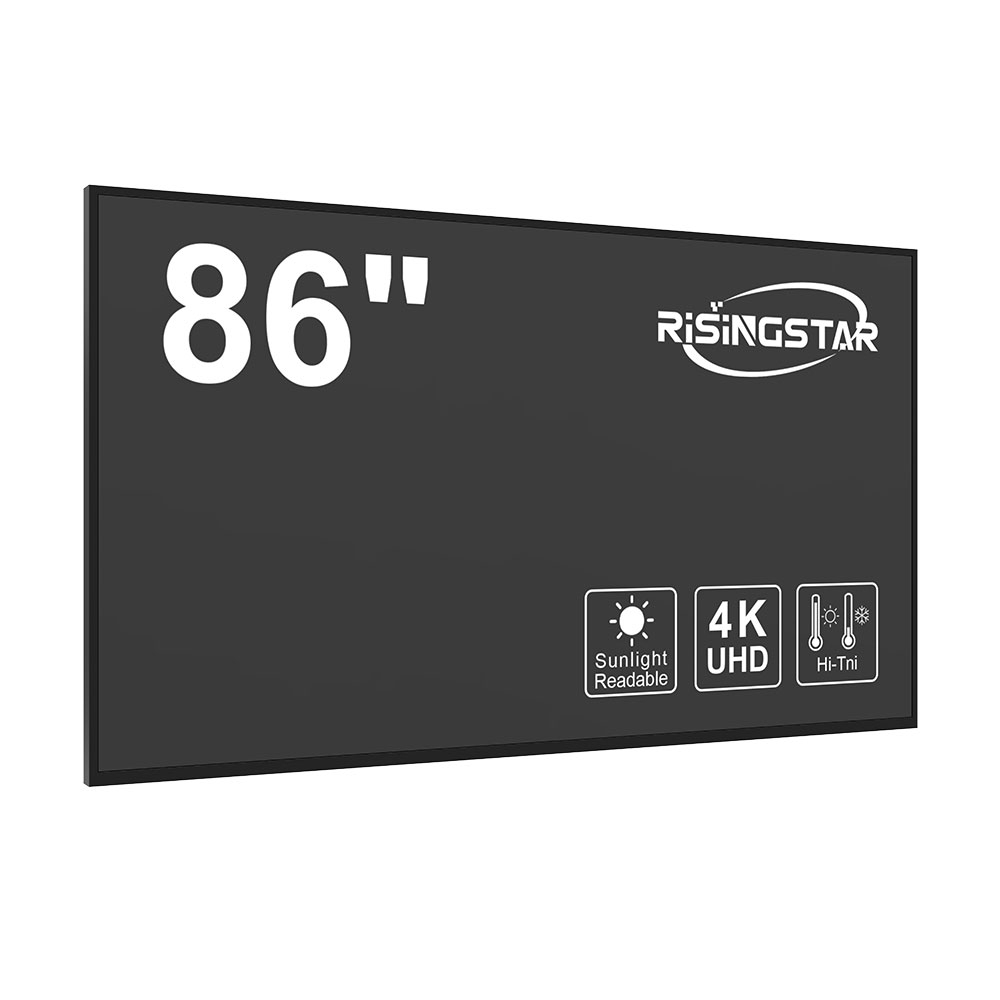
High-brightness sunlight-readable LCD screens with a 16:9 display ratio are essential in modern industrial, military, transportation, and outdoor digital signage applications where visibility under direct sunlight is critical. These displays range from compact 10.1-inch models used in handheld field devices to massive 110-inch panels deployed in public information systems. The 16:9 aspect ratio—standardized by the International Telecommunication Union (ITU) and widely adopted in consumer and professional electronics—offers optimal compatibility with HD video content, making it ideal for both data visualization and multimedia use cases.
Manufacturers like LG, Samsung, Sharp, and Eizo have developed specialized high-brightness LCDs using advanced backlight technologies such as LED arrays with integrated brightness control algorithms. For example, a 15.6-inch 16:9 panel may achieve up to 7,000 nits of peak brightness, far exceeding the typical 250–500 nits of standard indoor displays. This level of luminance ensures readability even under full sun conditions at noon, meeting or exceeding MIL-STD-810G and EN 60950 standards for rugged environments.
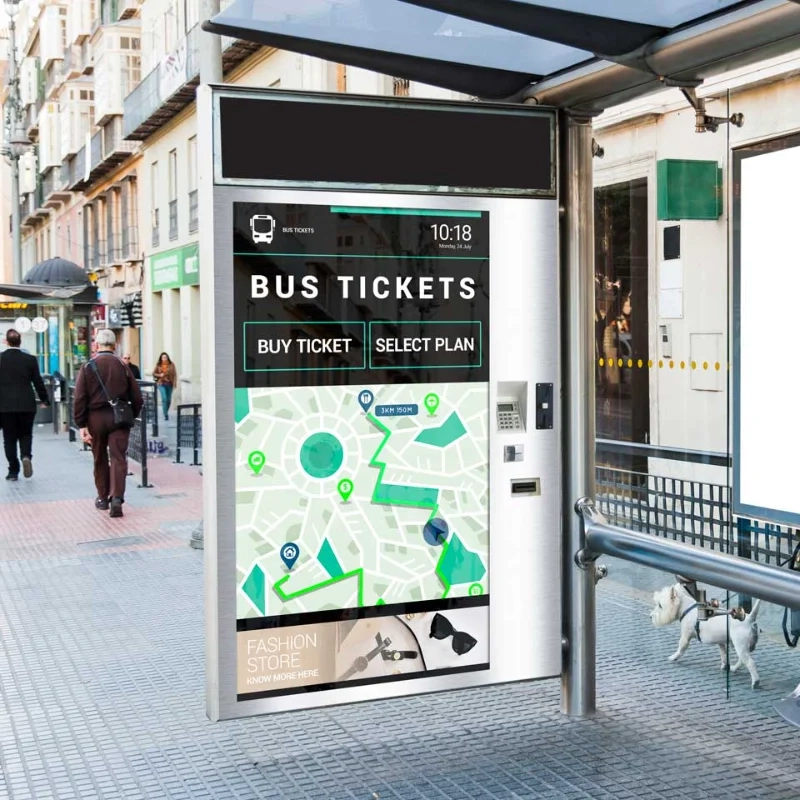
Case studies from the automotive industry show that 13.3-inch 16:9 sunlight-readable displays embedded in dashboards improve driver safety by reducing glare-induced eye strain during daytime driving. Similarly, 43-inch and 55-inch displays in outdoor kiosks and vending machines have been tested in Phoenix, Arizona, and Dubai, UAE, where ambient temperatures exceed 45°C and solar irradiance exceeds 1,000 W/m²—conditions that would render most standard LCDs unusable.
Key technical features include anti-glare coatings, polarized filters, and IPS (In-Plane Switching) or VA (Vertical Alignment) panels optimized for wide viewing angles. Many models also support touch functionality with glove-compatible sensors and IP65-rated enclosures for dust and water resistance. The 21.5-inch and 27-inch variants are commonly used in command centers, while 32-inch and larger sizes serve as interactive displays in airports and shopping malls.
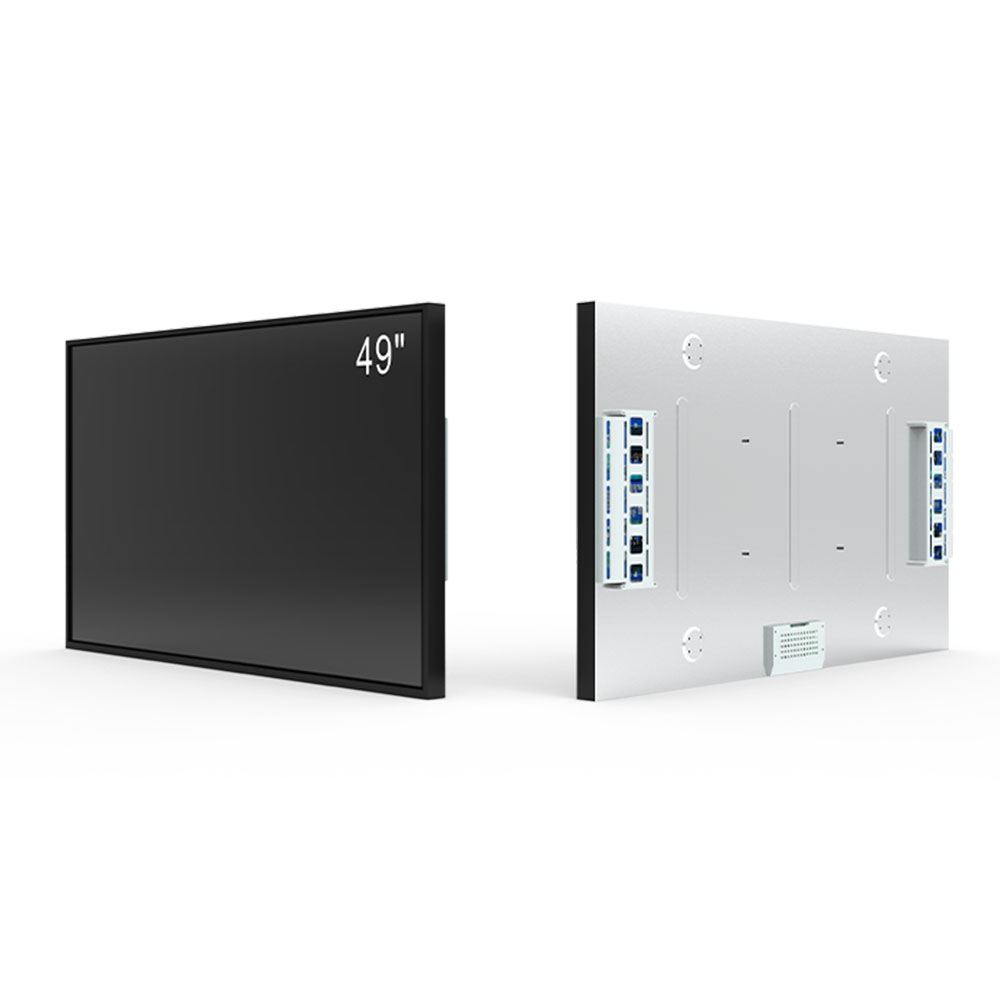
These displays are not only engineered for brightness but also for durability and thermal management. Passive cooling systems, heat dissipation materials, and automatic dimming based on ambient light sensors extend operational life in harsh environments. With growing demand in smart cities, autonomous vehicles, and defense sectors, the global market for sunlight-readable 16:9 LCDs is projected to exceed $10 billion by 2027 (Source: MarketsandMarkets, 2023).