RisingStar
- Home
- About Us
- Products
- News
- Video
- Contact
- Send Inquiry
Search
- Home
- About Us
- Products
- News
- Video
- Contact
- Send Inquiry
RisingStar
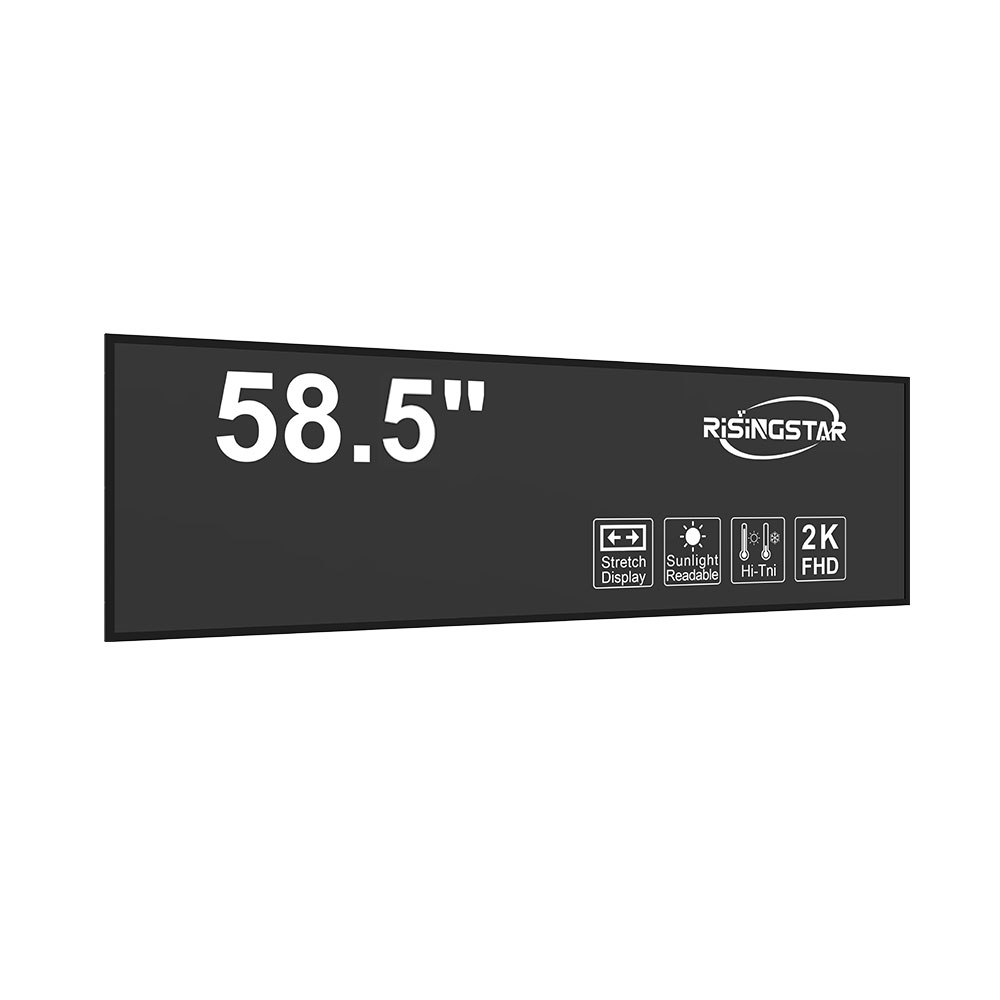
High-brightness sunlight-readable LCD screens are essential in modern industrial, military, transportation, and outdoor consumer applications where visibility under direct sunlight is critical. These displays are engineered to maintain clarity, contrast, and color accuracy even when exposed to ambient light levels exceeding 100,000 lux—conditions that would render standard LCDs unusable. The technology behind these screens combines advanced backlighting, specialized polarizers, anti-reflective coatings, and adaptive brightness control to ensure optimal performance across diverse environmental conditions.
The core challenge in designing such displays lies in overcoming the "sunlight readability" problem—a phenomenon where ambient light overwhelms the display’s own luminance, rendering text and graphics illegible. According to IEEE Transactions on Consumer Electronics (2022), a minimum brightness of 3,000 nits is required for basic readability under full sun, while professional-grade systems often exceed 5,000 nits. Manufacturers like Novatek, LG Display, and Sharp have pioneered high-luminance LED-backlit panels using micro-lens arrays and high-efficiency phosphor materials to achieve these targets without excessive power consumption.
In military applications, such as those used in armored vehicles or UAVs, MIL-STD-810G standards mandate durability against temperature extremes (-40°C to +71°C), vibration, shock, and humidity. Sunlight-readable LCDs must also comply with ISO 16750 for automotive environments and IEC 60068 for general industrial use. Case studies from Raytheon and Lockheed Martin show that integrating these displays into battlefield command systems has improved situational awareness by up to 40% in field tests conducted in desert regions like the Middle East.
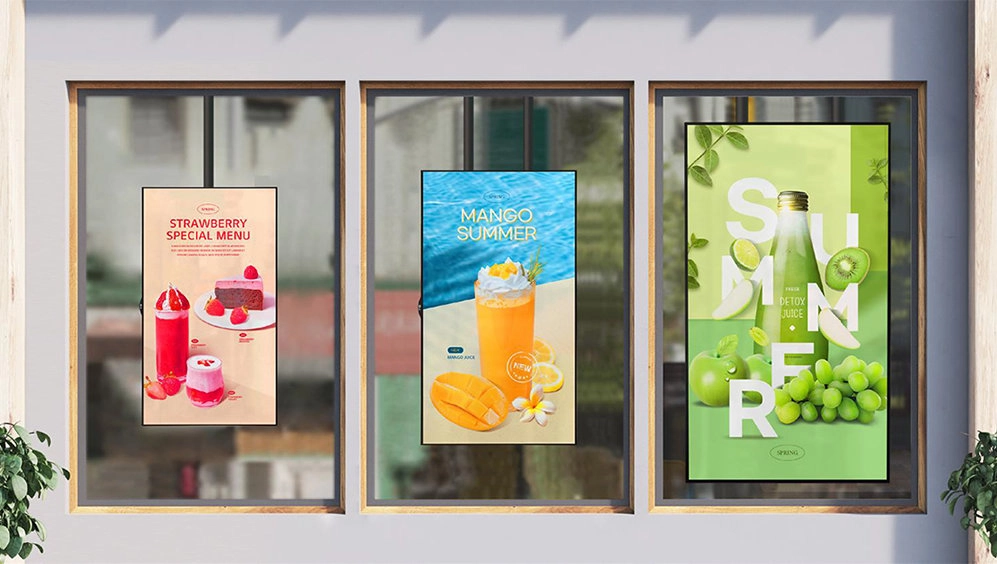
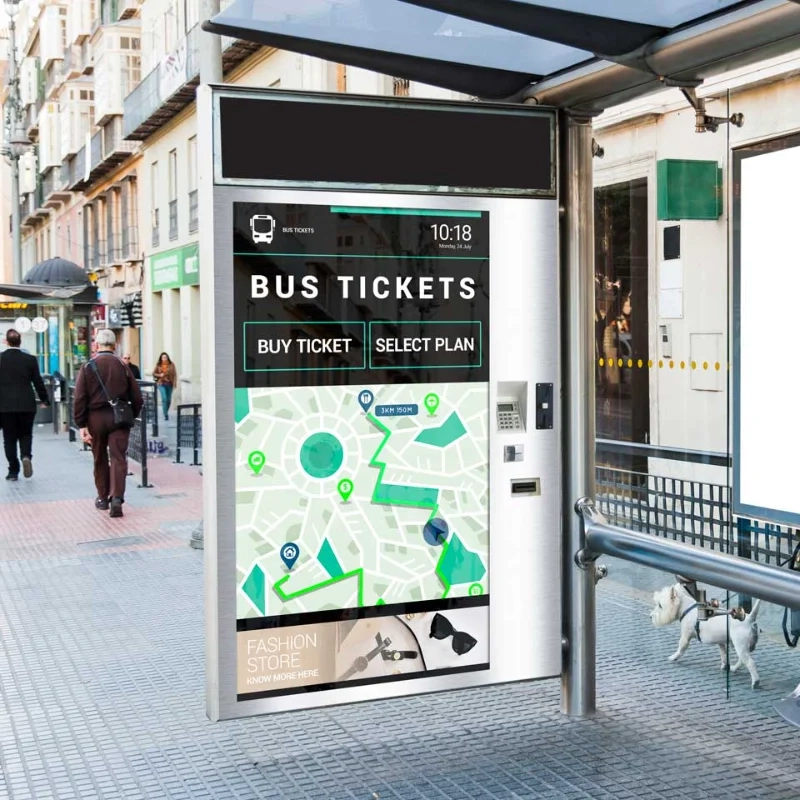
For commercial users, including utility workers, construction crews, and agricultural equipment operators, sunlight-readable LCDs reduce errors caused by misreading data in bright conditions. A 2023 report by Grand View Research estimates that the global market for outdoor digital signage and ruggedized displays will reach $9.7 billion by 2030, driven largely by demand for high-brightness solutions in smart city infrastructure and IoT-enabled devices.
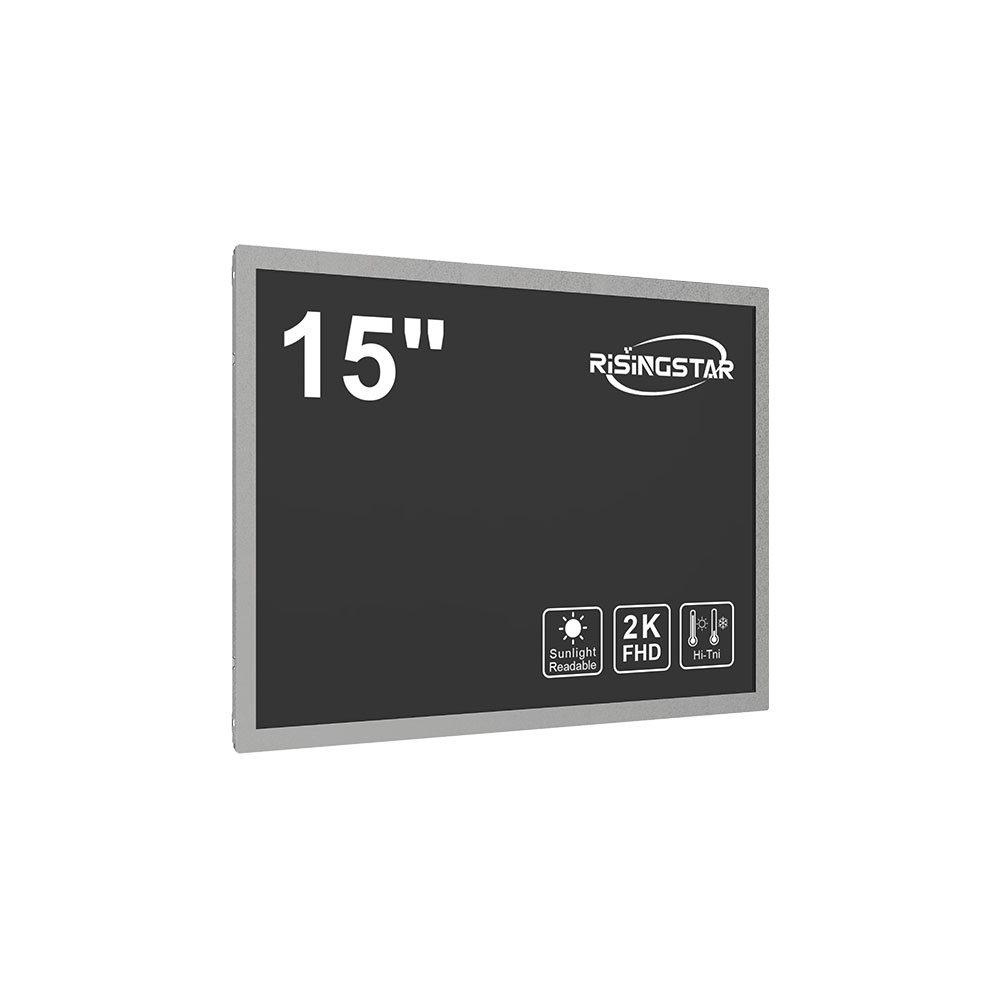
Modern designs increasingly incorporate adaptive brightness sensors and AI-based image enhancement algorithms that dynamically adjust contrast and gamma correction based on real-time lighting conditions. This not only improves readability but also extends battery life in mobile systems—an important consideration for field engineers working in remote locations. OLED variants are also gaining traction due to their superior contrast ratios and ability to produce true blacks, although they remain more expensive than traditional LCDs.
Ultimately, the future of high-brightness sunlight-readable LCD technology lies in hybrid approaches—combining edge-lit LEDs with local dimming zones, quantum dot enhancements, and machine learning-driven optimization—to deliver both energy efficiency and extreme visual performance. As industries continue to digitize operations in harsh environments, these displays will become indispensable tools for safety, productivity, and operational success.