 RisingStar
- Home
- About Us
- Products
- News
- Video
- Contact
- Send Inquiry
Search
- Home
- About Us
- Products
- News
- Video
- Contact
- Send Inquiry
RisingStar
Digital menu boards have emerged as a transformative technology in the restaurant, retail, and hospitality industries, offering dynamic, real-time content updates, enhanced visual appeal, and improved operational efficiency. Unlike traditional static signage, digital menu boards utilize high-brightness LCD screens capable of maintaining clarity even under direct sunlight—a critical feature for outdoor kiosks, drive-thrus, and storefronts. According to a 2023 report by Grand View Research, the global digital signage market is projected to reach $35.6 billion by 2030, with foodservice and retail segments leading growth due to rising demand for interactive and personalized customer experiences.
One of the most compelling advantages of digital menu boards is their ability to display time-sensitive promotions, limited-time offers (LTOs), and real-time pricing adjustments—enabling businesses to respond quickly to market conditions, inventory levels, or seasonal trends. For example, fast-food chains like McDonald’s and Starbucks have successfully implemented digital menu boards that dynamically change based on weather, time of day, and local preferences, resulting in measurable increases in average ticket size and customer engagement. A case study from the National Restaurant Association revealed that restaurants using digital menus saw an average 15% increase in upsell conversions compared to printed boards.
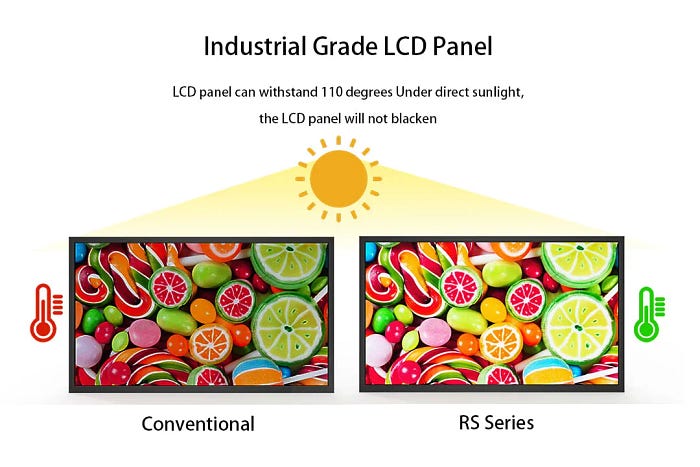
From a technical standpoint, modern digital menu boards rely on high-brightness sunlight-readable LCD panels rated at 5,000 nits or higher, ensuring visibility in bright environments. These displays often incorporate LED backlighting, anti-glare coatings, and wide viewing angles to maintain readability across various lighting conditions. Additionally, they are typically connected via cloud-based content management systems (CMS) such as ScreenFlow, BrightSign, or Xibo, allowing remote updates, scheduling, and analytics tracking—features essential for multi-location brands.
Energy efficiency is another key benefit. Compared to older CRT-based or fluorescent-lit signage, digital menu boards consume up to 70% less power while delivering superior image quality. This aligns with corporate sustainability goals and reduces long-term operational costs. Furthermore, digital boards eliminate the need for frequent printing, reducing paper waste and lowering supply chain dependencies.
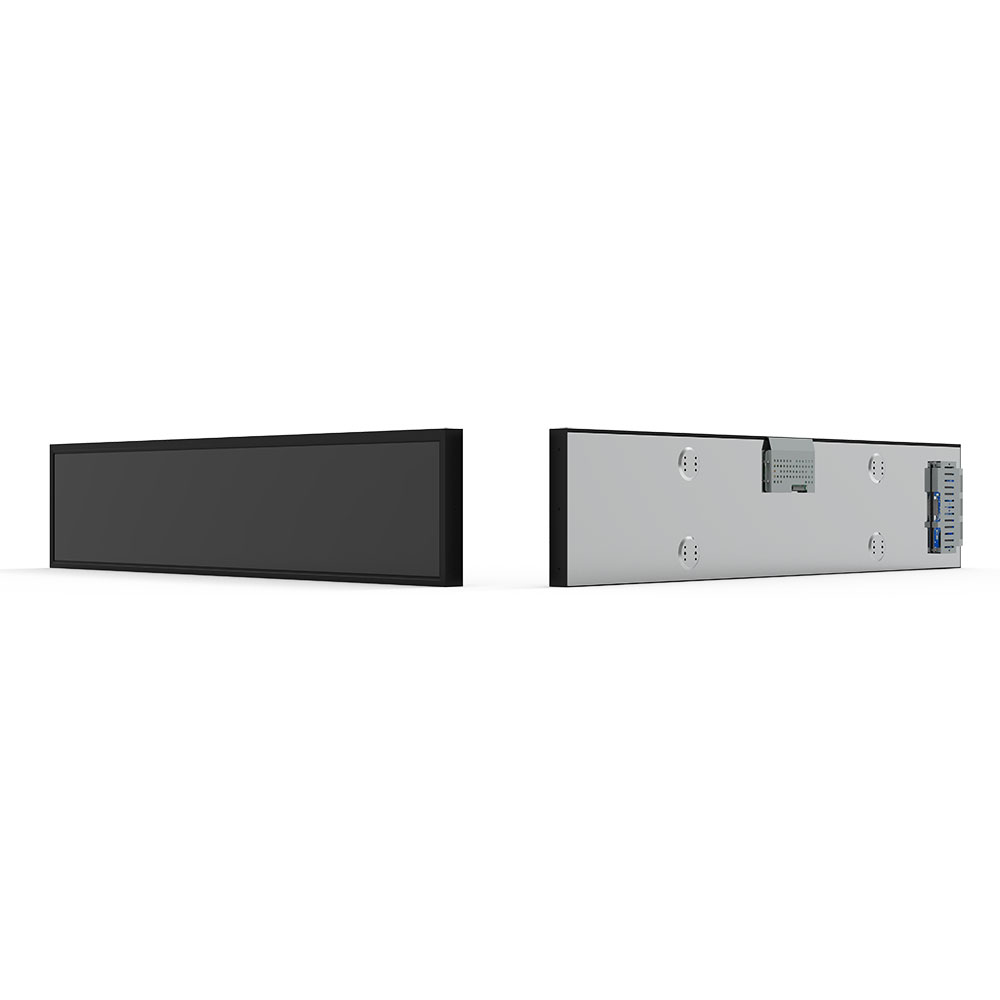
In retail environments, digital menu boards also serve as powerful merchandising tools. They can showcase product bundles, highlight bestsellers, and integrate with point-of-sale (POS) systems to reflect real-time stock availability. For instance, retailers like Target and Best Buy use digital signage to guide customers through store layouts and promote cross-category sales—boosting both dwell time and conversion rates.
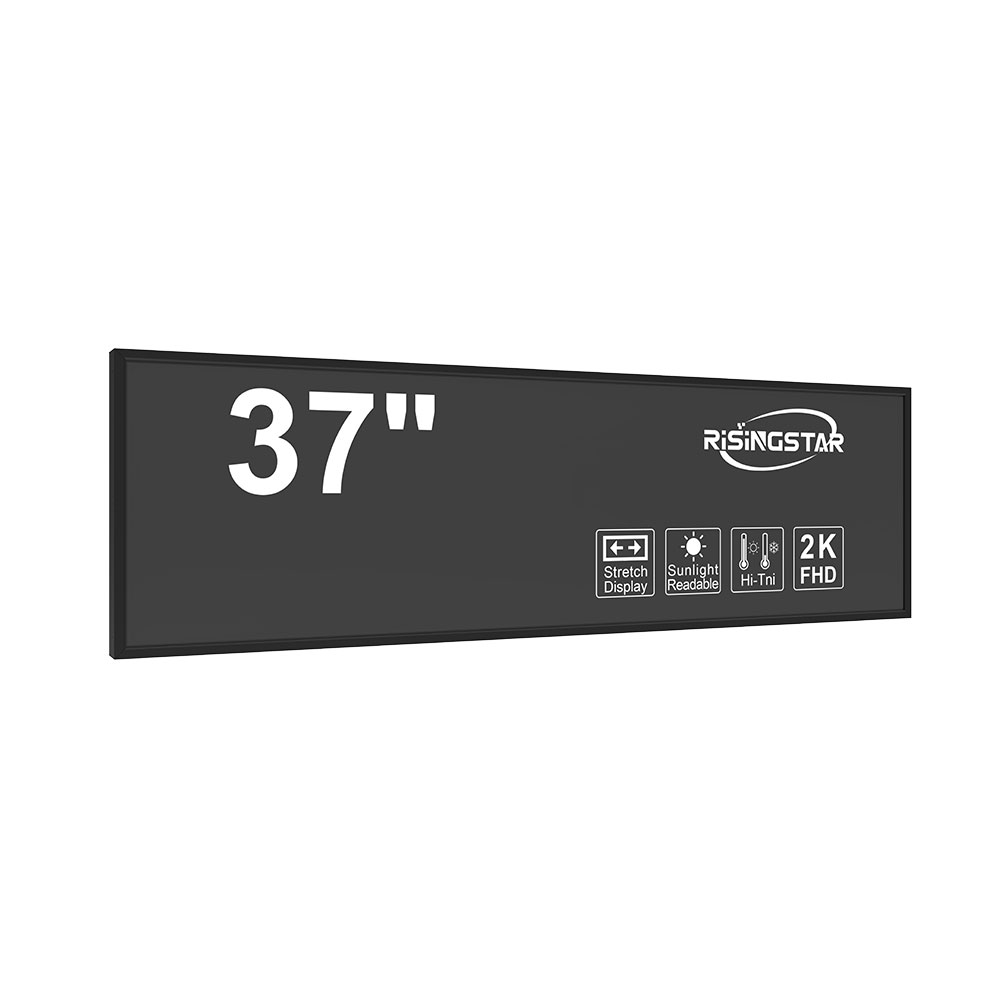
The integration of AI-powered analytics is now taking digital menu boards to the next level. Facial recognition, heat mapping, and sentiment analysis tools enable operators to measure engagement, adjust content in real-time, and optimize layout based on foot traffic patterns. Such insights are invaluable for improving ROI and enhancing customer satisfaction.
As consumer expectations continue to evolve toward seamless, tech-driven experiences, digital menu boards are no longer a luxury but a necessity for forward-thinking businesses. Whether deployed in a busy airport café, a grocery store deli, or a hotel lobby, these systems provide the flexibility, scalability, and intelligence needed to thrive in competitive markets.