 RisingStar
- Home
- About Us
- Products
- News
- Video
- Contact
- Send Inquiry
Search
- Home
- About Us
- Products
- News
- Video
- Contact
- Send Inquiry
RisingStar
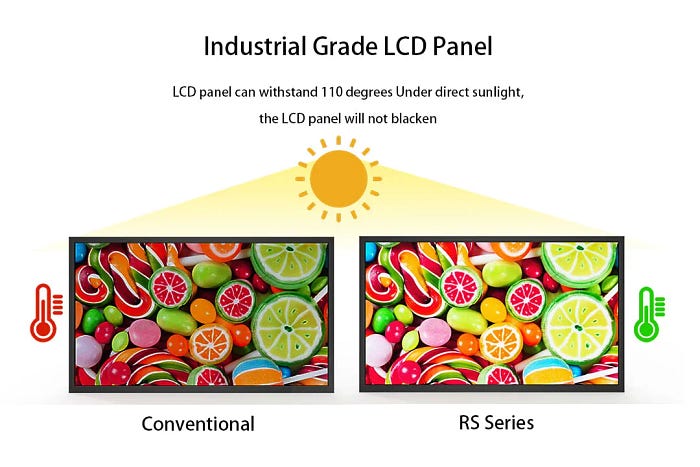
When designing or sourcing display solutions for outdoor industrial equipment—such as construction machinery, agricultural vehicles, utility meters, or portable medical devices—selecting the right high-brightness sunlight-readable LCD screen is critical. These screens must perform reliably under harsh environmental conditions, including direct sunlight, extreme temperatures, and vibration. According to a 2023 report by Grand View Research, the global industrial display market is projected to reach $18.7 billion by 2030, with demand driven largely by increased automation in manufacturing, agriculture, and infrastructure sectors.
The primary challenge in outdoor applications is visibility under bright sunlight. Standard LCDs typically offer brightness levels between 250–400 nits, which become unusable when exposed to sunlight exceeding 10,000 lux (approximately 3,000 nits). To ensure readability, high-brightness sunlight-readable LCDs must achieve at least 1,500 nits, with premium models reaching up to 5,000 nits. This level of brightness is achieved through advanced backlighting technologies such as LED arrays with optimized diffusers, high-efficiency drivers, and sometimes dual-layer anti-glare coatings.
Another key factor is contrast ratio. A minimum contrast ratio of 500:1 is essential for clear image differentiation in daylight. Some manufacturers use polarized filters, high-transmission glass, and local dimming techniques to improve contrast without increasing power consumption—a critical consideration for battery-powered devices. For instance, a case study from LG Display showed that their 7-inch sunlight-readable LCD (model LMS700W) used a proprietary high-luminance LED backlight combined with a micro-louvered polarizer to maintain readability at over 3,000 nits while reducing power draw by 20% compared to older designs.
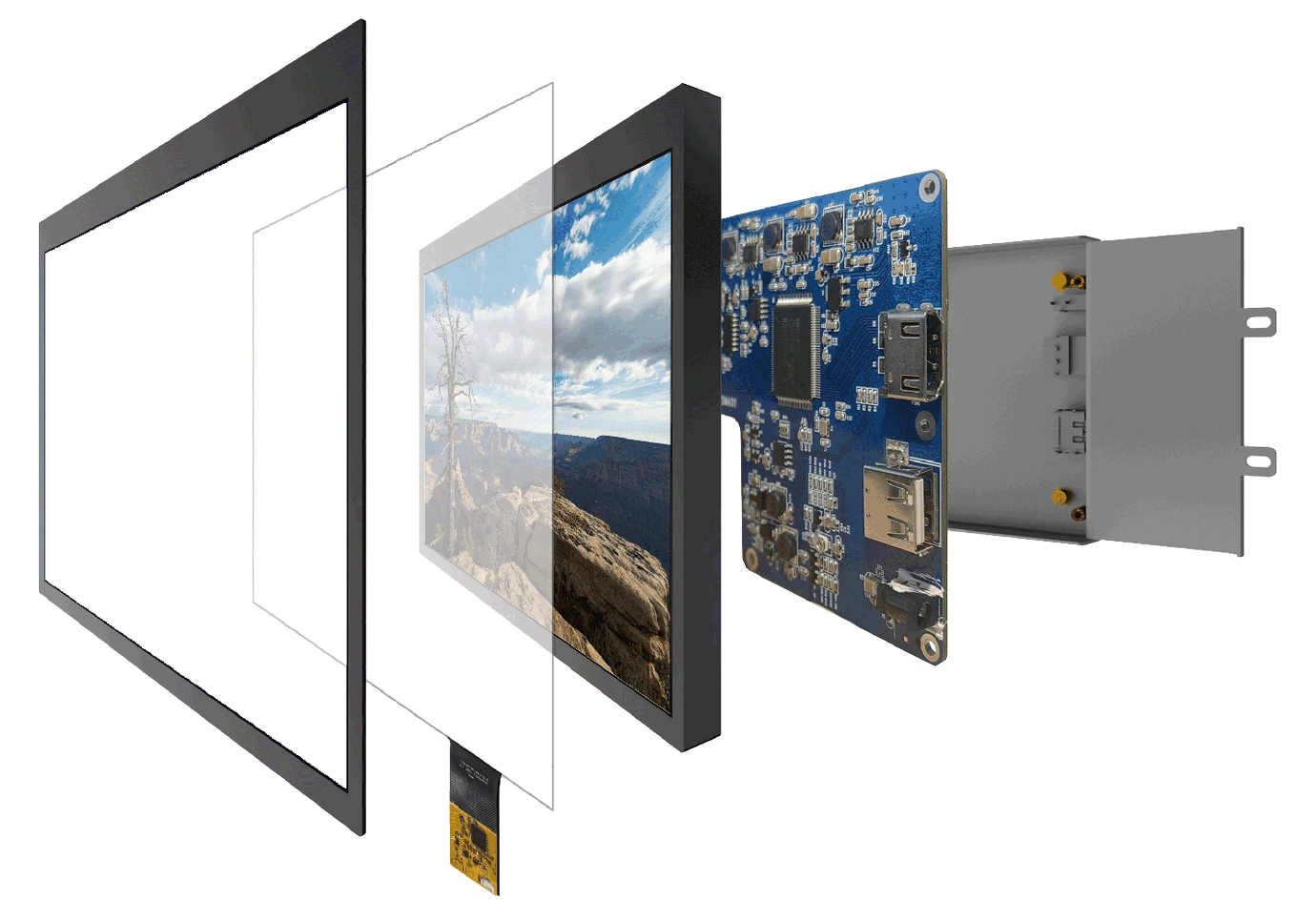
Durability is equally important. Industrial-grade displays must meet IP65 or higher ratings for dust and water resistance, and withstand operating temperatures from -30°C to +70°C. MIL-STD-810G shock and vibration standards are often required for heavy-duty applications. Components like ruggedized touchscreens with capacitive or resistive layers, and sealed backlights using silicone gaskets, help ensure long-term reliability in field conditions.
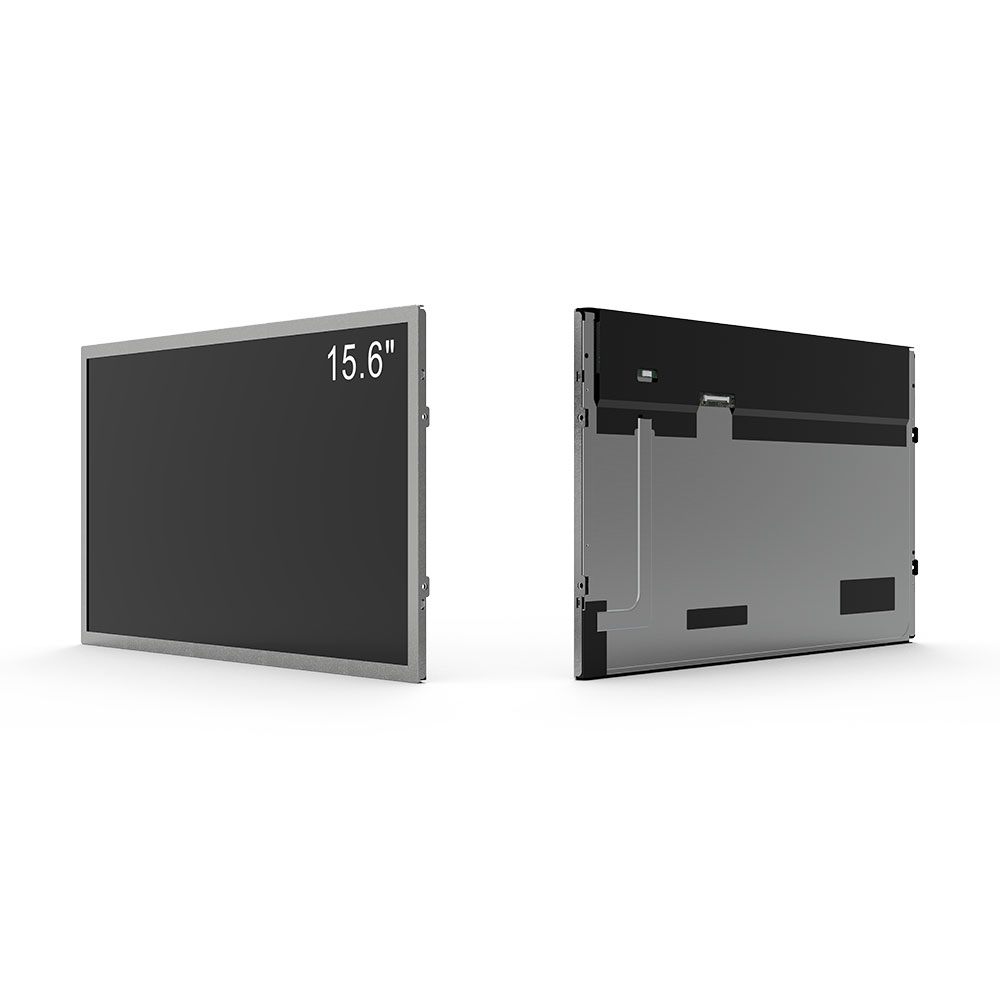
Additionally, modern industrial customers increasingly prioritize compatibility with embedded systems and communication protocols such as RS-485, CAN bus, or LVDS. The integration of built-in drivers and standardized interfaces simplifies design-for-manufacturing (DFM), reducing time-to-market for OEMs. For example, companies like Sharp, Samsung, and Innolux now offer “plug-and-play” sunlight-readable panels that include pre-integrated signal processing and power management circuits, accelerating deployment in robotics, remote monitoring systems, and smart metering devices.
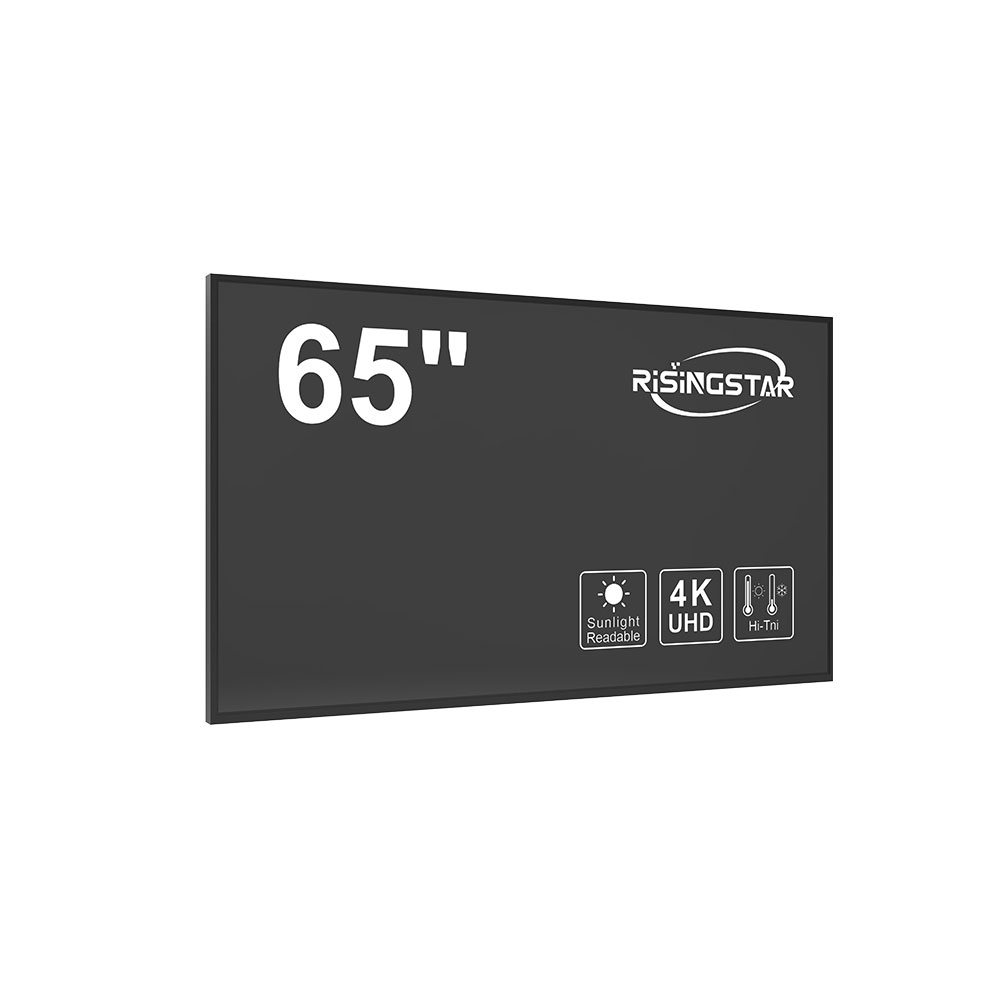
Finally, cost-effectiveness should not be overlooked. While premium panels may cost 20–30% more than standard industrial LCDs, their longer lifespan, reduced maintenance needs, and improved operator safety (due to better visibility) provide strong return on investment—especially in critical operations like mining, maritime, or emergency response vehicles.
In summary, selecting a high-brightness sunlight-readable LCD for outdoor industrial equipment requires balancing brightness, contrast, durability, interface compatibility, and lifecycle cost. By aligning technical specs with real-world use cases—such as those validated in ISO 16750 (environmental testing for automotive electronics) or IEC 60068 (climatic testing)—OEMs and distributors can ensure robust performance across diverse global markets.