RisingStar
- Home
- About Us
- Products
- News
- Video
- Contact
- Send Inquiry
Search
- Home
- About Us
- Products
- News
- Video
- Contact
- Send Inquiry
RisingStar
High-brightness sunlight-readable LCD screens are engineered to deliver clear, visible display performance under intense outdoor lighting conditions—such as direct sunlight or harsh ambient light. These screens are essential for applications where visibility is critical, including military equipment, industrial control panels, public transportation displays, medical devices, and outdoor kiosks. Unlike standard LCDs that become nearly invisible in bright environments due to low peak brightness and poor contrast ratios, high-brightness sunlight-readable displays utilize specialized backlighting, anti-glare coatings, and advanced panel technologies to maintain readability.
A key metric in evaluating these displays is peak brightness, typically measured in nits (candela per square meter). While conventional indoor LCDs offer 250–400 nits, sunlight-readable models must exceed 5,000 nits—some even reaching 10,000 nits or more. This level of brightness ensures the screen remains legible even under full sun at noon. For instance, MIL-STD-3009 and ISO 13406 standards define minimum brightness requirements for military-grade displays used in combat vehicles, aircraft, and command centers, often specifying 5,000+ nits for optimal performance in dynamic lighting environments.
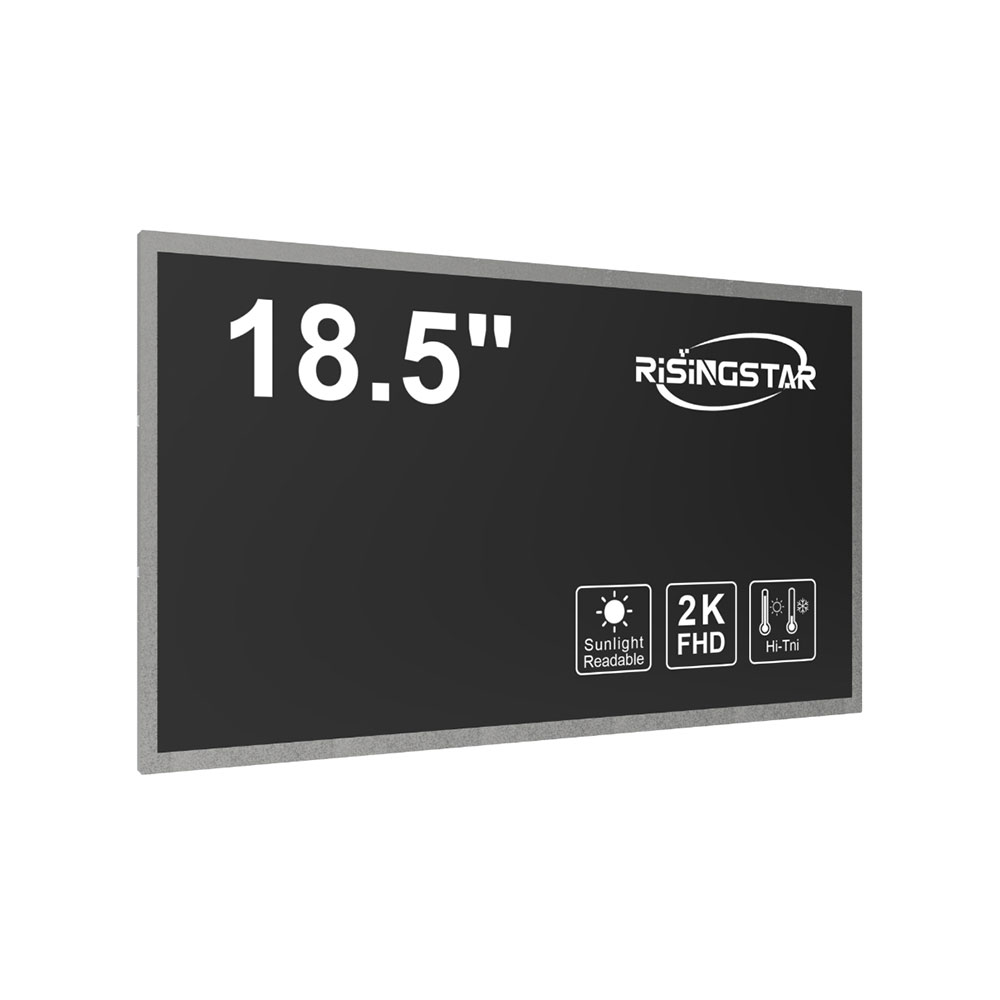
To achieve this, manufacturers employ several technologies:
- LED Backlight Arrays: High-power LEDs with optimized thermal management allow for uniform illumination across the entire display surface.
- Anti-Glare and Anti-Reflective Coatings: These reduce surface reflections by up to 95%, ensuring image clarity even when sunlight hits the screen at oblique angles.
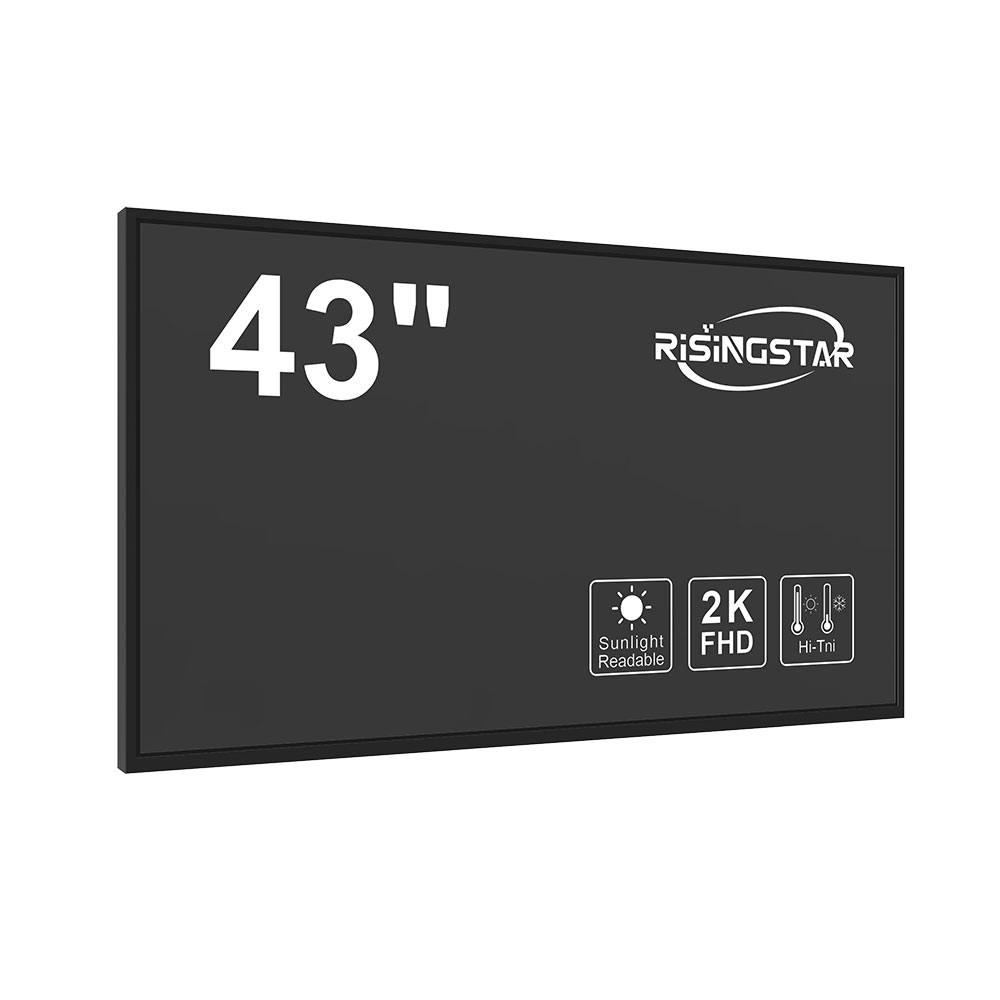
- Transflective LCD Panels: Combining transmission and reflection modes, transflective technology uses ambient light during daylight hours and switches to LED backlighting in low-light conditions—reducing power consumption while maximizing visibility.
- Enhanced Contrast Ratios: Sunlight-readable displays typically feature contrast ratios of 1000:1 or higher, often utilizing black matrix optimization and wide viewing angles (up to 178°) for consistent image quality from any angle.
Case studies from the defense sector demonstrate real-world success. In 2021, a U.S. Army project integrated 7-inch sunlight-readable LCDs into portable battlefield communication units. The displays, rated at 8,000 nits with transflective technology, enabled soldiers to read critical data in desert and jungle environments without needing to adjust their position or rely on additional shading. Similarly, in the maritime industry, shipboard navigation systems now use 10,000-nit displays compliant with EN 60945 standards, ensuring reliable operation under extreme solar radiation.
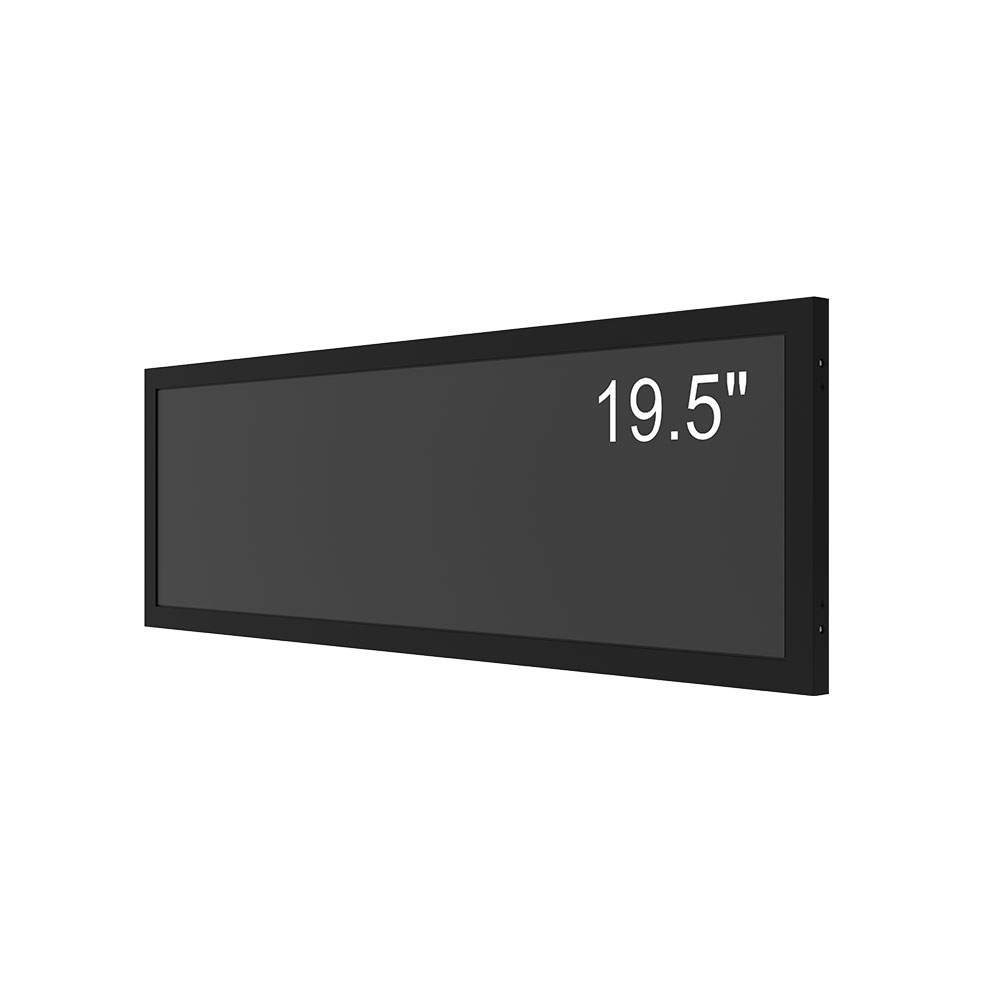
Another emerging application is in smart city infrastructure. Public information displays in transit hubs, such as those installed in London’s Underground and Tokyo Metro, rely on high-brightness sunlight-readable LCDs to convey real-time updates to commuters—even in full sun. These installations must also meet IP65 or higher environmental ratings for dust and water resistance, making them suitable for outdoor deployment year-round.
Manufacturers like ELO Touch Solutions, LG Display, and Sharp have developed proprietary solutions using OLED-based backlighting and micro-lens arrays to further enhance luminance efficiency. Recent innovations include adaptive brightness sensors that dynamically adjust display output based on ambient light levels—a feature increasingly adopted in both commercial and defense sectors for energy savings and extended device battery life.
The future of high-brightness sunlight-readable displays lies in miniaturization, improved energy efficiency, and integration with AI-driven user interfaces. As global demand grows—from military operations to autonomous vehicle dashboards—the development of next-generation materials such as quantum dot-enhanced backlights and flexible AMOLED substrates promises even greater performance in challenging outdoor conditions.