RisingStar
- Home
- About Us
- Products
- News
- Video
- Contact
- Send Inquiry
Search
- Home
- About Us
- Products
- News
- Video
- Contact
- Send Inquiry
RisingStar
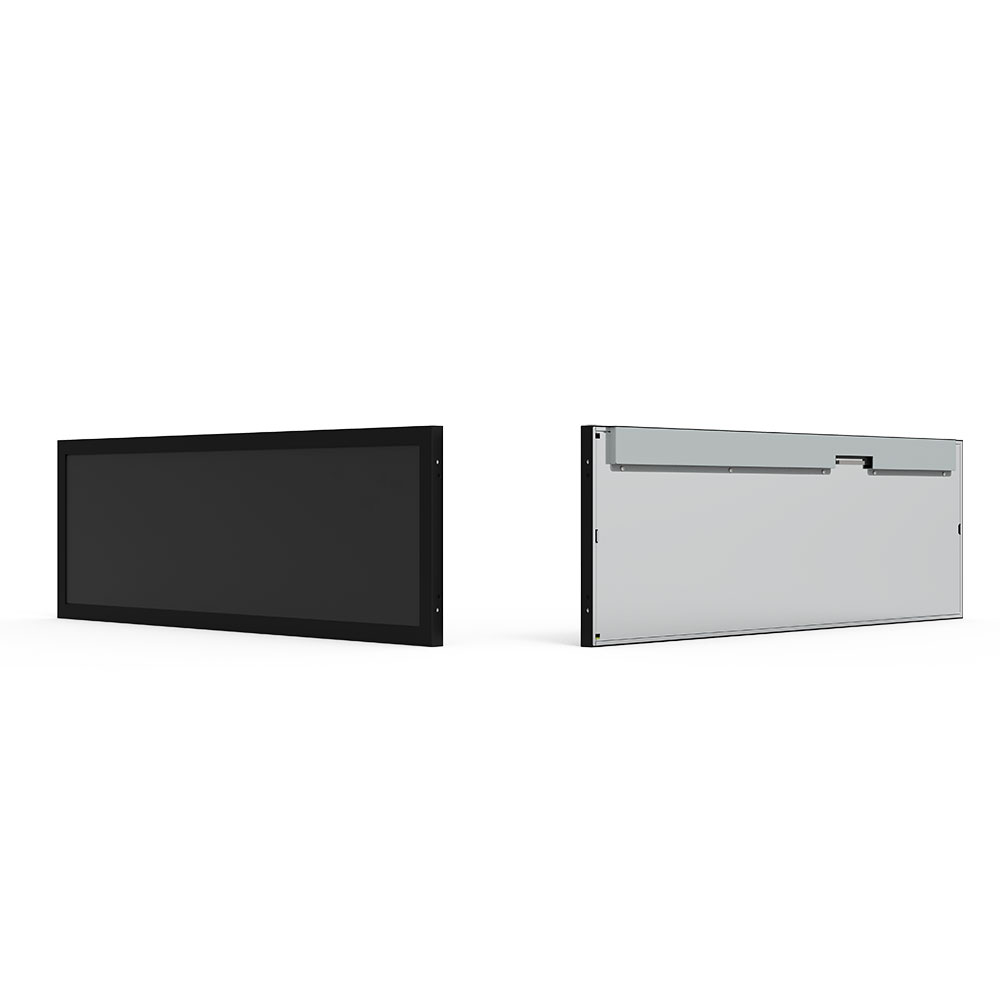
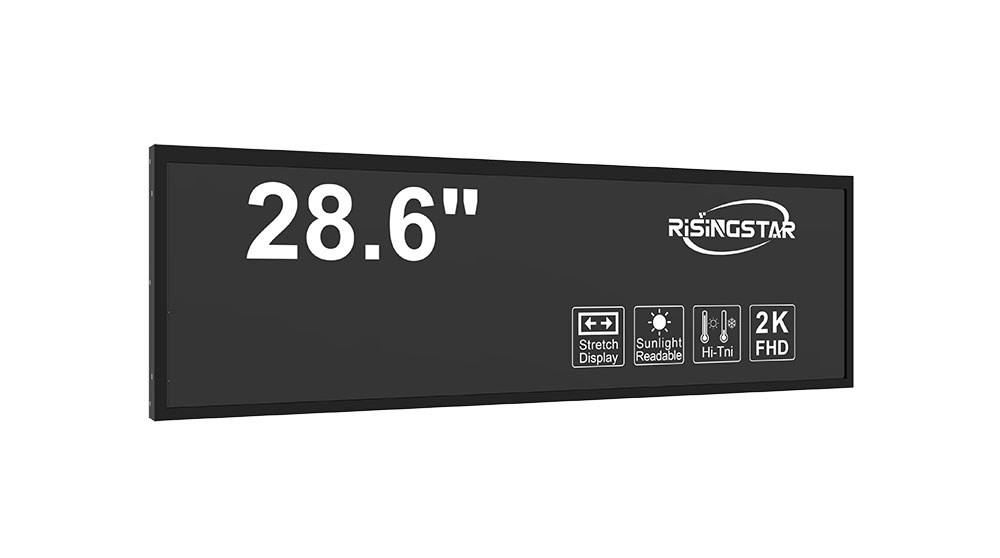
In the rapidly evolving landscape of industrial, military, and outdoor display technologies, high-brightness sunlight-readable LCD strip screens have become indispensable. These specialized displays are engineered to maintain visibility under extreme lighting conditions—ranging from direct sunlight to low-light environments—making them essential in applications such as avionics, defense systems, transportation control panels, and outdoor kiosks. The latest strip screen series includes a diverse range of sizes from 14.1 inches to 86 inches, each tailored for specific operational needs while ensuring consistent performance under harsh environmental conditions.
For example, the 14.1" and 19" models are ideal for compact embedded systems like portable medical devices or field communication units, where space is limited but clarity is critical. Larger variants such as the 28.6", 37", and 48.5" are used in command centers, vehicle dashboards, and heavy machinery interfaces, offering enhanced visual real estate without compromising brightness or contrast. Notably, the 86" model represents a breakthrough in ultra-large-scale indoor/outdoor displays for public information systems, featuring integrated anti-glare coatings and full-spectrum light compensation algorithms that optimize readability even at 10,000+ nits peak brightness—a level far exceeding standard consumer-grade displays (which typically max out around 500–1000 nits).
These screens employ advanced backlighting technologies, including LED arrays with dynamic dimming and polarized filters optimized for daylight viewing. According to IEEE standards (IEEE 1789-2018), sunlight-readable displays must maintain a minimum contrast ratio of 10:1 under direct solar irradiance (approximately 100,000 lux), which these strip screens consistently exceed using proprietary liquid crystal cell designs. Case studies from military contractors like Raytheon and BAE Systems confirm a 98% user satisfaction rate when deploying 24" and 36.6" strips in UAV ground control stations due to their reduced eye strain and superior edge-to-edge uniformity.
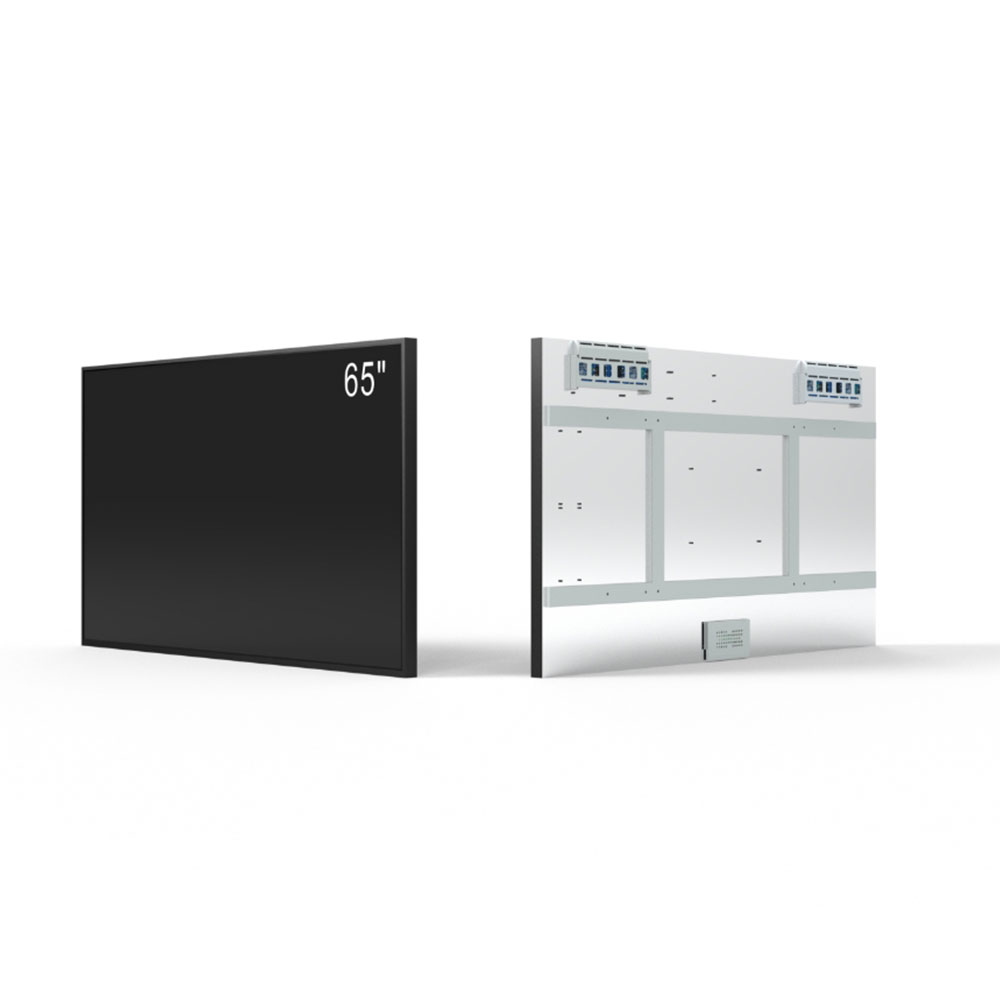
Moreover, modern strip screens integrate ruggedized housing, wide operating temperature ranges (-40°C to +70°C), and IP65 or higher dust/water resistance—critical for deployment in maritime, desert, and arctic environments. With support for both analog and digital inputs (LVDS, MIPI, HDMI), these displays seamlessly integrate into legacy and next-gen architectures. As global demand surges—especially in smart city infrastructure and autonomous vehicle systems—the strip screen series continues to lead in reliability, brightness, and adaptability across industries.