RisingStar
- Home
- About Us
- Products
- News
- Video
- Contact
- Send Inquiry
Search
- Home
- About Us
- Products
- News
- Video
- Contact
- Send Inquiry
RisingStar
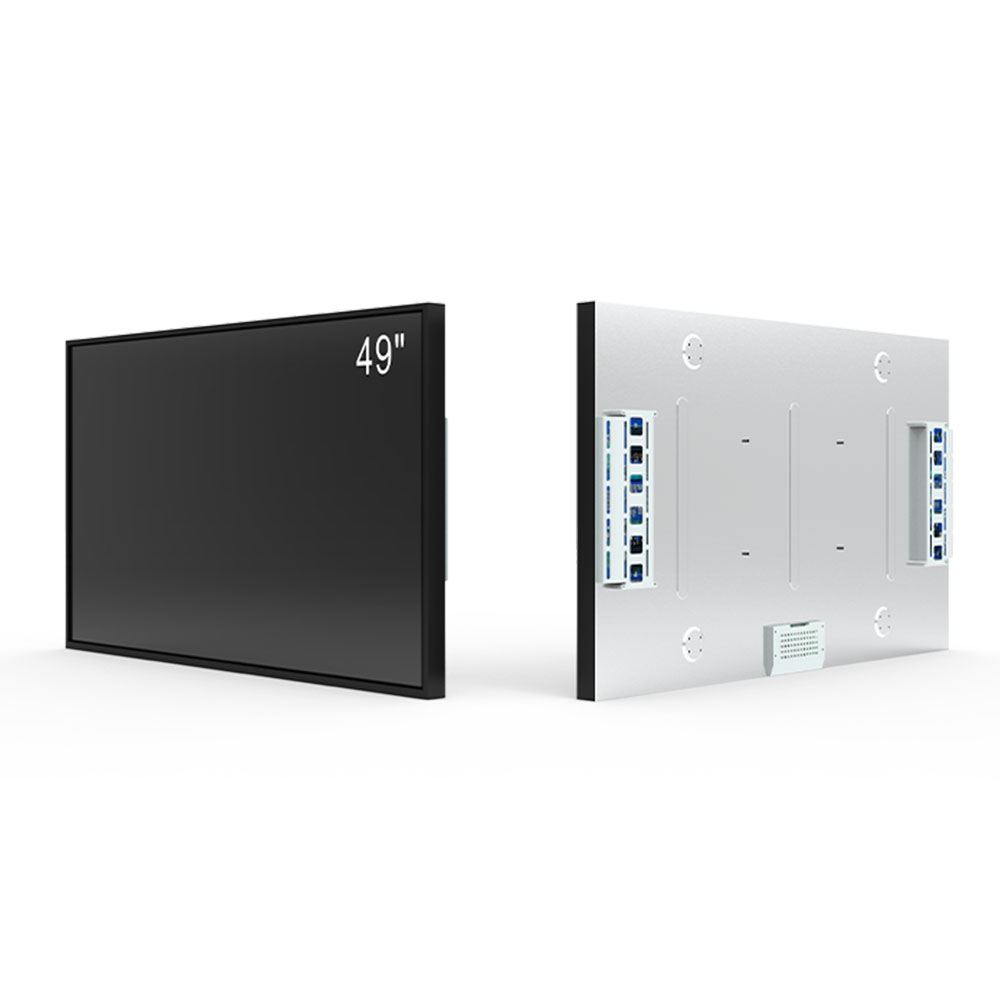
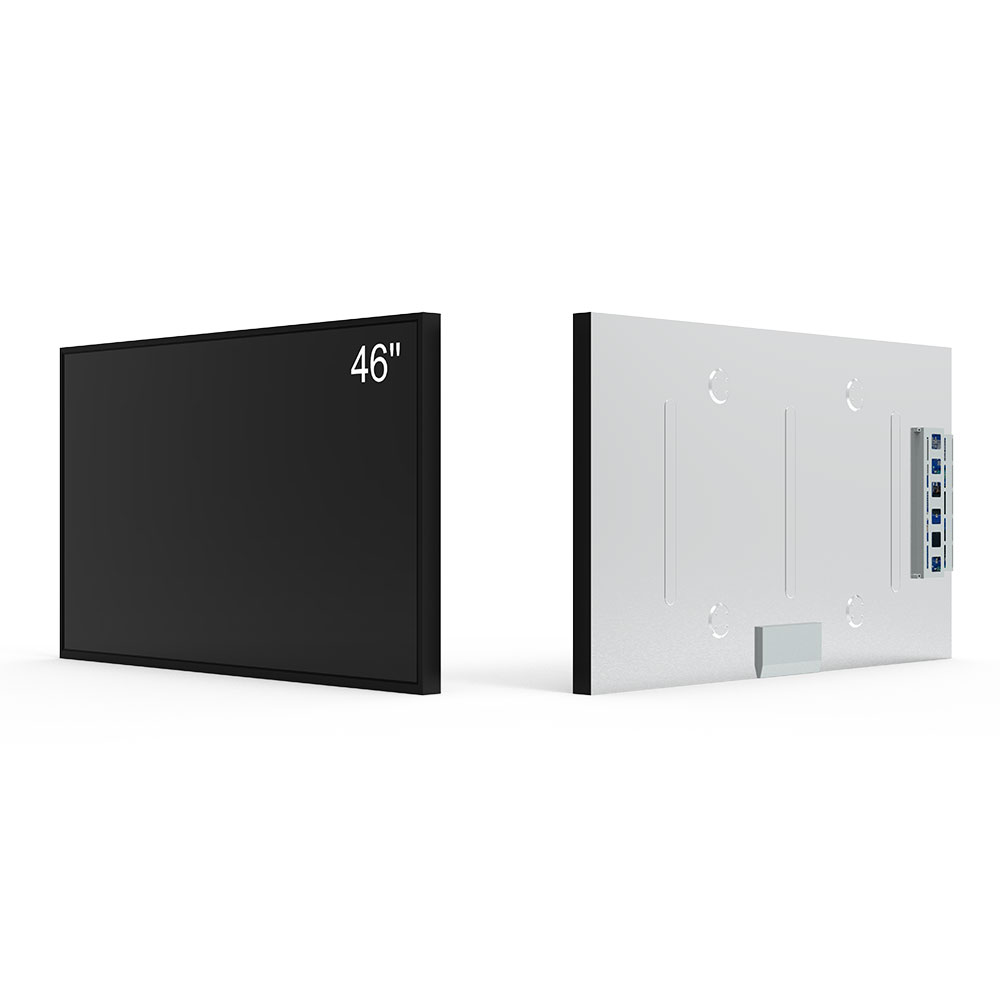
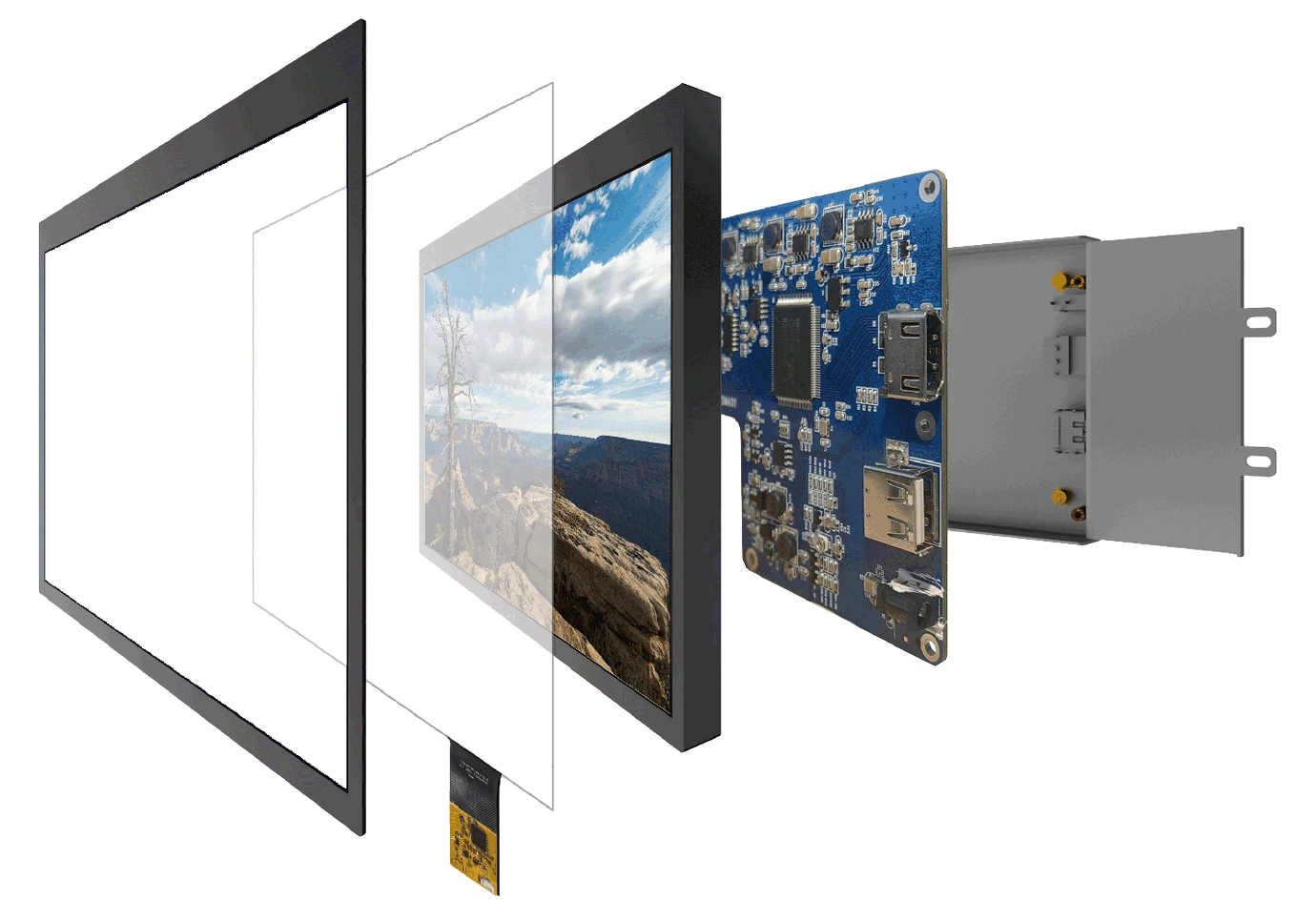
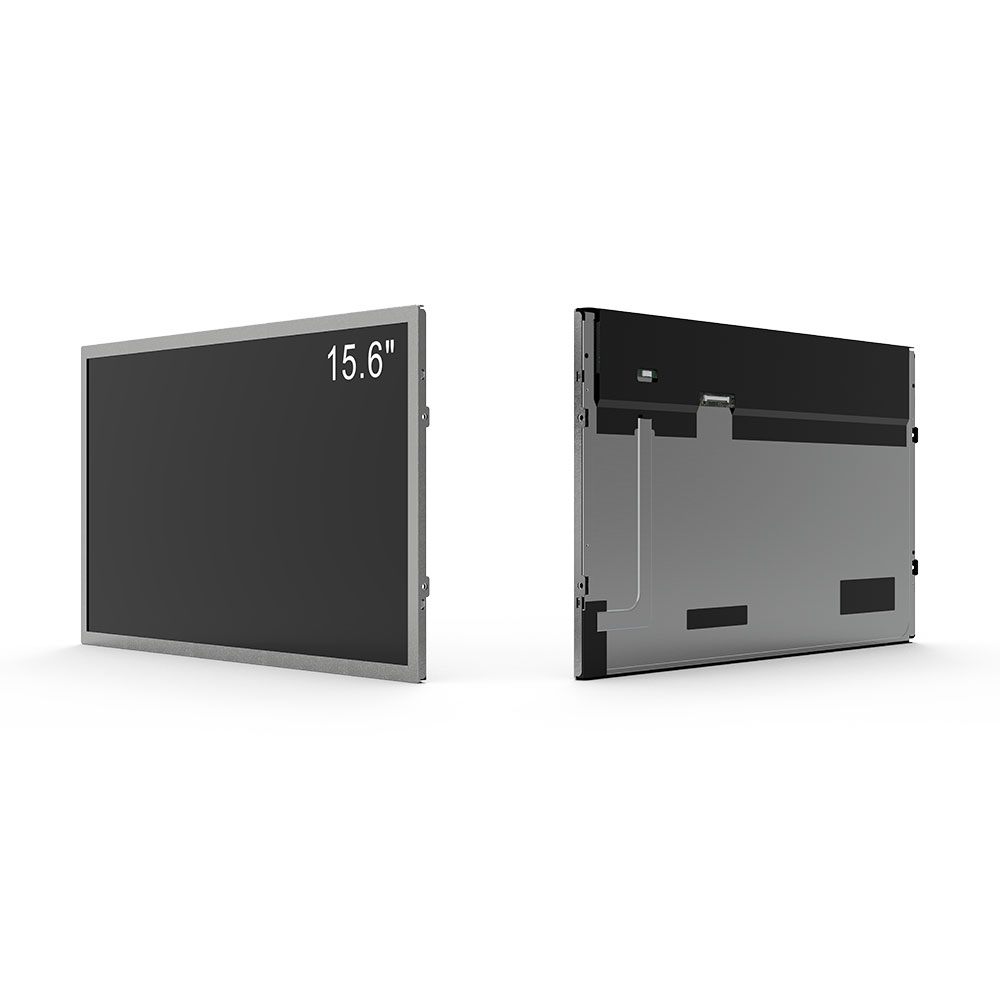
High-brightness sunlight-readable LCD screens are critical components in modern outdoor and industrial applications where visibility under direct sunlight is essential. These displays surpass standard LCDs by achieving brightness levels of 5,000 to 10,000 nits—up to 20 times brighter than typical indoor monitors—ensuring readability even in intense solar conditions. This enhanced performance is achieved through a combination of advanced backlighting technologies (such as LED arrays with high-lumen output), optimized polarizer layers, anti-reflective coatings, and active contrast enhancement algorithms. According to the Society for Information Display (SID), over 70% of military-grade and transportation-related display systems now incorporate sunlight-readable LCDs due to their reliability and durability.
The design principles behind these screens involve both optical and thermal engineering. For example, the use of cold cathode fluorescent lamps (CCFL) has largely been replaced by high-efficiency LEDs, which not only boost luminance but also reduce power consumption and heat generation—a crucial factor in field operations. Additionally, manufacturers integrate features such as wide viewing angles (>140°), high contrast ratios (≥1000:1), and IP65 or higher environmental sealing to withstand dust, moisture, and vibration. Case studies from companies like Eizo, LG Display, and BriteDisplay show successful deployments in aerospace control panels, agricultural machinery dashboards, and mobile command centers during military exercises.
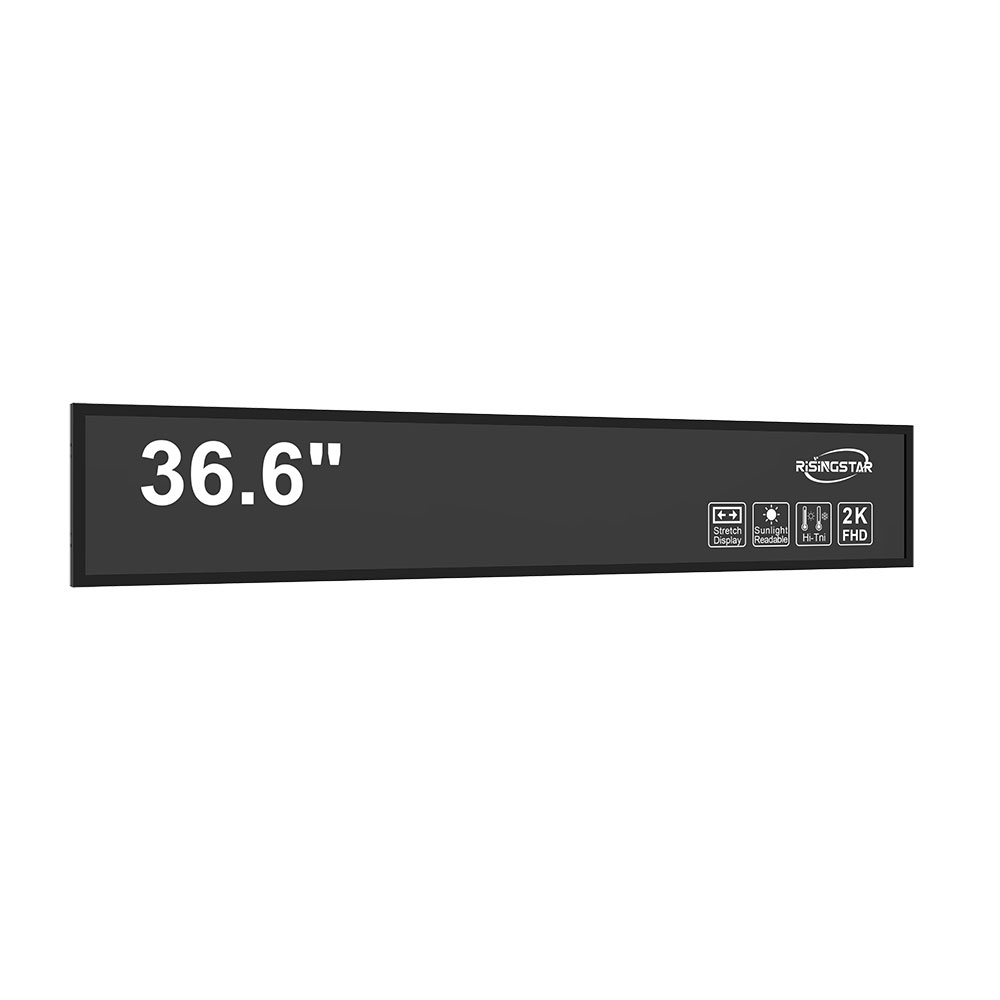
In terms of application sectors, the demand for high-brightness LCDs continues to grow across defense, logistics, construction, and renewable energy industries. A 2023 report by MarketsandMarkets indicates that the global market for sunlight-readable displays will exceed $3.8 billion by 2028, driven by increased automation and the need for human-machine interfaces (HMIs) in outdoor settings. The integration of touch functionality—especially capacitive and infrared-based touch systems—is becoming standard, enabling intuitive interaction without compromising durability. Moreover, compliance with international standards such as MIL-STD-810G for ruggedness and EN 60945 for maritime equipment ensures that these displays meet rigorous operational requirements.
From an engineering perspective, future developments include adaptive brightness control using ambient light sensors, OLED-based solutions for improved contrast, and AI-driven image processing to enhance text legibility in real-time. As global industries increasingly rely on digital interfaces in extreme environments—from Arctic exploration units to desert-based solar farms—the evolution of sunlight-readable LCD technology remains pivotal. Engineers and system integrators must prioritize not just brightness but also long-term reliability, low maintenance, and interoperability with existing embedded systems to maximize return on investment.