RisingStar
- Home
- About Us
- Products
- News
- Video
- Contact
- Send Inquiry
Search
- Home
- About Us
- Products
- News
- Video
- Contact
- Send Inquiry
RisingStar
In the rapidly evolving world of display technology, high-brightness sunlight-readable LCDs have emerged as a critical solution for outdoor and high-ambient-light environments. These displays are engineered to maintain visibility under direct sunlight—typically exceeding 10,000 lux—making them indispensable in industries such as military, transportation, industrial automation, and retail signage. Unlike standard LCDs that suffer from contrast loss and glare in bright conditions, sunlight-readable LCDs integrate advanced optical technologies, including anti-reflective coatings, high-luminance backlights, and optimized liquid crystal materials.
The main body of this discussion focuses on the technical innovations that make these displays effective. First, the use of high-efficiency LED backlighting systems, often rated at 5,000 to 10,000 nits or more, ensures brightness levels sufficient to overcome ambient light. Second, polarized anti-reflection (AR) coatings reduce surface reflection by up to 90%, minimizing glare while enhancing contrast ratios. Third, advanced panel designs such as transflective mode (which combines reflective and transmissive modes) enable performance in both indoor and outdoor settings without sacrificing power efficiency. For instance, the U.S. Department of Defense has adopted transflective sunlight-readable displays in field equipment due to their energy-saving benefits and durability.
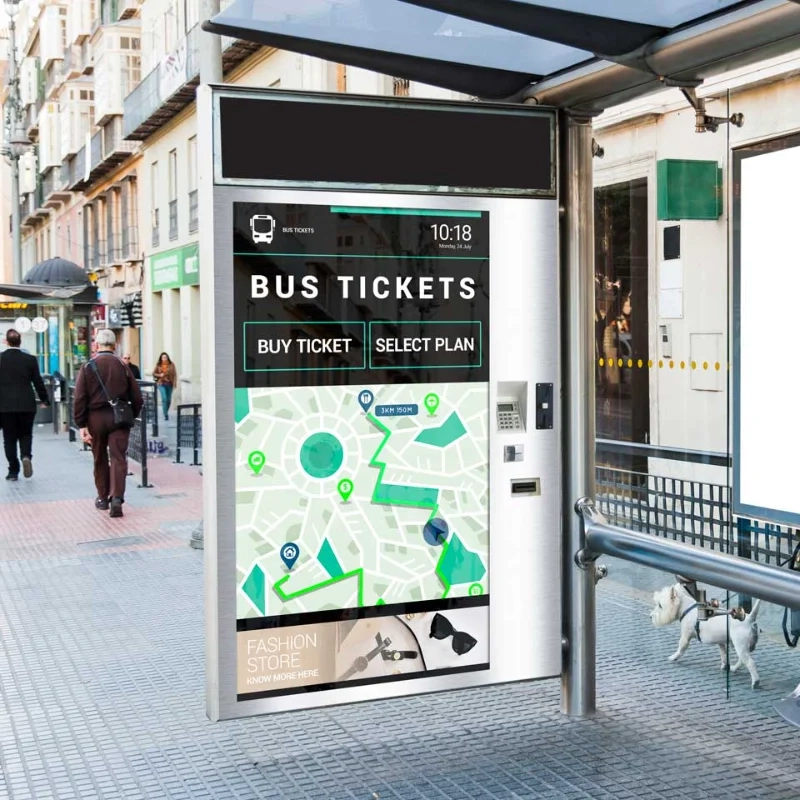
Case studies further validate their real-world impact. A 2023 report by Display Daily highlighted a deployment in Singapore’s public transport system, where high-brightness LCDs were installed in bus shelters and train stations. The result was a 67% improvement in rider engagement with digital content, even during peak sun hours. Similarly, in automotive applications, manufacturers like Bosch and Tesla have integrated sunlight-readable displays into dashboards, ensuring drivers can read navigation and vehicle status information safely in direct sunlight—a requirement aligned with ISO 15008 standards for automotive human-machine interfaces.
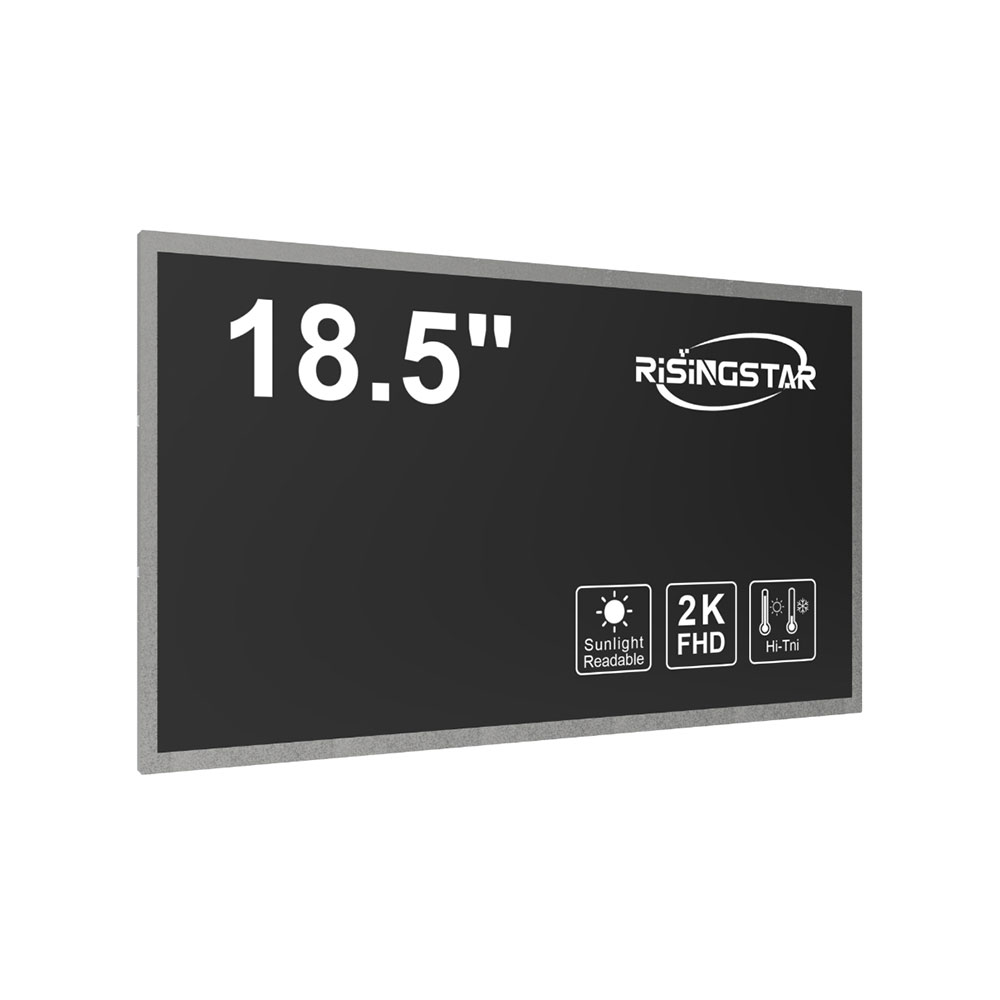
From an engineering perspective, reliability is paramount. These displays must operate reliably across temperature extremes—from -30°C to +70°C—and withstand mechanical shocks and humidity. They comply with IP65 or higher ingress protection ratings, making them suitable for harsh environments such as construction sites, marine vessels, and agricultural machinery. Additionally, compliance with MIL-STD-810G for environmental resilience ensures they meet military-grade standards for durability.
Looking ahead, future trends include the integration of adaptive brightness control using ambient light sensors and AI-driven contrast optimization algorithms. This will allow displays to dynamically adjust based on lighting conditions, improving user experience while reducing power consumption—a key factor for battery-powered devices such as handheld field tools and UAVs.
In conclusion, high-brightness sunlight-readable LCDs represent a convergence of optical physics, materials science, and user-centric design. Their ability to function reliably in extreme lighting conditions makes them essential for mission-critical and consumer-facing outdoor applications alike. As global demand for durable, efficient, and readable displays continues to rise—driven by smart cities, electric vehicles, and IoT ecosystems—these displays will remain at the forefront of display innovation.