 RisingStar
- Home
- About Us
- Products
- News
- Video
- Contact
- Send Inquiry
Search
- Home
- About Us
- Products
- News
- Video
- Contact
- Send Inquiry
RisingStar
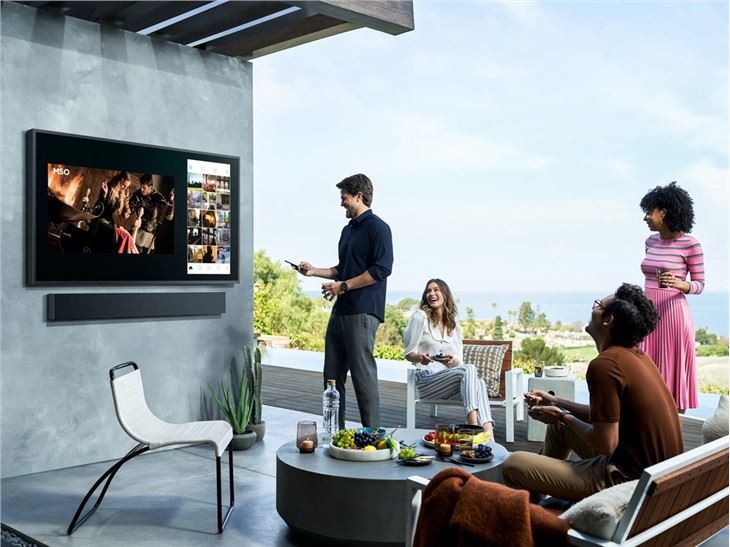
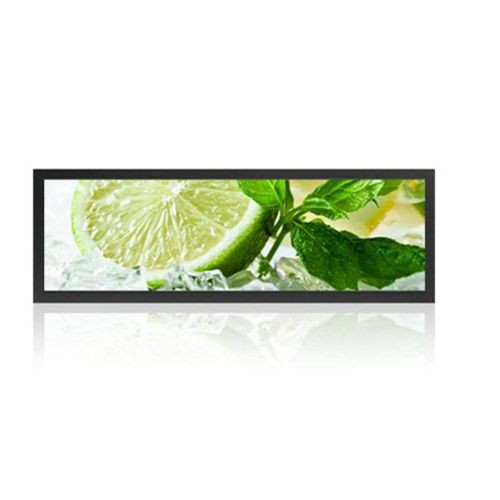
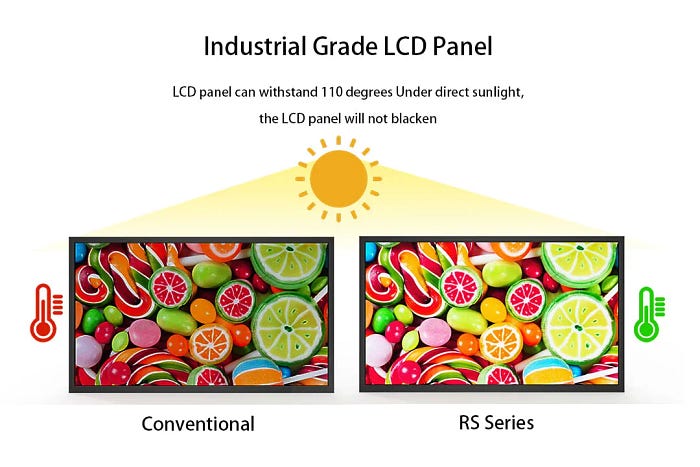
High-brightness sunlight-readable LCD displays are critical components in modern outdoor and industrial environments where visibility under direct sunlight is non-negotiable. These screens, capable of producing brightness levels exceeding 5,000 nits (with some models reaching up to 10,000 nits), are engineered to maintain clarity and readability even in the most extreme lighting conditions—such as those found in military vehicles, construction equipment, transportation systems, and retail kiosks. Unlike standard LCDs that become washed out under sunlight, these specialized displays utilize advanced backlighting technologies, anti-glare coatings, and high-contrast ratios to ensure optimal performance.
One of the most significant advantages of high-brightness sunlight-readable LCDs is their operational reliability in harsh environments. For example, in automotive dashboards or aviation control panels, display failure due to poor visibility can lead to safety hazards. According to a 2023 report by MarketsandMarkets, the global market for ruggedized displays—including sunlight-readable LCDs—is projected to exceed $12 billion by 2028, driven largely by increasing demand from defense, aerospace, and infrastructure sectors. These displays often comply with stringent standards such as MIL-STD-810G (military durability) and IP65/IP67 (dust and water resistance), ensuring they perform reliably in temperatures ranging from -30°C to +70°C.
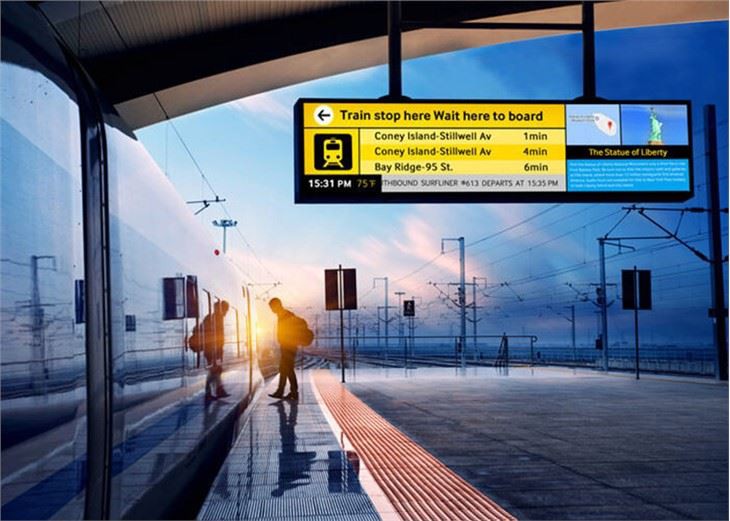
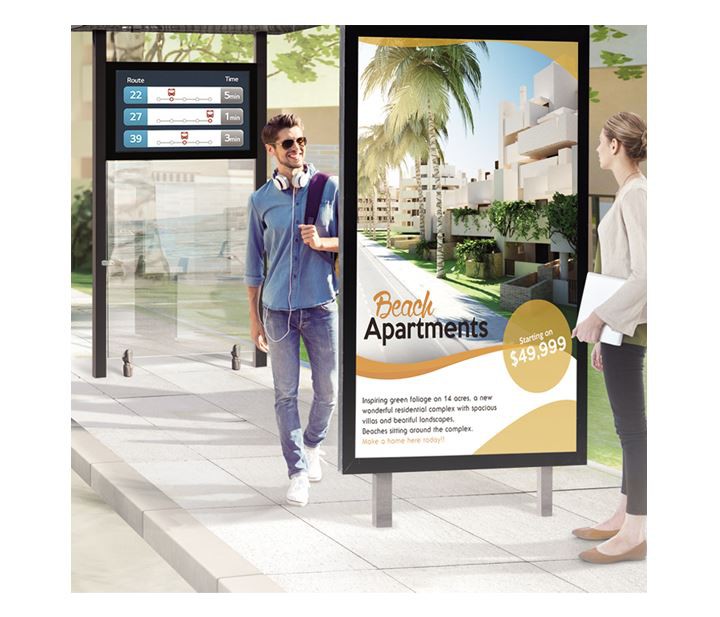
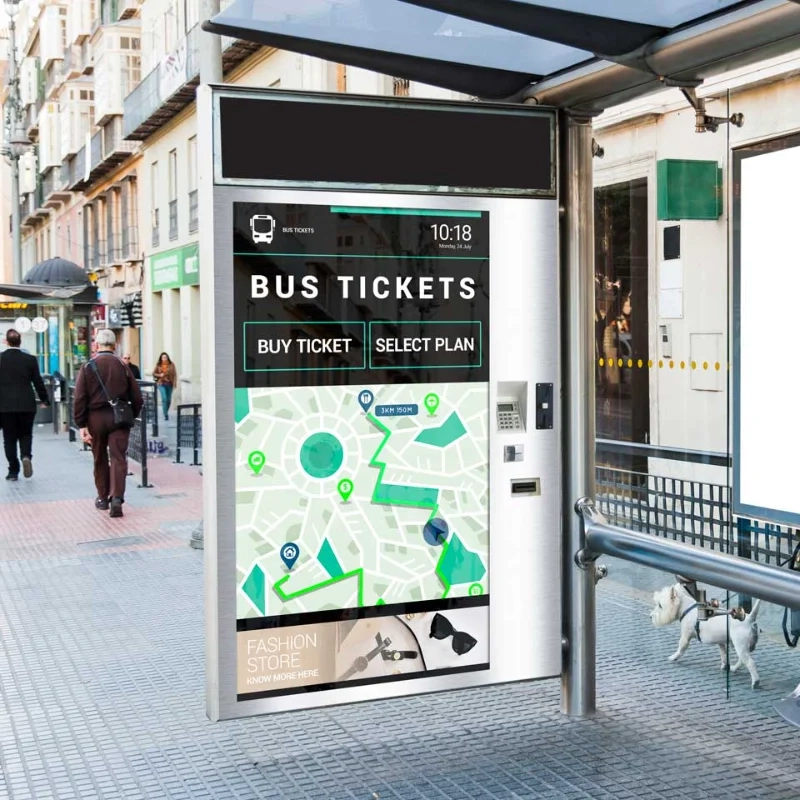
Practical applications span beyond just military and industrial use. In smart city initiatives, public information terminals in parks, transit stations, and parking lots rely on these displays to deliver real-time updates without glare interference. Similarly, in agriculture, tractors equipped with high-brightness touchscreens enable farmers to monitor GPS navigation, crop health, and field data accurately—even during midday sun. A case study by Sharp Electronics demonstrated a 40% reduction in operator errors when switching from standard LCDs to 5,000-nit sunlight-readable displays in heavy machinery operations.
Despite their benefits, common issues remain. One frequent problem is thermal management—high brightness requires substantial power, leading to heat buildup that can degrade internal components over time. To address this, manufacturers now integrate passive cooling solutions like aluminum heatsinks and active fan systems. Another challenge is touch responsiveness; while many high-brightness displays support capacitive or resistive touch, outdoor environments introduce noise from vibration and moisture. Advanced signal filtering algorithms and glove-compatible touch layers are increasingly used to resolve this.
The latest trend involves integrating AI-driven adaptive brightness control. This technology dynamically adjusts screen luminance based on ambient light sensors and usage patterns, optimizing both energy efficiency and longevity. Additionally, OLED-based sunlight-readable displays are emerging as a promising alternative to traditional LCDs due to superior contrast ratios and faster response times—though cost remains a barrier for mass adoption. As per a 2024 IEEE paper, OLEDs with micro-lens arrays and polarization filters have shown success in achieving 3,000+ nits of readable brightness outdoors.
In summary, high-brightness sunlight-readable LCDs are not merely a luxury—they are a necessity in today’s connected world. With continued innovation in materials, thermal design, and intelligent features, these displays will play an even greater role in enabling reliable human-machine interaction across diverse industries globally.