RisingStar
- Home
- About Us
- Products
- News
- Video
- Contact
- Send Inquiry
Search
- Home
- About Us
- Products
- News
- Video
- Contact
- Send Inquiry
RisingStar
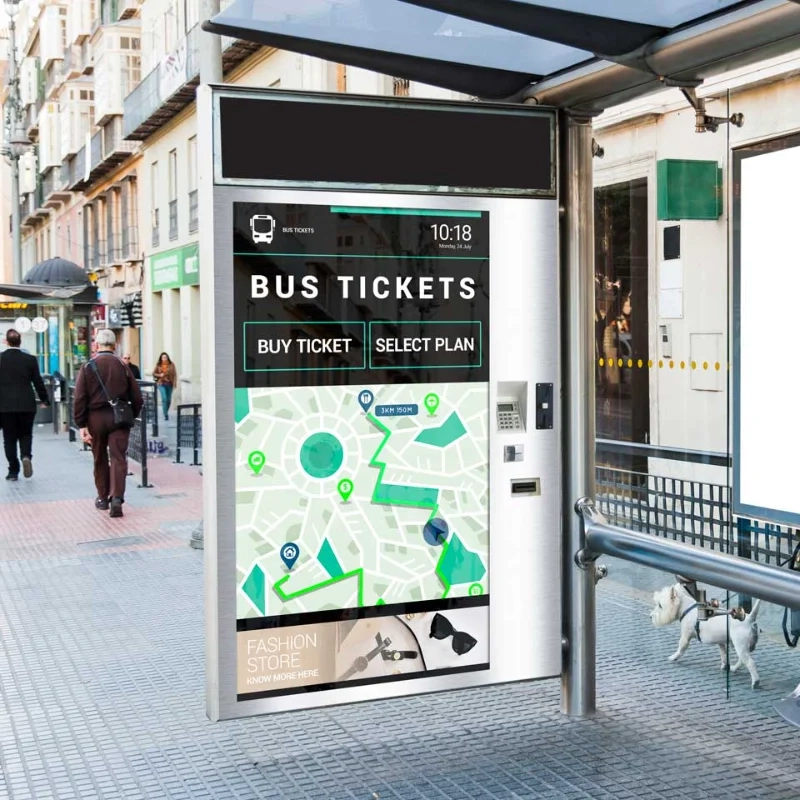
The global demand for outdoor digital signage continues to rise, driven by urbanization, smart city initiatives, and the need for real-time advertising and information dissemination. In China, this market has seen rapid growth due to government-backed infrastructure projects, increasing consumer engagement with digital content, and the expansion of retail and transportation sectors. Understanding the current pricing trends for Chinese outdoor digital signage is critical for businesses planning deployments across cities like Shanghai, Beijing, or Shenzhen.
As of 2024, the average price range for a standard Chinese outdoor digital signage unit (55–70 inches, IP65-rated, high-brightness LCD, 5000–8000 nits) typically falls between USD $1,200 and $3,500 per unit. This cost includes basic installation accessories but excludes custom mounting solutions or long-term maintenance contracts. The price variation largely depends on brightness levels, panel technology (LED vs. LCD), weatherproofing certification, and integration with cloud-based content management systems (CMS). For instance, a premium LCD screen with 8000 nits brightness and anti-glare coating—commonly used in direct sunlight environments such as subway stations or highway billboards—can cost up to $4,500 when bundled with an industrial-grade power supply and vandal-resistant housing.
According to Statista and the China Electronics Association, the Chinese outdoor digital signage market grew at a CAGR of 9.2% from 2020 to 2023, reaching over USD 3.2 billion in revenue. Major manufacturers such as BOE Technology, Tianma Micro-electronics, and Huawei’s Smart Display division dominate domestic production, offering competitive pricing due to economies of scale and localized supply chains. However, international brands like Samsung, LG, and NEC still command premium pricing (often 30–50% higher) due to perceived quality consistency and global support networks.
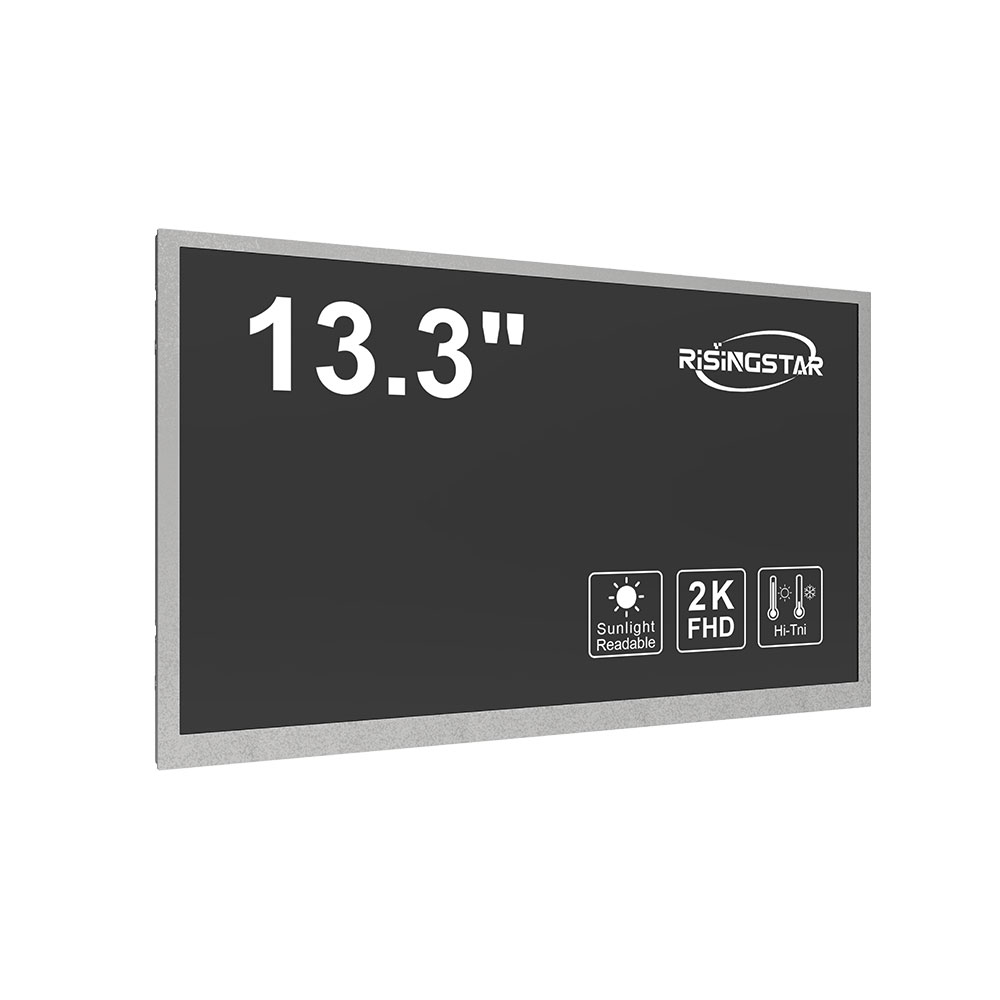
Case studies reveal that cities like Hangzhou and Chengdu have adopted cost-effective outdoor digital signage solutions under public-private partnerships (PPPs), reducing per-unit costs by leveraging bulk procurement and government subsidies. These deployments often feature solar-powered units or low-energy LED-backlit displays, further lowering operational expenses. Additionally, the rise of AI-driven content personalization and remote diagnostics has increased the value proposition of newer models, justifying slightly higher initial investment.
For buyers, it's essential to consider total cost of ownership (TCO), not just upfront price. Factors like energy efficiency (measured in watts per square meter), mean time between failures (MTBF), warranty terms (typically 2–5 years), and local service availability significantly impact long-term ROI. Many Chinese suppliers now offer modular designs that simplify repairs and reduce downtime—a key advantage in harsh climates.
In summary, while the base price of Chinese outdoor digital signage is becoming more accessible, strategic choices around brightness, durability, software integration, and vendor support determine overall success. Businesses must align their budget with performance requirements, ensuring visibility even in extreme lighting conditions and minimizing maintenance overheads over time.