RisingStar
- Home
- About Us
- Products
- News
- Video
- Contact
- Send Inquiry
Search
- Home
- About Us
- Products
- News
- Video
- Contact
- Send Inquiry
RisingStar
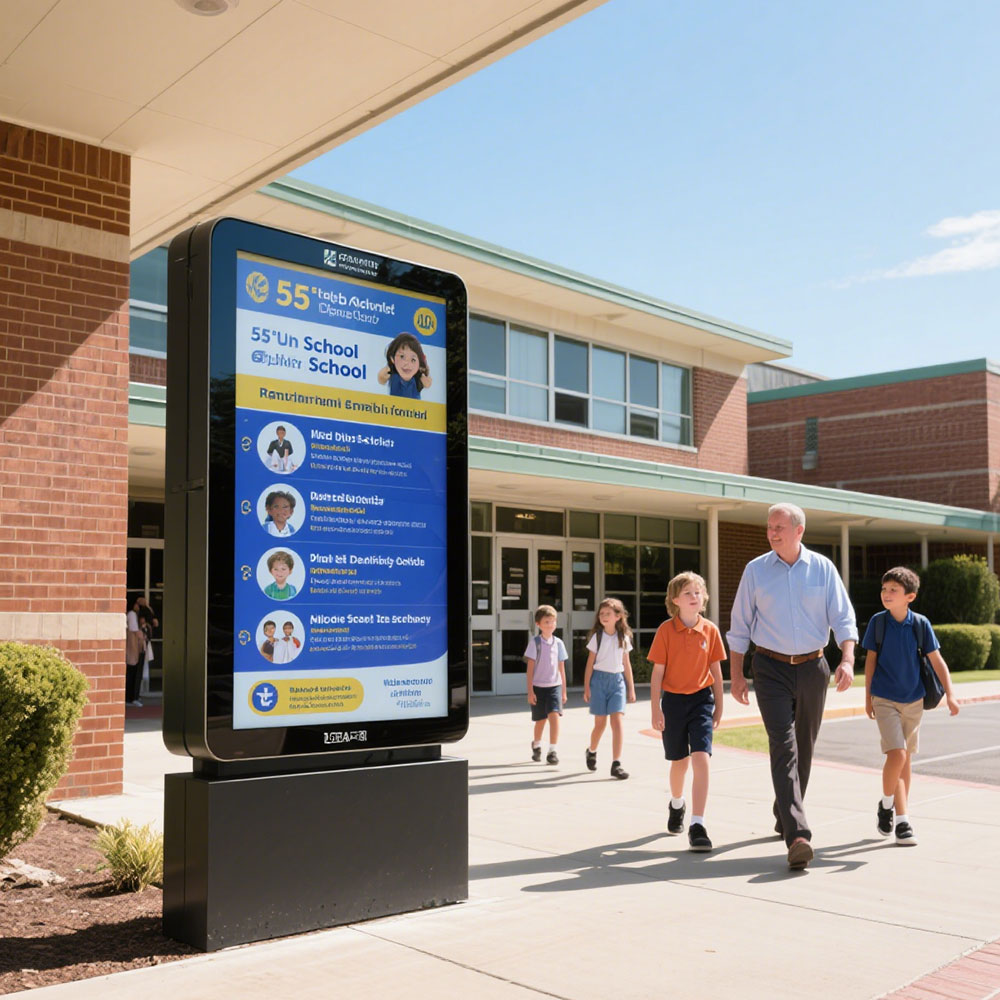
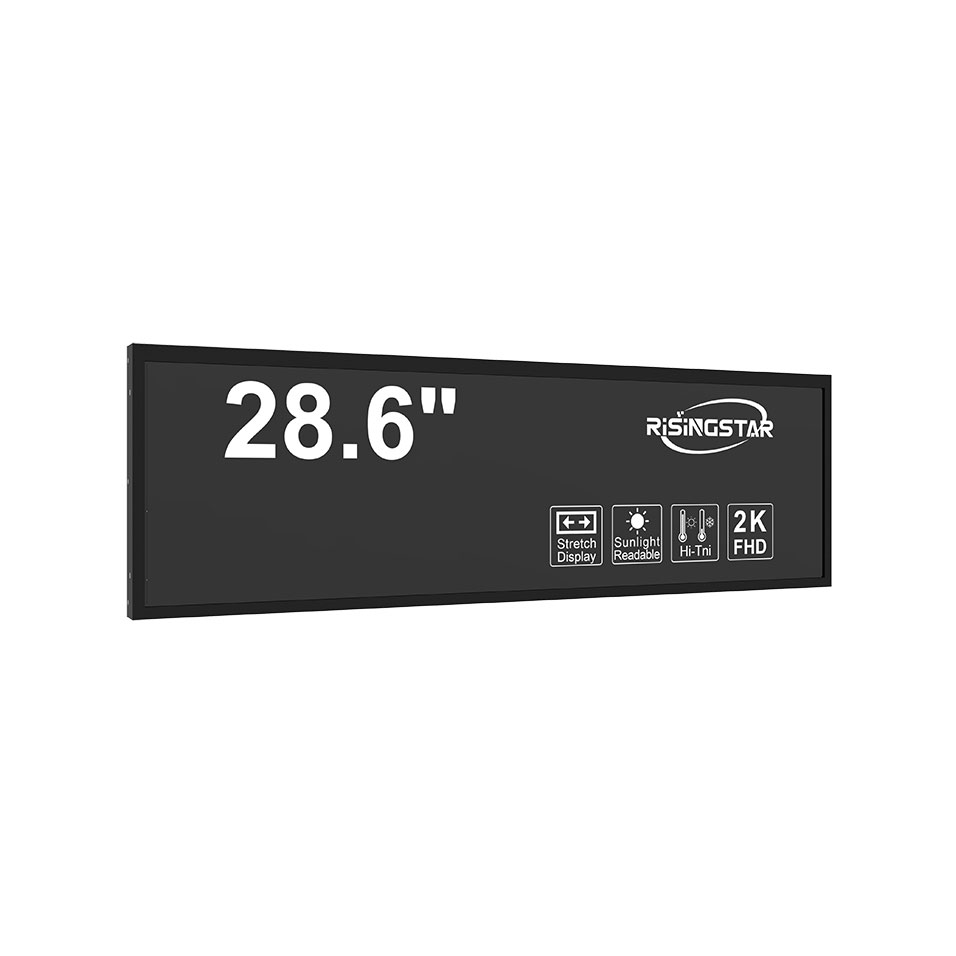
High-brightness sunlight-readable LCD screens have revolutionized the way we interact with displays in outdoor environments. Traditional LCD screens often falter in direct sunlight due to poor visibility and legibility. However, advancements in display technology have created options with enhanced brightness, contrast ratios, and anti-reflective coatings, making them ideal for various applications including automotive displays, outdoor kiosks, military equipment, and mobile devices.
The fundamental principle behind high-brightness LCDs lies in their ability to produce brightness levels of over 1,000 nits, significantly higher than standard screens, which typically measure around 300-500 nits. Screen brightness is measured in nits (cd/m²), a unit that quantifies luminous intensity. The increase in brightness allows these screens to remain viewable in challenging lighting conditions, thereby enhancing user experience.
A key technology enabling high brightness is the adoption of LED backlighting systems, which have largely replaced traditional cold cathode fluorescent lamps (CCFLs) in the manufacturing of LCD screens. LED backlighting offers numerous advantages: not only do they provide higher luminous efficacy, but they also facilitate localized dimming, which improves contrast ratios, enabling dark images to remain sharp and vivid under bright sunlight.
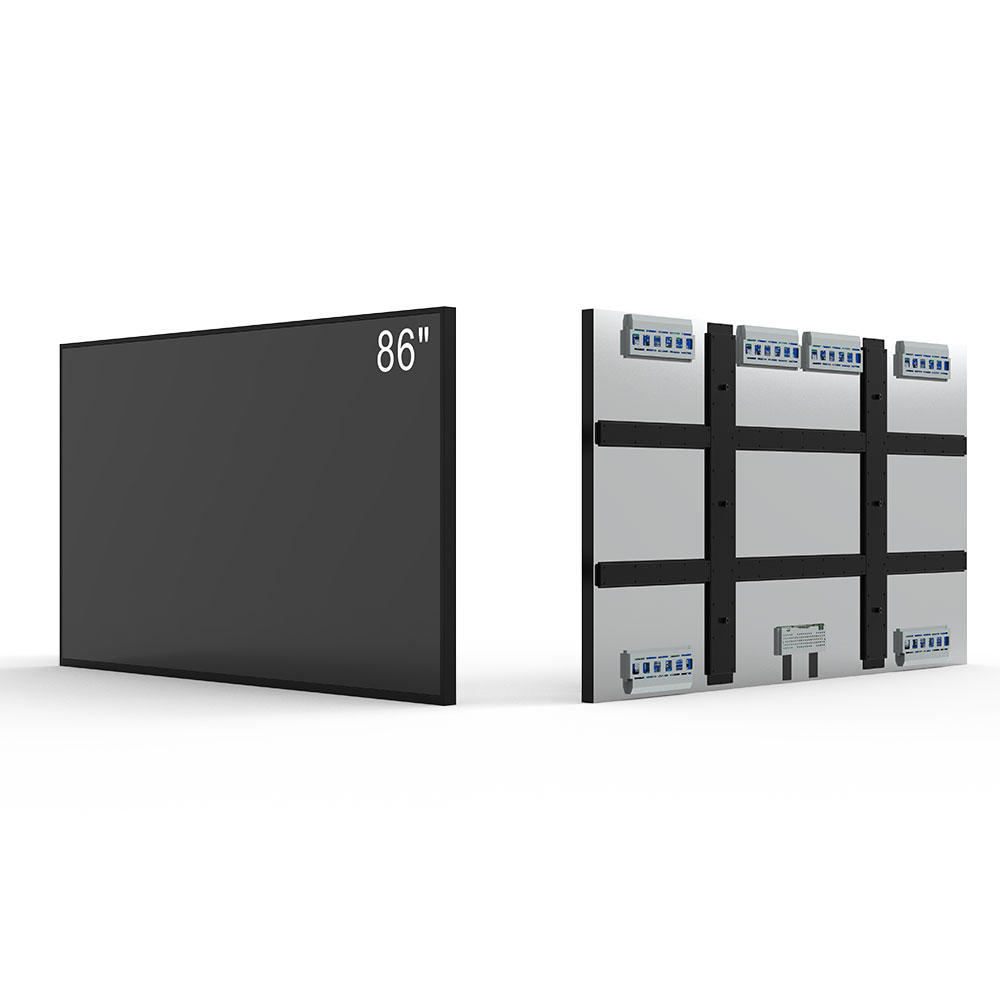
Furthermore, optical enhancements such as anti-glare and anti-reflective treatments are essential for high-brightness screens in outdoor applications. Anti-reflective coatings minimize the light reflection off the screen, resulting in improved visibility by reducing glare. A study involving the deployment of outdoor kiosks equipped with anti-reflective displays demonstrated a 30% increase in user interactions, attributed directly to enhanced visibility.
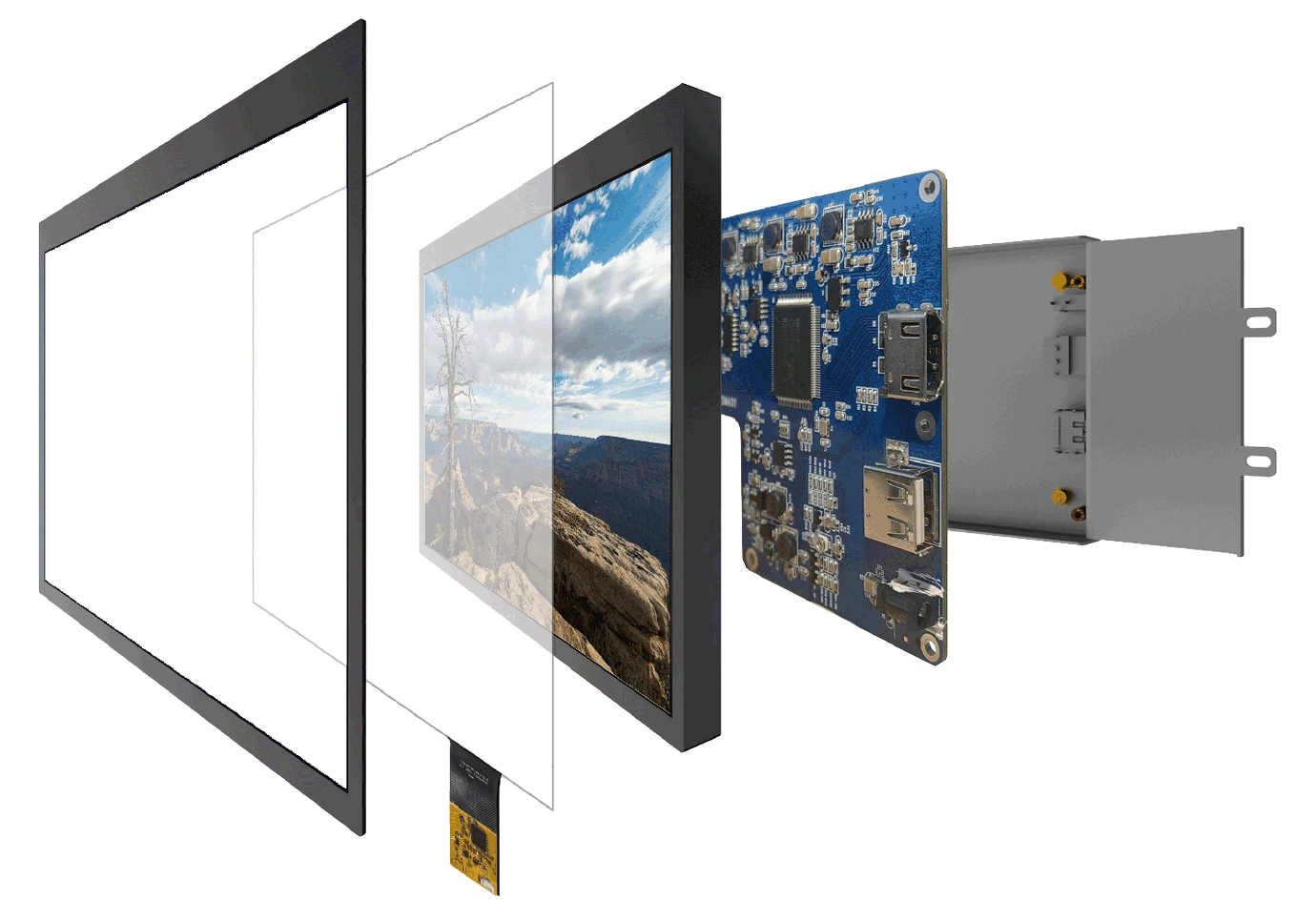
Thermal management is another critical consideration in the design of high-brightness LCDs. Excessive heat can impact the performance and longevity of the display. Thus, manufacturers incorporate advanced heat dissipation technologies such as heat sinks and thermal interface materials to regulate temperature, ensuring consistent brightness and operational efficiency.
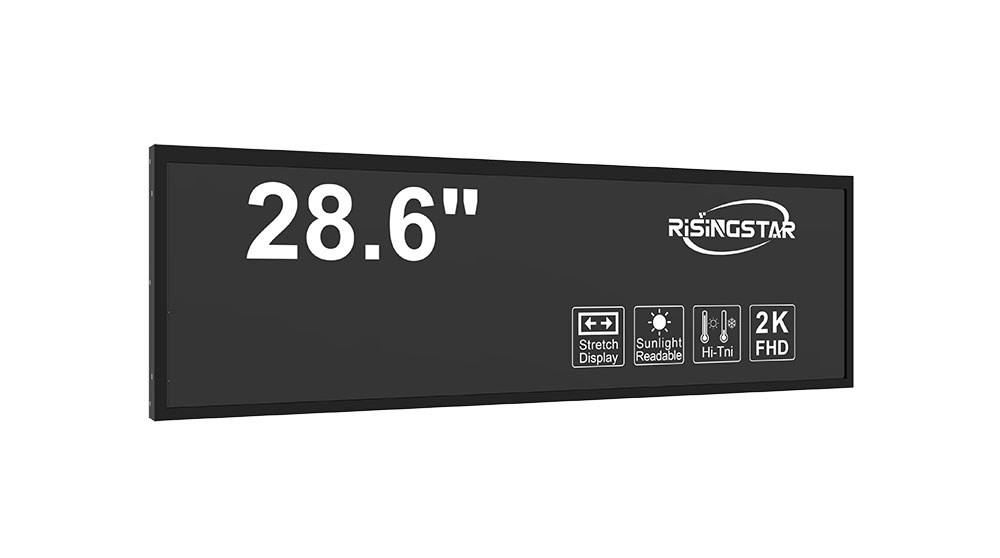
Case studies in the automotive industry reveal that high-brightness displays are becoming indispensable in the cockpit. Features such as navigation, infotainment, and real-time vehicle diagnostics rely on clear visibility of information in varied lighting environments. As a result, automotive manufacturers are increasingly entwining these displays into their vehicles’ designs, leading to heightened safety and enhanced user engagement.
In military applications, ruggedized high-brightness LCDs are integral for equipment used in tactical environments, where operability under harsh sunlight is crucial. These displays are designed to withstand extreme temperature variations and physical shock while maintaining readability and functionality.
Looking ahead, the integration of advanced technologies like augmented reality (AR) and virtual reality (VR) into high-brightness screens will further expand their applications. Enhanced image processing capabilities will allow displays to adapt dynamically to changing ambient conditions, ensuring optimal visual performance.
The continued evolution of high-brightness sunlight-readable LCD screens illustrates the synergy between technology and user demands. With ongoing innovations and improvements in manufacturing processes, these displays will become increasingly prevalent across various sectors, defining the future of outdoor display solutions.