RisingStar
- Home
- About Us
- Products
- News
- Video
- Contact
- Send Inquiry
Search
- Home
- About Us
- Products
- News
- Video
- Contact
- Send Inquiry
RisingStar
In the rapidly evolving landscape of industrial, military, and outdoor display technologies, high-brightness sunlight-readable LCD screens have become indispensable. These displays are engineered to deliver clear visibility under direct sunlight—typically achieving brightness levels of 3,000 to 5,000 nits or more—while maintaining energy efficiency and durability in extreme environments. When selecting a display with a 4:3 aspect ratio (such as 15", 17", or 19"), professionals across sectors—from defense systems to agricultural machinery—require robust specifications tailored to real-world conditions.
A 4:3 display ratio is especially valued in legacy and mission-critical applications where vertical space matters more than widescreen formats. For instance, medical diagnostic equipment, embedded control panels in aerospace, and ruggedized point-of-sale terminals often rely on 4:3 layouts for optimal text readability and user interface design. The 15", 17", and 19" sizes provide flexibility in compact system integration while preserving ergonomic usability. According to the International Electrotechnical Commission (IEC) standard IEC 62389, sunlight-readable displays must maintain contrast ratios above 100:1 even under 100,000 lux illumination—a benchmark these screens consistently exceed through advanced optical bonding, anti-reflective coatings, and high-luminance LED backlighting.
Manufacturers like Sharp, LG Display, and Innolux have pioneered technologies such as “sunlight-readable” panel architectures that incorporate polarizer enhancements, micro-lens arrays, and wide-viewing-angle IPS (In-Plane Switching) technology. For example, the 19" 4:3 display from Panasonic’s Toughbook series achieves 5,000 nits peak brightness using dual-layer optical bonding, which minimizes internal reflections and enhances image clarity in bright daylight. Case studies from the U.S. Department of Defense show that such displays improve operational safety in field vehicles by reducing eye strain and enabling faster decision-making during tactical missions.
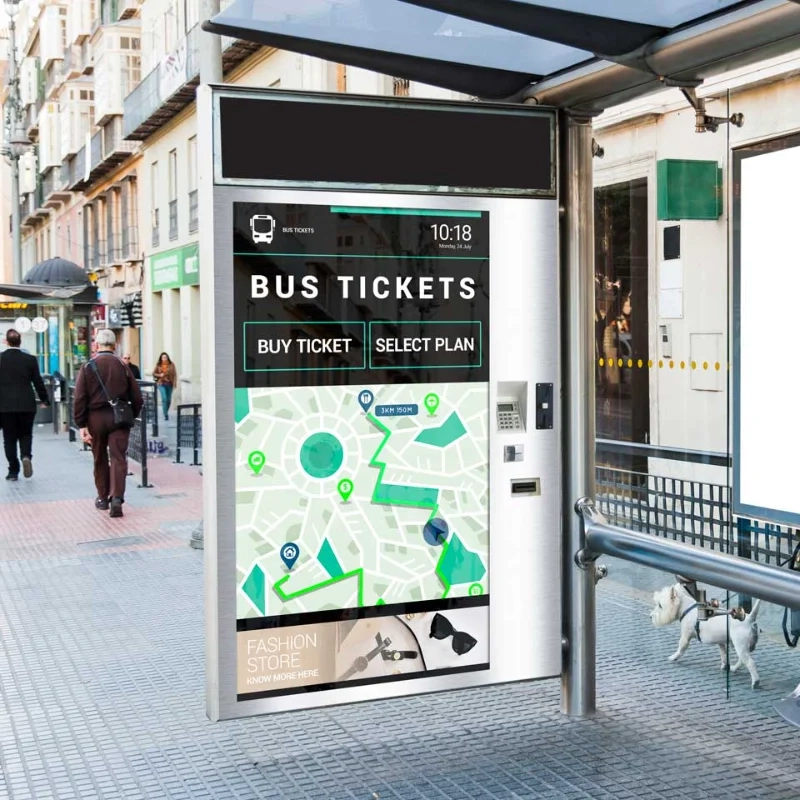
Moreover, modern 4:3 high-brightness LCDs are now designed for low-power consumption (<15W), IP65 ingress protection, and operating temperatures ranging from -30°C to +70°C—making them suitable for harsh environments including desert operations, marine vessels, and construction sites. With increasing demand for smart infrastructure and IoT-enabled devices, these displays serve as critical components in digital signage, public transportation kiosks, and autonomous vehicle interfaces. Industry leaders such as Corning and Nippon Electric Glass contribute to this ecosystem by supplying Gorilla Glass and other chemically strengthened cover lenses that resist scratches and impacts without compromising optical performance.
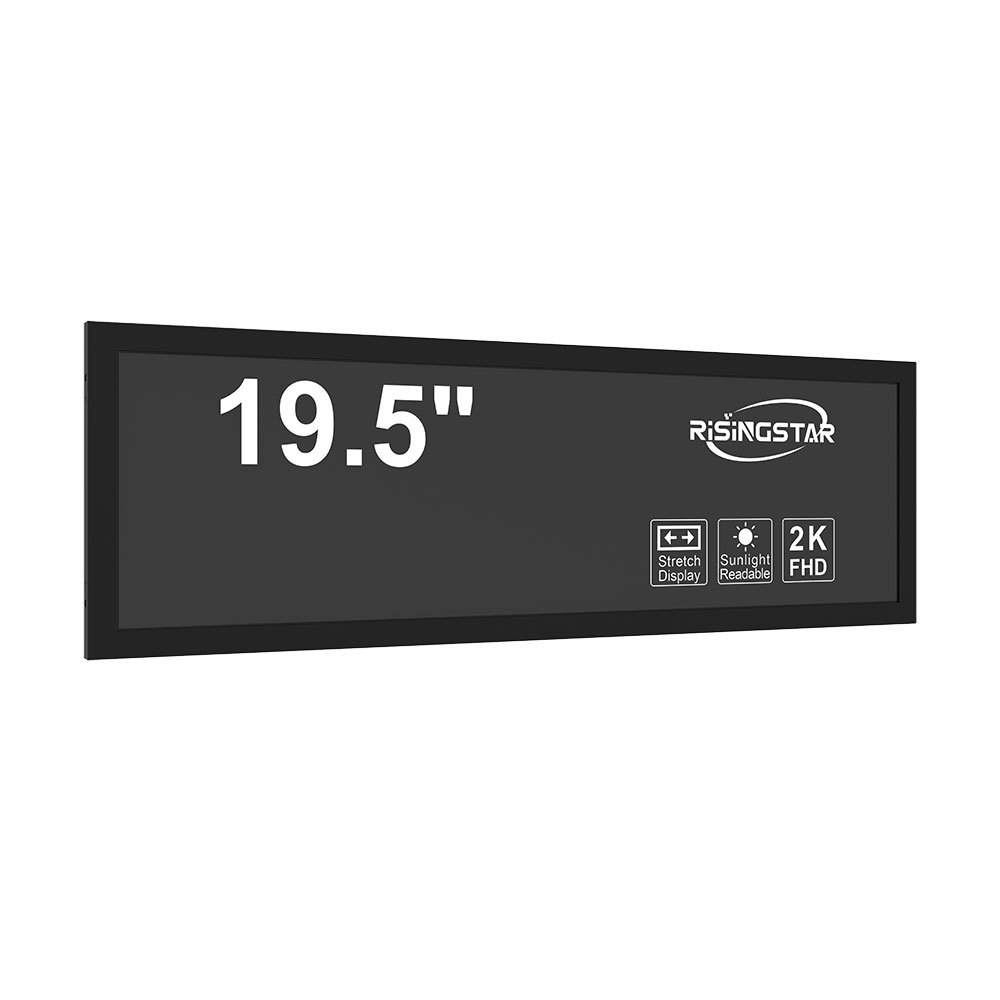
Ultimately, choosing the right 4:3 high-brightness sunlight-readable LCD requires evaluating not only luminance and aspect ratio but also long-term reliability, thermal management, and compatibility with existing hardware platforms. Whether you're deploying a 15" unit in an emergency response vehicle or a 19" model in an industrial control room, the correct selection ensures operational resilience, improved human-machine interaction, and compliance with international standards like MIL-STD-810G and EN 60950-1.