RisingStar
- Home
- About Us
- Products
- News
- Video
- Contact
- Send Inquiry
Search
- Home
- About Us
- Products
- News
- Video
- Contact
- Send Inquiry
RisingStar
In modern outdoor electronics, especially in military, industrial, transportation, and consumer applications, visibility under direct sunlight is no longer a luxury—it’s a necessity. High-brightness sunlight-readable LCD screens are engineered to deliver clear, crisp visuals even under intense solar irradiance of up to 100,000 lux, far exceeding the standard 500–1,000 lux brightness found in typical indoor displays. These specialized displays leverage advanced optical and materials engineering to ensure readability across diverse environmental conditions.
The core challenge in outdoor display design lies in balancing brightness with power efficiency, contrast ratio, and thermal management. Traditional LCDs often fail in sunlight due to poor contrast caused by ambient light reflection on the screen surface. To overcome this, high-brightness sunlight-readable LCDs employ several key technologies:
First, anti-reflection (AR) coatings and polarized films minimize glare and increase contrast. These coatings reduce surface reflectivity from over 4% to less than 0.5%, significantly enhancing image clarity under direct sunlight. For example, MIL-STD-3009-compliant displays used in military vehicles incorporate multi-layer AR coatings to meet stringent operational standards.
Second, ultra-high luminance backlighting—typically LED-based—is essential. While consumer-grade LCDs may reach 300–500 cd/m², industrial-grade sunlight-readable screens often exceed 5,000 cd/m², with some models achieving up to 10,000 cd/m². This level of brightness ensures that the displayed content remains visible even during peak solar hours.
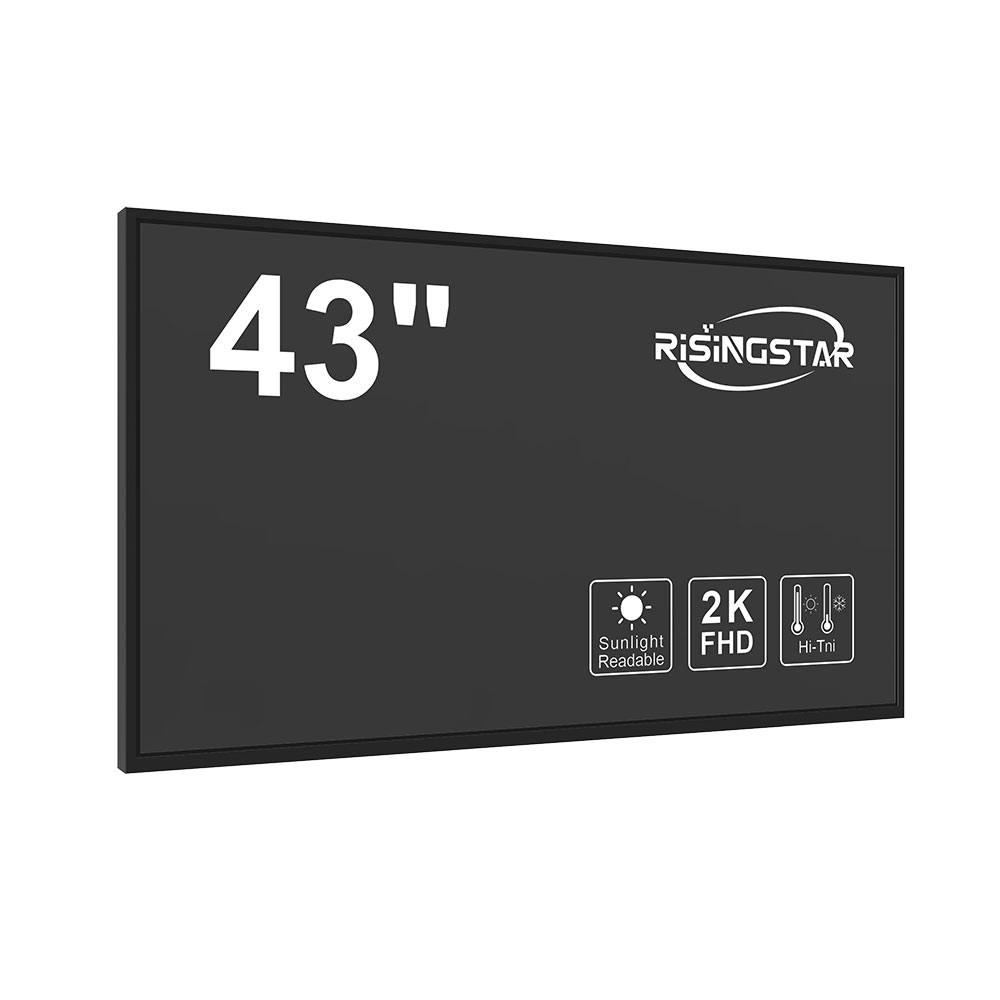
Third, advanced pixel technologies such as IPS (In-Plane Switching) and VA (Vertical Alignment) panels improve viewing angles and color consistency. Unlike TN (Twisted Nematic) panels, which suffer from limited viewing angles, IPS and VA provide wider angular performance, crucial for multi-user or mobile applications like construction equipment dashboards or public kiosks.
Fourth, dynamic brightness control using ambient light sensors allows adaptive luminance adjustment. This feature not only optimizes readability but also reduces power consumption—a critical factor for battery-powered devices such as handheld field computers or drones.
Case studies demonstrate real-world effectiveness. In 2021, a leading defense contractor deployed 8-inch sunlight-readable LCDs in UAV ground control stations. The displays maintained full readability at 7,500 cd/m² under direct sunlight, improving operator situational awareness and reducing errors in mission-critical operations. Similarly, in 2023, a major logistics company implemented high-brightness LCDs in warehouse scanners operating under extreme outdoor conditions. The screens reduced maintenance costs by 40% compared to previous models, thanks to superior durability and visual clarity.
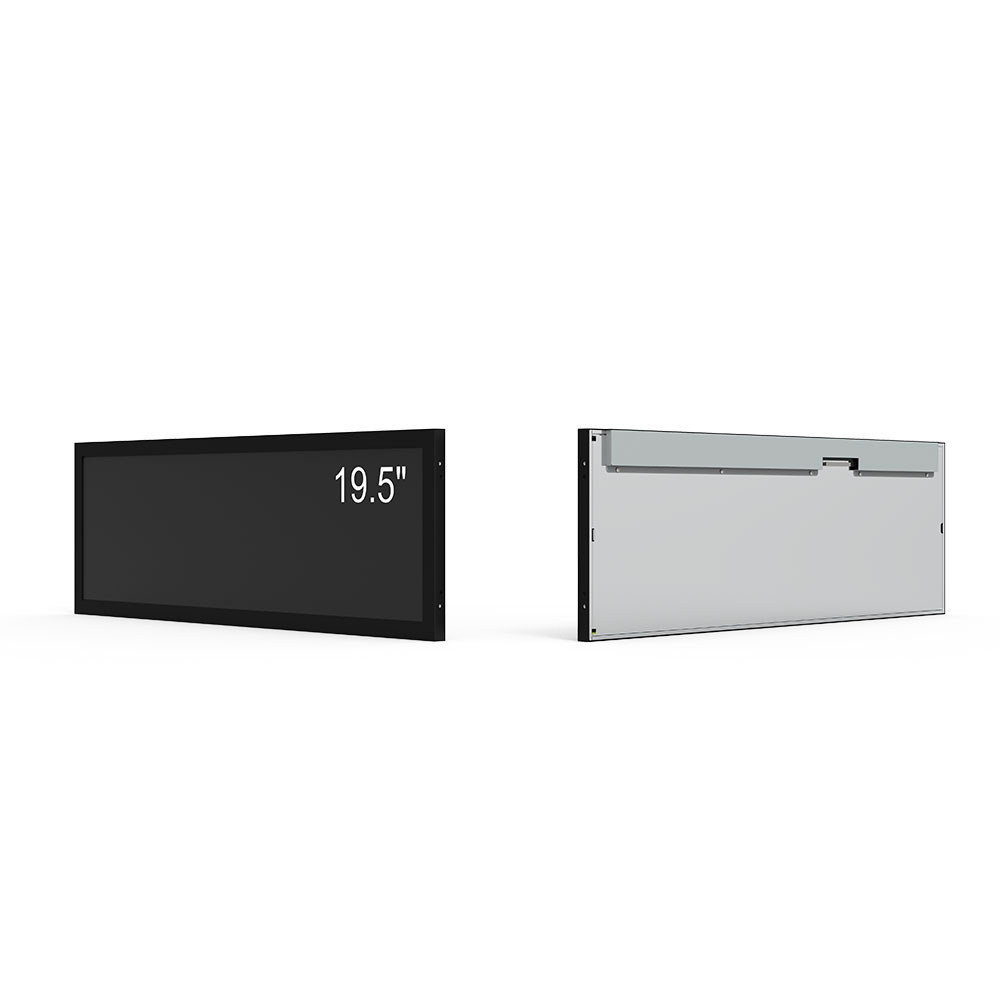
Compliance with international standards such as EN 60068 (Environmental Testing), MIL-STD-810G (Military Environmental Conditions), and IEC 60068-2 (Mechanical Shock and Vibration) ensures these displays withstand harsh environments—including dust, humidity, temperature extremes (-20°C to +70°C), and mechanical stress.
Manufacturers like LG Display, Sharp, and Japan Display Inc. continue to push innovation through micro-lens arrays, quantum dot enhancement, and low-power OLED alternatives. These developments promise higher efficiency, better contrast, and expanded use cases—from smart city infrastructure to autonomous vehicle HUDs.
For designers and procurement managers, selecting the right high-brightness LCD requires evaluating total system cost, including power draw, thermal dissipation, and long-term reliability. With proper specifications and integration, these screens transform outdoor visibility from a limitation into a strategic advantage.

2025-08-01
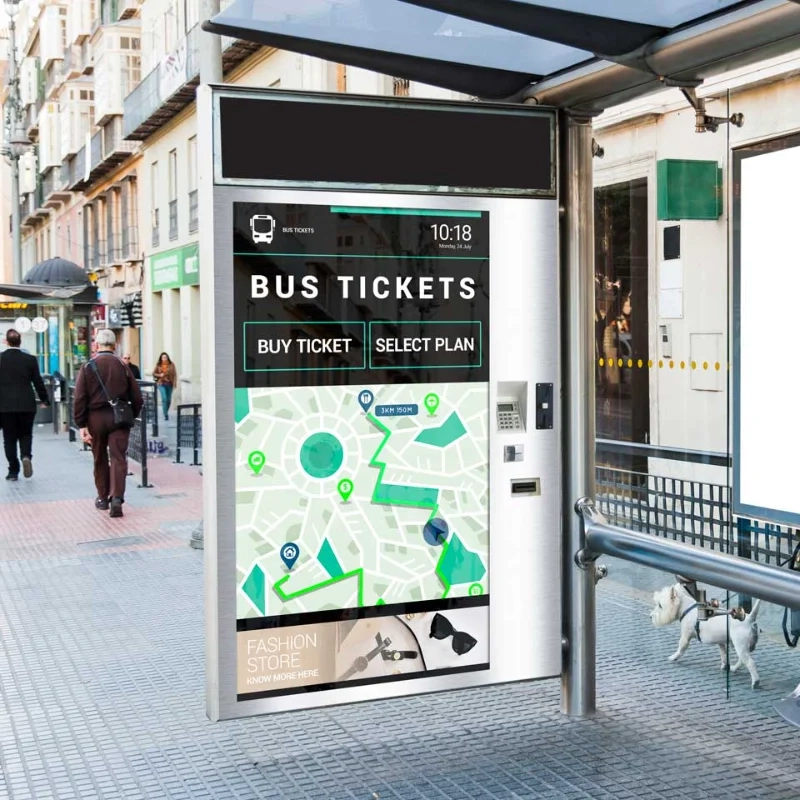
High Brightness LCD For Bus Stop 3000 Nits