RisingStar
- Home
- About Us
- Products
- News
- Video
- Contact
- Send Inquiry
Search
- Home
- About Us
- Products
- News
- Video
- Contact
- Send Inquiry
RisingStar
In today’s increasingly connected and mobile-driven world, high-brightness sunlight-readable LCD screens have become indispensable in outdoor environments where visibility under direct sunlight is critical. These displays are engineered to maintain clarity, contrast, and responsiveness even when exposed to intense solar radiation—common in military, industrial, automotive, transportation, and public information systems. The demand for such technology has surged, particularly with the proliferation of IoT devices, smart infrastructure, and real-time data visualization tools used across sectors like energy, logistics, and emergency services.
At the core of a high-brightness sunlight-readable LCD is not just brightness but an integrated design that includes anti-glare coatings, reflective polarizers, and optimized backlighting. According to industry standards set by the Society for Information Display (SID), sunlight-readable displays must achieve at least 3000 nits of luminance—a significant increase from standard indoor LCDs that typically operate between 250–500 nits. For instance, the U.S. Department of Defense mandates that military-grade displays exceed 5000 nits to ensure mission-critical visibility during field operations, as documented in MIL-STD-810G environmental testing protocols.
One key advancement in this domain is the use of transflective liquid crystal technology, which combines transmission and reflection modes. In low-light conditions, the display uses a backlight (transmissive mode); under bright sunlight, it switches to reflect mode by utilizing ambient light, thus reducing power consumption while maintaining readability. This hybrid approach has been successfully implemented in ruggedized tablets used by utility workers and construction engineers, as seen in case studies published by Corning Inc. and Sharp Corporation.
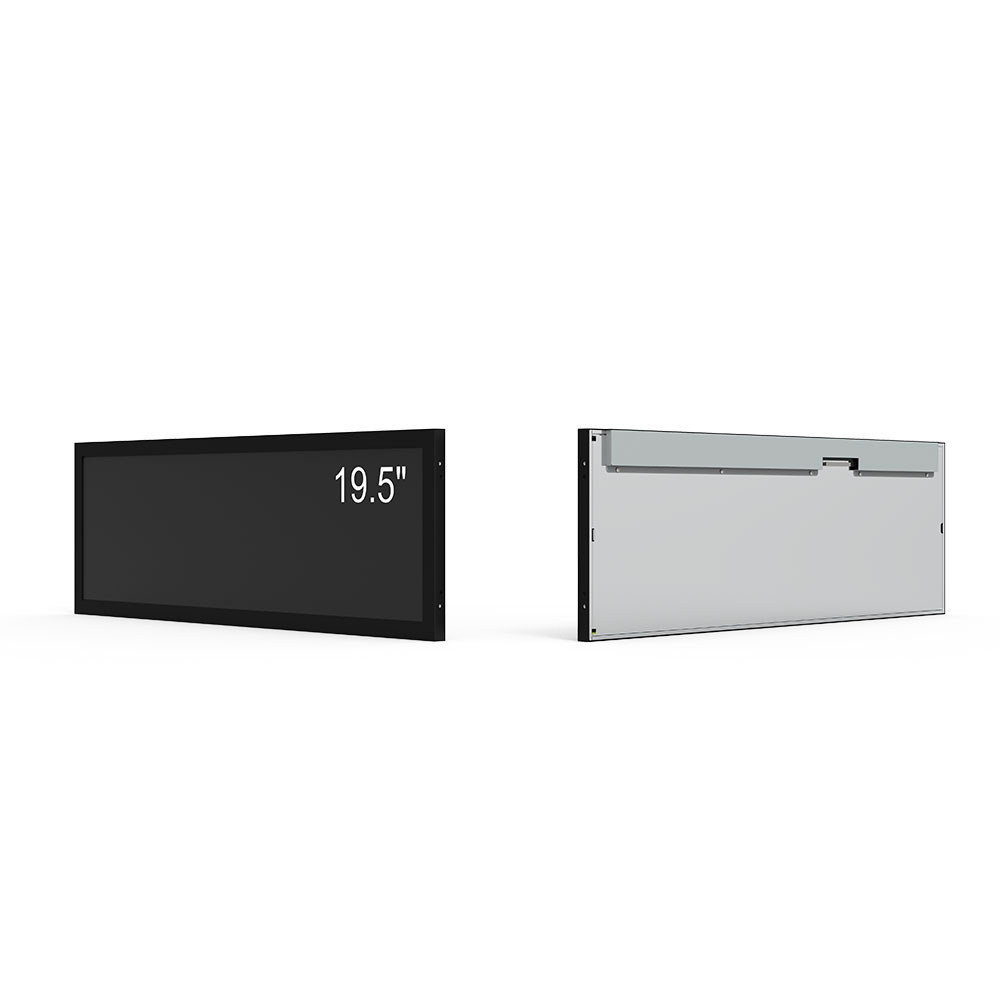
Another essential factor is the incorporation of anti-reflective (AR) coatings on the front glass surface. These coatings reduce glare by minimizing surface reflections—often down to less than 1%—while enhancing contrast ratios to over 1000:1. Companies like LG Display and Samsung Display now offer proprietary AR technologies such as “Eco-Glass” and “Anti-Reflective Layering,” respectively, which are validated through ISO 14582 standards for optical performance.
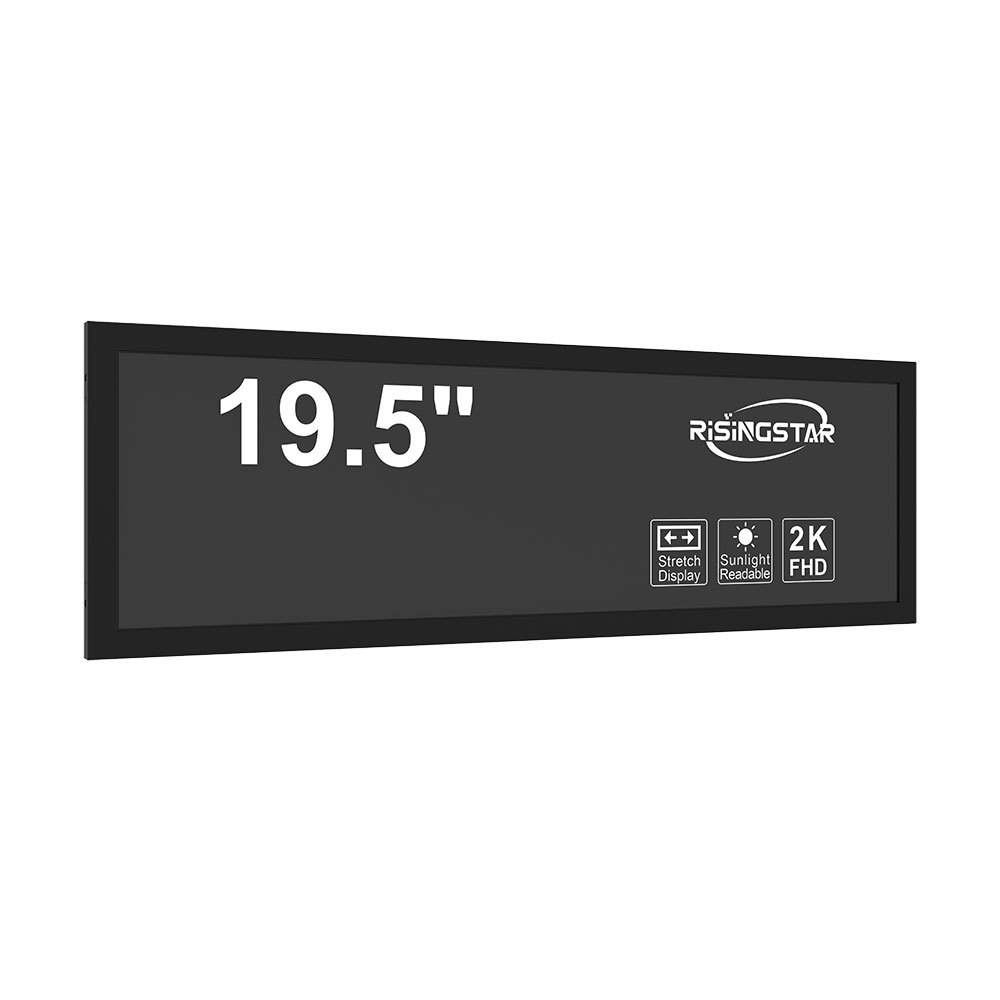
Moreover, the integration of touch functionality without compromising visibility remains a major engineering challenge. Capacitive and resistive touch sensors must be designed to work efficiently under extreme temperatures (-20°C to +70°C) and humidity levels exceeding 95%. Leading manufacturers like Crystalfontz and E Ink have developed multi-touch panels that remain responsive even when users wear gloves or operate in wet conditions—a feature vital for maritime navigation systems and airport check-in kiosks.
Recent innovations also include adaptive brightness control powered by ambient light sensors (ALS). These systems dynamically adjust screen brightness based on environmental lighting, optimizing battery life in portable devices while ensuring consistent readability. For example, the Honda CR-V’s infotainment system utilizes ALS to reduce unnecessary power draw in sunny climates—a practical application endorsed by the International Electrotechnical Commission (IEC) in IEC 62368-1 safety standards for electronic equipment.
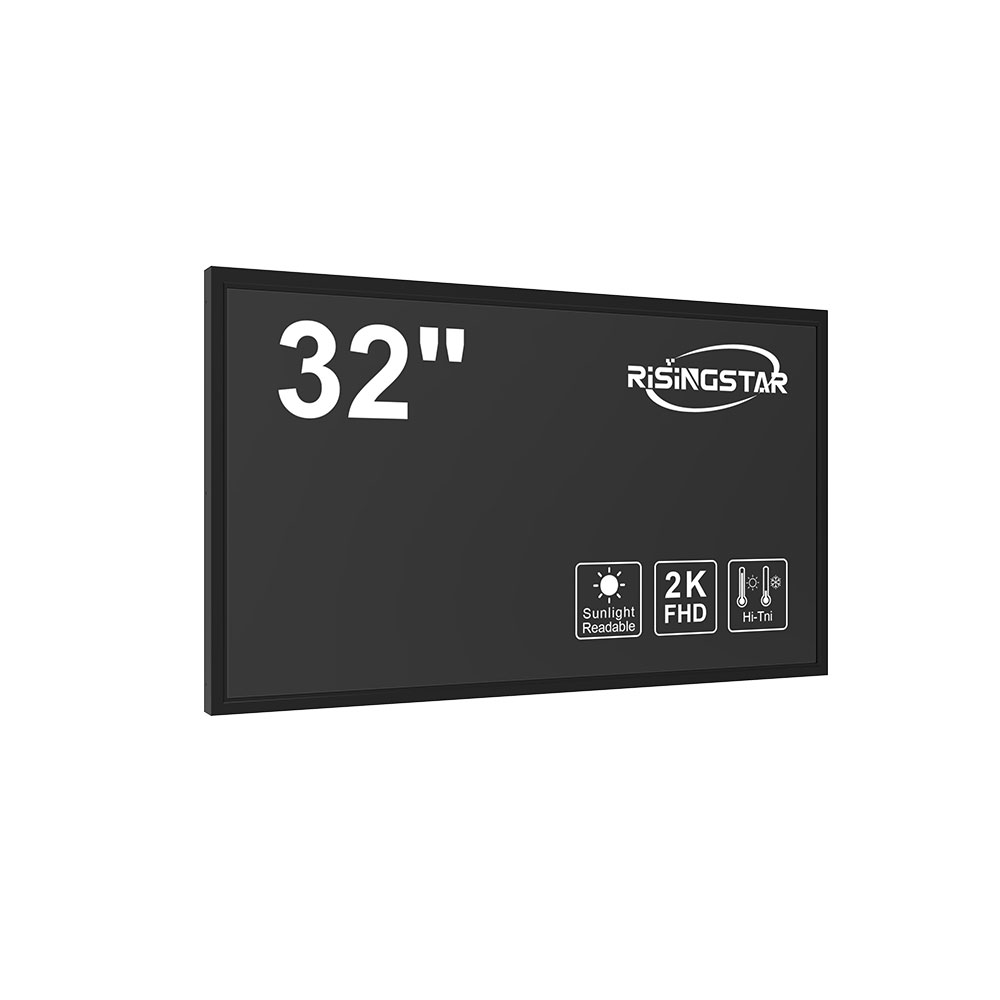
Finally, sustainability is shaping future developments. Manufacturers are adopting eco-friendly materials and designing for longer lifespans to meet global ESG (Environmental, Social, Governance) goals. For instance, BOE Technology Group announced a new line of low-power, recyclable high-brightness displays in 2023, targeting government and enterprise clients seeking green-certified solutions compliant with EU RoHS directives.
The evolution of high-brightness sunlight-readable LCD technology reflects a convergence of material science, human-centered design, and rigorous international standards. As industries continue to digitize operations outdoors—from drone control interfaces to solar farm monitoring dashboards—the need for robust, readable, and efficient displays will only grow. Investing in advanced LCD solutions today ensures operational resilience tomorrow.