RisingStar
- Home
- About Us
- Products
- News
- Video
- Contact
- Send Inquiry
Search
- Home
- About Us
- Products
- News
- Video
- Contact
- Send Inquiry
RisingStar
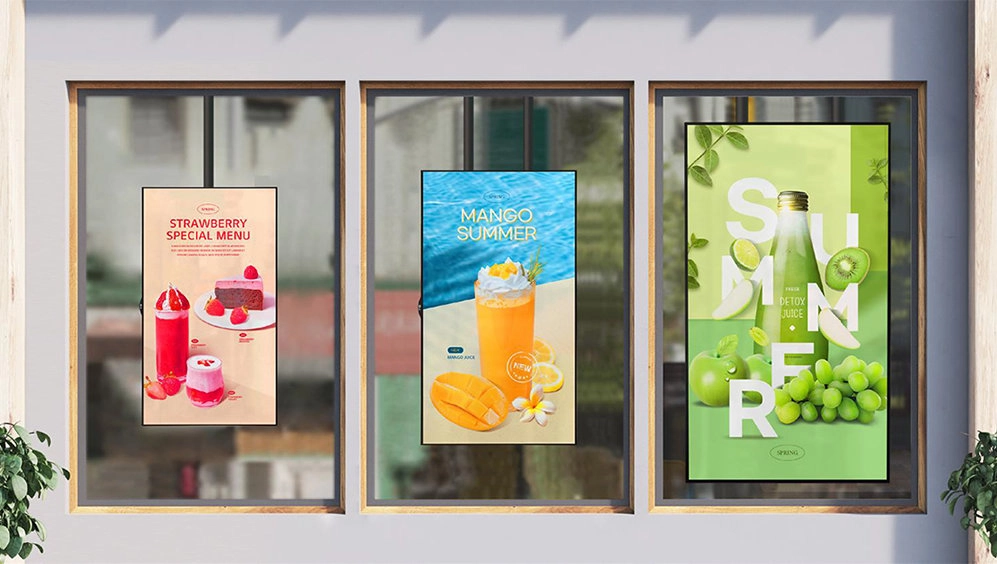
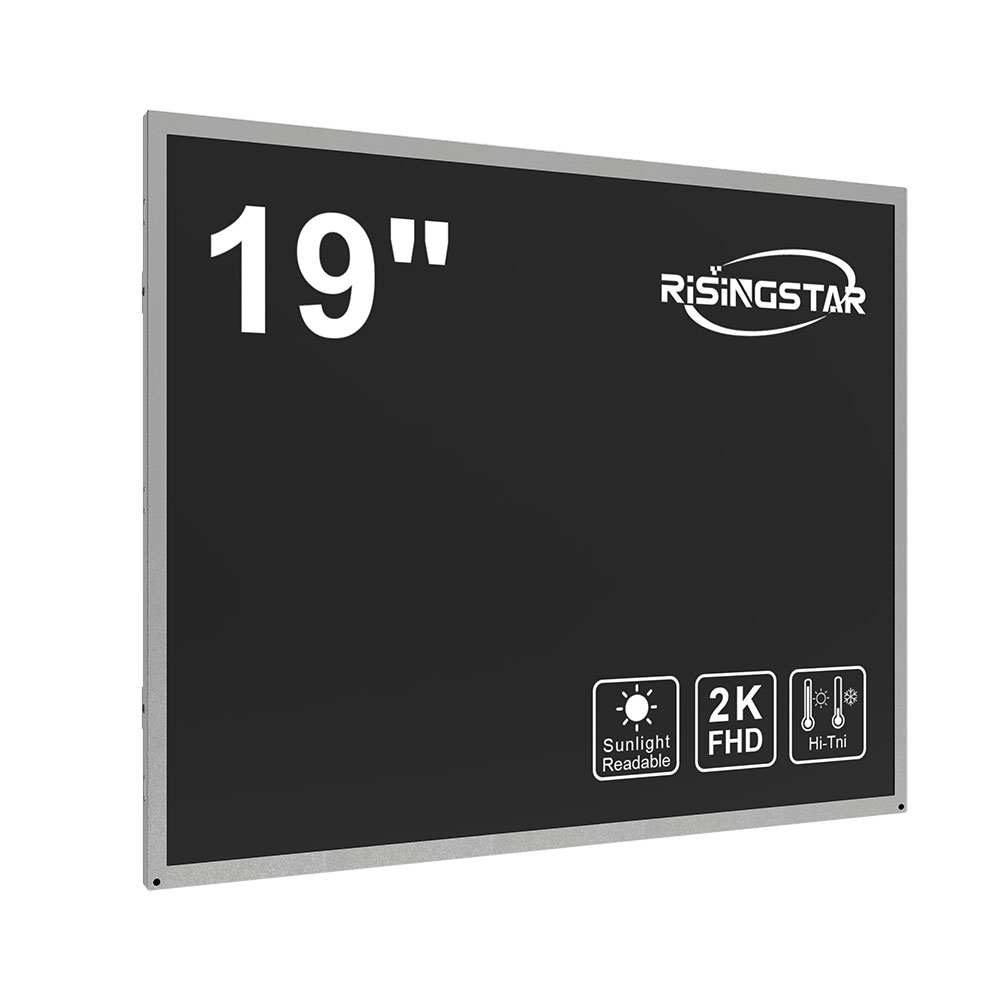
High-brightness sunlight-readable LCD displays are essential in modern industrial, military, and transportation environments where visibility under direct sunlight is critical. These screens are engineered to maintain clarity, contrast, and color accuracy even under intense ambient light conditions—such as those found in desert environments, on maritime vessels, or in outdoor construction equipment. Unlike standard LCDs, which often become illegible in bright daylight due to low peak brightness and poor contrast ratios, sunlight-readable displays use advanced optical technologies, including anti-glare coatings, high-luminance LED backlights (often exceeding 5,000 nits), and active matrix addressing schemes like IPS or VA panels.
A key differentiator in sunlight-readable LCDs is their ability to dynamically adapt to changing lighting conditions. For instance, many industrial-grade models incorporate ambient light sensors that automatically adjust brightness levels based on real-time environmental data—a feature particularly valuable in vehicles or mobile command centers where lighting shifts rapidly. According to a 2023 report by MarketsandMarkets, the global market for high-brightness displays is projected to grow at a CAGR of 7.8% from 2023 to 2028, driven largely by demand from aerospace, defense, and automotive sectors. This growth reflects not only rising adoption in consumer-facing devices like ruggedized tablets but also increasing integration into mission-critical systems such as UAV control interfaces and vehicle dashboards.
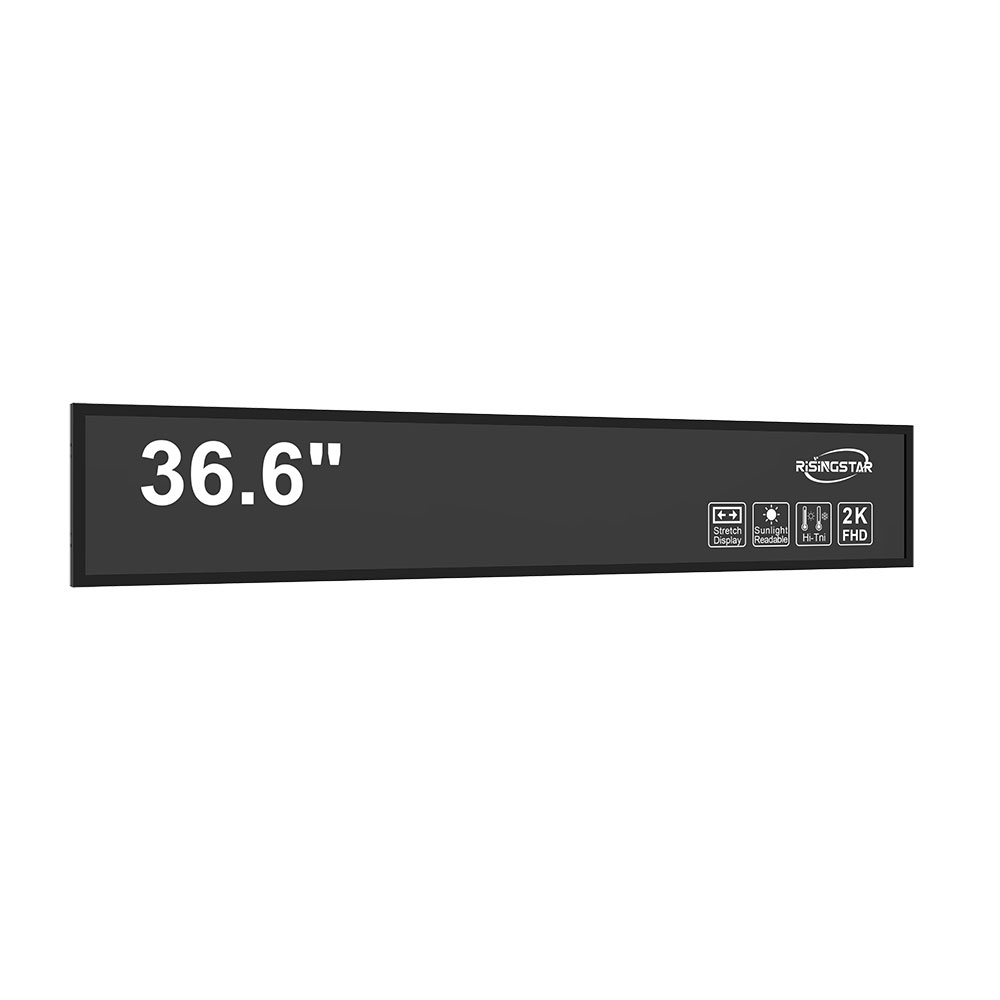
The engineering behind these displays involves more than just brightness. Anti-reflective coatings reduce surface glare, while polarizer films enhance contrast by minimizing external light interference. Additionally, some manufacturers employ transflective technology—a hybrid approach combining transmissive and reflective modes—that allows the display to remain visible both indoors and outdoors without excessive power consumption. This makes it ideal for battery-powered field devices used in remote monitoring or emergency response operations.
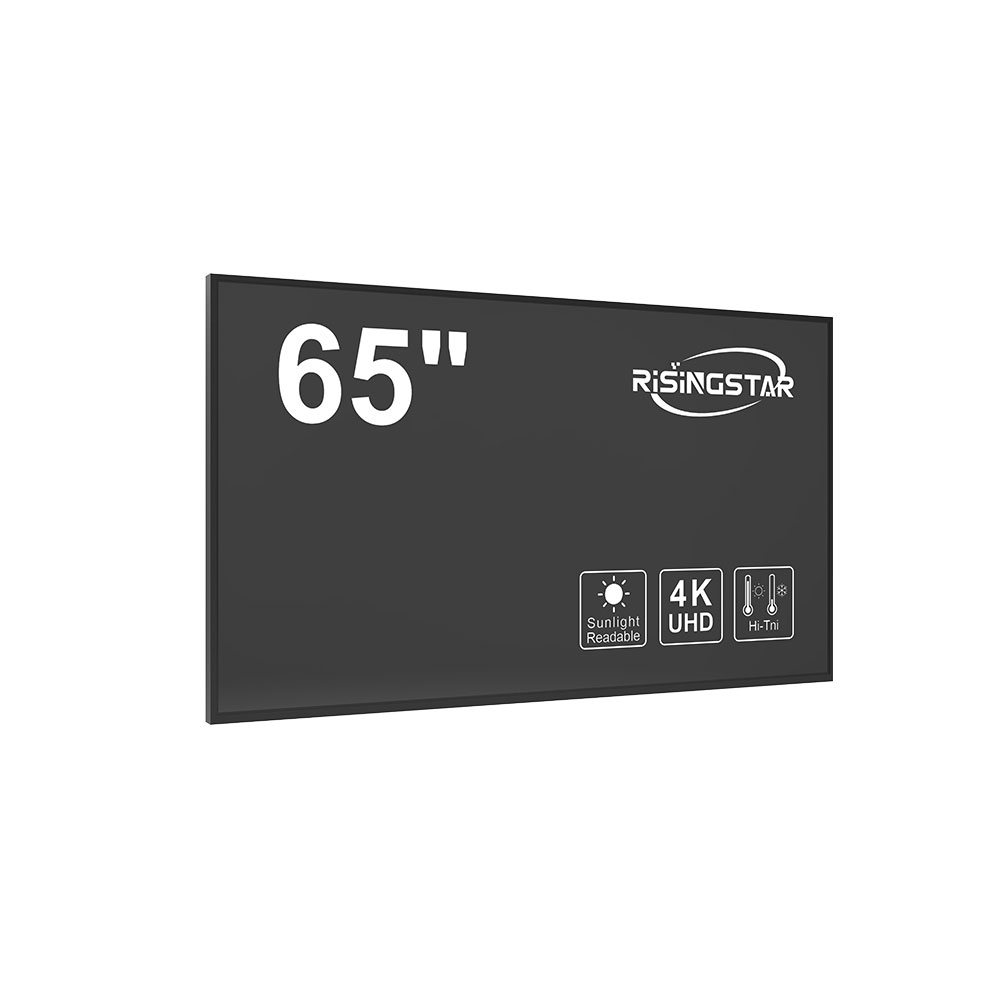
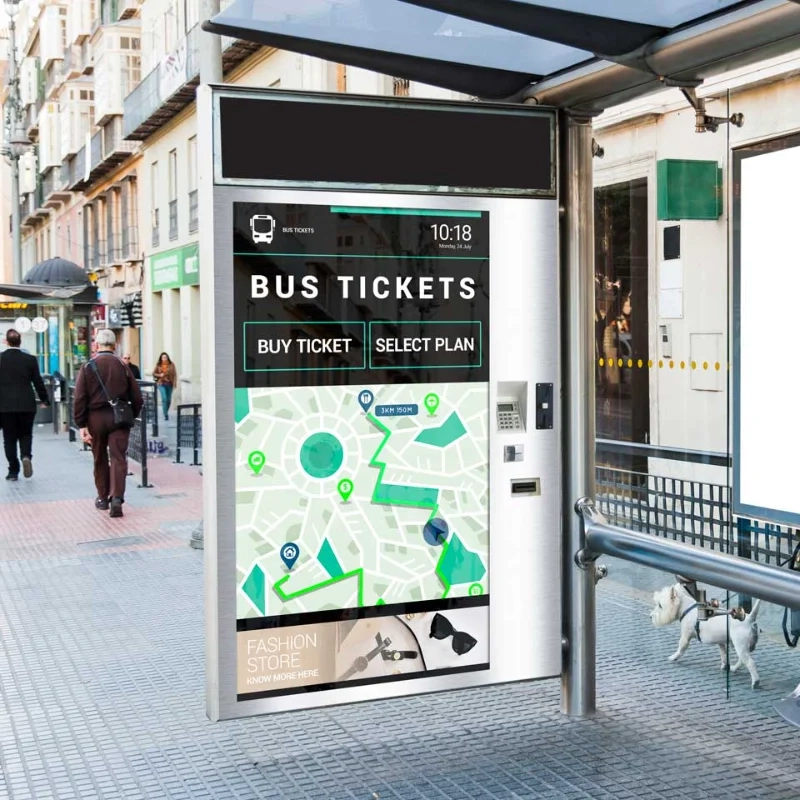
In practice, successful implementations can be seen in applications such as oil rig control panels, airport baggage handling systems, and military communication terminals. For example, the U.S. Department of Defense’s MIL-STD-810G certification requires that all display hardware meet stringent environmental resilience standards—including temperature extremes, humidity, shock, and vibration resistance—further validating the robustness of modern sunlight-readable LCDs. Case studies from companies like Sharp, LG Display, and Innolux demonstrate how these screens have been deployed in harsh conditions with minimal maintenance and exceptional uptime.
Moreover, recent advancements in OLED-based sunlight-readable solutions offer new possibilities. While traditional LCDs dominate due to cost-effectiveness and maturity, OLEDs provide deeper blacks and wider viewing angles—key advantages for situational awareness in cockpit displays or medical field devices. However, challenges remain in achieving consistent performance across wide temperature ranges and maintaining lifetime stability under continuous high-brightness operation.
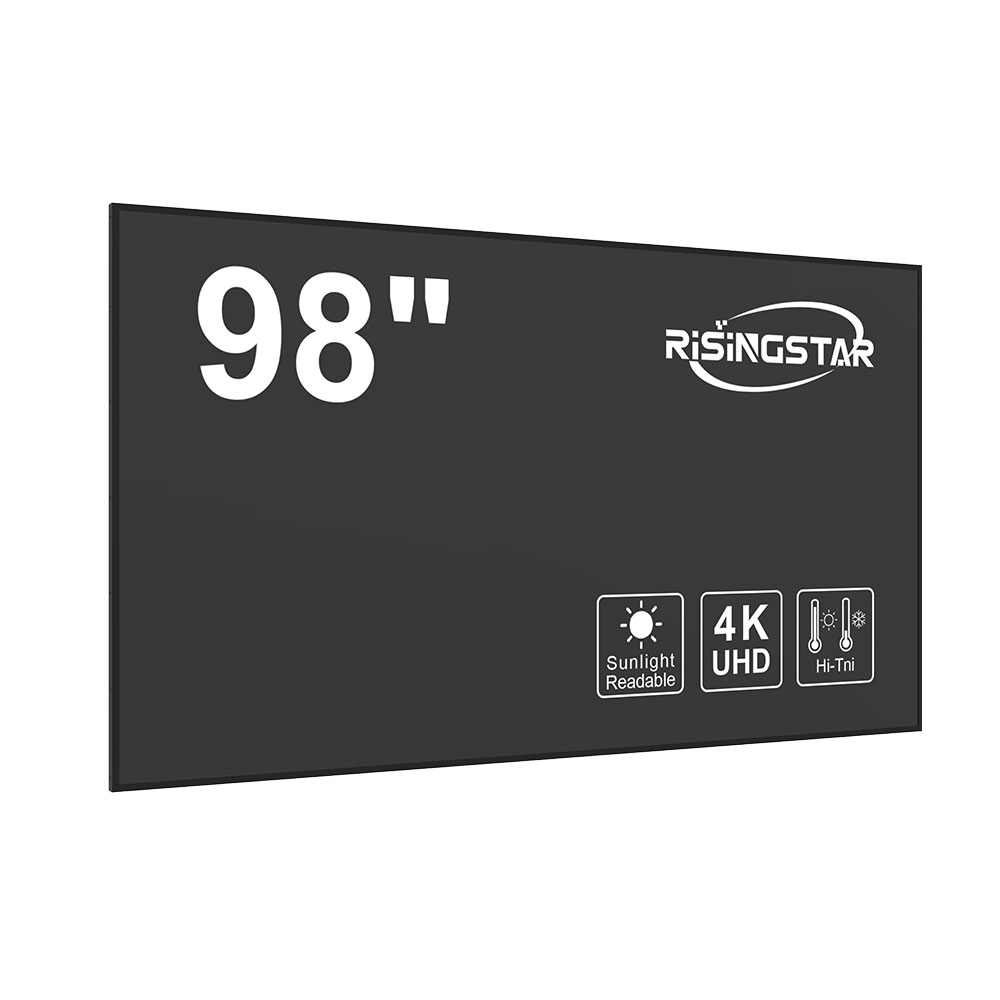
In conclusion, the evolution of high-brightness sunlight-readable LCDs represents a convergence of materials science, human factors engineering, and system-level integration. As industries increasingly rely on digital interfaces in outdoor settings—from smart cities to autonomous vehicles—the demand for reliable, readable, and energy-efficient displays will continue to rise. Engineers and product designers must prioritize both technical specifications (like luminance, contrast ratio, and viewing angle) and user experience metrics when selecting components for outdoor deployments.