RisingStar
- Home
- About Us
- Products
- News
- Video
- Contact
- Send Inquiry
Search
- Home
- About Us
- Products
- News
- Video
- Contact
- Send Inquiry
RisingStar
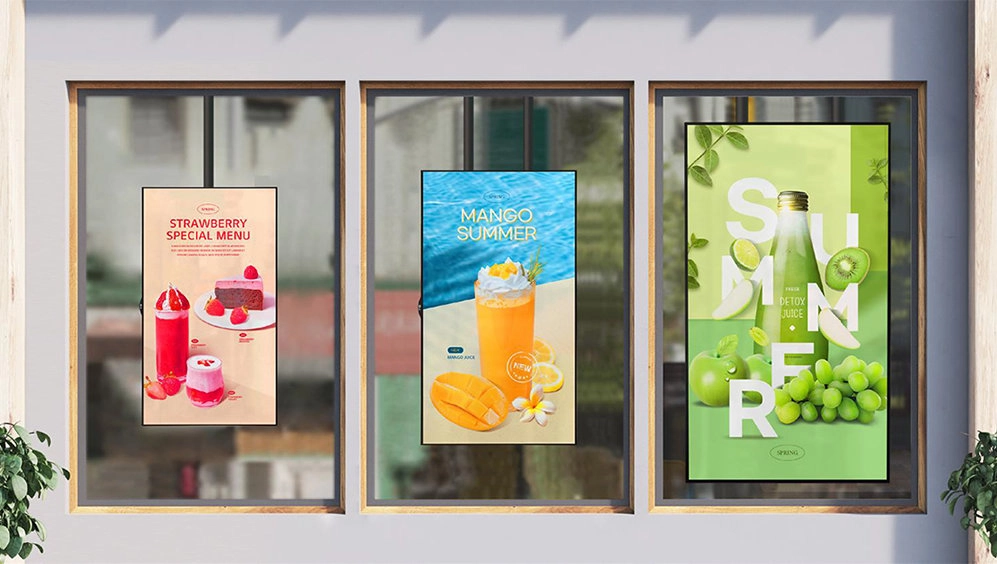
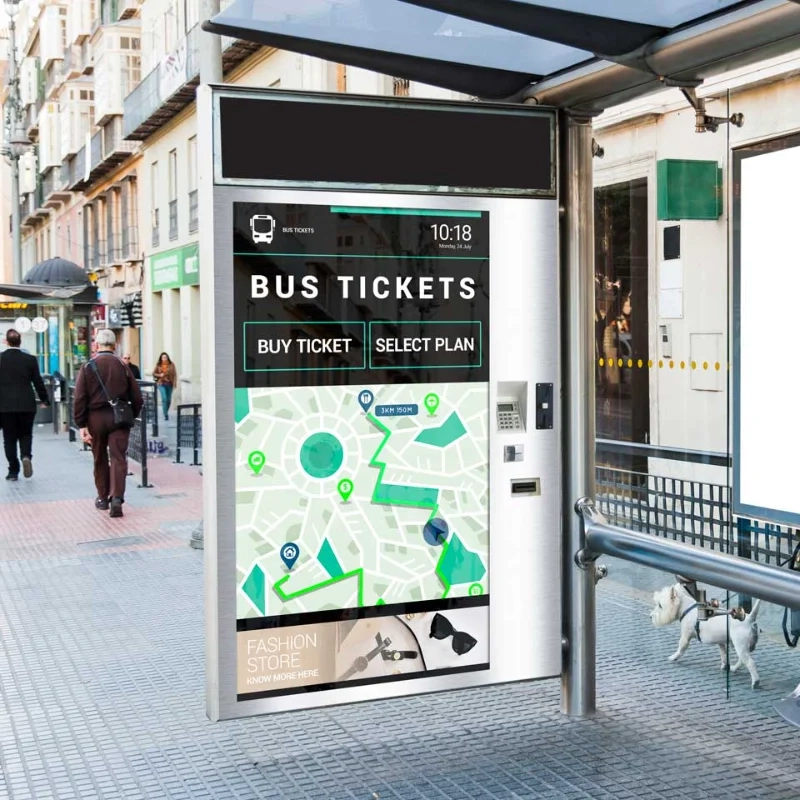
High-brightness sunlight-readable LCD screens have become indispensable in modern outdoor applications where visibility under direct sunlight is critical. These displays are engineered to maintain clarity, contrast, and color accuracy even in harsh environmental conditions such as bright daylight, extreme temperatures, and high humidity. As of 2024, the global market for high-brightness LCDs exceeds $12 billion annually, driven by demand from defense, transportation, industrial automation, and public information systems.
The core technology behind these displays lies in their ability to produce luminance levels typically exceeding 5,000 nits—far beyond standard indoor LCDs that range from 200 to 500 nits. This high brightness is achieved through advanced backlighting systems using LED arrays with optimized optical films, efficient light guides, and sometimes active cooling mechanisms to prevent thermal degradation. For example, military-grade displays used in armored vehicles often operate at 7,000 to 10,000 nits to ensure readability during combat operations under full sun exposure.
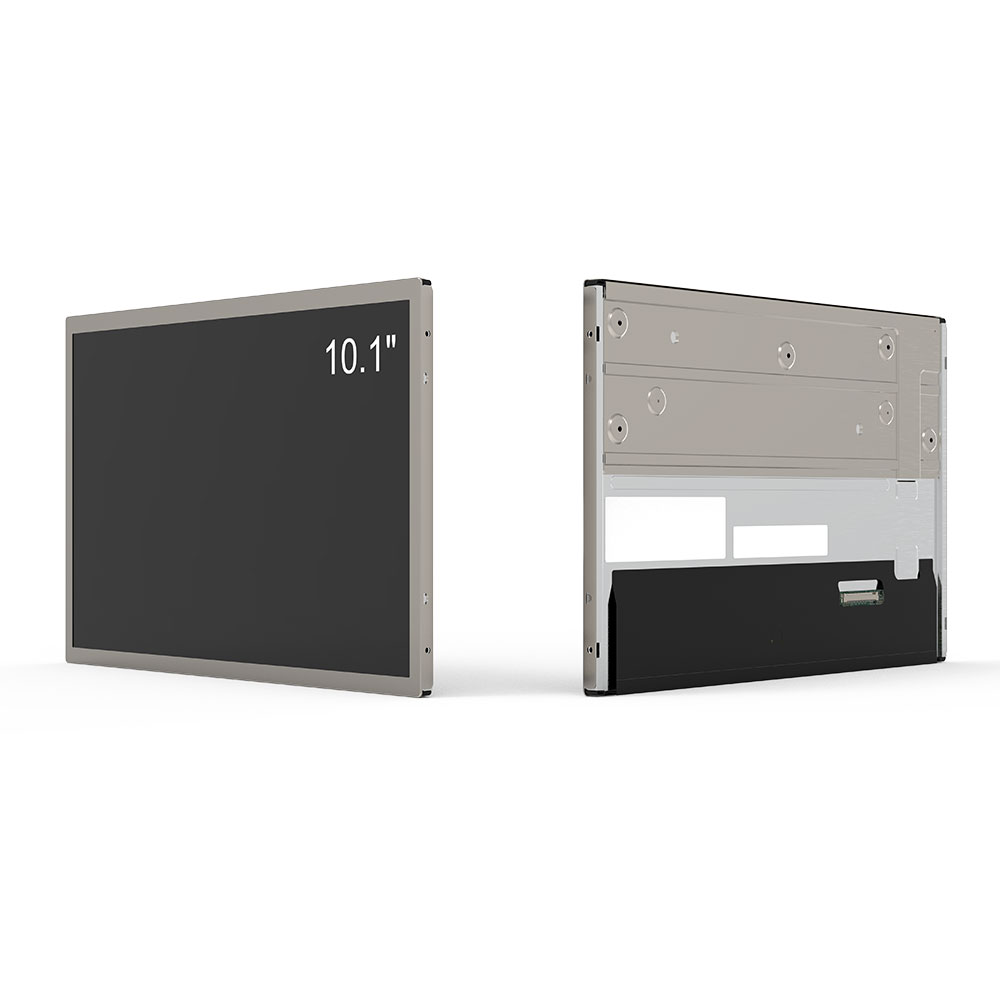
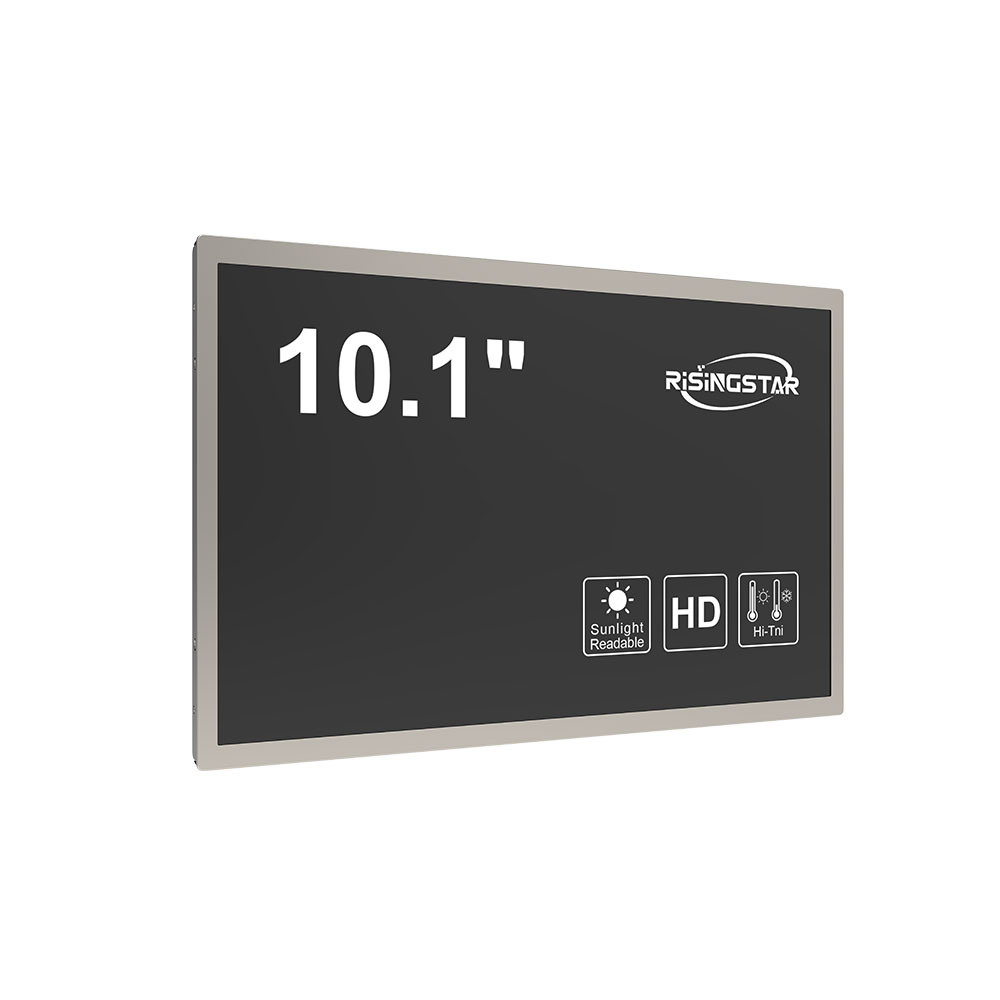
Another key feature is anti-glare and polarization control. Manufacturers employ matte-finish glass coatings, polarized filters, and micro-louvered diffusers to reduce specular reflection and enhance contrast ratios. According to a 2023 study published in the Journal of Display Technology, these optical enhancements improve visibility by up to 60% compared to conventional glossy LCDs under 1000 lux ambient light conditions. In real-world applications like traffic signal displays or airport boarding monitors, this means operators can read critical data without squinting or adjusting position.
Durability is equally important. High-brightness sunlight-readable LCDs must meet stringent standards such as MIL-STD-810G for shock, vibration, and temperature cycling. Many panels are rated IP65 or higher for dust and water resistance, making them suitable for use in construction sites, maritime environments, and agricultural machinery. Case studies from Siemens and Bosch show that integrating such displays into heavy equipment reduces operator errors by up to 25%, particularly in fast-paced outdoor workflows.
Additionally, energy efficiency remains a priority. Modern designs incorporate adaptive brightness control (ABC), which dynamically adjusts screen output based on ambient light sensors—a feature now common in commercial-grade outdoor kiosks and digital signage. This not only extends battery life in mobile units but also reduces heat generation, improving long-term reliability.
From an industry perspective, the shift toward smart cities and Industry 4.0 has amplified demand for robust, sunlight-readable displays. Smart parking systems, solar-powered monitoring stations, and autonomous vehicle interfaces all rely on these technologies to function effectively. As noted in a 2022 report by Grand View Research, the Asia-Pacific region leads adoption due to rapid infrastructure development and government incentives for green tech integration.
In conclusion, high-brightness sunlight-readable LCDs are no longer niche products—they are essential tools in today’s connected world. Their blend of optical engineering, environmental resilience, and smart features ensures they remain at the forefront of outdoor display innovation.
2026-05-14
What Is an ADS Panel