RisingStar
- Home
- About Us
- Products
- News
- Video
- Contact
- Send Inquiry
Search
- Home
- About Us
- Products
- News
- Video
- Contact
- Send Inquiry
RisingStar
High-brightness sunlight-readable LCD screens are critical components in outdoor and high-ambient-light environments such as military vehicles, industrial control panels, medical devices, and transportation systems. These displays are engineered to maintain visibility under direct sunlight, often exceeding 5,000 nits of brightness—far beyond standard indoor LCDs that typically peak at 300–500 nits. The core challenge in designing such displays lies in optimizing contrast, reducing glare, and ensuring long-term reliability in extreme conditions.
The technology behind these screens relies on several advanced engineering principles. First, high-luminance LED backlights (often full-array local dimming) provide intense illumination. Second, anti-reflective coatings or polarization layers minimize light reflection from the glass surface—a major issue in bright sunlight. Third, adaptive brightness sensors automatically adjust screen luminance based on ambient light levels, improving power efficiency without compromising readability. Additionally, some models use transflective liquid crystal technology, which combines reflective and transmissive modes: in bright daylight, it uses ambient light for energy-efficient operation, while switching to active backlighting indoors or at night.
Industry standards like MIL-STD-810G and ISO 16750 ensure durability against shock, vibration, temperature extremes (-40°C to +70°C), humidity, and dust ingress (IP65 or higher). For example, a case study from BAE Systems shows how their battlefield command displays utilize 7,000-nit sunlight-readable LCDs with ruggedized casings, enabling mission-critical operations in desert environments where solar irradiance exceeds 1,000 W/m². Similarly, in automotive applications, companies like Continental AG integrate high-brightness displays into dashboards that remain legible even under direct sun exposure during summer months.
Another emerging trend is the integration of touch functionality with glove-compatible interfaces, essential in aerospace and defense settings. This involves capacitive or resistive touch layers optimized for low-power operation and high noise immunity. OLED-based alternatives are also gaining traction due to their superior contrast ratios and fast response times, though they currently lag in maximum brightness compared to LED-backlit LCDs.
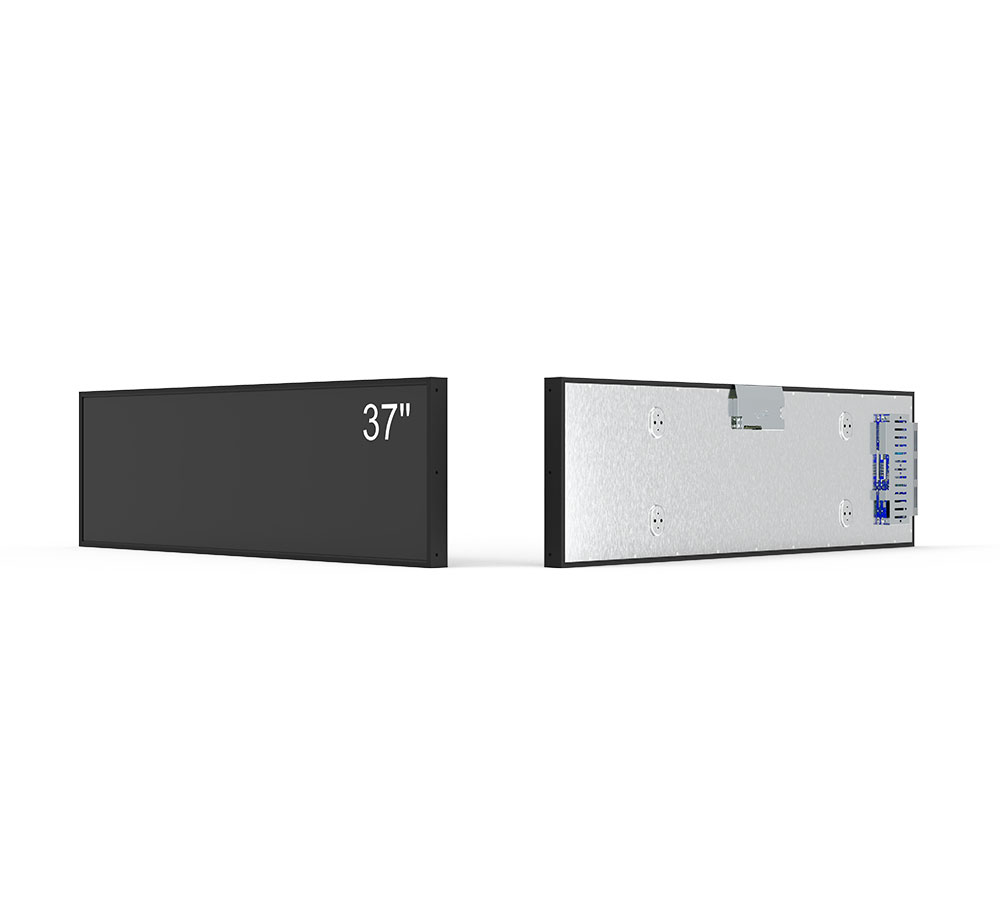
From an economic standpoint, while high-brightness LCDs cost 2–3x more than conventional displays, their total cost of ownership is favorable due to reduced maintenance, longer lifespan, and enhanced operational safety. According to a 2023 report by MarketsandMarkets, the global sunlight-readable display market is projected to grow at a CAGR of 6.7% through 2030, driven by demand in smart cities, IoT-enabled infrastructure, and electric vehicle manufacturing.
In summary, high-brightness sunlight-readable LCDs represent a convergence of optical physics, materials science, and system-level design tailored for real-world performance under extreme lighting. Their importance spans multiple industries—from emergency response to aviation—and continues to evolve with advancements in display technology, environmental resilience, and user-centered design.