RisingStar
- Home
- About Us
- Products
- News
- Video
- Contact
- Send Inquiry
Search
- Home
- About Us
- Products
- News
- Video
- Contact
- Send Inquiry
RisingStar
High-brightness sunlight-readable LCD screens have become indispensable in modern outdoor environments, where visibility under direct sunlight is a critical requirement. These displays are engineered to deliver optimal clarity even under extreme lighting conditions—such as bright midday sun, reflective surfaces, or rapidly changing ambient light. Their core technology involves boosting luminance levels beyond standard LCDs (typically 1000–5000 cd/m² compared to 250–400 cd/m² in indoor models) while incorporating advanced anti-glare coatings, polarization filters, and active backlighting systems.
Practical applications span across industries including military, transportation, healthcare, retail, and industrial automation. In military operations, these screens are used in field command units, drones, and vehicle-mounted displays, ensuring mission-critical data remains legible in harsh conditions. In transportation, they power digital signage at airports, train stations, and bus stops—where passengers must read real-time updates regardless of weather. Healthcare facilities increasingly use them in emergency response vehicles and outdoor triage tents, offering reliable access to patient records under open skies. Retailers leverage them in smart kiosks and digital billboards, maximizing advertising impact during daylight hours.
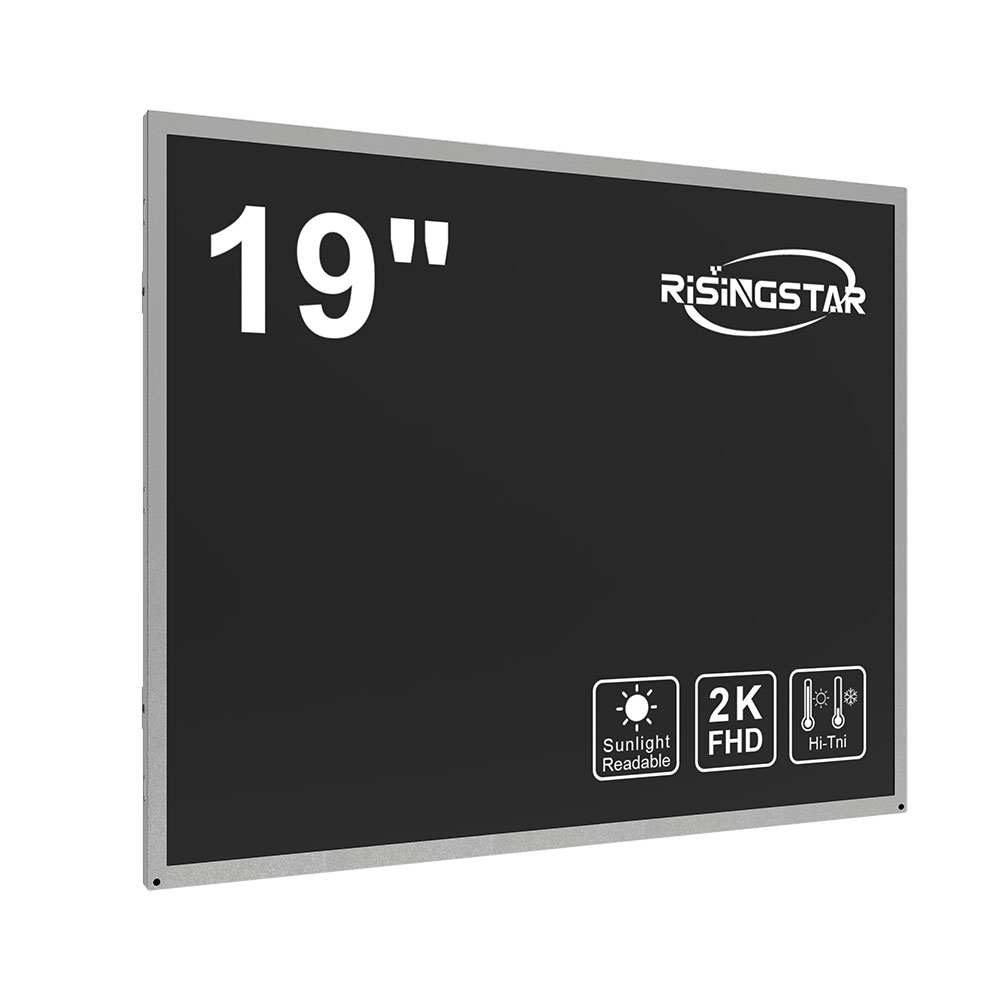
One major advantage of high-brightness sunlight-readable LCDs is their energy efficiency. Modern designs incorporate LED backlights with dynamic brightness control that adjust based on ambient light sensors—a feature recognized in the IEC 60950-1 safety standards for electronic equipment. This not only extends battery life in portable devices but also reduces heat generation, improving longevity. Additionally, they often include ruggedized enclosures meeting IP65/IP67 ratings, making them resistant to dust, water, and mechanical shock.
However, common problems persist. Early models suffered from poor viewing angles and excessive power consumption when operating at full brightness. Recent advancements using local dimming and quantum dot-enhanced color gamut have addressed both issues. For instance, Samsung’s QLED-based outdoor displays now achieve 3000 cd/m² peak brightness with improved contrast ratios up to 1000:1, while consuming 20% less power than previous generations. Another challenge is thermal management; prolonged exposure to sunlight can cause overheating. Industry solutions include passive heat sinks and thermally conductive materials like aluminum frames or graphene-based cooling layers—technologies validated by studies published in the Journal of Display Technology (IEEE).
The latest trends point toward integration with AI-driven ambient light adaptation and flexible display form factors. Companies such as LG Display and BOE Technology are pioneering curved and foldable sunlight-readable OLEDs for wearable military gear and mobile medical diagnostics. According to a 2023 report by MarketsandMarkets, the global outdoor display market is projected to grow at a CAGR of 8.7% through 2028, driven largely by demand for high-brightness, low-power, and durable screens in smart cities and IoT infrastructure.
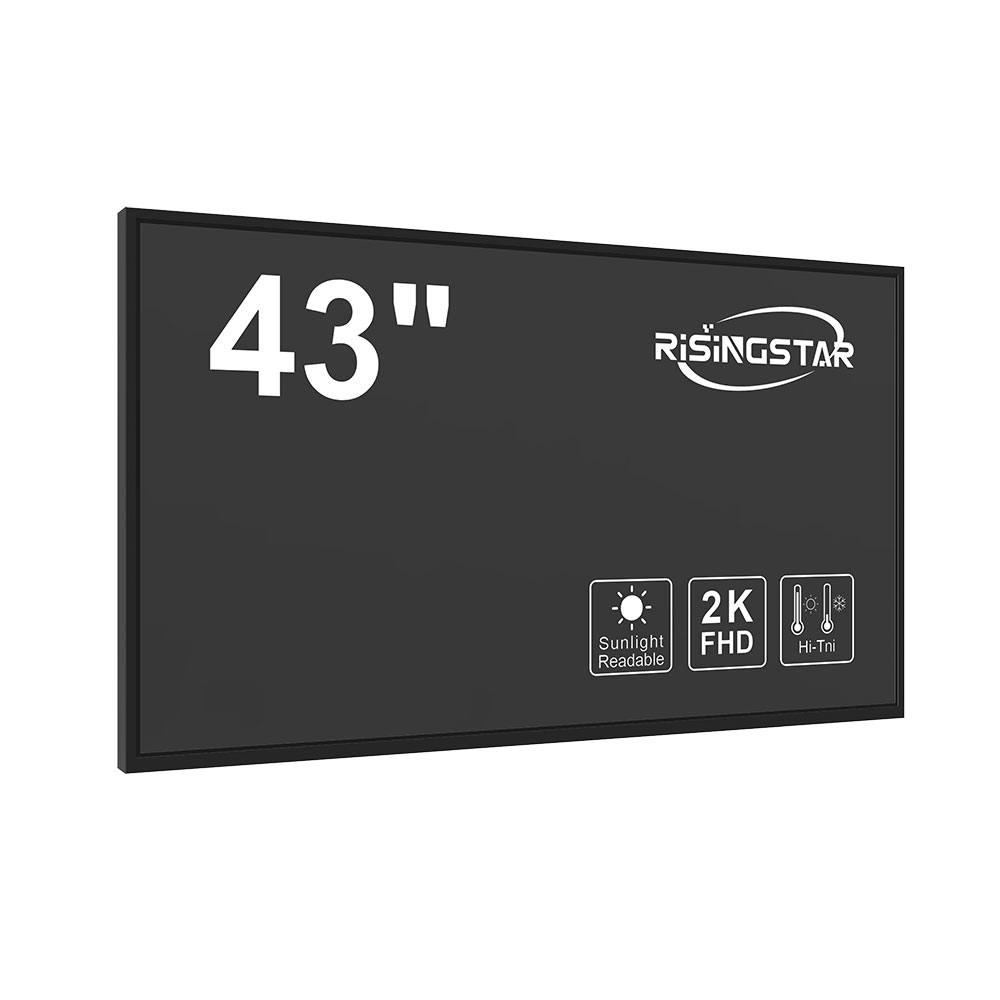
In conclusion, high-brightness sunlight-readable LCD screens represent a convergence of optics, materials science, and user-centric design. As climate change intensifies environmental variability and urbanization accelerates, these displays will remain essential for maintaining human-machine interfaces in any condition—not just sunny days, but unpredictable ones too.