RisingStar
- Home
- About Us
- Products
- News
- Video
- Contact
- Send Inquiry
Search
- Home
- About Us
- Products
- News
- Video
- Contact
- Send Inquiry
RisingStar
High-brightness sunlight-readable LCD screens are engineered to deliver optimal visibility under intense outdoor lighting conditions, such as direct sunlight, which can often render standard displays unreadable. These screens are essential for military, industrial, transportation, and medical applications where reliable visual performance is critical regardless of environmental challenges. The technology behind these displays combines advanced backlighting systems, anti-glare coatings, high-contrast ratios, and optimized pixel density to ensure consistent image quality even at 10,000+ nits of brightness—far exceeding the typical 300–500 nits found in consumer-grade LCDs.
The key components that make a display sunlight-readable include electroluminescent (EL) or LED backlights with high lumen output, polarized filters to reduce glare, and specialized liquid crystal materials that maintain response times across extreme temperatures. For example, in military field operations, devices like handheld radios or vehicle-mounted displays must remain legible under full sun exposure without requiring users to adjust positioning or wait for ambient light changes. Similarly, in automotive dashboards or construction equipment interfaces, real-time data visualization must remain clear and accurate in both daylight and shaded conditions.
Industry standards such as MIL-STD-810G and ISO 16750 define mechanical, thermal, and optical durability requirements for such displays. Manufacturers like Sharp, LG Display, and EIZO have developed proprietary technologies including adaptive brightness control, wide viewing angles (up to 178°), and ruggedized touch overlays to meet these specifications. Case studies from defense contractors show that deploying sunlight-readable displays reduces pilot workload in helicopters by up to 40%, as pilots no longer need to squint or reposition their gaze to read critical flight information.
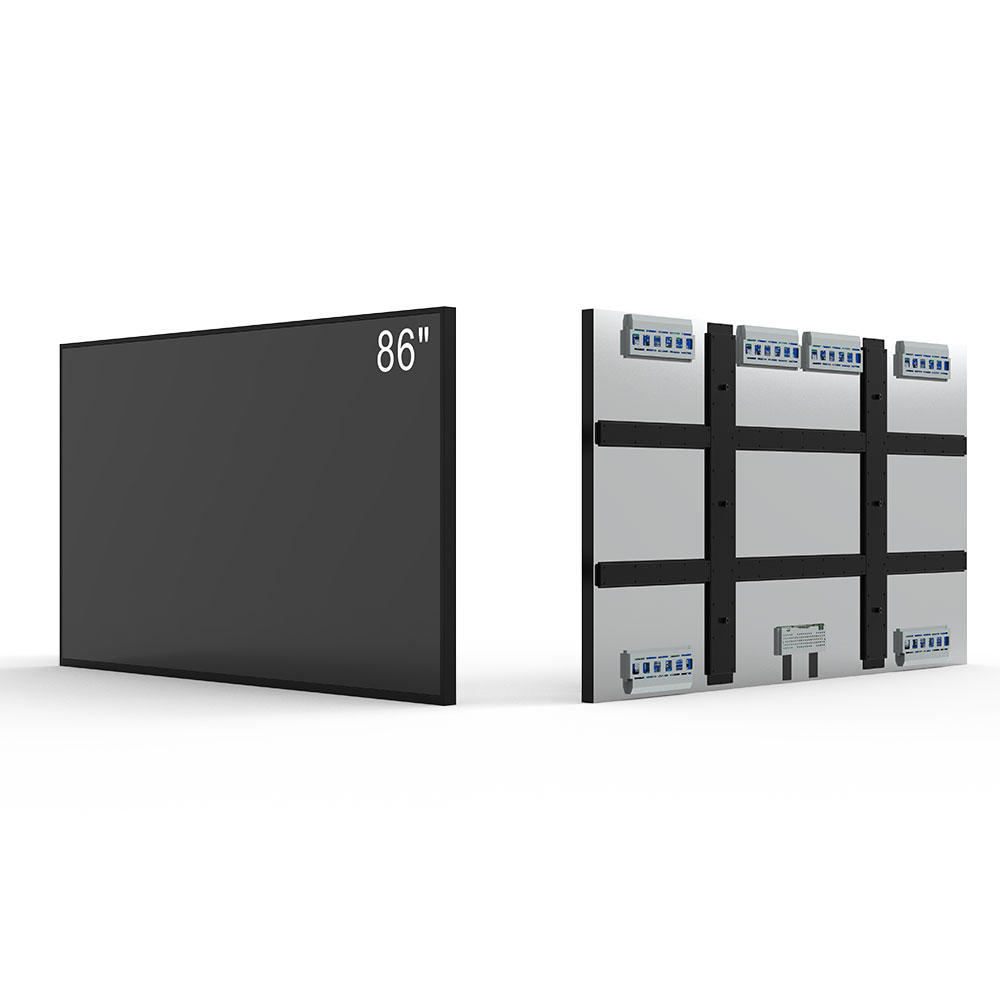
In commercial settings, such as solar farms or oil rigs, operators rely on these screens to monitor sensor data and control systems remotely. The use of high-brightness panels also enhances energy efficiency by minimizing unnecessary power draw during daytime operations—a crucial factor in off-grid installations. With increasing demand for human-machine interface (HMI) solutions in automation and Industry 4.0 environments, the global market for sunlight-readable displays is projected to grow at a CAGR of 9.2% through 2030, according to Grand View Research. This growth underscores the importance of integrating robust display engineering into next-generation embedded systems and mobile platforms.
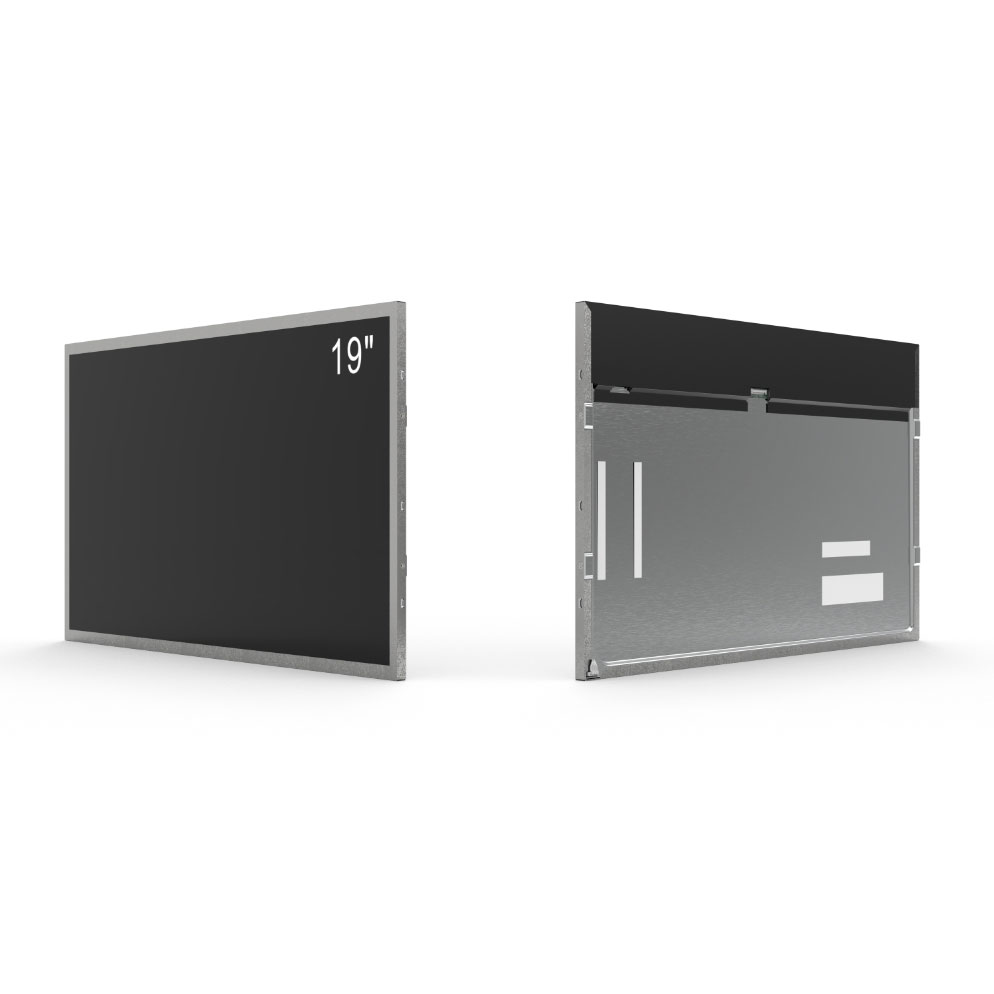
The evolution of this technology continues with innovations like micro-LED integration, which promises higher contrast, better color accuracy, and improved power consumption while maintaining the same level of sunlight readability. As global industries increasingly adopt smart infrastructure, the role of high-brightness sunlight-readable LCDs will expand beyond just visibility—they will become foundational to operational safety, productivity, and user experience in demanding environments worldwide.