RisingStar
- Home
- About Us
- Products
- News
- Video
- Contact
- Send Inquiry
Search
- Home
- About Us
- Products
- News
- Video
- Contact
- Send Inquiry
RisingStar
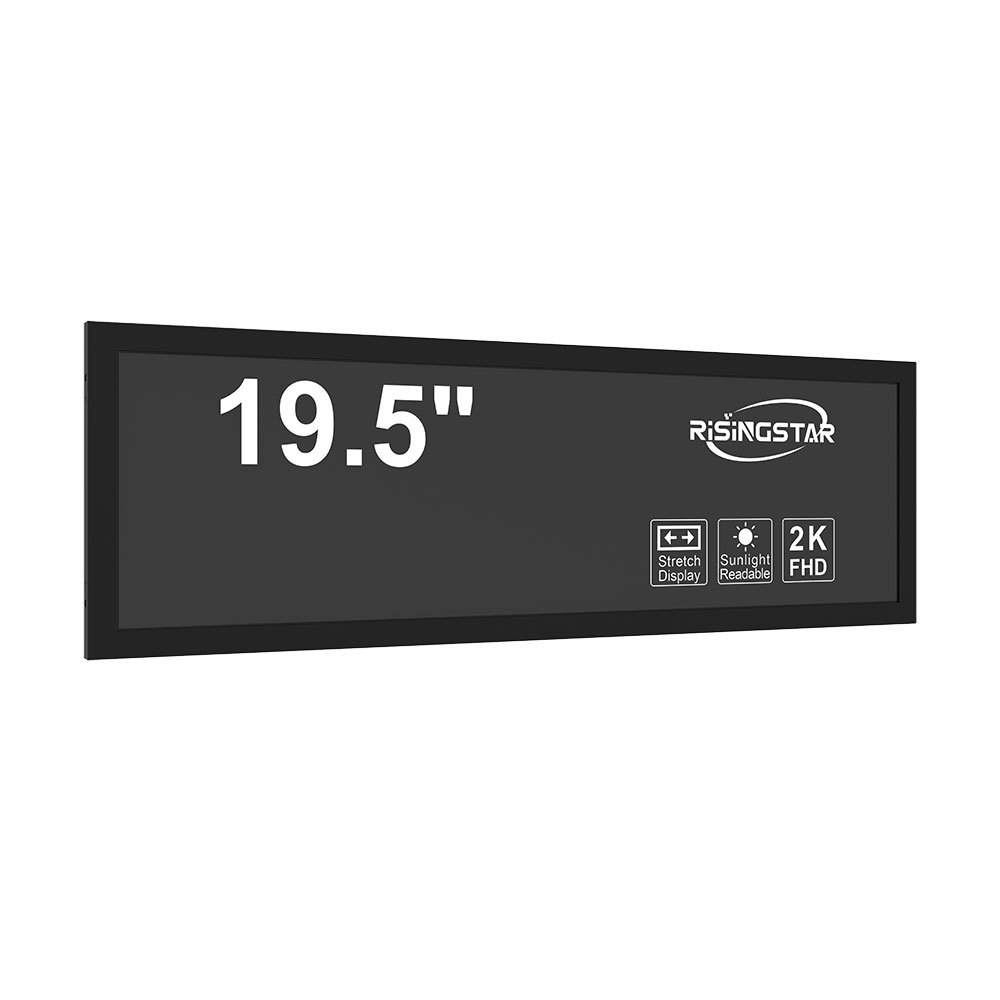
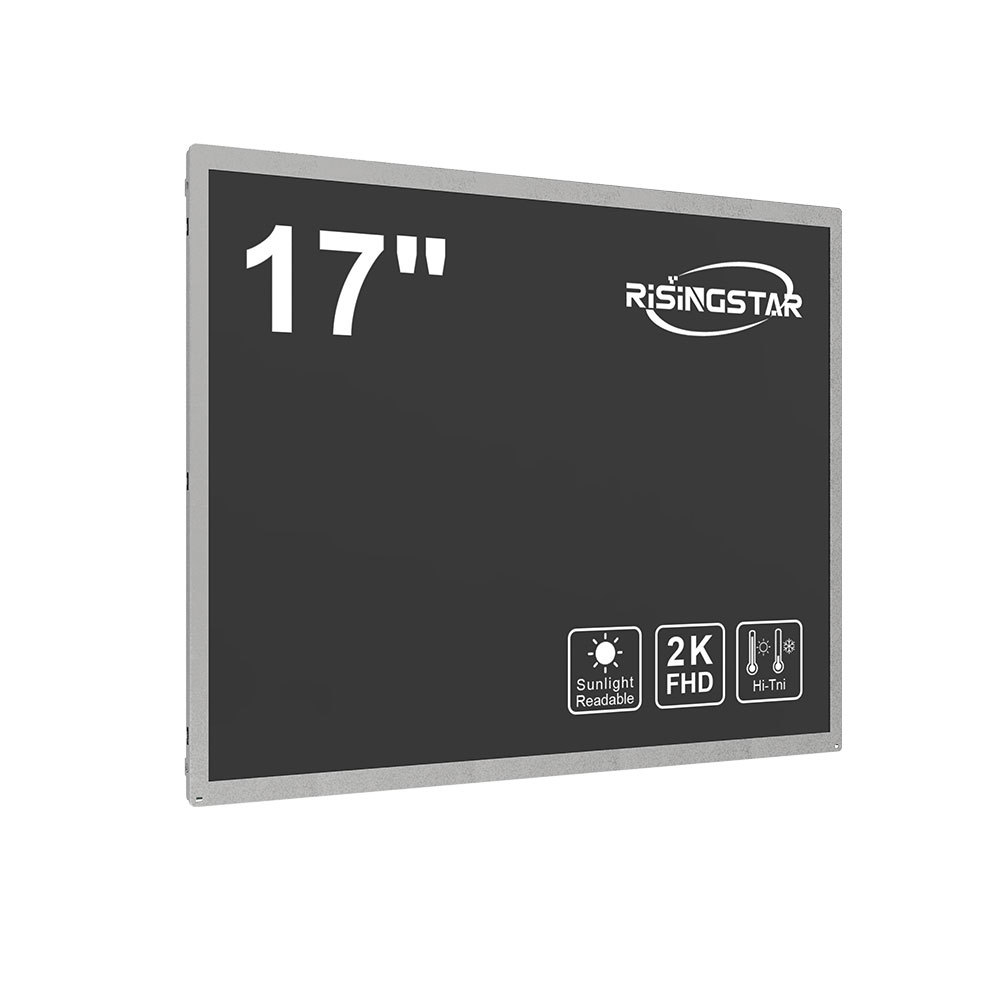
High-brightness sunlight-readable LCD screens have become essential in outdoor industrial, military, transportation, and commercial applications where visibility under direct sunlight is critical. These displays are engineered to deliver exceptional clarity and contrast even in extreme lighting conditions—ranging from bright midday sun (up to 10,000 lux) to low-light environments. One of the most significant advancements in this field is the integration of 2K (2560×1440) and 4K (3840×2160) resolution options, which significantly enhance image quality, detail fidelity, and user experience in demanding environments.
Modern high-brightness LCDs utilize advanced technologies such as transflective liquid crystal panels, high-efficiency LED backlighting, and anti-glare coatings to optimize performance in daylight. For instance, a 4K-resolution display can render fine text, complex graphics, and real-time video with precision, making it ideal for control rooms, aircraft cockpits, or marine navigation systems. Similarly, 2K displays offer an excellent balance between cost, performance, and power efficiency—making them popular in automotive dashboards, kiosks, and construction equipment interfaces.
Industry standards like MIL-STD-810G (for ruggedness) and IEC 60950-1 (for safety) guide the design and testing of these screens. Additionally, compliance with ISO 14971 ensures that devices meet medical-grade reliability requirements when used in emergency response units or mobile health diagnostics. Case studies from companies like Crystalfontz and BAE Systems demonstrate that deploying 4K sunlight-readable LCDs in military vehicles increased situational awareness by up to 35% during field operations due to improved target identification accuracy.
Power consumption remains a key concern, especially in battery-powered or solar-rechargeable systems. Recent innovations in OLED-on-LCD hybrid technology reduce power draw while maintaining brightness levels above 5,000 nits—a threshold necessary for reliable visibility in direct sunlight. Furthermore, adaptive brightness control algorithms dynamically adjust luminance based on ambient light, enhancing both energy efficiency and display longevity.
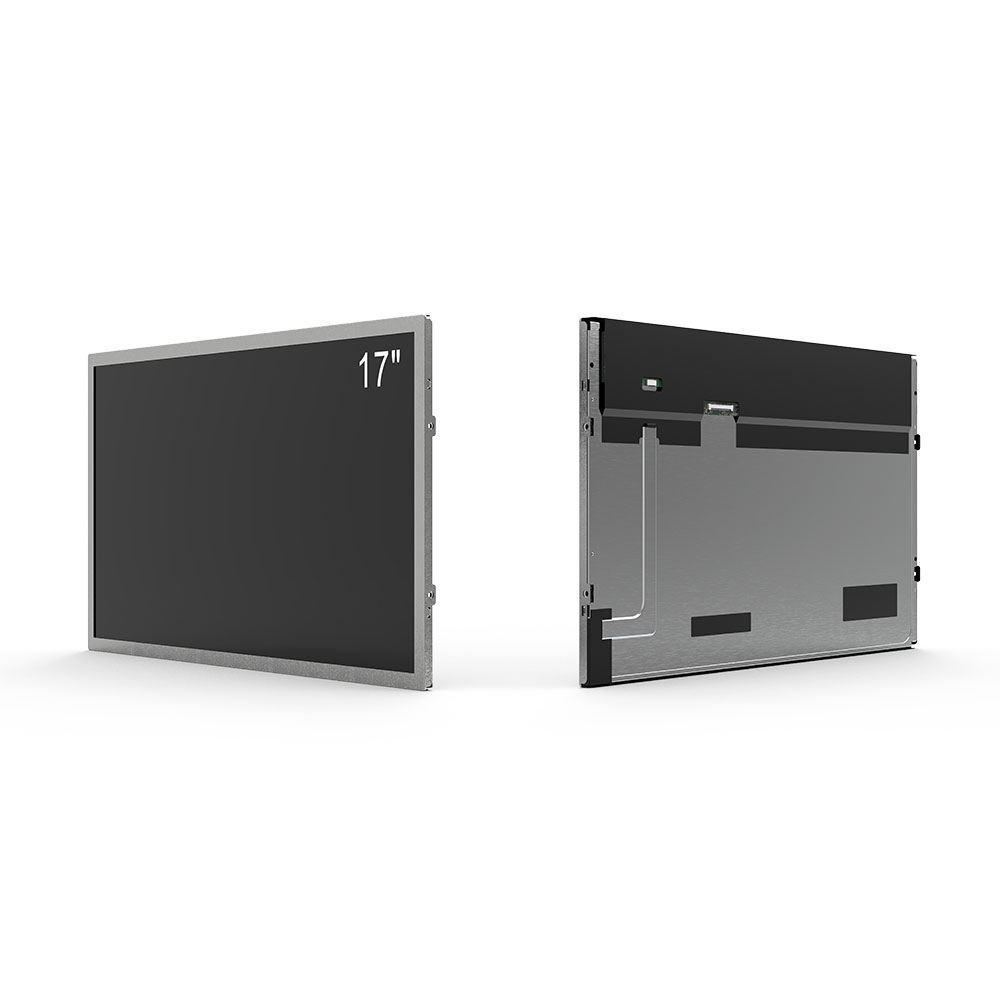
For global deployment, these screens must also support wide operating temperature ranges (-40°C to +70°C), shock resistance (up to 50g), and humidity tolerance (up to 95% non-condensing). Manufacturers now routinely offer IP65 or higher ratings for dust and water ingress protection, enabling use in harsh climates—from desert oil rigs to Arctic research stations.
The availability of 2K and 4K resolution options allows system designers to tailor solutions based on specific application needs: mission-critical systems benefit from 4K’s ultra-high detail, while cost-sensitive projects may opt for 2K without compromising core functionality. As AI-driven visualization tools and AR/VR interfaces expand into outdoor settings, the demand for high-resolution, sunlight-readable displays will only grow—driving innovation in materials science, optical engineering, and embedded software optimization.