 RisingStar
- Home
- About Us
- Products
- News
- Video
- Contact
- Send Inquiry
Search
- Home
- About Us
- Products
- News
- Video
- Contact
- Send Inquiry
RisingStar
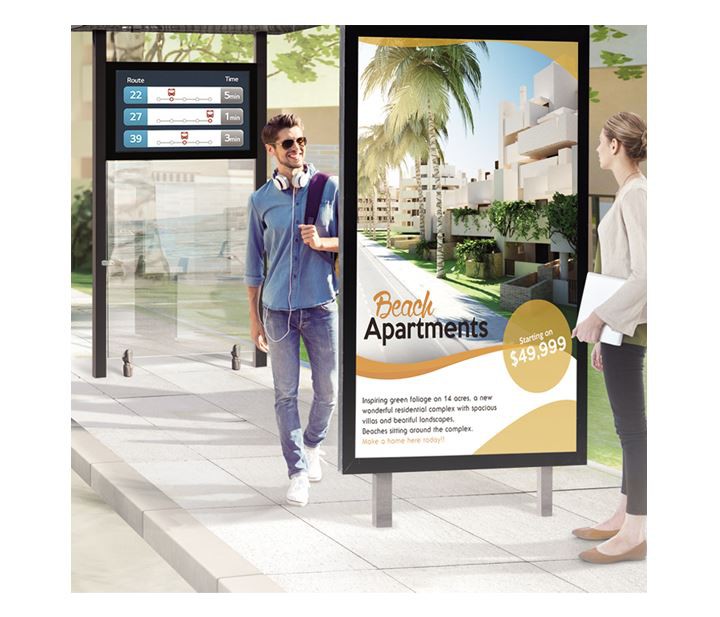
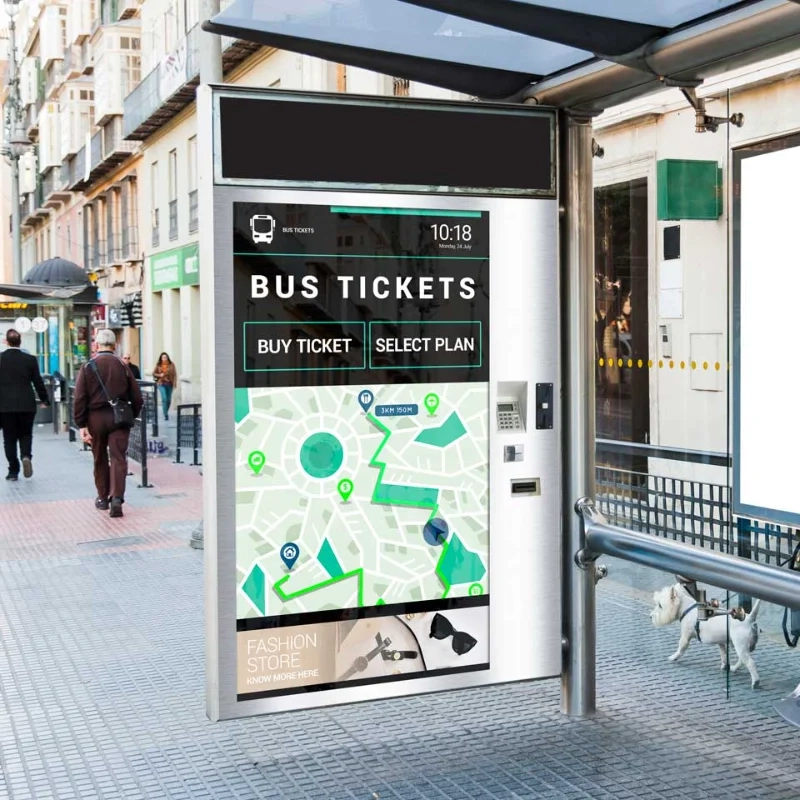
In the rapidly evolving landscape of digital signage, outdoor environments present unique challenges that demand specialized solutions—especially when deploying portrait-oriented displays. An outdoor enclosure for portrait digital signage is not merely a protective casing; it is a critical component that ensures performance, durability, and visibility under extreme weather conditions. These enclosures are engineered to withstand direct sunlight, high humidity, temperature fluctuations, dust, and even vandalism—making them indispensable in applications such as transit hubs, retail kiosks, public information boards, and smart city infrastructure.
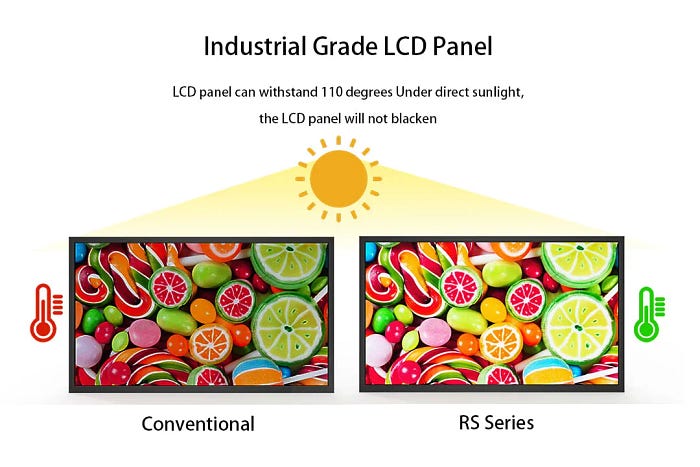
The design of a high-performance outdoor enclosure begins with materials selection. Industry-leading manufacturers use aluminum alloys (e.g., 6061-T6), stainless steel, or polycarbonate composites for structural integrity and thermal resistance. Unlike standard indoor enclosures, outdoor models must meet IP65 or higher ratings for ingress protection, meaning they are sealed against water jets and dust particles. Additionally, many enclosures incorporate anti-glare coatings on tempered glass fronts and integrated sunshades to reduce brightness loss caused by ambient light—a key concern for portrait displays used in vertical orientations, where sunlight often hits the screen directly at an oblique angle.
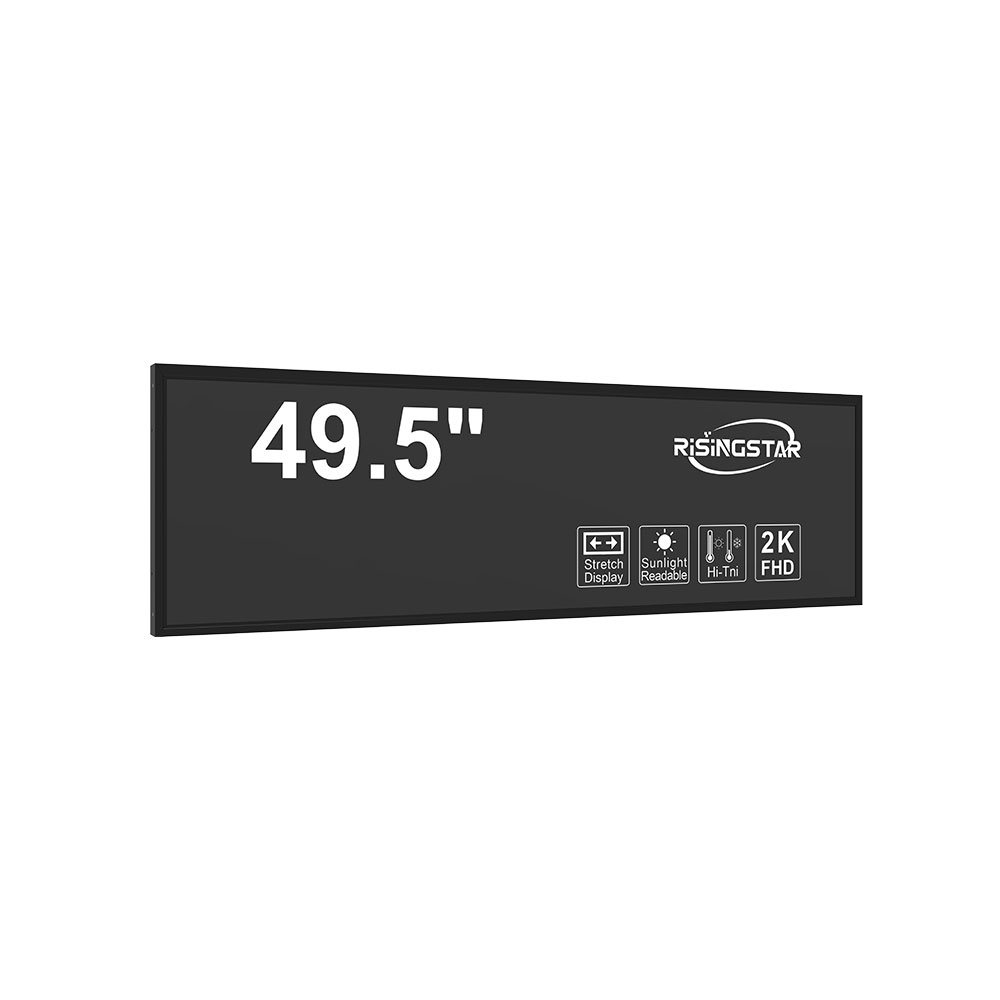
Thermal management is another cornerstone of effective outdoor enclosure design. Heat buildup inside the enclosure can degrade display components and shorten lifespan. To address this, engineers employ passive cooling systems such as heat sinks and convection vents, or active systems like fans and thermostatically controlled heaters for cold climates. For example, a case study from a major European transit authority found that implementing a dual-mode ventilation system in portrait digital signage enclosures reduced internal temperatures by up to 18°C during summer peak hours, significantly improving reliability.
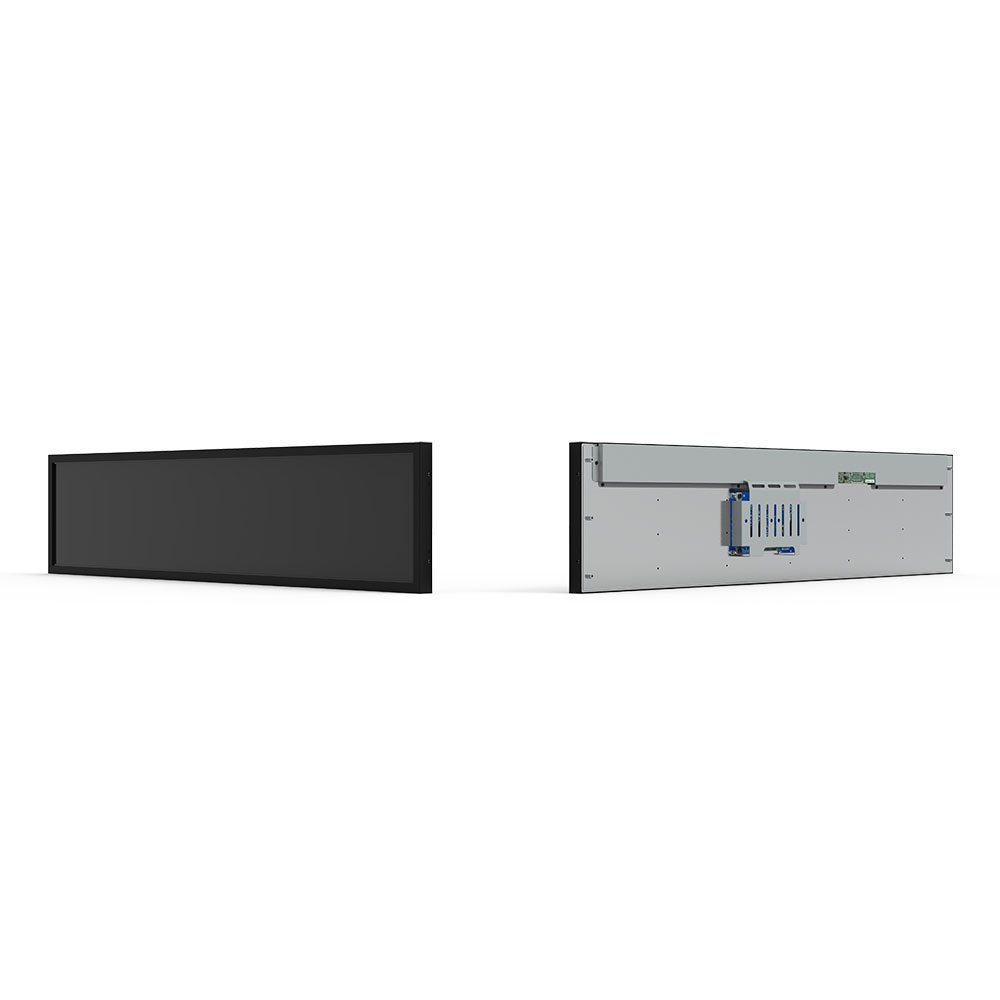
Display compatibility also plays a crucial role. High-brightness LED-backlit LCDs (often exceeding 5,000 nits) are commonly paired with these enclosures, ensuring readability even in full sunlight. The enclosure’s internal layout must accommodate cable routing, power supplies, and optional components like cameras for interactive content or environmental sensors for IoT integration. In fact, modern enclosures now support edge computing capabilities, enabling local processing for real-time analytics—such as foot traffic detection—without relying on cloud connectivity.
Security features are equally vital. Anti-theft mechanisms like lockable panels, tamper-proof screws, and GPS tracking modules are increasingly standard. A 2023 report by MarketsandMarkets estimates that over 70% of new outdoor digital signage deployments now include built-in security protocols, driven by rising concerns about asset theft and data privacy in public spaces.
From a deployment perspective, modular designs have gained traction. They allow easy maintenance, component replacement, and scalability across multiple sites. For instance, a U.S.-based retail chain successfully rolled out over 300 portrait digital signage units using a standardized enclosure model, reducing installation time by 40% and lowering long-term operational costs through uniform spare parts inventory.
In summary, the outdoor enclosure for portrait digital signage is a sophisticated engineering solution blending material science, thermal dynamics, optical optimization, and cybersecurity. It transforms vulnerable displays into robust, mission-critical communication tools—enabling brands and municipalities alike to deliver compelling visual content in any environment. Whether for advertising, wayfinding, or civic engagement, the right enclosure ensures longevity, compliance, and impact in demanding outdoor conditions.