RisingStar
- Home
- About Us
- Products
- News
- Video
- Contact
- Send Inquiry
Search
- Home
- About Us
- Products
- News
- Video
- Contact
- Send Inquiry
RisingStar
In high-brightness sunlight-readable LCD displays—commonly used in military, industrial, outdoor advertising, and transportation applications—the ability to withstand harsh environmental conditions is critical. Among these, IP66 water resistance stands out as a key specification that ensures long-term reliability under wet or dusty conditions. IP66, defined by the International Electrotechnical Commission (IEC) standard IEC 60529, means the device is completely dust-tight (6) and protected against powerful water jets from any direction (6). This level of protection is essential for displays operating in marine environments, construction sites, agricultural machinery, and public transit systems where exposure to rain, spray, or even hose-down cleaning is common.
To achieve IP66 compliance, manufacturers must implement a multi-layered design strategy that addresses both mechanical sealing and electronic protection. First, the display module itself must be constructed using materials resistant to moisture ingress—such as aluminum frames with rubber gaskets or silicone-based seals. The front glass layer should feature an anti-reflective coating and be hermetically sealed using UV-curable adhesives or epoxy resin. For edge-to-edge bonding, modern methods like hot melt lamination or vacuum-sealed encapsulation are employed to eliminate air pockets and ensure uniform stress distribution across the panel.
Second, internal components—including backlight modules, drivers, and PCBs—must be potted or conformally coated with moisture-resistant compounds such as polyurethane or acrylic resins. This step prevents condensation-induced short circuits and corrosion, especially in fluctuating temperature environments typical of outdoor deployments. Third, connectors and ports must use waterproof housings rated to IP66, often incorporating O-rings or threaded locking mechanisms. For example, the MIL-DTL-38999 series of military-grade connectors is frequently specified for such applications due to its proven performance in extreme climates.
Case studies validate the effectiveness of these approaches. In a 2021 field test conducted by Sharp Corporation for a fleet of solar-powered traffic monitoring units deployed in Dubai’s desert climate, IP66-rated displays survived 3 months of continuous sandstorms and 40°C daytime temperatures without failure. Similarly, LG Display’s collaboration with Siemens for industrial control panels in offshore oil platforms has shown zero water ingress over 18 months of operation in saltwater-rich environments, thanks to integrated IP66-compliant designs.
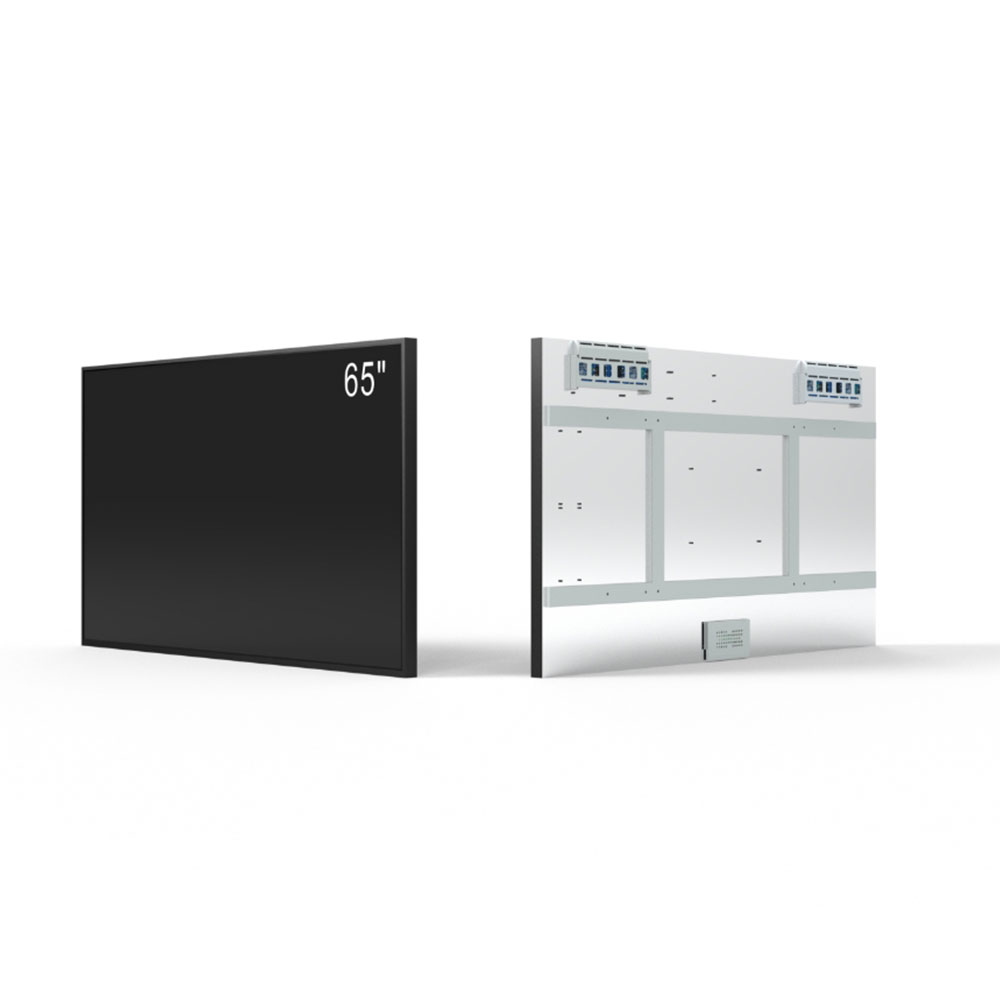
Moreover, achieving IP66 does not compromise brightness or readability. Modern high-brightness LCDs can maintain luminance levels exceeding 5,000 nits while still meeting IP66 standards—a crucial requirement for visibility in direct sunlight. This is achieved through efficient thermal management systems (e.g., heat sinks, thermoelectric coolers) and optimized backlight architectures like LED arrays with distributed diffusers that minimize hotspots.
For system integrators and OEMs, selecting an IP66-certified display means fewer field failures, reduced maintenance costs, and improved user safety—particularly in critical applications such as aviation, emergency response, and military command centers. Compliance must be verified via standardized testing protocols such as those outlined in IEC 60529, which involve simulated rain exposure at 100 liters per minute for 5 minutes and dust exposure tests using fine talcum powder.
Ultimately, IP66 water resistance is not just a certification—it's a foundational element of robust, mission-critical display engineering. By combining rigorous material selection, advanced sealing techniques, and real-world validation, manufacturers can deliver displays that perform reliably under the most demanding conditions, ensuring operational continuity in any environment.