RisingStar
- Home
- About Us
- Products
- News
- Video
- Contact
- Send Inquiry
Search
- Home
- About Us
- Products
- News
- Video
- Contact
- Send Inquiry
RisingStar
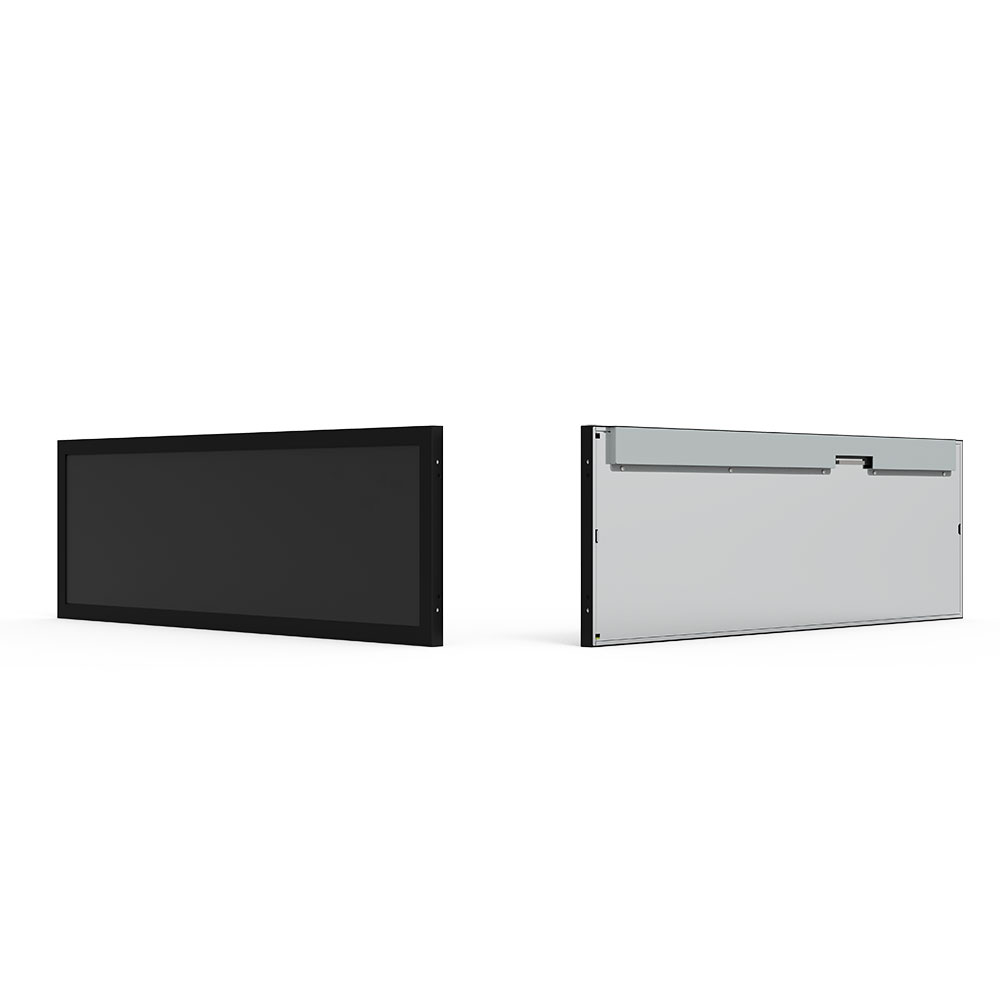
In today’s increasingly connected and mobile-driven world, high-brightness sunlight-readable LCD screens have become indispensable in outdoor environments where visibility under direct sunlight is critical. These displays are engineered to maintain clarity, contrast, and responsiveness even when exposed to intense solar radiation—common in military, industrial, automotive, transportation, and public information systems. The demand for such technology has surged, particularly with the proliferation of IoT devices, smart infrastructure, and real-time data visualization tools used across sectors like energy, logistics, and emergency services.
The core challenge in designing sunlight-readable displays lies in overcoming ambient light interference. Unlike indoor LCDs that operate in controlled lighting conditions, outdoor displays must contend with peak sunlight intensities reaching 100,000 lux or more. Standard LCDs often fail under these conditions due to poor contrast ratios and washed-out colors. High-brightness sunlight-readable LCDs address this by integrating advanced optical technologies such as transflective liquid crystal layers, high-efficiency LED backlights (typically 5,000 to 10,000 nits), and anti-glare coatings.
One key innovation is the use of transflective mode—a hybrid between transmissive and reflective modes—that allows the display to switch between modes based on ambient light levels. During low-light conditions, it functions like a standard transmissive LCD using internal backlighting; in bright daylight, it leverages ambient light reflection through a built-in reflective layer, reducing power consumption while enhancing readability. This dual-mode functionality is especially valuable in battery-powered applications such as handheld field devices and unmanned vehicles.
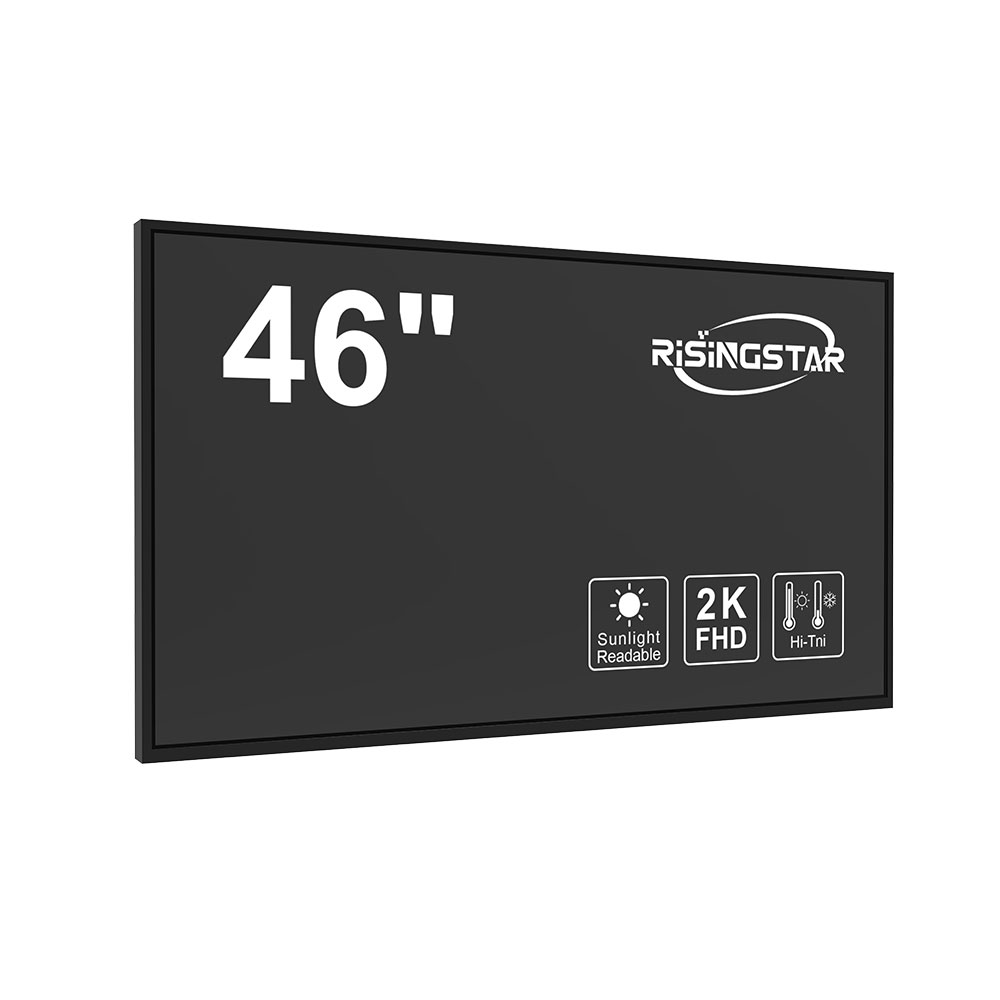
Manufacturers also employ advanced polarizer films, wide-viewing-angle technologies (e.g., IPS or VA panels), and embedded ambient light sensors for automatic brightness adjustment. According to IEEE standards (IEEE 1789-2016), these features significantly improve both user experience and energy efficiency in portable and fixed outdoor installations. Additionally, robust housing materials such as polycarbonate or aluminum enclosures with IP65/IP67 ratings ensure durability against dust, water, and physical shock—essential for ruggedized deployments in mining, construction, or marine environments.
Case studies from companies like Crystalfontz, Eizo, and LG Display highlight real-world performance gains. For example, a railway signaling system deployed in Arizona using a 7,000-nit sunlight-readable LCD reduced maintenance costs by 30% compared to previous models due to consistent readability in extreme heat and glare. Similarly, a fleet management dashboard integrated with a 6,000-nit transflective screen saw a 45% improvement in driver response time during daytime operations, directly linking display quality to operational safety.
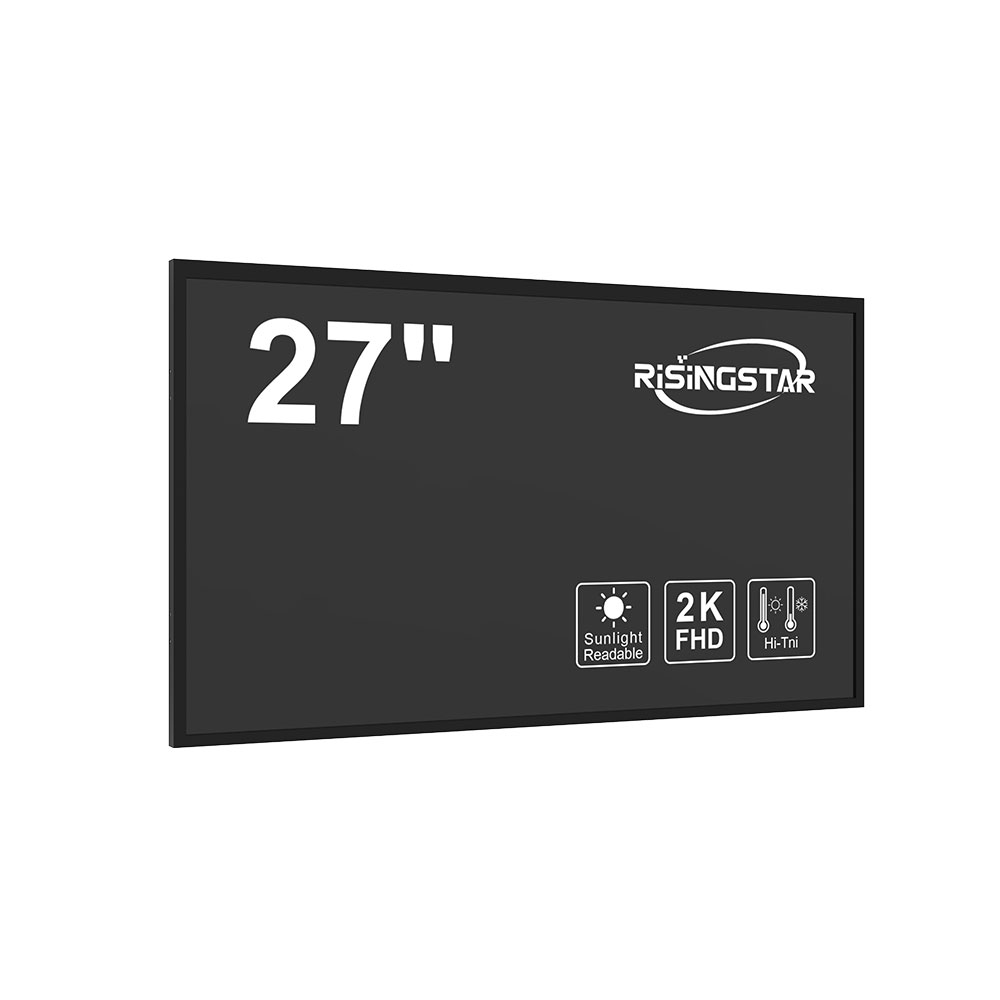
From an engineering standpoint, optimizing brightness involves balancing luminance output with power draw, thermal management, and lifespan. Modern designs incorporate pulse-width modulation (PWM) dimming techniques and thermally conductive substrates to prevent overheating—a known failure point in high-output LEDs. Furthermore, compliance with environmental standards such as RoHS and MIL-STD-810G ensures these displays meet rigorous military-grade reliability requirements.
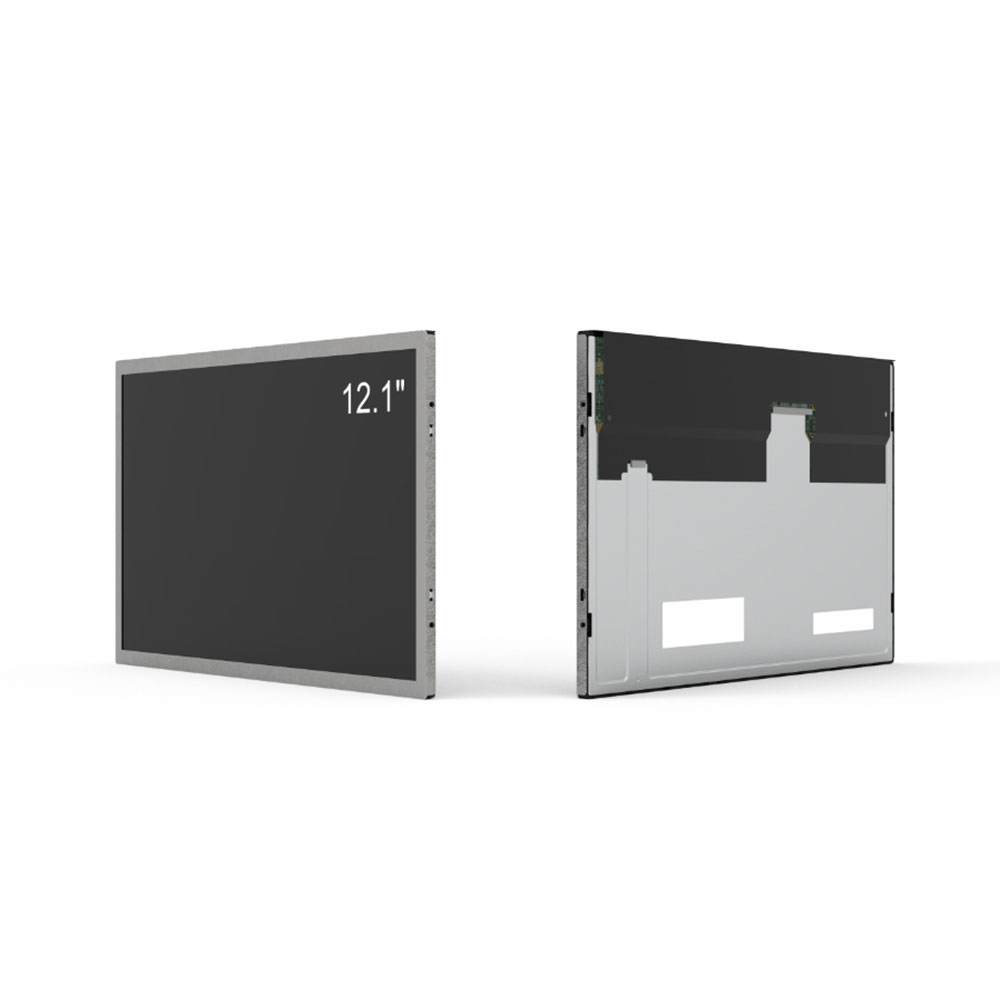
As global industries adopt more autonomous and remote-operated systems, the need for reliable, readable, and energy-efficient outdoor displays will only grow. The future of sunlight-readable LCD technology includes integration with AI-based ambient sensing, adaptive color correction algorithms, and flexible OLED alternatives for curved or lightweight applications. In short, high-brightness sunlight-readable LCDs are not just a convenience—they are a mission-critical enabler of modern outdoor digital interfaces.