RisingStar
- Home
- About Us
- Products
- News
- Video
- Contact
- Send Inquiry
Search
- Home
- About Us
- Products
- News
- Video
- Contact
- Send Inquiry
RisingStar
In the rapidly evolving world of display technology, high-brightness sunlight-readable LCD screens have become indispensable in outdoor and harsh environmental applications. These specialized displays are engineered to maintain clarity, contrast, and readability even under direct sunlight, where conventional LCDs often fail due to ambient light interference. As global industries—from defense and transportation to agriculture and construction—increasingly rely on real-time data visualization in open environments, the demand for robust, high-performance displays has surged.
The core principle behind a sunlight-readable LCD lies in maximizing luminance while minimizing glare. Standard indoor LCDs typically offer 250–400 cd/m² (candelas per square meter) brightness, which is insufficient for outdoor use, especially in sunny conditions where ambient light can exceed 100,000 lux. In contrast, high-brightness sunlight-readable LCDs are designed to deliver between 3,000 and 10,000 cd/m², with some military-grade models reaching up to 15,000 cd/m². This level of brightness ensures visibility even under full sunlight at noon—an essential feature for field operations such as aviation dashboards, vehicle-mounted monitoring systems, or solar-powered kiosks in public spaces.
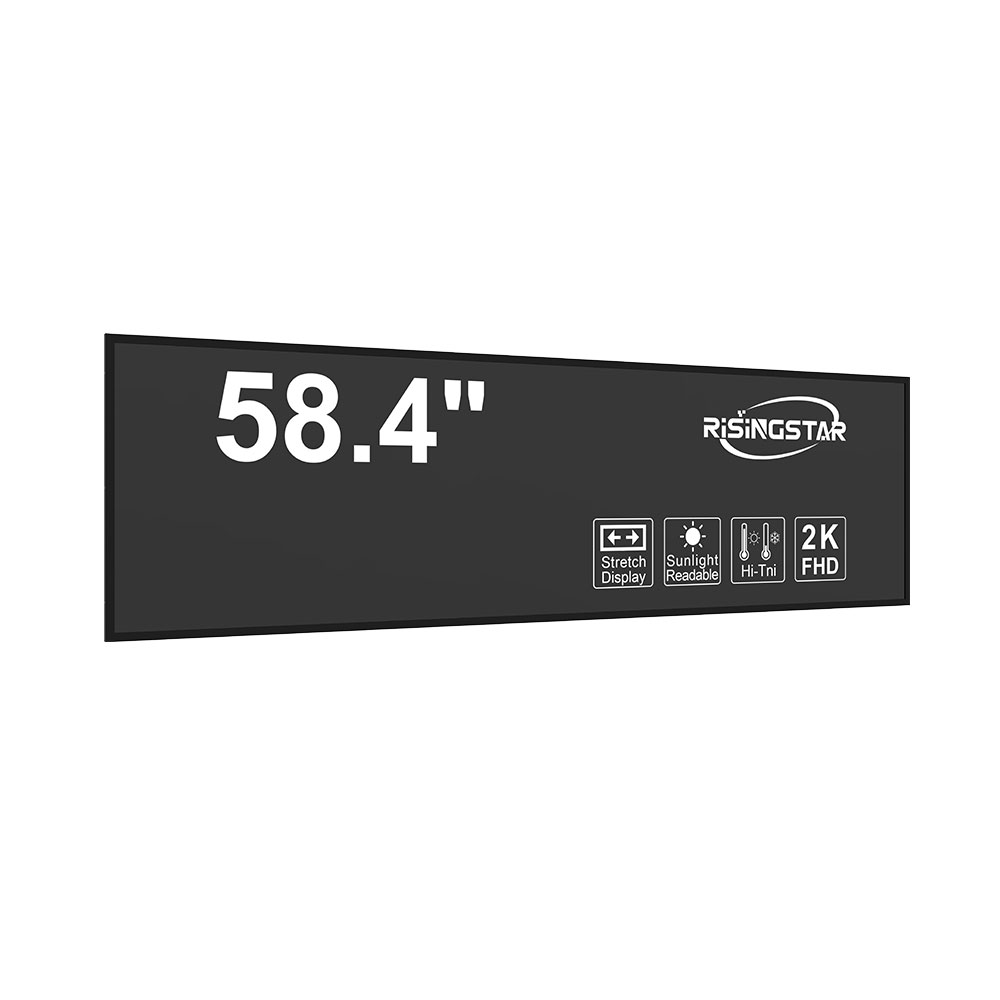
Several technological advancements contribute to this enhanced performance. First, advanced backlighting solutions like LED arrays with optimized diffusers provide uniform illumination across the entire panel. Second, anti-glare coatings and polarized filters reduce surface reflections without compromising image quality. Third, dynamic brightness control algorithms adjust luminance based on ambient light sensors—a feature critical for energy efficiency in battery-powered devices. For example, a recent study by the Society for Information Display (SID) demonstrated that adaptive brightness systems in outdoor LCDs can reduce power consumption by up to 35% without sacrificing readability.
Manufacturers also integrate ruggedized design elements such as sealed enclosures, wide operating temperature ranges (-30°C to +70°C), and shock/vibration resistance to ensure reliability in extreme conditions. Industry standards like MIL-STD-810G (for military equipment) and IP65/IP67 (for dust/water resistance) guide the development of these panels, ensuring compliance with rigorous environmental testing protocols. A case study from Honeywell’s deployment in Arctic drilling rigs showed that their sunlight-readable displays maintained functionality at -40°C, highlighting the importance of thermal stability in cold climates.
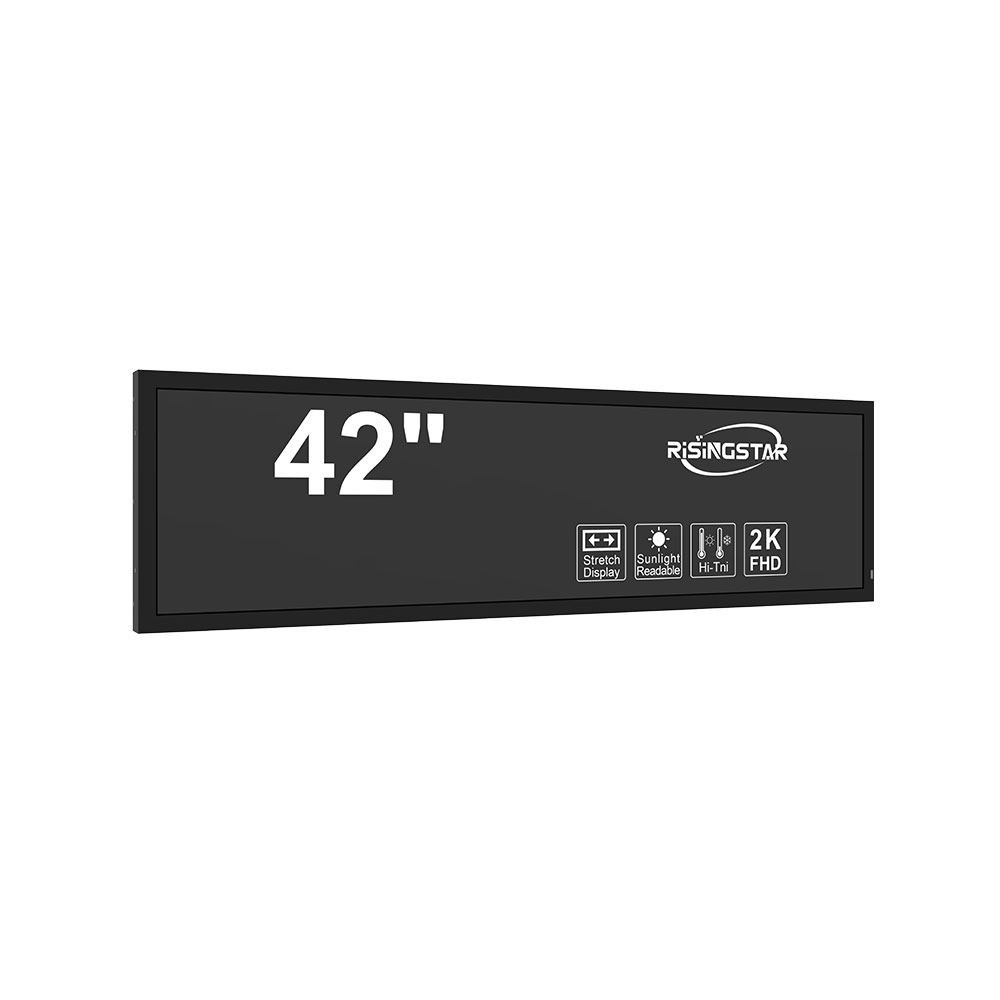
Moreover, manufacturers now incorporate touch-sensitive layers with glove-friendly responsiveness, enabling operation in cold or hazardous environments. Capacitive touchscreens traditionally struggle in low temperatures or with gloves, but newer resistive and infrared-based touch technologies allow seamless interaction—even when users wear protective gear.
From an economic standpoint, while high-brightness sunlight-readable LCDs cost 20–50% more than standard displays, their long-term value in reducing operational downtime and enhancing safety justifies the investment. For instance, in fleet management systems, clear visibility of GPS navigation on trucks or emergency vehicles reduces driver errors and improves response times. Similarly, in agricultural drones equipped with high-brightness screens, operators can make precise adjustments during daytime missions, increasing crop yield monitoring accuracy.
As the Internet of Things (IoT) expands into outdoor infrastructure, the need for reliable, readable displays will only grow. Innovations such as micro-LED backlighting and quantum dot enhancement promise even higher brightness levels with improved color gamut and lower power draw. With ongoing research supported by institutions like the University of California, Santa Barbara (UCSB) and collaborations between display firms like LG Display and Sharp, the future of sunlight-readable LCDs looks brighter—and more accessible—than ever.