 RisingStar
- Home
- About Us
- Products
- News
- Video
- Contact
- Send Inquiry
Search
- Home
- About Us
- Products
- News
- Video
- Contact
- Send Inquiry
RisingStar
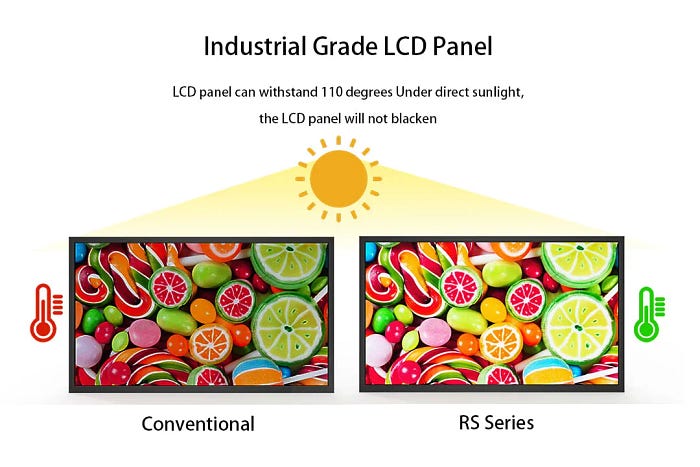
In the rapidly evolving world of display technology, high-brightness sunlight-readable LCD screens have become indispensable in outdoor and harsh environmental applications. These specialized displays are engineered to maintain clarity, contrast, and readability even under direct sunlight, where conventional LCDs often fail due to ambient light interference. As per industry standards such as ISO 14617 and MIL-STD-810G, sunlight readability is a critical metric—especially for military, industrial, transportation, and public information systems.
The core innovation behind high-brightness sunlight-readable LCDs lies in their ability to deliver luminance levels typically ranging from 3,000 to 10,000 nits, far exceeding standard indoor LCDs that usually max out at 500–1,000 nits. This performance is achieved through a combination of advanced backlighting (such as LED arrays with optimized diffusers), anti-reflective coatings, and polarized filter layers that minimize glare while preserving image fidelity. Additionally, technologies like active matrix addressing (TFT-LCD) ensure fast response times and consistent color accuracy across wide temperature ranges—from -20°C to +70°C—making them suitable for extreme climates.
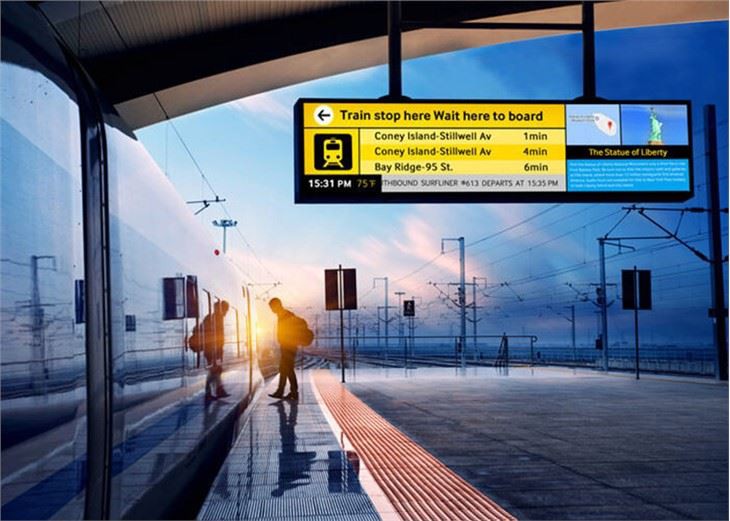
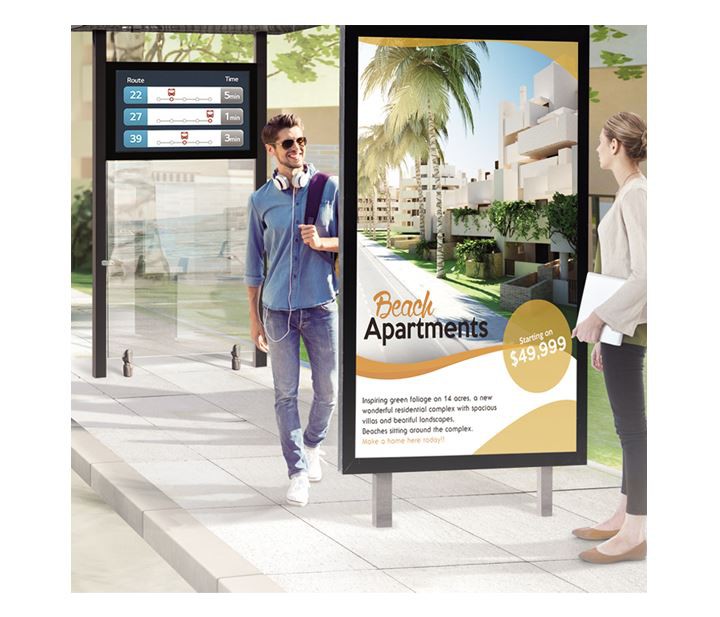
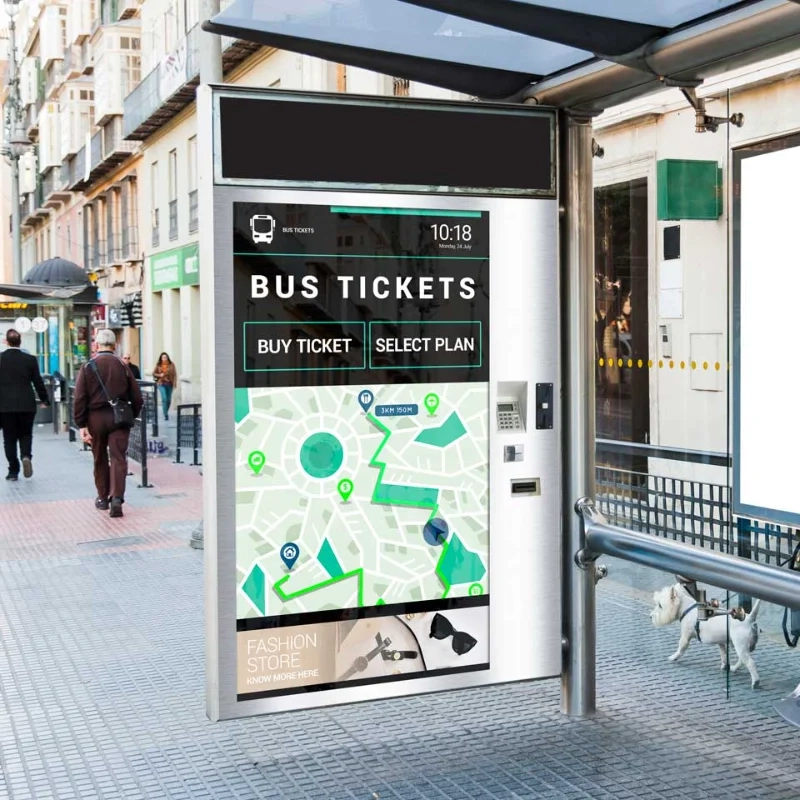
Case studies from real-world deployments highlight their effectiveness. For instance, the U.S. Department of Defense has adopted these displays in field communication devices used in desert and jungle environments, where visibility is paramount. Similarly, automotive manufacturers like Tesla and BMW integrate sunlight-readable screens into vehicle dashboards to enhance driver safety by reducing visual strain during daylight driving. In public infrastructure, cities like Singapore and Tokyo use these displays in transit kiosks and digital signage, where high ambient lighting conditions would otherwise render standard screens unusable.
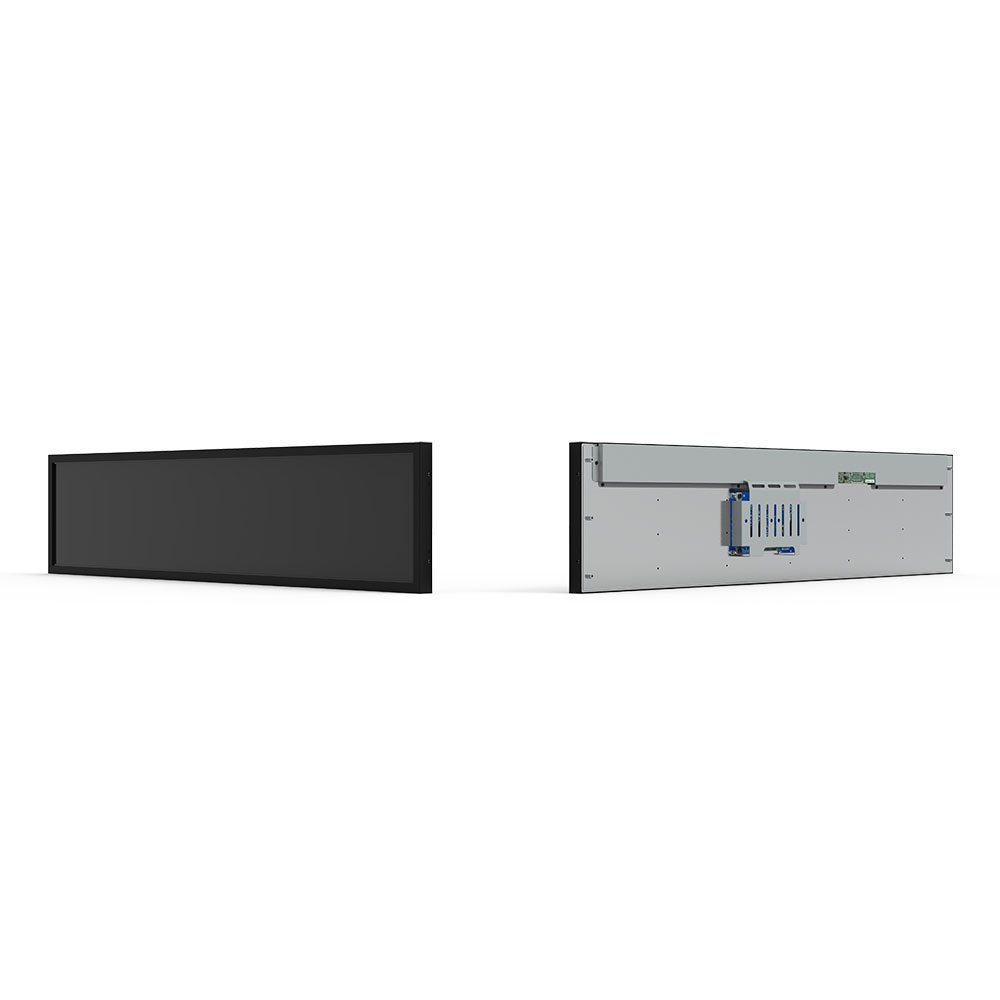
Manufacturers like Sharp, LG Display, and AU Optronics have pioneered the development of these screens using proprietary materials such as high-transmission glass substrates and nano-textured anti-glare films. Recent advancements in OLED-based sunlight-readable displays also show promise, though they remain cost-prohibitive for mass-market applications. According to a 2023 report by MarketsandMarkets, the global market for high-brightness LCDs is projected to grow at a CAGR of 7.2% through 2030, driven by increasing demand in smart city initiatives and IoT-enabled outdoor devices.
From an engineering perspective, achieving true sunlight readability requires not only brightness but also precise control over contrast ratio, viewing angles, and power efficiency. Engineers must balance these factors to avoid overheating or excessive battery drain—particularly important in portable and solar-powered applications. Future developments will likely focus on adaptive brightness control, AI-driven ambient light sensing, and integration with touch-sensitive interfaces that remain functional in wet or dusty conditions.
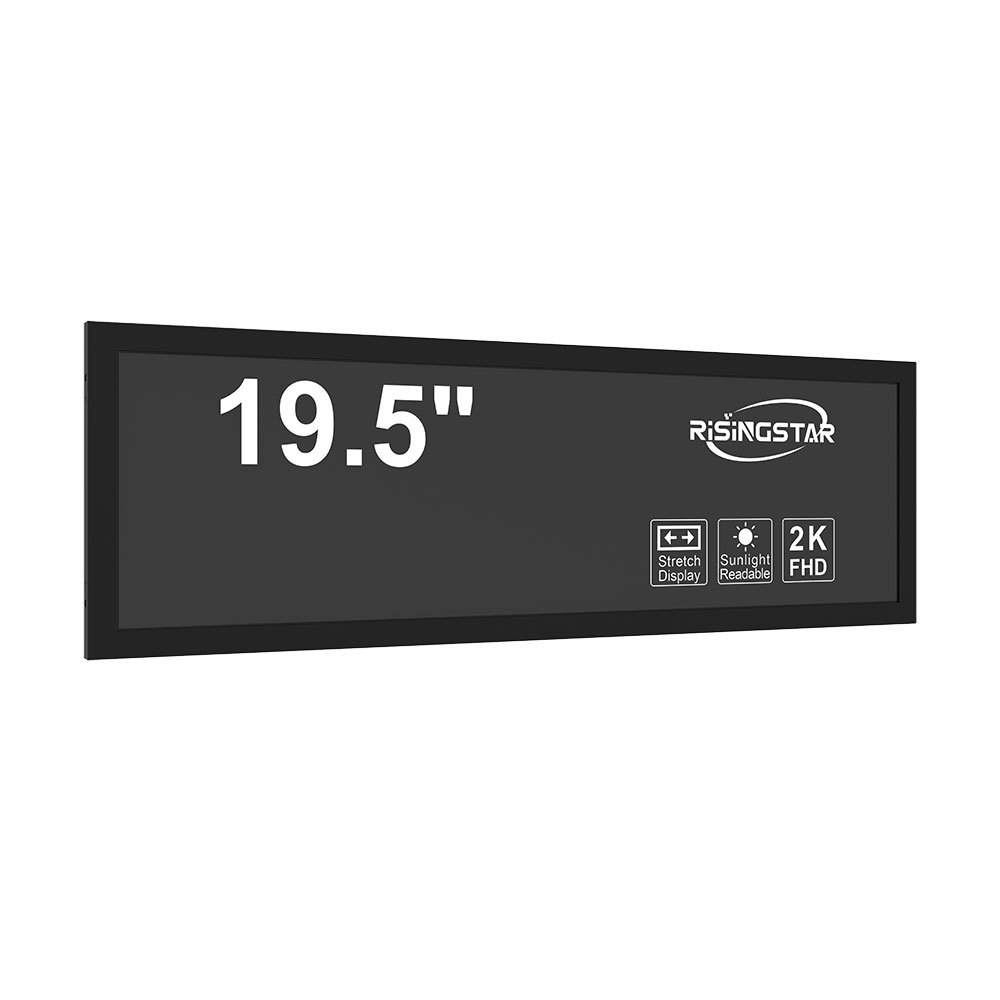
These screens are no longer just a niche solution—they represent a foundational technology for the future of human-machine interaction in open-air environments. Whether in military operations, autonomous vehicles, or urban smart infrastructure, high-brightness sunlight-readable LCDs are enabling safer, more reliable, and more intuitive user experiences under any lighting condition.