RisingStar
- Home
- About Us
- Products
- News
- Video
- Contact
- Send Inquiry
Search
- Home
- About Us
- Products
- News
- Video
- Contact
- Send Inquiry
RisingStar
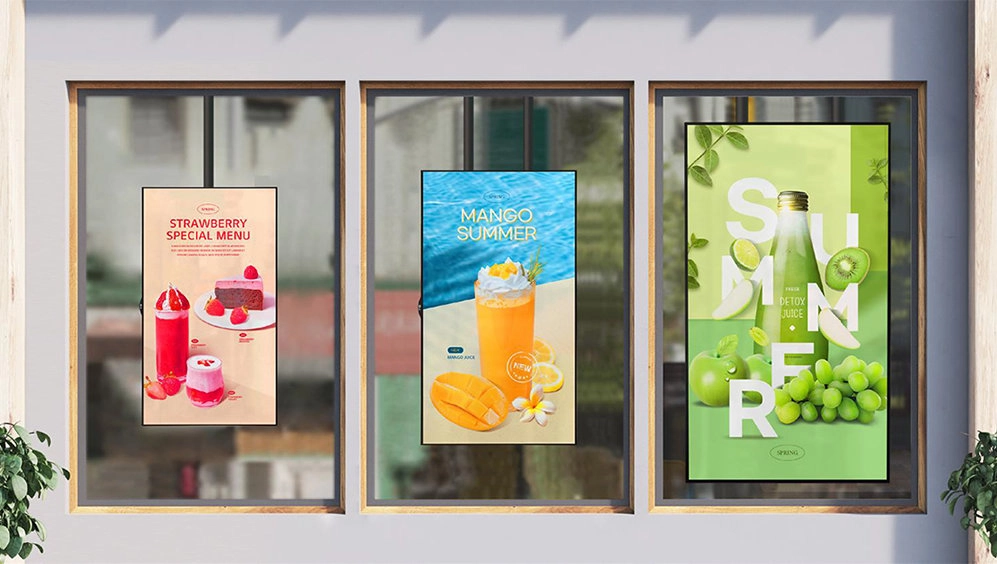
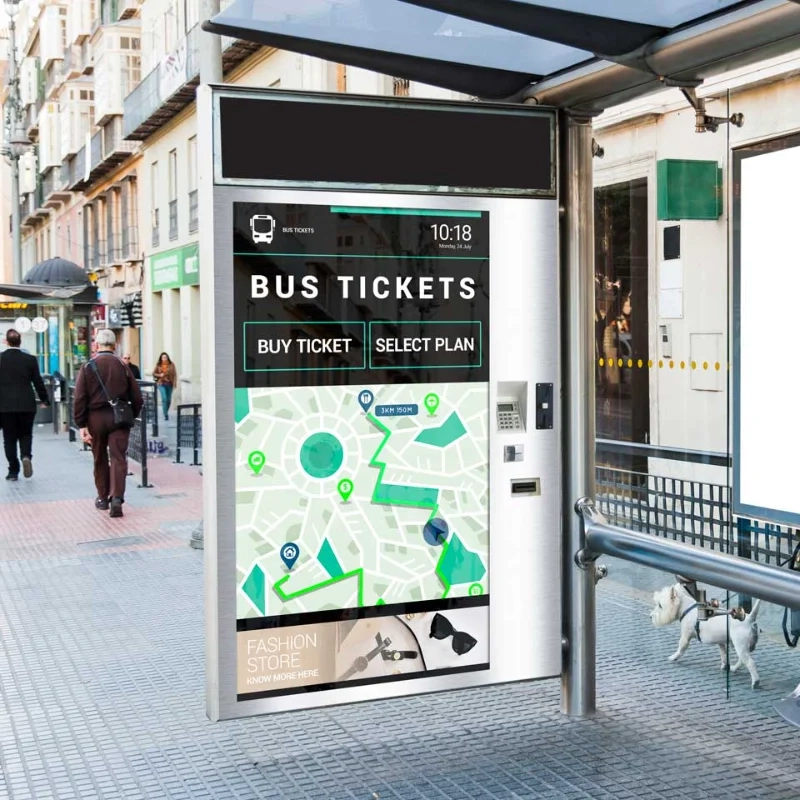
High-brightness sunlight-readable LCD screens are essential for applications where visibility under direct sunlight is critical, such as in military equipment, industrial control panels, transportation systems, and outdoor advertising. These displays must maintain clarity, contrast, and color accuracy even when exposed to intense ambient light—often exceeding 100,000 lux in full sunlight conditions.
The core technology behind sunlight-readable LCDs lies in their ability to boost brightness significantly beyond standard indoor displays. While typical consumer-grade LCDs operate at around 300–500 nits, high-brightness variants can achieve 3,000 to 5,000 nits or more, ensuring that content remains legible outdoors. This is accomplished through several methods: using high-efficiency LED backlighting (such as RGB or white LEDs), implementing advanced optical films like brightening sheets and polarizers, and integrating anti-glare coatings to reduce specular reflection.
Another key component is the use of transflective liquid crystal technology, which combines both reflective and transmissive modes. In bright environments, the display uses ambient light reflected from a rear mirror-like layer, reducing power consumption while maintaining readability. In low-light conditions, it switches to a backlit mode similar to conventional LCDs. This dual-mode functionality makes transflective displays ideal for battery-powered devices like handheld field computers or ruggedized tablets used in remote locations.
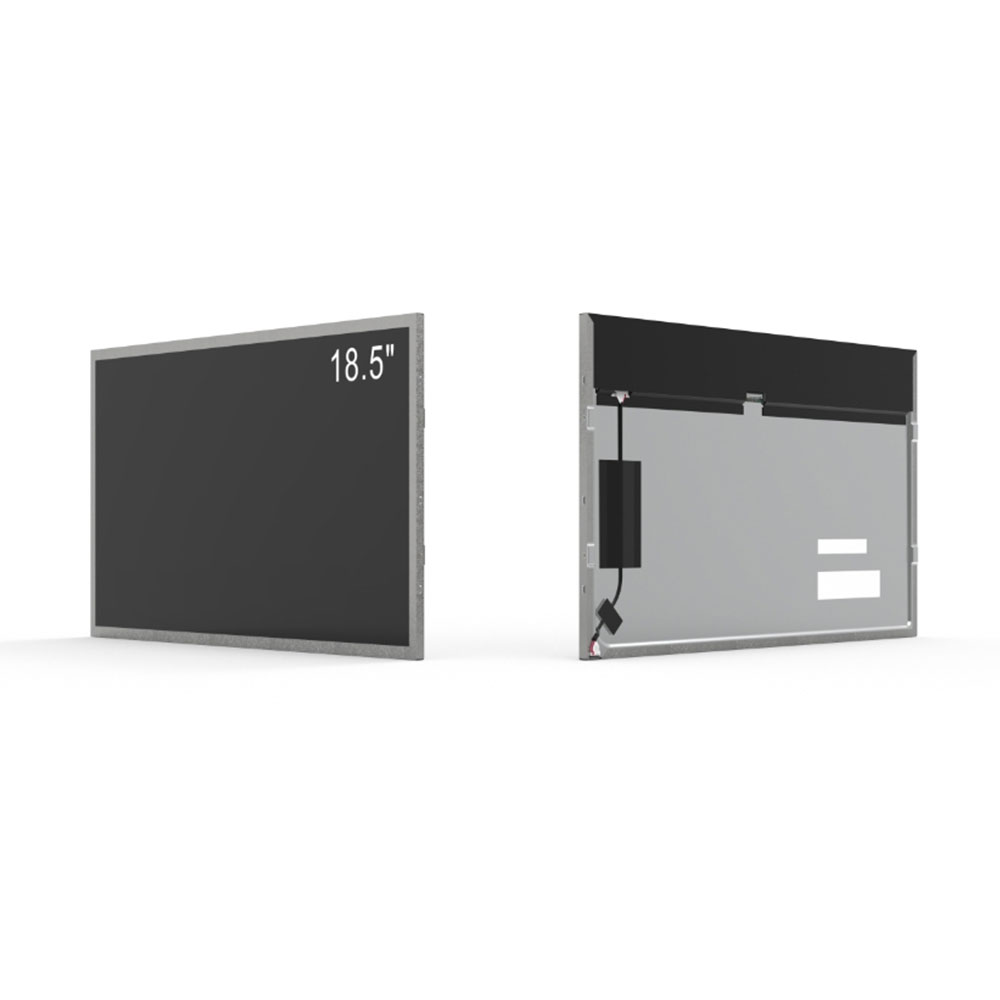
Industry standards such as MIL-STD-810G (for environmental durability) and ISO 12232 (for brightness measurement) guide design and testing protocols. For example, MIL-STD-810G mandates resistance to shock, vibration, temperature extremes, and humidity—critical for deployment in harsh environments. Real-world case studies show that manufacturers like Sharp, LG Display, and CMO have successfully deployed these screens in vehicles, construction machinery, and emergency response systems, proving their reliability under extreme conditions.
Additionally, modern high-brightness LCDs incorporate features like wide viewing angles (up to 178°), high contrast ratios (1000:1 or higher), and touch-sensitive interfaces compatible with gloves or styluses. Some models also support adaptive brightness control via ambient light sensors, further optimizing energy efficiency without compromising readability.
In summary, high-brightness sunlight-readable LCD screens represent a convergence of optical engineering, materials science, and user-centric design. As demand grows across sectors like smart cities, autonomous vehicles, and IoT-enabled outdoor systems, this technology will continue to evolve—driven by innovations in microLED backlighting, quantum dot enhancements, and AI-driven image optimization algorithms.