RisingStar
- Home
- About Us
- Products
- News
- Video
- Contact
- Send Inquiry
Search
- Home
- About Us
- Products
- News
- Video
- Contact
- Send Inquiry
RisingStar
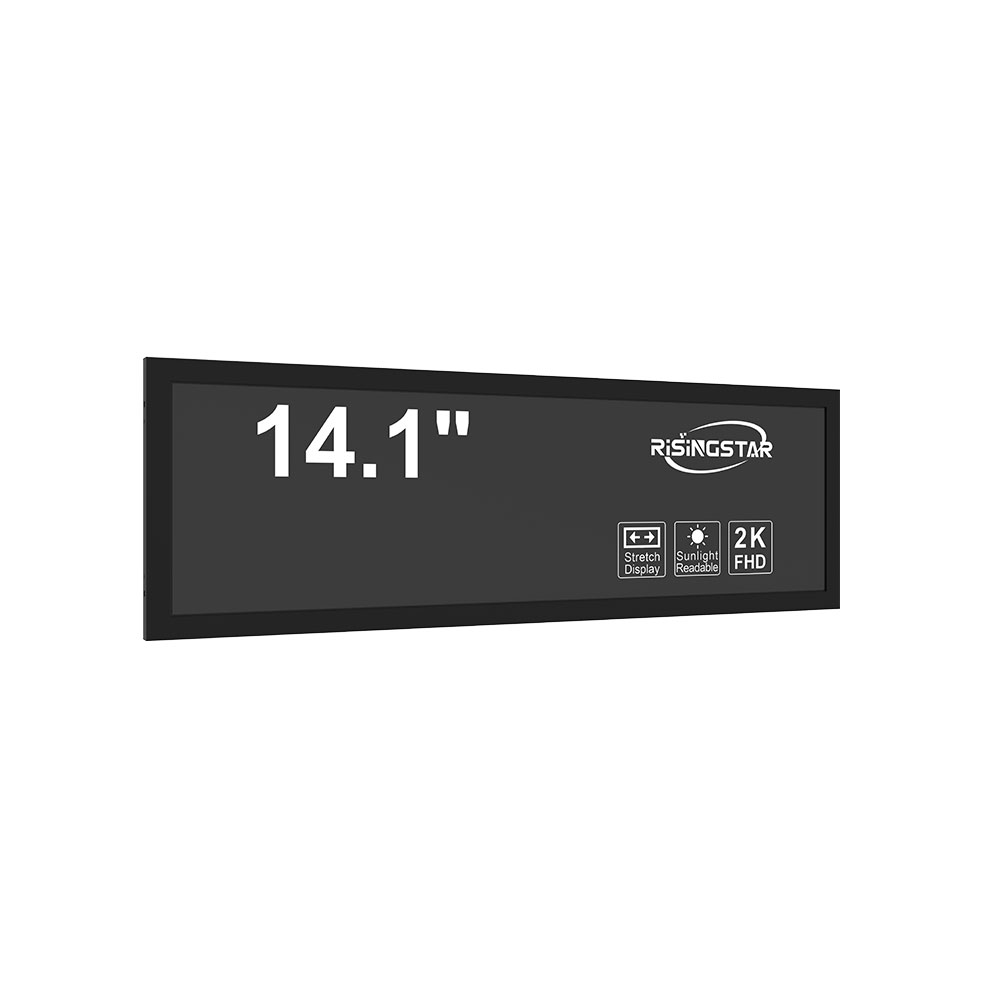
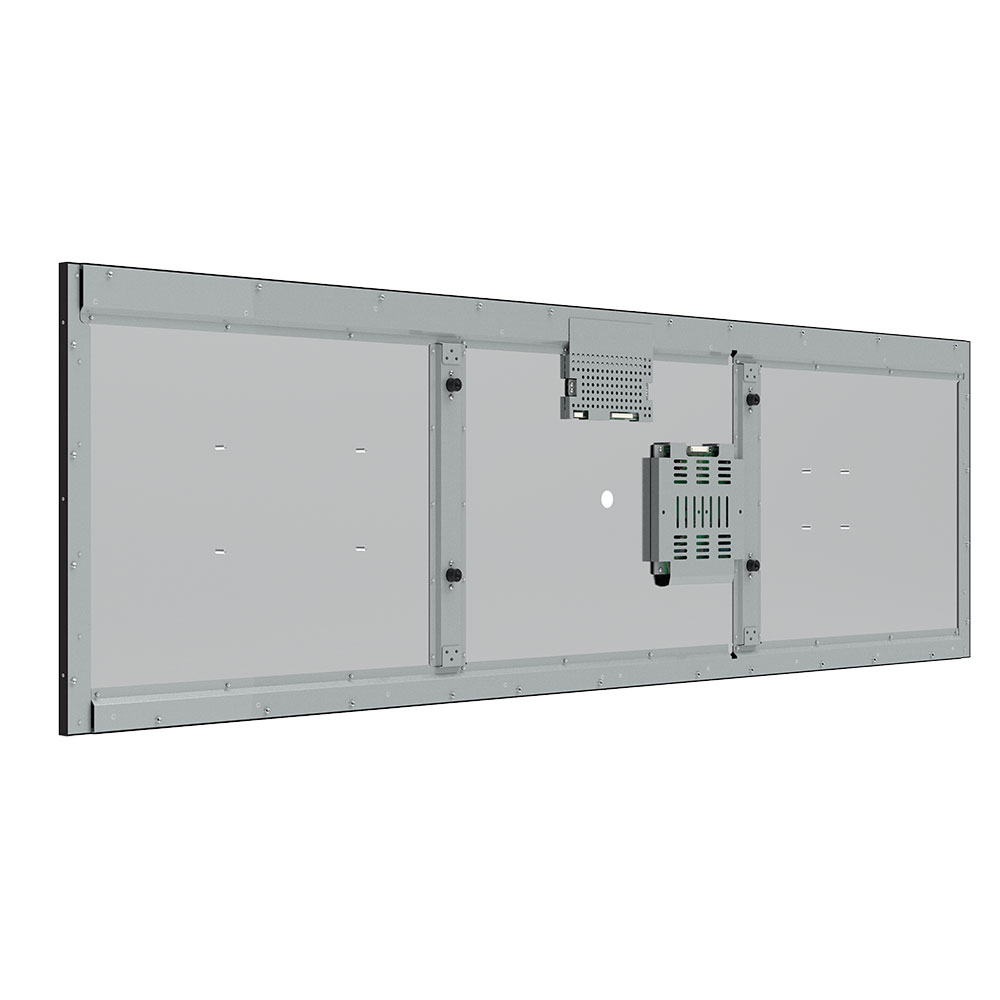
High-brightness sunlight-readable LCD screens are a critical innovation in display technology, specifically engineered to maintain visibility under intense ambient lighting conditions such as direct sunlight. These displays are indispensable in military, industrial, transportation, and medical sectors where outdoor visibility is non-negotiable. Unlike standard LCDs that suffer from glare and contrast loss in bright environments, sunlight-readable LCDs leverage advanced optical engineering, high-luminance backlighting (typically exceeding 5000 nits), and anti-reflective coatings to ensure legibility even in full daylight.
One of the most compelling applications lies in military field operations. For instance, the U.S. Army’s Joint Tactical Radio System (JTRS) relies on sunlight-readable displays to provide real-time situational awareness in combat zones. Similarly, commercial drones used in agriculture and infrastructure inspection use these displays for pilots to monitor live video feeds under open skies—where traditional screens would become unusable. In healthcare, portable diagnostic devices like ultrasound machines now incorporate these screens to allow clinicians to view results in emergency vehicles or outdoor clinics.
Advantages include not only superior brightness but also power efficiency through dynamic brightness control systems that reduce energy consumption when ambient light levels drop. Additionally, modern designs integrate polarized filters and reflective layers to minimize light leakage, enhancing contrast ratios up to 10,000:1. The durability of these screens—often rated IP65 or higher for dust and water resistance—makes them ideal for rugged environments.
However, common problems persist. One major challenge is thermal management: high-brightness LEDs generate significant heat, which can degrade pixel performance over time if not properly dissipated. Another issue is cost—sunlight-readable displays typically cost 2–3x more than standard LCDs due to specialized materials and manufacturing processes. Moreover, while they excel in daylight, some models may experience color shift at extreme temperatures, particularly below freezing or above 50°C.
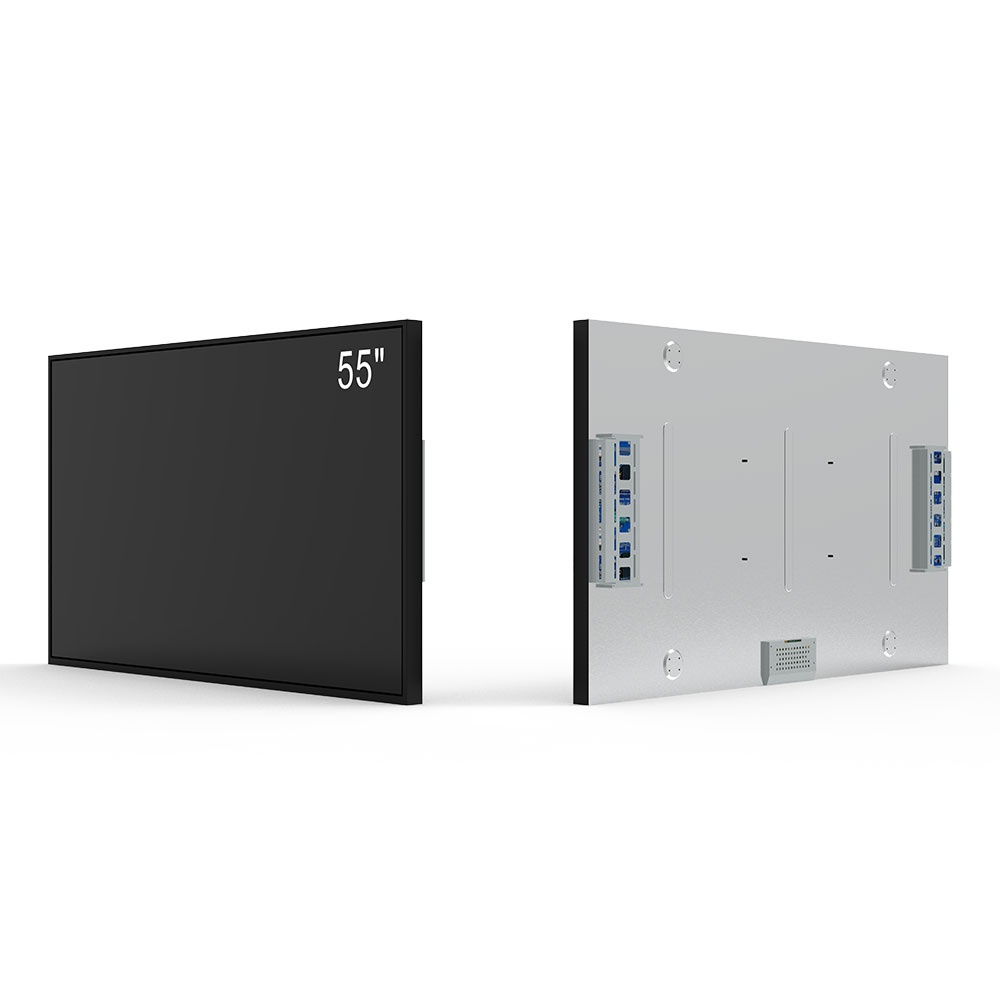
Recent trends show a shift toward OLED-based sunlight-readable solutions, which offer better contrast and faster response times than traditional LCDs. Companies like LG Display and BOE have launched prototypes using micro-LED and quantum dot technologies to push brightness beyond 10,000 nits while reducing power consumption by up to 40%. Furthermore, AI-driven adaptive brightness algorithms now enable real-time luminance adjustments based on environmental sensors, improving both user comfort and battery life in mobile devices.
Industry standards such as MIL-STD-810G and IEC 60068-2-1 provide testing protocols for shock, vibration, temperature extremes, and humidity resilience—ensuring reliability across diverse operational environments. As global demand rises in smart city infrastructure, autonomous vehicles, and remote monitoring systems, high-brightness sunlight-readable LCDs will remain a cornerstone of human-machine interface design in harsh outdoor conditions.