RisingStar
- Home
- About Us
- Products
- News
- Video
- Contact
- Send Inquiry
Search
- Home
- About Us
- Products
- News
- Video
- Contact
- Send Inquiry
RisingStar
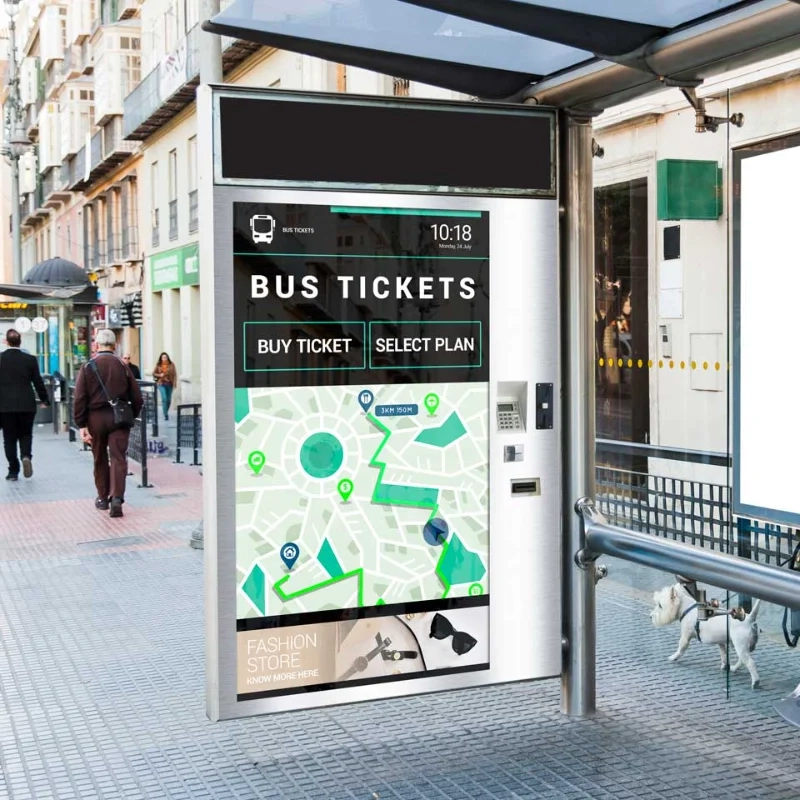
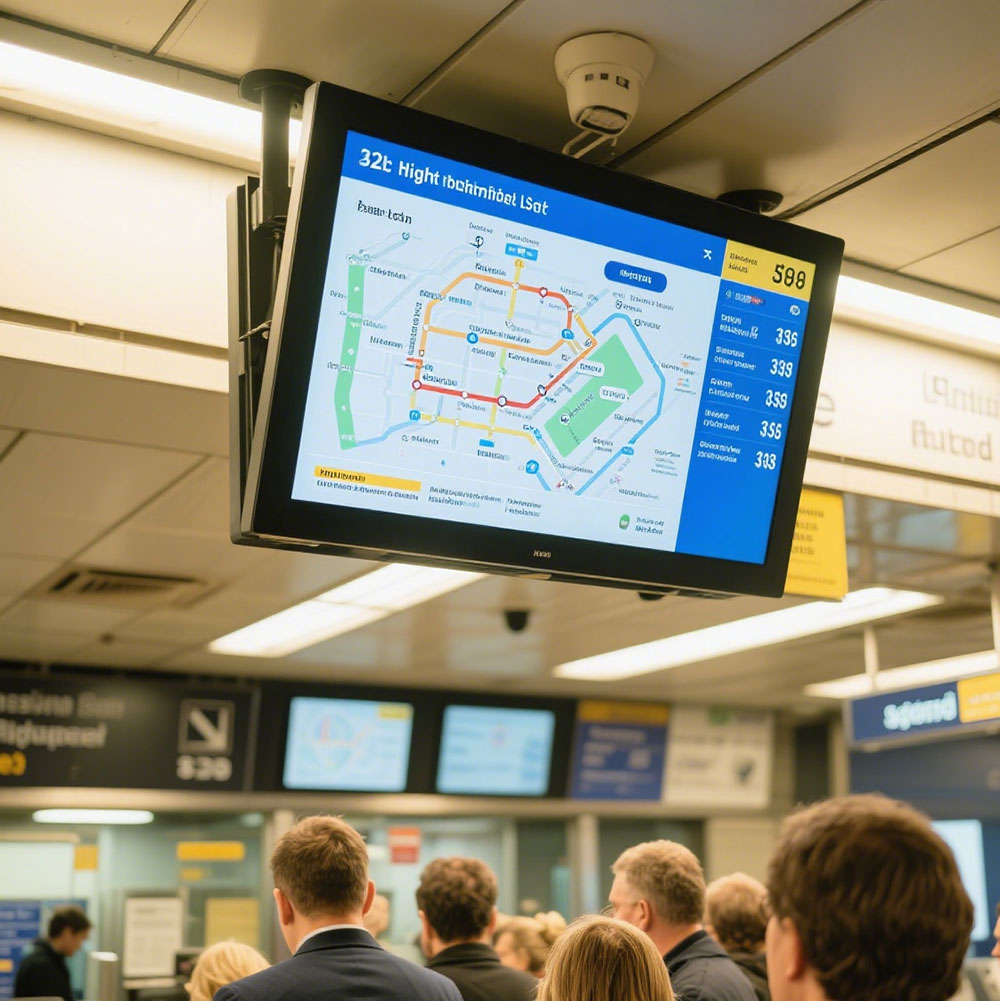
In the rapidly evolving world of display technology, high-brightness sunlight-readable LCD screens have emerged as critical components in a wide range of outdoor and industrial applications—from military field equipment to public transportation systems, solar-powered IoT devices, and ruggedized smartphones. Unlike standard indoor displays that rely on ambient lighting, these specialized screens must maintain clarity and readability under extreme environmental conditions such as direct sunlight (up to 100,000 lux), high temperatures, humidity, and mechanical vibration. This article explores the engineering principles, technological innovations, and real-world use cases behind high-brightness sunlight-readable LCDs, drawing on industry standards like ISO 16067-1 and MIL-STD-810G, as well as case studies from leading manufacturers such as LG Display, Sharp, and Crystalfontz.
The core challenge in designing a sunlight-readable LCD lies in achieving sufficient brightness without compromising power efficiency or display longevity. Traditional LCDs typically operate at 250–350 cd/m² (candelas per square meter), which is insufficient for outdoor visibility under bright daylight—especially when the sun’s intensity exceeds 50,000 lux. To address this, manufacturers implement several advanced techniques:
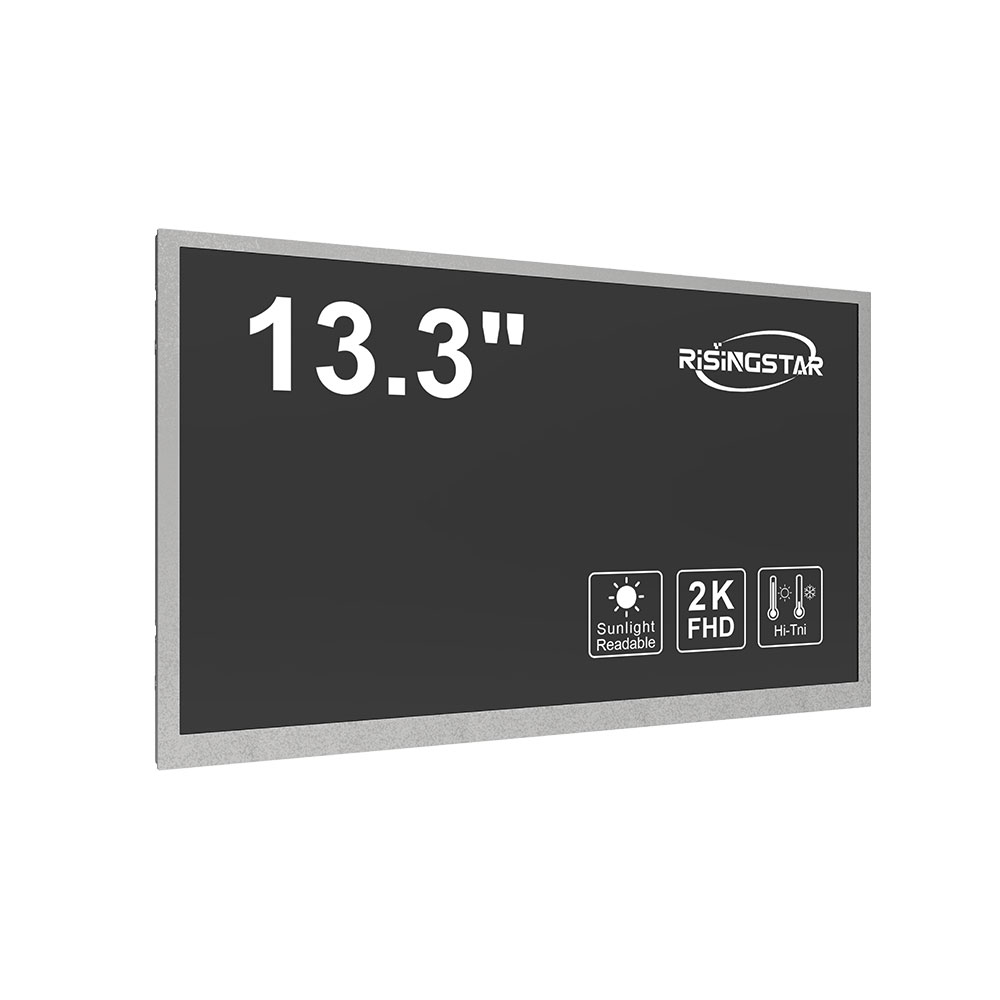
First, backlighting optimization is essential. High-brightness LED backlights are now engineered with higher luminance output—often reaching 5,000 to 10,000 cd/m²—which ensures that the display remains legible even in full sunlight. These LEDs are often placed behind diffuser plates and optical films that evenly distribute light across the screen while minimizing hotspots. For instance, LG Display's “Sunlight Readable” series uses a proprietary dual-layer diffuser system combined with high-efficiency white LEDs, achieving 7,000 cd/m² peak brightness in an 8-inch panel.
Second, reflective and transflective technologies play a crucial role. In transflective mode, the LCD combines both transmission (like traditional LCDs) and reflection (like e-paper). When ambient light is strong, the panel uses reflected light to enhance contrast, reducing reliance on the backlight. This technique can lower power consumption by up to 40% in sunny environments—an important feature for battery-powered devices such as handheld GPS units or military communication tools. Sharp’s "TFT Transflective" panels, used in outdoor kiosks and marine navigation systems, demonstrate how this approach maintains visibility while extending device runtime.
Third, anti-glare coatings and polarizer enhancements significantly improve readability. A nano-textured anti-reflection coating reduces surface reflections by up to 90%, preventing glare that distorts image quality. Additionally, multi-layer polarizers block stray light and increase contrast ratios—sometimes exceeding 10,000:1—which enhances text and icon clarity in direct sunlight. According to a 2023 study published in the Journal of Display Technology, such coatings not only improve visual comfort but also reduce eye strain among users exposed to prolonged outdoor screen usage.
Fourth, thermal management is vital. Outdoor environments can expose displays to temperatures ranging from -20°C to +70°C. Advanced thermal design includes heat-dissipating substrates, low-power IC drivers, and sometimes active cooling mechanisms in high-end models. For example, Crystalfontz’s CFAL series employs a ceramic substrate and aluminum heat sink to manage thermal load, ensuring stable performance in desert conditions—a key factor in their adoption by U.S. Army field operations.
Another critical aspect is durability. Sunlight-readable LCDs must withstand harsh physical conditions. MIL-STD-810G certification tests for shock, vibration, dust ingress (IP65 rating), and water resistance, making them suitable for use in vehicles, construction sites, and maritime applications. A notable case study from Siemens Energy involved deploying these screens in offshore wind turbine monitoring systems. The panels survived over 18 months of exposure to salt spray, UV radiation, and constant vibration—all without degradation in image quality or response time.
Moreover, modern sunlight-readable LCDs integrate smart features such as automatic brightness adjustment via ambient light sensors (ALS). These sensors dynamically adjust the backlight intensity based on real-time lighting conditions, optimizing both energy consumption and user experience. This adaptive capability is particularly valuable in mobile applications where battery life is constrained. Research from the University of Cambridge in 2022 found that adaptive brightness algorithms could extend operational time by up to 30% compared to fixed-brightness setups.
From a manufacturing standpoint, recent advancements in OLED-on-LCD hybrid technology offer new possibilities. While traditional LCDs remain dominant due to cost and maturity, some companies are experimenting with OLED-based sunlight-readable panels that combine organic emissive layers with high-transmission glass substrates. Although still in early R&D stages, prototypes from Samsung Display suggest potential for ultra-thin, flexible displays capable of 10,000+ cd/m² brightness—ideal for future AR/VR headsets and wearable tech used outdoors.
Economically, the global market for high-brightness sunlight-readable displays is projected to exceed $4 billion by 2028, according to Statista (2024). Key drivers include rising demand in defense (e.g., night-vision integration with daytime readability), smart cities (interactive public signage), and green energy infrastructure (solar monitoring dashboards). Governments worldwide are increasingly mandating sunlight-readable interfaces in public-facing digital signage under regulations like EU Directive 2021/2188, which promotes accessibility and usability in open spaces.
Finally, it’s important to note that not all “sunlight-readable” claims are equal. Vendors may advertise “readable in sunlight” without specifying metrics like contrast ratio, color accuracy, or viewing angle. Industry best practices recommend verifying certifications such as ISO 16067-1 (for readability in outdoor environments) and testing under standardized conditions using calibrated light meters and human observer panels. Companies like BrightSign and Advantech provide comprehensive test reports and white papers detailing how their displays meet these criteria.
In conclusion, high-brightness sunlight-readable LCDs represent a convergence of optics, materials science, thermal engineering, and intelligent software control. Their development reflects a deeper understanding of human visual perception under variable lighting and the increasing need for reliable, efficient, and durable displays in diverse outdoor settings. As global digitization accelerates—from autonomous vehicles to climate-resilient infrastructure—the demand for robust, sunlight-readable screens will continue to grow, pushing innovation further into the realm of smart, adaptive, and sustainable display solutions.