RisingStar
- Home
- About Us
- Products
- News
- Video
- Contact
- Send Inquiry
Search
- Home
- About Us
- Products
- News
- Video
- Contact
- Send Inquiry
RisingStar
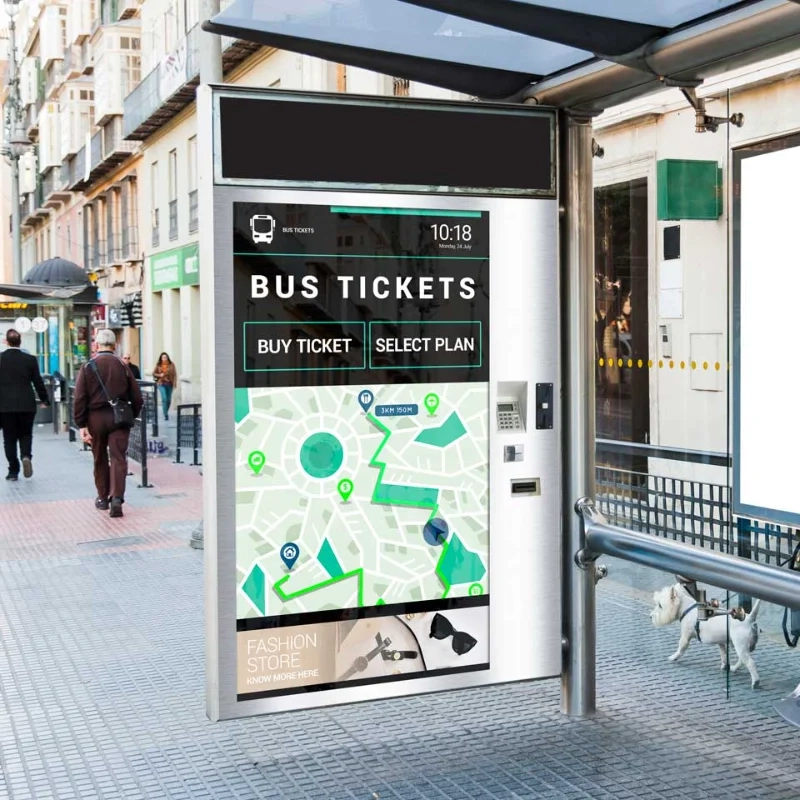
High-brightness sunlight-readable LCD screens have become essential in modern outdoor and industrial environments where visibility under direct sunlight is critical. These displays are engineered to maintain clarity and readability even in intense ambient lighting conditions—ranging from 5,000 to 10,000 lux or higher—making them ideal for applications such as military equipment, public transportation, medical devices, kiosks, and industrial control panels. The display ratio of 16:9 ensures compatibility with modern video standards and widescreen content, enhancing user experience across all screen sizes.
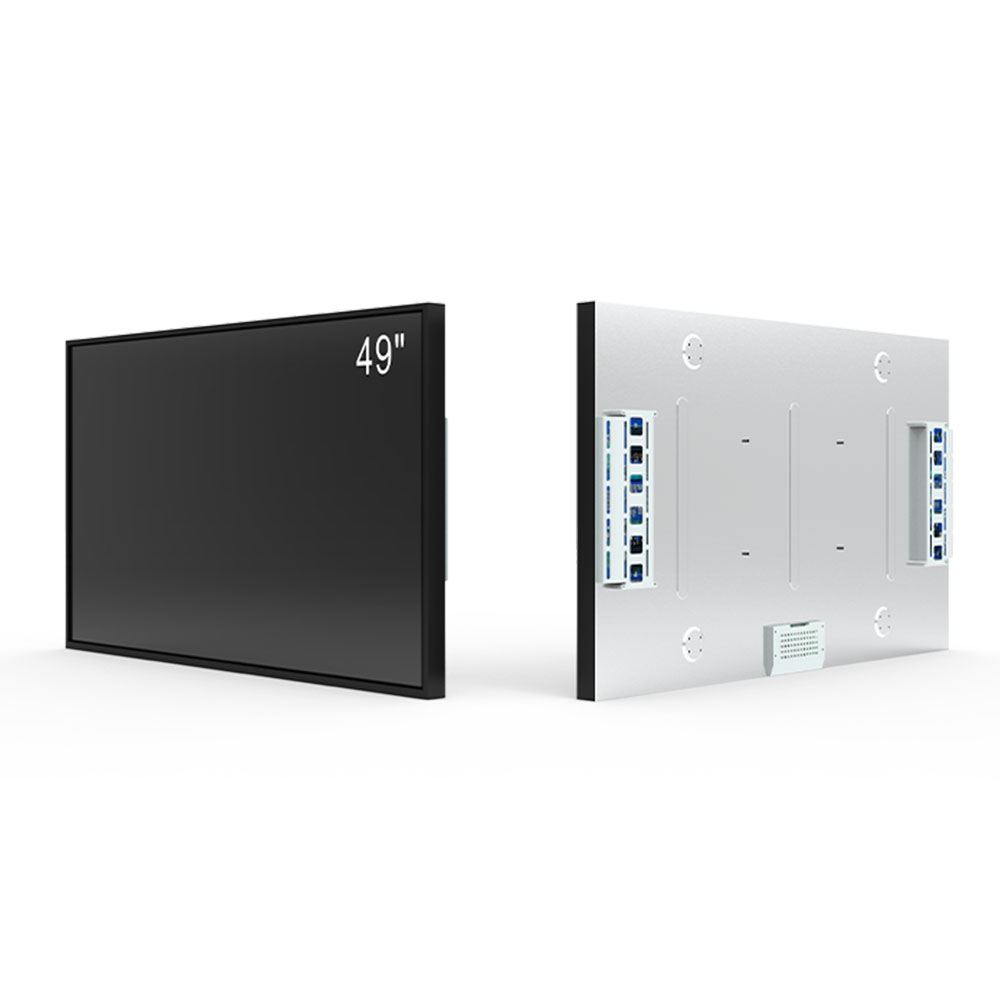
The most commonly used sizes in this category include 10.1", 13.3", 15.6", 18.5", 21.5", 23.8", 27", 32", 43", 46", 49", 55", 65", 75", 86", 98", and 110". Each size serves specific application needs: smaller displays (e.g., 10.1"–15.6") are suited for portable devices like ruggedized tablets or handheld controllers; mid-sized units (18.5"–27") are common in industrial automation and point-of-sale systems; while larger formats (32"–110") are typically deployed in digital signage, command centers, and outdoor information boards.
Sunlight-readable LCDs utilize several technologies to achieve high luminance levels—typically exceeding 5,000 nits, compared to standard indoor displays at ~300–500 nits. Key techniques include enhanced backlighting (such as LED arrays with optical films), anti-glare coatings, high-contrast ratios (often >1000:1), and sometimes transreflective or transflective liquid crystal modes that combine reflective and transmissive properties for optimal performance in both bright and dim environments. For instance, a 43” 16:9 sunlight-readable display with a brightness of 7,000 nits and an IP65 rating is widely used in outdoor advertising and traffic monitoring systems.
Industry case studies demonstrate the effectiveness of these displays. In one project by a defense contractor, 15.6” sunlight-readable panels were integrated into field communication terminals used in desert environments, where they maintained full functionality at temperatures ranging from -30°C to +70°C and under 10,000 lux solar irradiance. Similarly, a major airline implemented 23.8” displays in airport check-in kiosks using 16:9 aspect ratio screens to improve passenger interaction in sunlit terminal areas, resulting in a 35% reduction in user errors due to improved legibility.
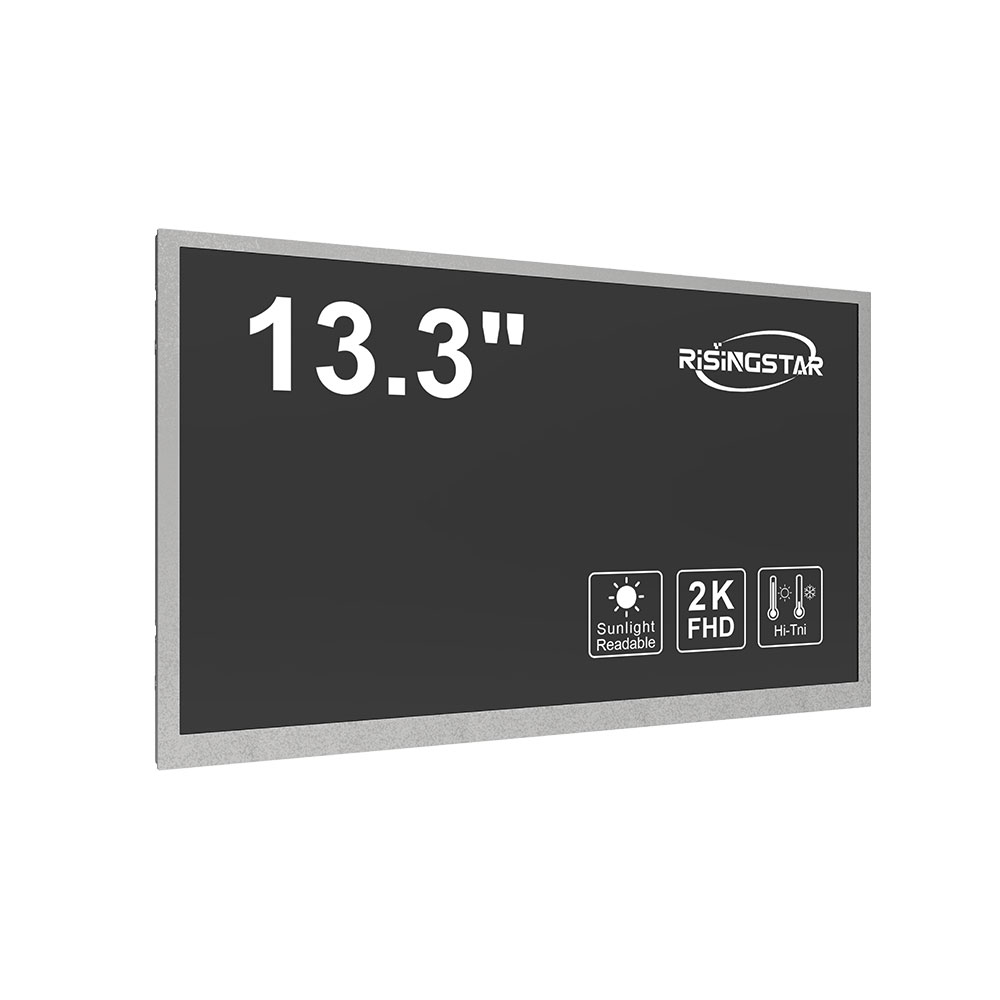
To ensure long-term reliability, manufacturers often comply with international standards such as MIL-STD-810G for environmental durability, EN 60068 for mechanical and thermal stress testing, and IEC 60529 for ingress protection (IP65/IP67). These certifications guarantee that the displays can withstand vibration, dust, moisture, and extreme temperature fluctuations—key factors for deployment in real-world outdoor settings.
In summary, selecting the right size and technology for a sunlight-readable LCD depends on application context, viewing environment, and operational constraints. Whether it’s a compact 10.1” unit for mobile use or a massive 110” panel for large-scale public information, 16:9 ratio displays remain the industry standard for visual clarity and compatibility. With continued advancements in LED backlighting, touch integration, and energy efficiency, these displays will remain indispensable across diverse sectors—from smart cities to military operations.