RisingStar
- Home
- About Us
- Products
- News
- Video
- Contact
- Send Inquiry
Search
- Home
- About Us
- Products
- News
- Video
- Contact
- Send Inquiry
RisingStar
In the rapidly evolving landscape of display technology, high-brightness sunlight-readable LCD screens have become indispensable in industrial, military, automotive, and outdoor applications where visibility under direct sunlight is critical. When designing or selecting a display for such demanding environments—especially for 15", 17", or 19" screen sizes—the display ratio plays a pivotal role in both functionality and user experience. A 4:3 aspect ratio remains a standard choice in many legacy and modern systems due to its compatibility with traditional video formats, efficient use of space in control panels, and ease of integration into embedded systems.
For example, in aviation cockpits, medical equipment, and industrial automation, displays with a 4:3 ratio are preferred because they align well with analog gauge layouts and legacy software interfaces. These ratios ensure that content—such as text, charts, and icons—is not distorted when scaled to fit real-world hardware constraints. Moreover, 4:3 displays offer better vertical space utilization than widescreen formats like 16:9, making them ideal for displaying multi-line data, menus, and status indicators without compromising readability.
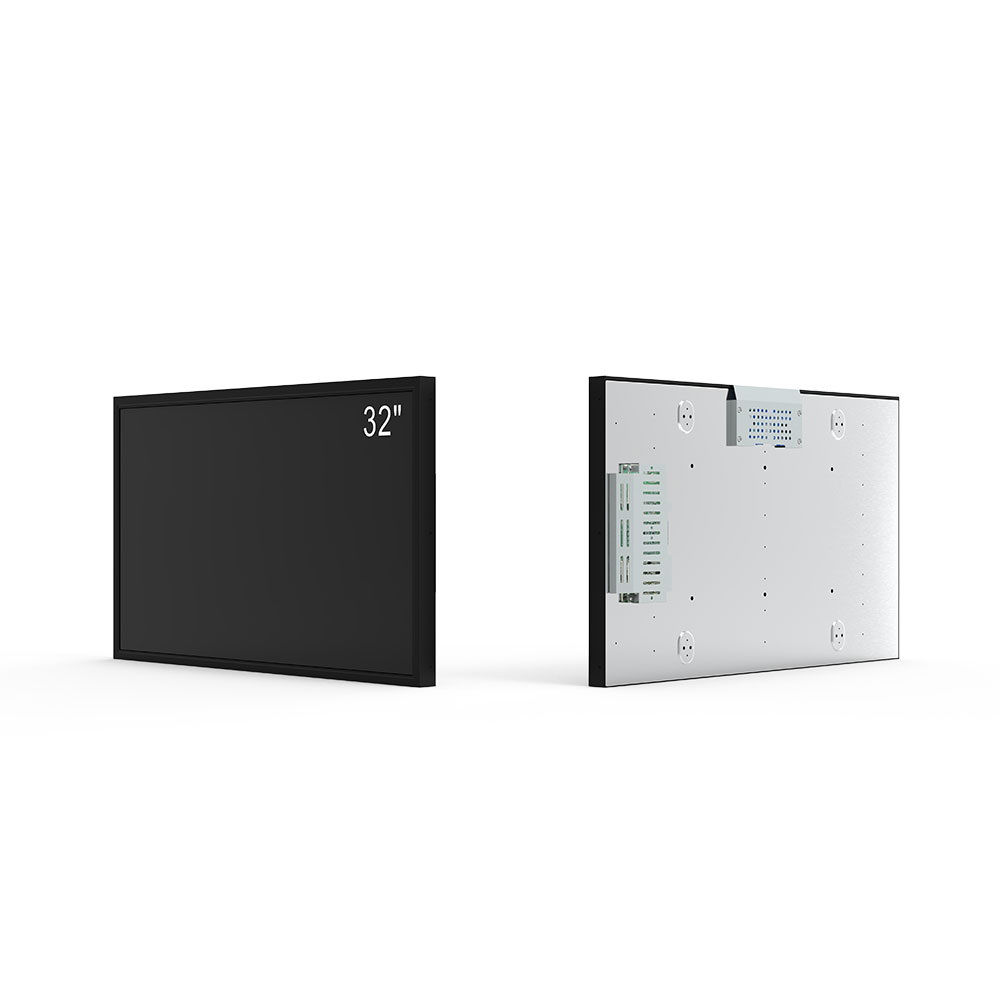
The brightness of these LCDs must exceed 3000 nits to remain legible under direct sunlight—a standard now widely adopted in MIL-STD-188-124 and ISO 14119-1 compliance guidelines for ruggedized electronics. To achieve this, manufacturers employ advanced technologies such as transflective liquid crystal cells, high-efficiency LED backlights, and anti-glare coatings (often with a matte finish). Some leading models from companies like Brite Display Systems, Eizo, and Calex Electronics integrate dynamic contrast algorithms that boost luminance only when necessary, thereby reducing power consumption while maintaining optimal performance in varying lighting conditions.
Case studies from defense contractors reveal that 17" and 19" 4:3 displays are increasingly used in command-and-control systems for field operations. In one instance, the U.S. Army’s mobile situational awareness platform deployed 19" 4:3 sunlight-readable panels with touch capability, achieving over 4000 nits brightness and 100% visibility even during midday sun exposure in desert climates. Similarly, in marine navigation systems, 15" 4:3 displays are chosen for their compact footprint and robustness against vibration and humidity.
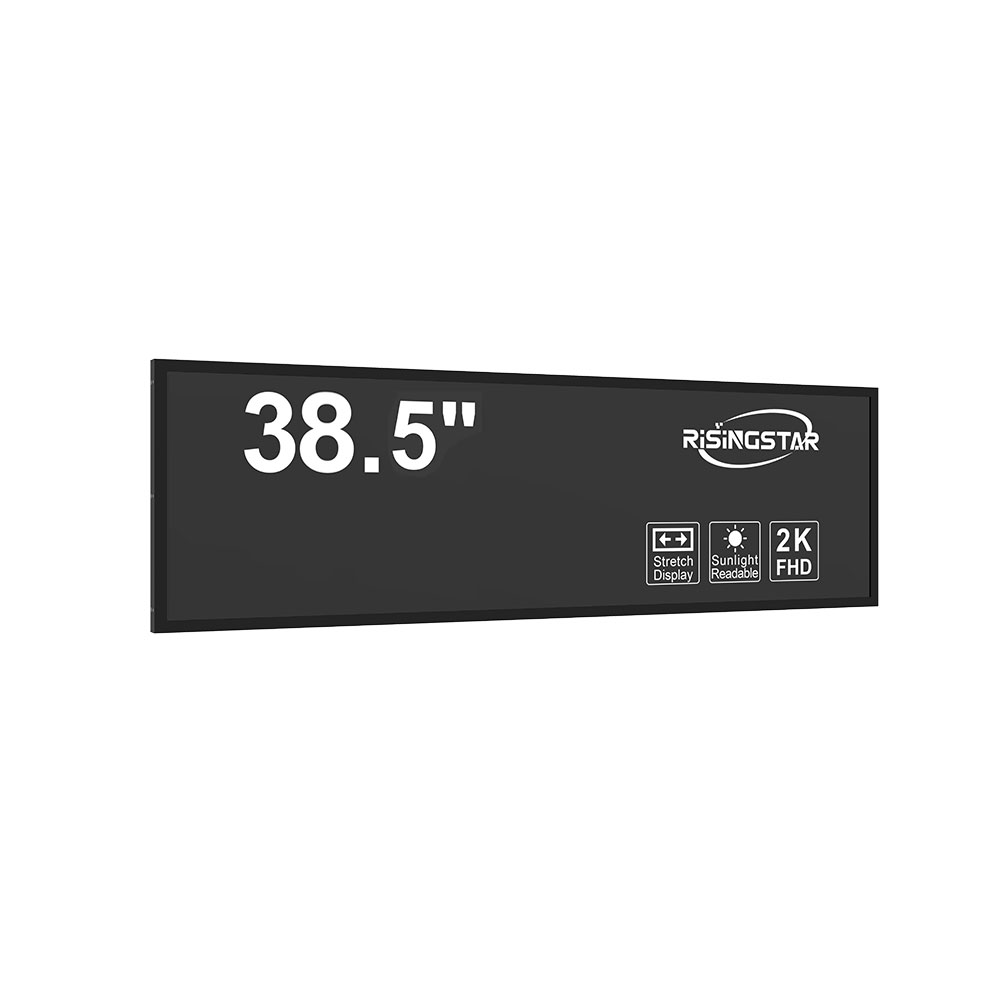
To meet global regulatory standards, manufacturers must also ensure electromagnetic compatibility (EMC), thermal management, and mechanical durability. For instance, IP65-rated enclosures protect against dust and water ingress, while MIL-STD-810G certification guarantees resistance to shock, vibration, and extreme temperatures (-20°C to +70°C). These factors make 4:3 ratio displays not just visually effective but also highly reliable in mission-critical scenarios.
As industries shift toward smarter, more connected devices, high-brightness 4:3 LCDs continue to serve as foundational components—not obsolete relics. Their enduring relevance lies in their ability to deliver clarity, durability, and compatibility in environments where failure is not an option.