RisingStar
- Home
- About Us
- Products
- News
- Video
- Contact
- Send Inquiry
Search
- Home
- About Us
- Products
- News
- Video
- Contact
- Send Inquiry
RisingStar
Sunlight-readable LCD displays are critical components in applications where visibility under direct sunlight is essential, such as military field operations, outdoor industrial equipment, transportation systems, and public information kiosks. These displays must maintain clarity, contrast, and readability even at light intensities exceeding 100,000 lux—conditions that standard indoor LCDs fail to handle. The engineering behind high-brightness sunlight-readable LCDs involves a combination of advanced backlighting, optimized display materials, anti-reflective coatings, and intelligent software algorithms.
The core technology enabling this performance lies in brightness enhancement. Conventional LCDs typically operate at 300–500 nits (cd/m²), which becomes insufficient when ambient lighting exceeds 10,000 lux. Sunlight-readable displays often exceed 5,000 nits, with some specialized models reaching up to 15,000 nits or more. This is achieved using high-efficiency LED backlights, often configured in dual or triple layers for uniform illumination across the screen. For example, automotive dashboards used in desert environments must perform reliably under peak solar irradiance—a scenario that demands not only high brightness but also thermal management to prevent overheating.
Another key factor is the use of transflective or reflective liquid crystal modes. Transflective LCDs combine both transmissive and reflective properties: they use ambient light during daylight (reducing power consumption) and switch to active backlighting in low-light conditions. This dual-mode approach significantly improves energy efficiency without compromising visibility. In contrast, fully reflective displays rely entirely on ambient light, offering excellent outdoor performance but limited usability indoors.
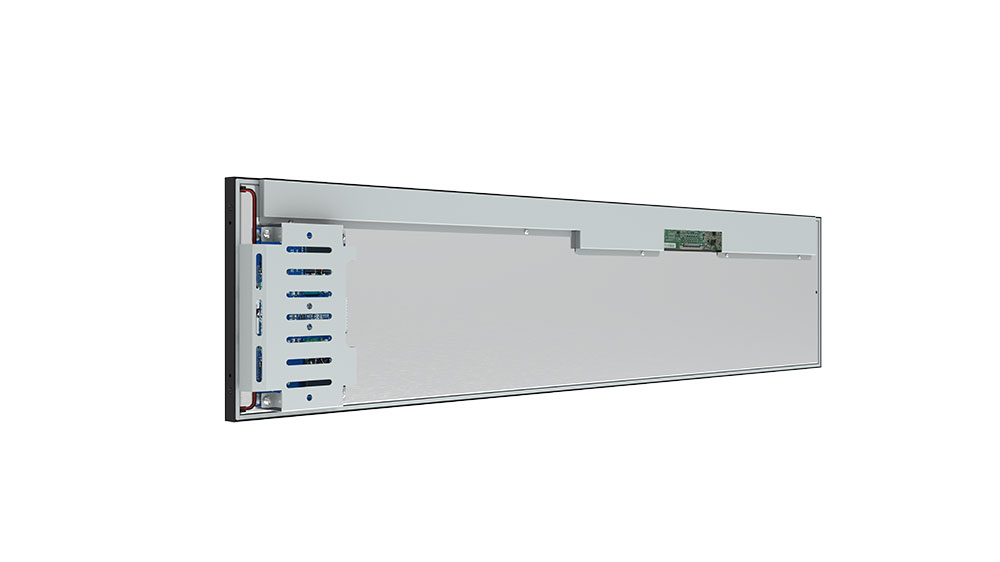
Anti-reflective coatings and polarized filters further reduce glare. Industry standards like MIL-STD-810G outline rigorous environmental testing protocols for military-grade displays, including temperature extremes (-40°C to +70°C), shock resistance, and humidity tolerance. Manufacturers often integrate Gorilla Glass or similar scratch-resistant materials to ensure durability against physical damage.
Case studies from real-world deployments highlight the importance of these technologies. For instance, a study published in IEEE Transactions on Industrial Electronics (2022) demonstrated how a 7,000-nit transflective display improved operational efficiency in construction site monitoring systems by reducing user fatigue and errors caused by poor visibility. Similarly, a 2023 report by Display Week showed that integrating dynamic contrast control algorithms could enhance readability while lowering power consumption by up to 30% in mobile command units.
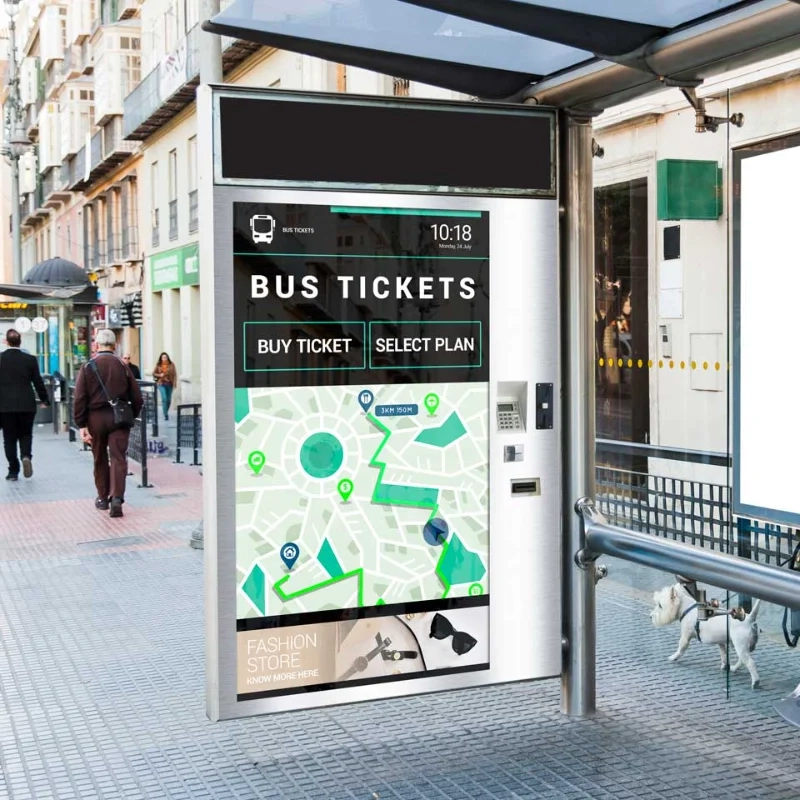
From an application perspective, the integration of sunlight-readable LCDs into smart cities—such as digital signage, bus stop information panels, and utility meters—has surged due to increased demand for reliable, low-maintenance outdoor interfaces. According to Statista (2024), the global market for high-brightness displays is projected to reach $9.3 billion by 2027, driven largely by IoT expansion and electric vehicle adoption.
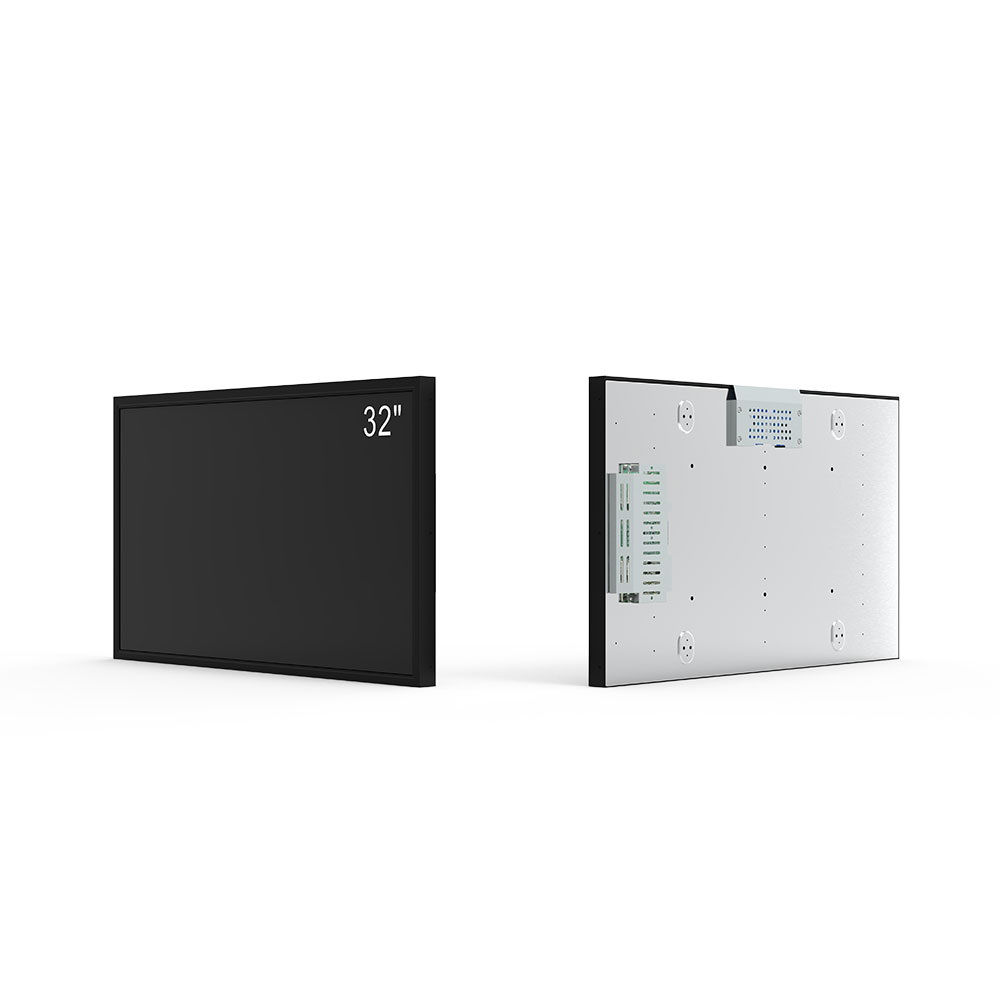
In conclusion, sunlight-readable LCDs represent a convergence of materials science, optical engineering, and embedded systems design. Their successful deployment requires a holistic understanding of environmental constraints, user interaction needs, and long-term reliability. As industries move toward automation and remote operations, these displays will remain indispensable for mission-critical applications requiring human-machine interface clarity in the most demanding conditions.