RisingStar
- Home
- About Us
- Products
- News
- Video
- Contact
- Send Inquiry
Search
- Home
- About Us
- Products
- News
- Video
- Contact
- Send Inquiry
RisingStar
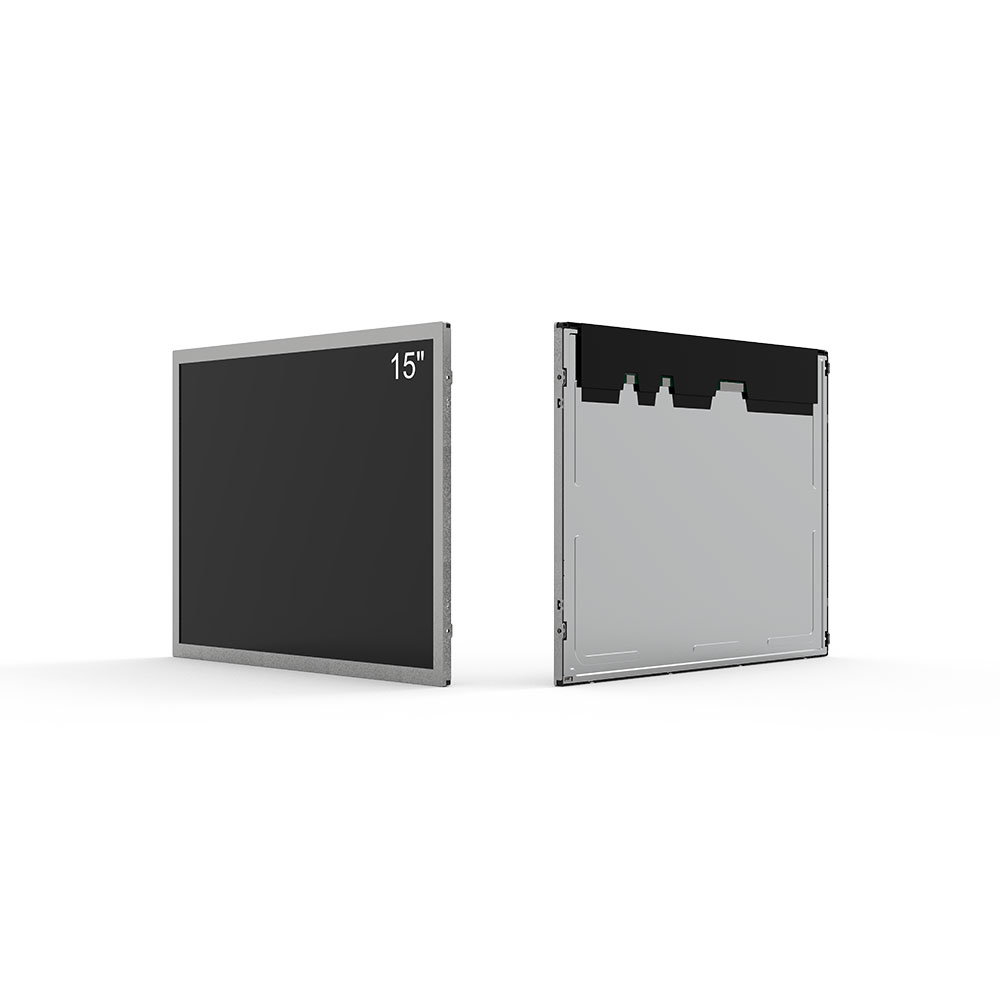
High-brightness sunlight-readable LCD screens are essential components in modern industrial, military, and outdoor environments where visibility under direct sunlight is critical. Among the most commonly used display ratios for ruggedized applications are 4:3 formats—such as 15-inch, 17-inch, and 19-inch screens—which offer a balance of vertical workspace and legacy compatibility in systems like medical equipment, vehicle dashboards, kiosks, and field-deployable computing devices.
The key challenge in designing such displays lies in achieving sufficient luminance to remain legible under full sun conditions (typically 10,000 lux or higher), while maintaining power efficiency, durability, and thermal stability. Industry-leading manufacturers now produce high-brightness LCD panels with peak brightness levels exceeding 5,000 nits, far surpassing standard indoor displays that typically operate at 300–500 nits. These panels incorporate anti-reflective coatings, wide viewing angles (up to 170°), and advanced backlight technologies—including LED edge-lit or full-array local dimming—to ensure optimal contrast and readability even in harsh lighting conditions.
For example, a 15-inch 4:3 LCD screen with 5,000 nits brightness can be integrated into a handheld military terminal, allowing soldiers to read critical mission data in open desert environments without glare or ghosting. Similarly, a 17-inch unit used in a mobile command center must resist condensation, dust ingress (IP65 rating), and mechanical shock—features often embedded in ruggedized enclosures and tempered glass laminates. The 19-inch variant, frequently found in fixed-position industrial workstations, benefits from higher pixel density (e.g., 1280x1024 resolution) and support for touchscreen functionality via capacitive or resistive technologies.
According to a 2023 report by MarketsandMarkets, the global sunlight-readable display market is projected to grow at a CAGR of 7.4% through 2028, driven by increasing demand from defense, transportation, and smart infrastructure sectors. Notably, the 4:3 aspect ratio remains popular in legacy systems where vertical space is prioritized—for instance, in CAD software, medical imaging, and legacy control panels where tall, narrow layouts enhance usability.
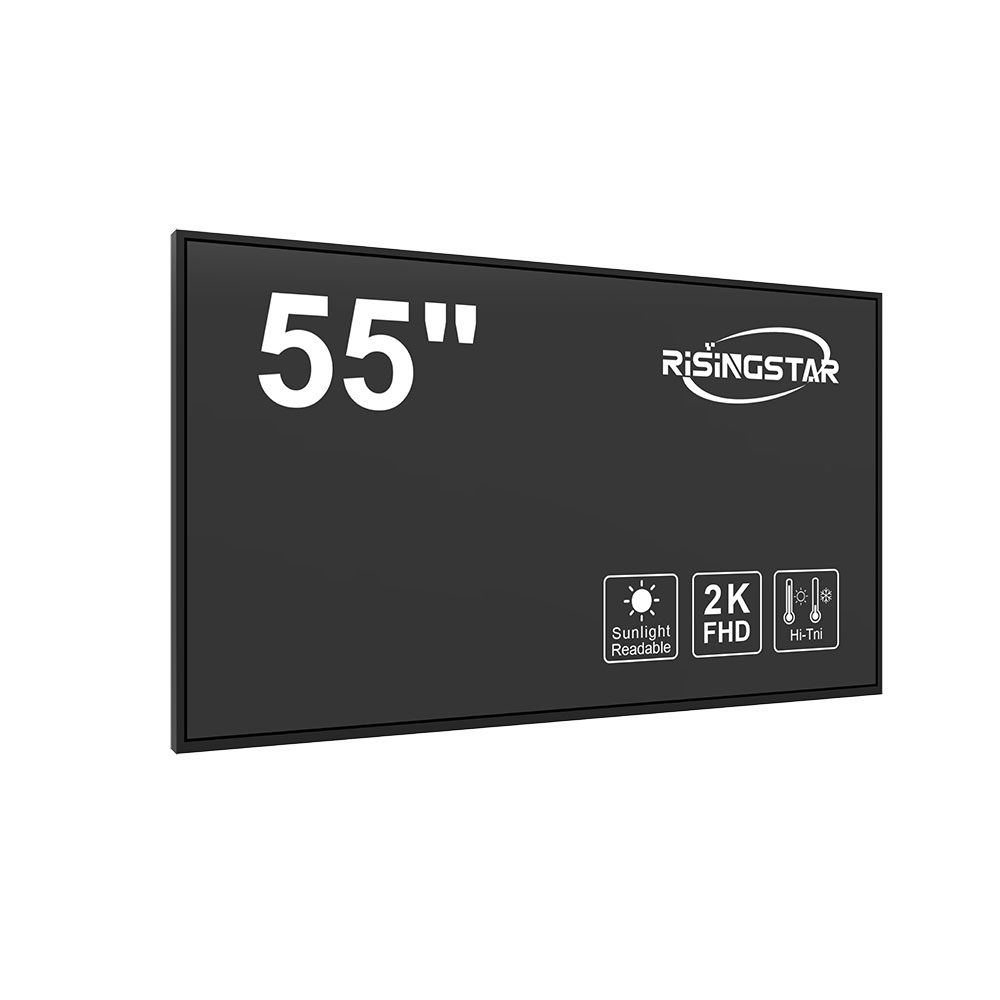
Manufacturers like Innolux, LG Display, and ELO Touch Solutions provide certified MIL-STD-810G compliance and IP67 ratings for outdoor-rated 4:3 displays, ensuring they withstand extreme temperatures (-30°C to +70°C), humidity, and vibration. Additionally, these displays integrate advanced power management circuits that reduce heat generation—an important consideration when deploying multiple units in confined spaces such as server racks or armored vehicles.
In summary, selecting the right high-brightness 4:3 LCD screen requires careful evaluation of brightness, environmental resilience, resolution, and integration capabilities. Whether it's a 15-inch unit for portable use or a 19-inch panel for stationary industrial operations, the correct choice ensures reliable performance across diverse operational scenarios—from sunny fields to sub-zero climates.