RisingStar
- Home
- About Us
- Products
- News
- Video
- Contact
- Send Inquiry
Search
- Home
- About Us
- Products
- News
- Video
- Contact
- Send Inquiry
RisingStar
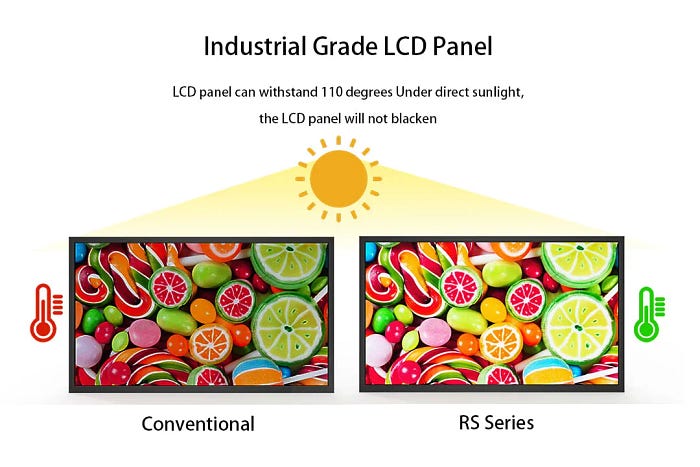
High-brightness sunlight-readable LCD displays are essential in modern industrial, military, aerospace, and transportation applications where visibility under direct sunlight is critical. These specialized screens typically operate at brightness levels exceeding 5,000 nits—far above standard indoor LCDs that rarely exceed 500 nits—ensuring clear readability even in extreme lighting conditions such as bright desert sun or polar daylight.
The engineering behind these displays involves multiple layers of innovation. First, a high-efficiency backlight system, often based on LED arrays with advanced optical films, provides the necessary luminance. Second, anti-reflective coatings (ARC) and polarized filters reduce glare by minimizing light reflection from the screen surface—an approach supported by ISO 13406-2 standards for visual performance. Third, liquid crystal technology must be optimized for wide temperature ranges (-30°C to +70°C), using materials like twisted nematic (TN) or in-plane switching (IPS) modes that maintain contrast and response time across thermal extremes.
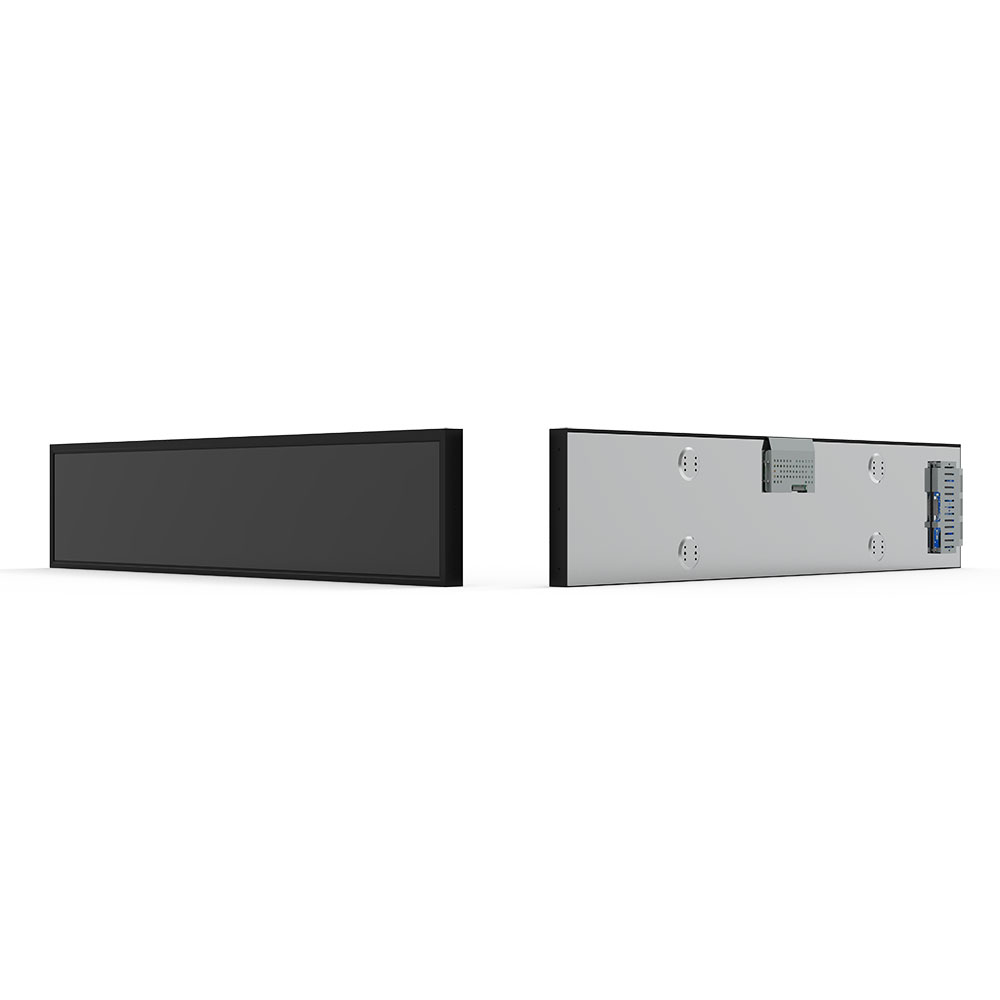
Case studies demonstrate real-world effectiveness. For instance, in U.S. Department of Defense projects, sunlight-readable displays enabled reliable operation of battlefield communication devices in Iraq’s 6,000-nit desert environment. Similarly, European rail operators adopted 7,000-nit displays in train control systems to ensure safety during daytime operations in mountainous regions where ambient light can surpass 8,000 nits.
Manufacturers like LG Display, BOE Technology, and Japan Display Inc. now offer certified sunlight-readable panels compliant with MIL-STD-810G for shock and vibration resistance, IP65 for dust/water ingress protection, and EN 55022 for electromagnetic compatibility. The integration of touch functionality—often capacitive or resistive with glove-compatible sensors—adds operational versatility in outdoor fieldwork.
From a technical standpoint, power efficiency remains a challenge. High brightness demands more energy; thus, adaptive brightness control algorithms that dynamically adjust output based on ambient light sensors (e.g., using photodiodes calibrated per IEC 61095) are becoming standard. Additionally, OLED-based sunlight-readable solutions are emerging, offering deeper blacks and higher contrast ratios but requiring careful thermal management due to their lower tolerance to heat buildup.
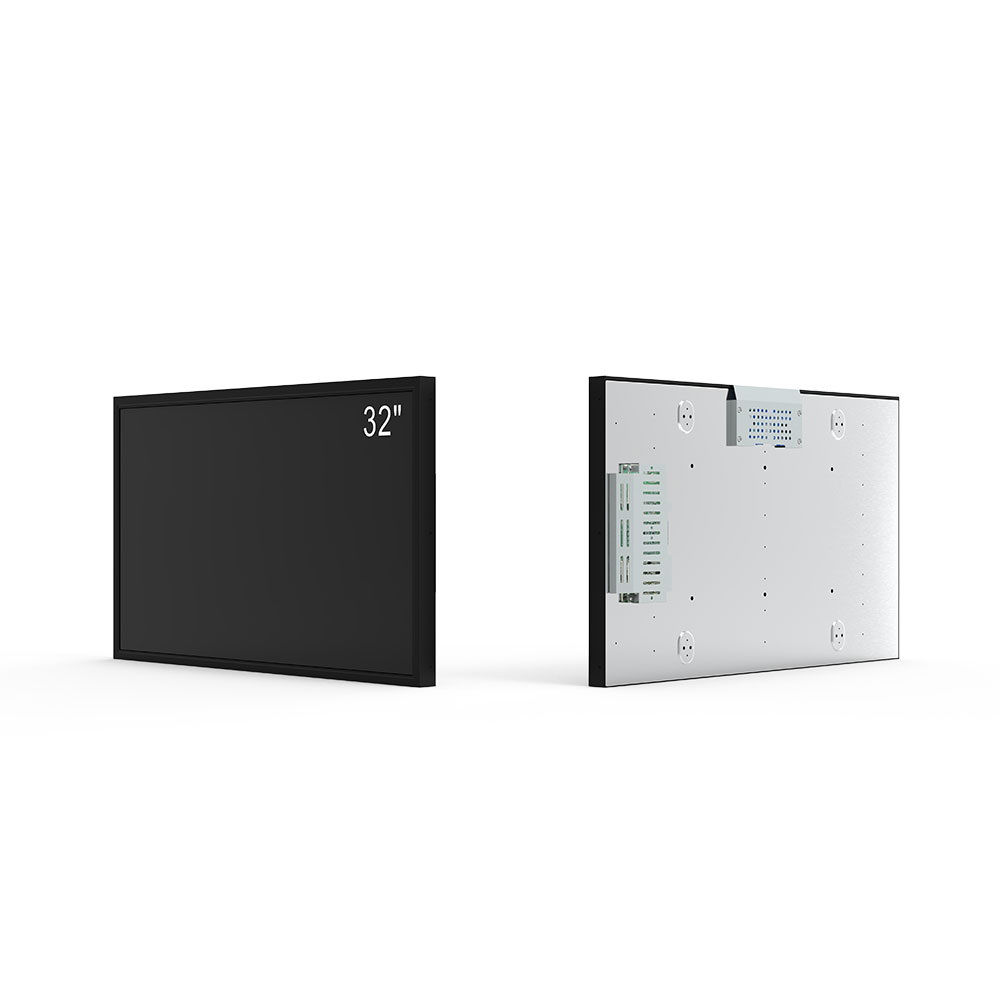
These displays are not merely about brightness—they represent a holistic system design involving optics, materials science, thermal management, and human factors engineering. As industries increasingly demand ruggedized digital interfaces—from autonomous vehicles to solar farms—the role of high-brightness sunlight-readable LCDs will continue to expand globally.