RisingStar
- Home
- About Us
- Products
- News
- Video
- Contact
- Send Inquiry
Search
- Home
- About Us
- Products
- News
- Video
- Contact
- Send Inquiry
RisingStar
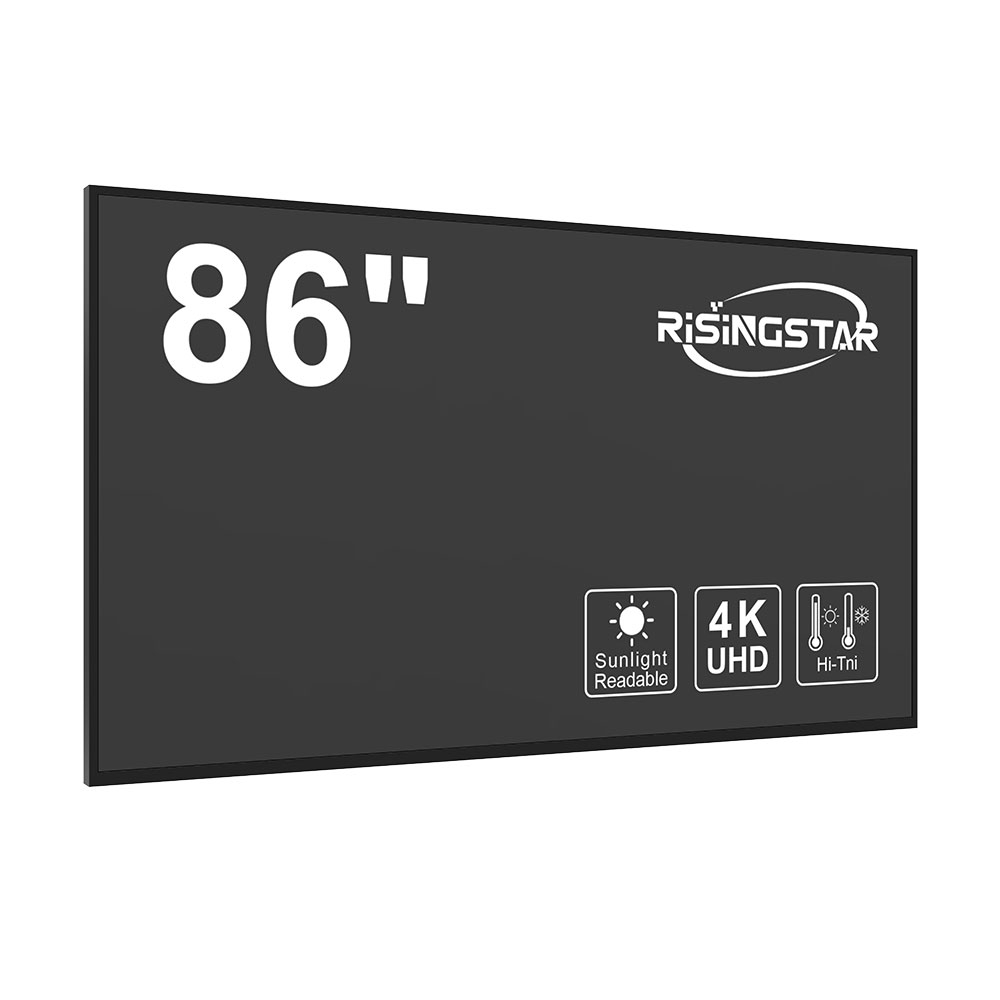
High-brightness sunlight-readable LCD displays have become a cornerstone technology in modern industrial and military environments where visibility under direct sunlight is critical. These screens are engineered to maintain clarity, contrast, and responsiveness even when exposed to intense ambient light—ranging from 10,000 to over 100,000 lux—which is common in outdoor settings such as construction sites, agricultural machinery, defense vehicles, and transportation systems.
One of the primary advantages of high-brightness sunlight-readable LCDs lies in their ability to eliminate glare and enhance readability without requiring users to adjust brightness manually. Unlike standard LCDs that often appear washed out or illegible under bright conditions, these specialized displays utilize advanced backlighting techniques such as LED arrays with high lumen output (typically 5,000–10,000 cd/m²), anti-glare coatings, and optimized contrast ratios. For example, the U.S. Department of Defense has standardized on 7,000 cd/m² brightness levels for tactical displays used in field operations—a benchmark now widely adopted by commercial manufacturers like LG Innotek and Innolux.
Practical applications span across multiple sectors. In agriculture, tractors equipped with high-brightness displays allow operators to monitor GPS mapping, yield data, and real-time sensor feedback without squinting in midday sun. In public transit, bus control panels using sunlight-readable screens ensure drivers can access route information and emergency alerts clearly—even during peak daylight hours. Similarly, in the energy sector, solar farm monitoring stations rely on these displays to show live performance metrics of photovoltaic arrays under full sun exposure.
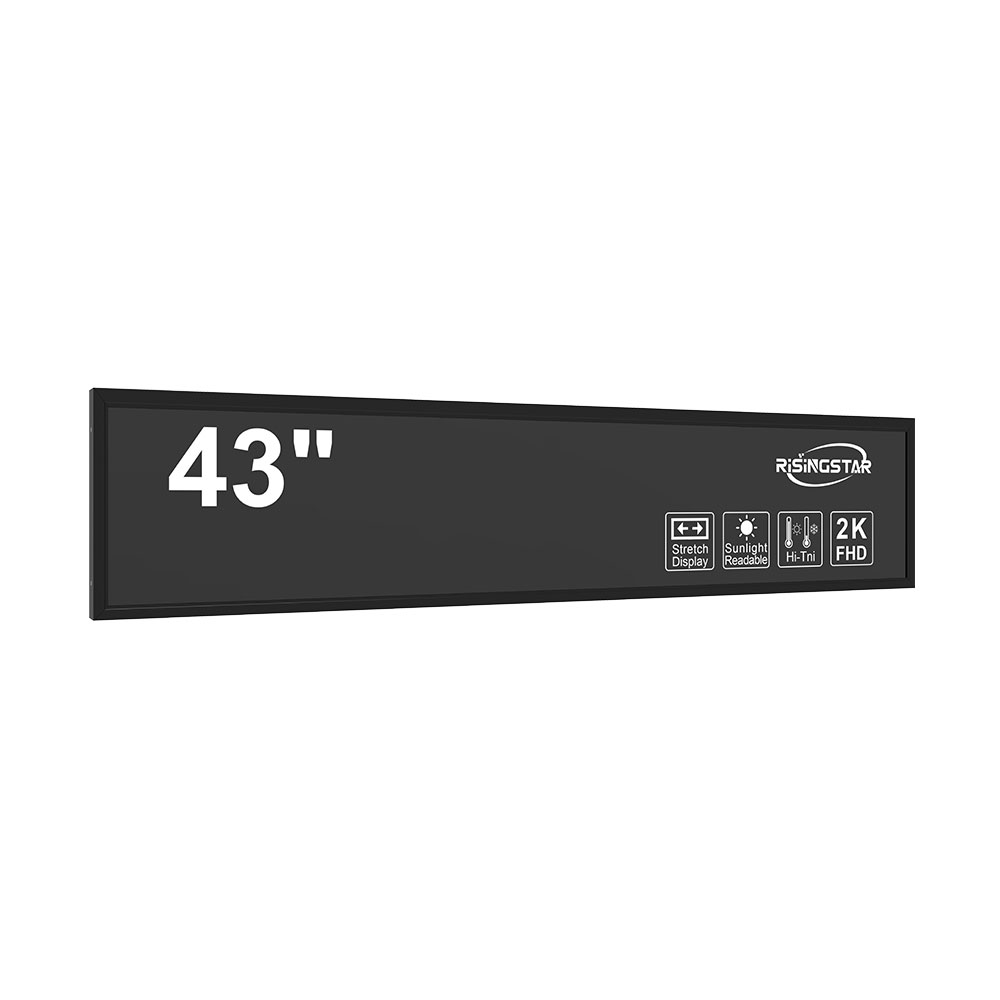
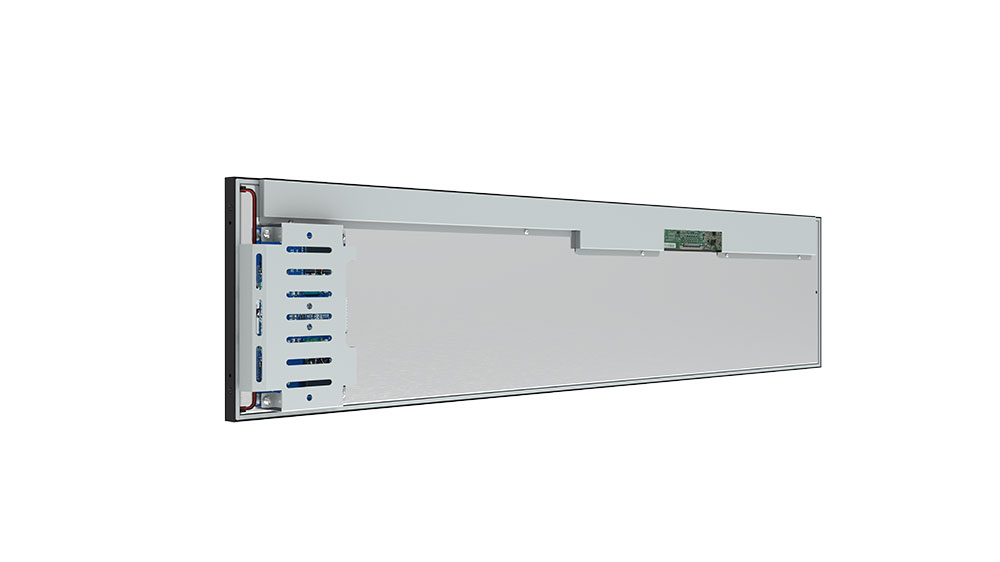
Despite their benefits, common problems persist. One frequent issue is thermal management—high brightness consumes more power, leading to heat buildup that may degrade panel longevity. To mitigate this, manufacturers integrate passive cooling structures, thermally conductive materials, and intelligent brightness control algorithms that dynamically reduce luminance in shaded environments. Another challenge is color accuracy; excessive brightness can skew hues, particularly in low-temperature conditions. Industry solutions include wide-viewing-angle IPS (In-Plane Switching) panels and adaptive white balance calibration systems.
Recent trends highlight the integration of touch functionality and ruggedization. Modern sunlight-readable LCDs now combine capacitive or resistive touch layers with IP65/IP67 ingress protection ratings, making them suitable for harsh environments. Additionally, there’s growing interest in OLED-based sunlight-readable panels, though their higher cost and lower peak brightness compared to LED-backlit LCDs still limit widespread adoption. According to a 2023 report by MarketsandMarkets, the global market for sunlight-readable displays is projected to reach $2.8 billion by 2028, driven by demand from smart cities, autonomous vehicles, and industrial IoT deployments.
These innovations reflect not just technological progress but also a deeper understanding of human factors engineering—ensuring that interfaces remain intuitive, reliable, and visible regardless of environmental conditions. As industries continue to digitize operations in open-air environments, the role of high-brightness sunlight-readable LCDs will only grow in importance.